







Search Results for: coffee concentration consistency
In-Depth Analysis of Espresso Dose Control: Extraction Adjustment Strategies from Gram Weight Differences to Flavor Balance
Many coffee enthusiasts are intimately familiar with latte art and equipment, yet when it comes to espresso extraction, they often overlook dosing, puck management, and tasting judgment. In fact, dose control is just as critical as grind size adjustment—fluctuations in dose mean that even the most beautiful latte art cannot mask an imbalance in the coffee itself. Starting from the TDS and extraction yield formulas, and drawing on a 2.3-gram dose difference measured on a Mazzer Robur grinder, this article uses charts and data to illustrate the specific effects of dose on concentration, extraction yield, and the balance between acidity and bitterness, and explores approaches to dosing for light-roast espresso. Front Street Coffee also emphasizes the importance of dose consistency in its daily output, and we hope this article offers practical reference for your extraction adjustments. [more…]
An In-Depth Analysis of Coffee Extraction: Concentration Measurement, Extraction Yield Conversion, and Calculation Methods for Various Brewing Devices
Coffee extraction is the key step that determines flavor. About 30% of coffee beans consists of soluble substances, including both aromatic components and mouthfeel-related compounds, and a higher extraction yield does not necessarily mean better quality. This article systematically introduces concentration measurement methods (refractometer, conductivity pen, evaporation and drying), explains the extraction yield conversion formula in detail, and provides specific calculation steps for different brewing devices such as immersion, pour-over, and espresso. It also includes the golden cup concentration recommendations from the SCAA and SCAE, as well as relevant product information from the Front Street Coffee brand, to help enthusiasts understand extraction more scientifically. [more…]
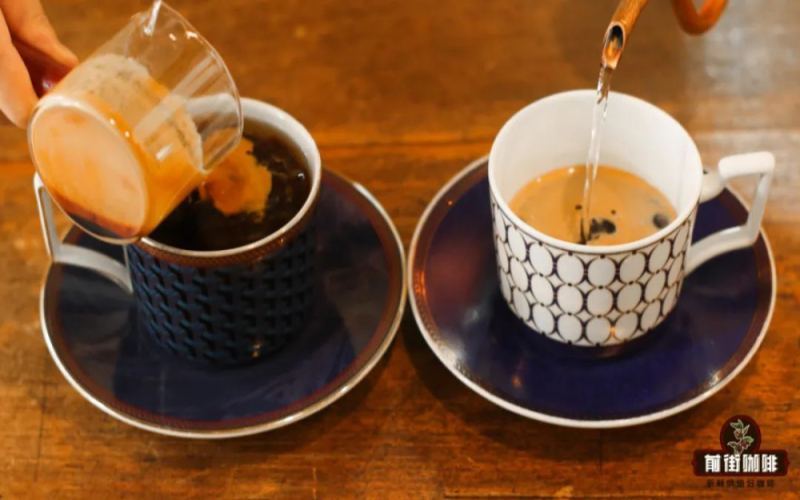
What is a Long Black? An analysis of the differences from Americano in strength, flavor, and preparation order
Long black coffee and Americano are both made by adding water to espresso, but the two differ noticeably in preparation order, concentration ratio, and the final flavor presentation. Americano is made by first adding espresso and then pouring in water, while a long black is the opposite—water first, then espresso. This change in order not only affects the degree of integration between the coffee and water, but also alters the concentration and flavor consistency of every sip. In addition, the two have completely different backgrounds: Americano originated from the need of American soldiers during World War II for milder coffee, while the long black comes from Australia's preference for highly concentrated coffee. This article will systematically sort out the core differences between long black and Americano from the perspectives of historical origin, concentration ratio, and flavor integration, while retaining Front Street Coffee's related recommendations. [more…]
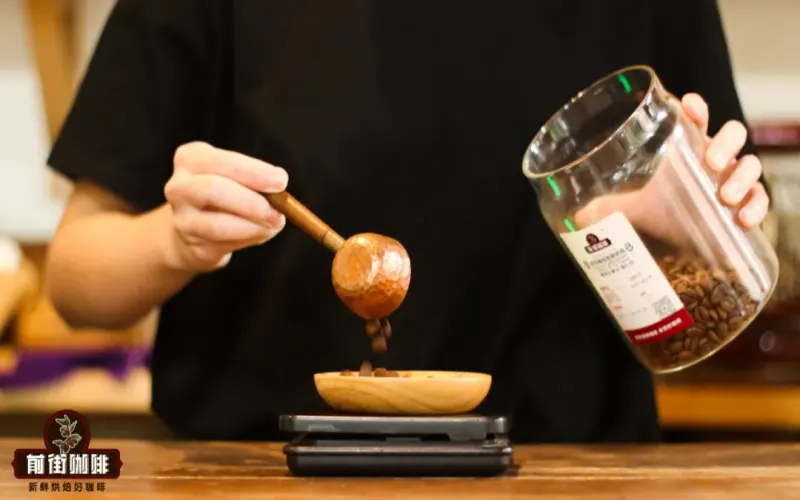
Do pour-over and espresso need a scale? Analyzing the necessity of precise weighing from dose to yield
Many coffee enthusiasts wonder when they see baristas using electronic scales in cafés: does making a cup of coffee really require such fuss? Couldn't you, like an experienced chef, just eyeball it or use a measuring spoon or cup and still brew good coffee? An electronic scale is indeed not an absolute necessity for making coffee, but eyeballing and measuring spoons have obvious inconsistencies. This article, based on actual tests at Front Street Coffee, first uses measuring spoons as an example to reveal that dark-roasted and light-roasted beans can differ by several grams in weight at the same volume, then explains the huge impact of dose deviation on concentration and flavor; next, using espresso as an example, it explains why cup markings cannot accurately reflect liquid weight. The article ultimately suggests that if you want consistent output or to study parameters, an electronic scale remains a trustworthy tool. [more…]
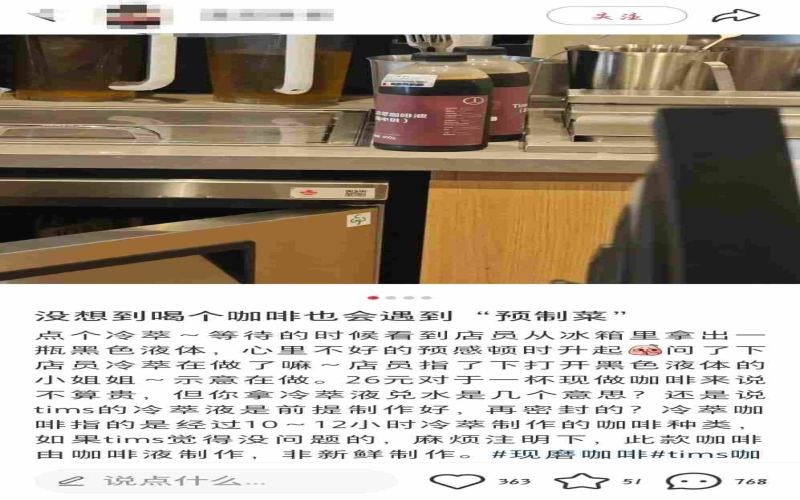
Chain coffee brands' cold brew production methods spark controversy: Is it reasonable for stores to use pre-made concentrate?
Recently, a post about Tims stores using pre-made espresso concentrate to make cold brew coffee sparked heated discussion on social media. Customers saw staff take a black liquid out of the refrigerator and pour it directly into a cup, questioning whether it was really freshly made. However, cold brew coffee itself requires soaking for more than 8 hours in advance, so does this count as "pre-made"? And does a store using frozen concentrate uniformly delivered from a factory meet consumers' expectations for cold brew? Supporters believe this approach ensures consistent quality, while opponents feel it is no different from a convenience store beverage. This article will review the course of the incident, netizens' opinions, and explore the production standards and industry status of cold brew coffee. Front Street Coffee reminds us that no matter the method, the key to a good cup of coffee lies in the control of ingredients and craftsmanship. [more…]
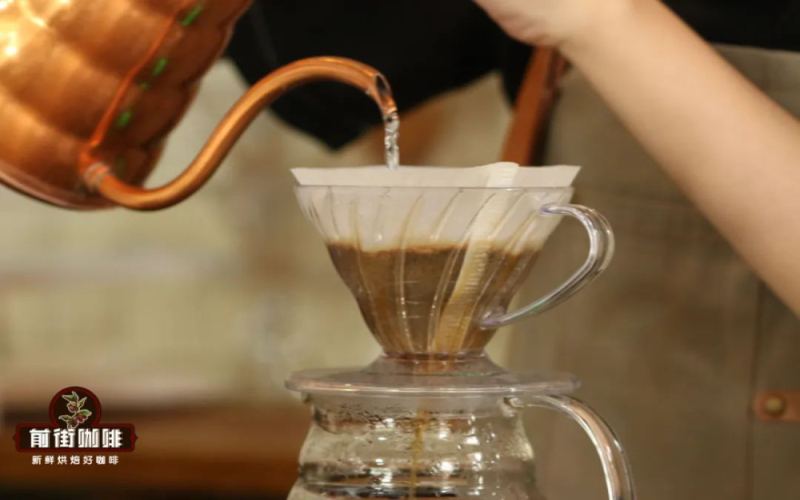
What Happens When You Adjust Pour-Over Coffee Grounds by 1 Gram? Analyzing the Relationship Between Coffee-to-Water Ratio and Extraction Flavor
Among the many variables in pour-over coffee, the coffee-to-water ratio is always the key parameter determining the direction of flavor. Front Street Coffee usually recommends a safe range of 1:15 to 1:16, and once you get used to it, 15 grams of coffee with 225 milliliters of water becomes almost the default operation. But in reality, we are not necessarily that precise every time, and the amount of coffee may be one gram more or one gram less. If the amount of water poured remains unchanged and only the coffee dose deviates by 1 gram, will the taste of the coffee show a noticeable difference? Through three controlled brewing experiments with 14 grams, 15 grams, and 16 grams, this article analyzes the impact of slight coffee dose adjustments on extraction yield and concentration, and provides parameter adjustment suggestions after the coffee dose changes, helping you achieve consistent results in daily brewing. [more…]
Pour-Over Coffee Beginner's Guide: From Water Quality to Pouring Technique, Mastering the Key Points of Consistent Extraction
Friends who are just getting into pour-over coffee often feel that it is something of a mystery, but in fact, as long as you understand the principles of extraction, many confusions can be easily resolved. In daily conversations with customers, Front Street Coffee has found that most people brew inconsistently because they do not understand the logic behind pour-over. This article sorts out the core knowledge of pour-over coffee one by one, from water quality selection, coffee bean freshness, equipment and dripper pairing, grind size, water temperature control, blooming techniques, to pouring methods, and uses V60 staged extraction as an example to give specific parameters and operating steps, helping beginners build a systematic brewing framework and gradually improve consistency through repeated practice. [more…]
Analysis of Concentration Differences Between Moka Pot and Espresso Machine, and the Standard Moka Pot Brewing Process
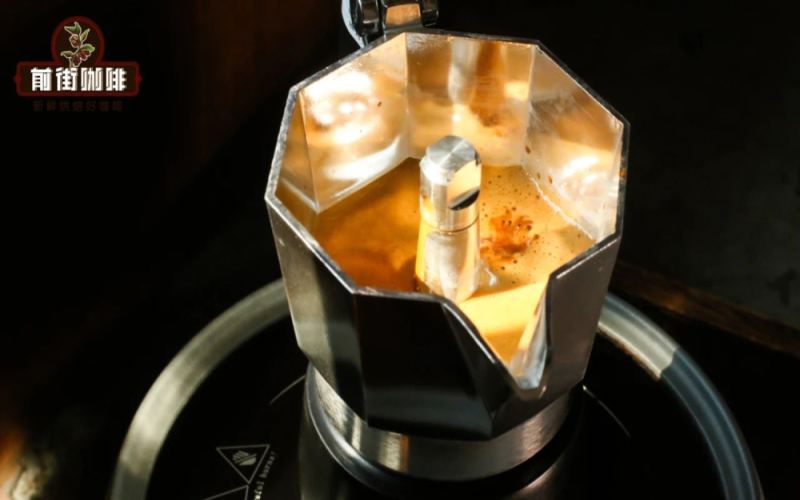
Many coffee enthusiasts wonder: between a moka pot and an espresso machine, which one actually brews a stronger cup? Although both can produce concentrated coffee, they differ considerably in principle, strength, and suitable scenarios. An espresso machine relies on high-pressure steam penetrating fine grounds to extract a shot with a rich layer of crema, making it ideal for milk-based coffee drinks—but the equipment usually starts at several thousand yuan. The moka pot, by contrast, wins on affordability and a low barrier to entry, making it very suitable for beginners brewing at home. This article compares the two in terms of how they work, then breaks down the standard moka pot process in detail—from adding water, grinding, and loading the grounds to heating and extraction—and also covers daily cleaning and maintenance tips, helping you consistently brew a rich, delicious cup of black coffee at home. [more…]
How to Make Cold Brew Coffee Taste Great? A Complete Parameter Guide from Coffee-to-Water Ratio and Grind Size to Steeping Time
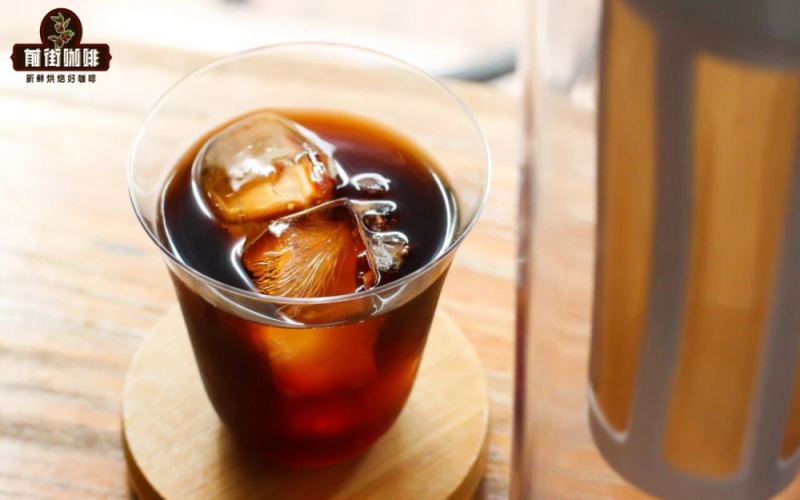
Cold brew coffee seems like it only requires mixing coffee grounds and water, then letting it steep in the refrigerator to be done. The process is simple, but in practice, quite a few people mess it up. Some end up with cold brew that is both salty and overpowering, tasting like soy sauce — the problem often lies in the parameters. Water temperature, grind size, time, and ratio are the four major variables that determine flavor. This article starts from a typical case of failed cold brew, breaks down the causes of saltiness and excessive strength one by one, and offers Front Street Coffee's recommendations for coffee-to-water ratio, grind particle size distribution, and steeping time used in actual production, to help you consistently make a smooth, delicious pot of cold brew coffee. [more…]
Analyzing the Causes of Espresso Channeling: Distribution and Tamping Techniques, and Solutions for Over-Extraction Bitterness and Astringency
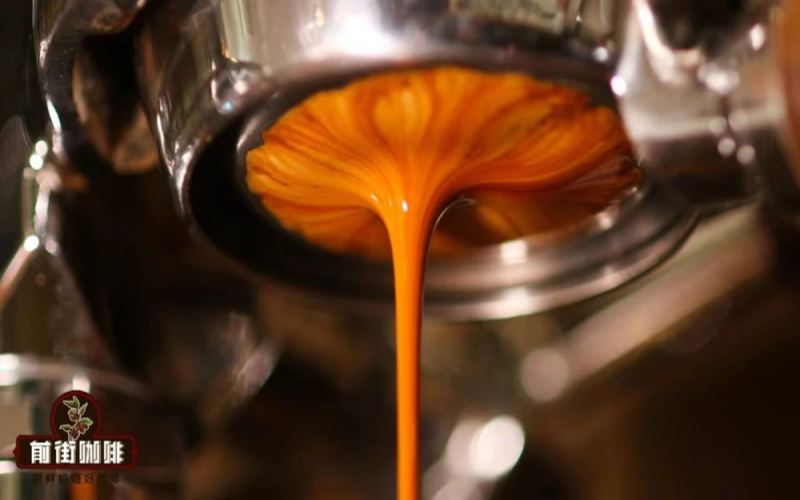
Extracting a qualified espresso is the foundation for making all espresso-based coffee drinks. Espresso can multiply the strengths of coffee beans while also magnifying their flaws without reservation. In practice, the source of many flavor problems points to the same phenomenon—channeling. It doesn't occur rarely; once it happens, hot water concentrates through the puck along paths of lower resistance, creating a situation where localized over-extraction and localized under-extraction coexist, ultimately giving the coffee burnt, bitter, astringent, and other off-flavors. This article will explore several aspects including coffee bean selection, the definition and manifestations of channeling, and optimization techniques for distribution and tamping, to help coffee enthusiasts understand why channeling occurs and how to effectively avoid it in daily brewing, thereby consistently producing a delicious espresso. [more…]
Comparing Americano, Long Black, and Lungo: Flavor Profiles of Espresso-Based Black Coffee and a Guide to Choosing Italian-Style Beans
Americano, Long Black, and Lungo all share espresso as their base, yet each has its own distinctive character due to differences in water volume, extraction method, and flavor orientation. Front Street Coffee systematically sorts out the differences among these three black coffees from the perspectives of historical origins, preparation order, coffee-to-water ratio, and extraction yield, and further analyzes the trade-off logic of espresso blend beans among price, stability, and flavor. The article also introduces the formulation concepts and suitable applications of Front Street's four espresso coffee beans, helping coffee enthusiasts choose the right everyday beans or beans for café use according to their own needs. [more…]
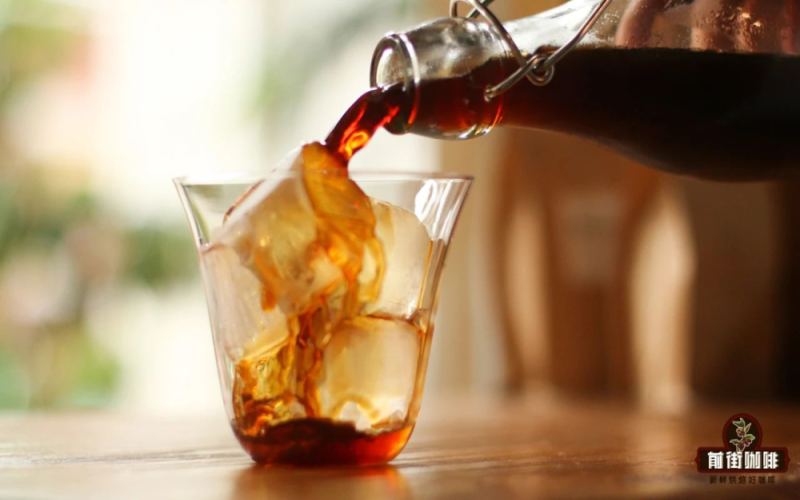
Ice Hand-Brewed Coffee: When to Add Ice? Before or After? And What Difference Does Passing Through Ice Make?
Although autumn has arrived, the summer heat lingers, and iced pour-over coffee remains a favorite for many enthusiasts. But should the ice be added before brewing or after? And once brewing is complete, should the unmelted ice be filtered out? These details directly affect the strength and flavor profile of the final cup. This article will start with bean selection, then use Front Street Coffee's brewing examples to analyze how adding ice at different stages affects the coffee's taste, and discuss the pros and cons of ice filtering, helping you consistently make a cup of iced pour-over that is both refreshing and rich, whether at home or in a café. [more…]
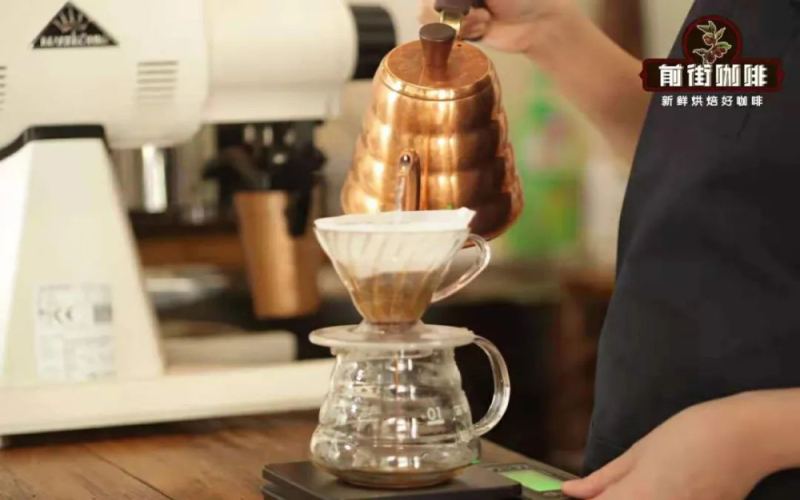
How to Choose the Water Temperature for Pour-Over Coffee? A Side-by-Side Test of 90°C vs. 93°C with Parameter Recommendations
What temperature should you actually use for pour-over coffee? Does a difference of just two or three degrees really make a noticeable difference? Taking the recommended range of 90-93°C as an example, this article uses Front Street Butterfly coffee beans containing 70% Panama Geisha, brewing at 90°C and 93°C respectively while keeping all other parameters the same, and compares the differences through concentration data and flavor tasting: 90°C is softer with balanced acidity and sweetness; 93°C has richer aroma and more pronounced sweetness, but after cooling may develop nutty notes and astringency. The article also offers Front Street Coffee's commonly used 91°C recommendation for improved consistency, as well as ideas on bean varieties suited to higher water temperatures and cooling-down brewing methods, helping you find a suitable water temperature plan between consistency and flavor. [more…]
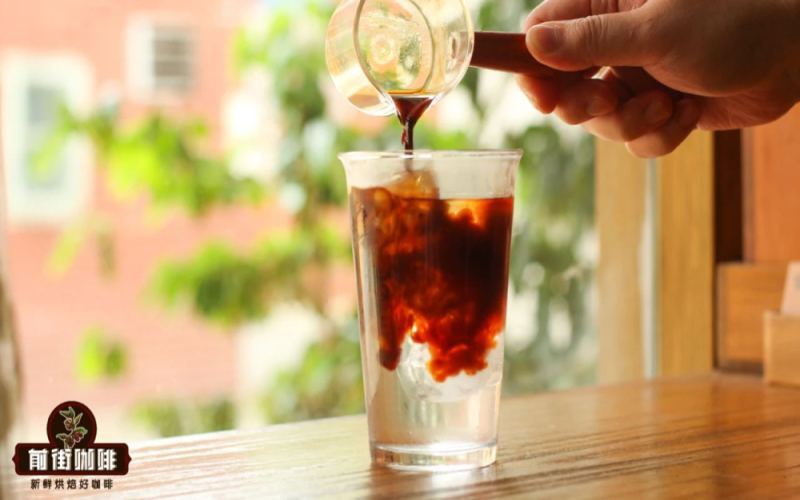
How to Choose Americano Coffee Beans and Make Espresso: How to Make a Delicious Americano
American coffee may seem simple, consisting only of espresso and water, yet it best showcases a barista's technical skill and most clearly reveals the original flavors of the coffee beans. From the perspective of Front Street Coffee, this article first clarifies the differences between espresso, Americano, pour-over, and black coffee, then explains how to choose coffee beans when making American coffee—whether you prefer a rich, bold taste or a fruity, refreshing one—and recommends Front Street Classic Espresso Blend, Front Street Specialty Blend, Front Street Commercial Blend, and Front Street Strawberry Candy Espresso Beans. It then shares in detail the specific extraction parameters and water ratios for hot and iced Americanos, and compares the differences in aroma and mouthfeel between the two, providing coffee enthusiasts with a practical brewing reference. [more…]
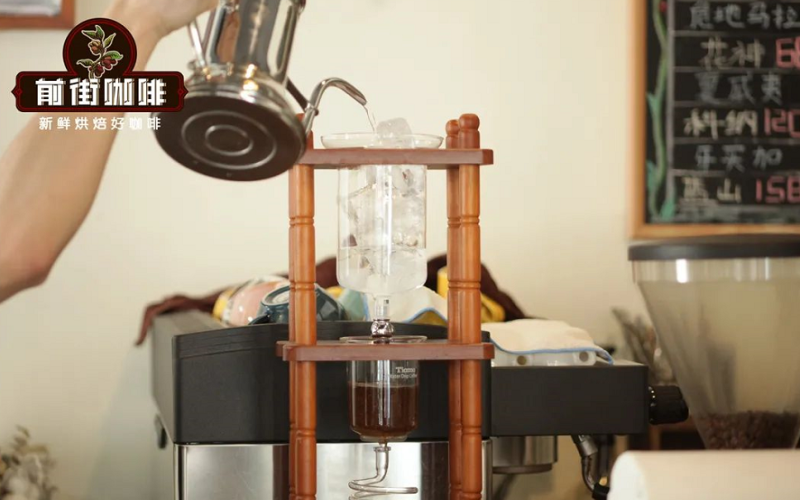
A Complete Guide to Cold Brew Coffee: Five Key Points from Bean Selection to Extraction Ratio
Cold brew coffee has become increasingly popular in the specialty coffee scene in recent years, thanks to its rich flavor and refreshing taste. Making a good cup of cold brew at home is actually not complicated—put ice water on top, coffee grounds in the middle, and a carafe at the bottom to catch the coffee, letting the ice water drip through the coffee bed one drop at a time, and extraction is complete in about six hours. However, this seemingly simple process hides many details that affect flavor. Front Street Coffee breaks down five key factors one by one—from bean selection, grind size, drip rate, and coffee-to-water ratio to how you drink it—and offers specific parameter recommendations, such as grind pass rate, a rhythm of 7 drops per 10 seconds, and a rich 1:10 ratio, helping coffee lovers consistently reproduce their ideal cold brew flavor. [more…]
What is the difference between a Long Black and an Americano? A comprehensive analysis of strength, flavor, and preparation order
Long Black and Americano are both black coffees made by adding water to espresso, but they differ significantly in preparation order, concentration, flavor expression, and even origin background. Americano originated during World War II from American soldiers' demand for a milder-tasting coffee, and is made by adding espresso first and then water; Long Black was born in Australia, and is made by adding water first and then espresso, resulting in a higher coffee concentration. Because the order of adding water affects the degree of fusion between water and espresso, every sip of an Americano has a uniform flavor, while a Long Black shows a clear difference between the first few sips and those that follow. This article takes Front Street Coffee's classic espresso blend as an example to break down in detail the differences and characteristics of the two. [more…]

Should You Swirl the Carafe After Brewing Pour-Over Coffee? Analyzing the Real Impact of Swirling on Flavor Uniformity, Cooling, and Aroma Release
Many coffee enthusiasts, after brewing pour-over coffee, notice baristas habitually swirling the sharing pitcher, yet are unclear about what this step actually does. This article focuses on this detail when brewing single-origin coffee, explaining why swirling the coffee liquid makes the taste and concentration more uniform, how it speeds up cooling, and how it promotes the release of aroma. Starting from the proportion of soluble coffee substances and the stratification phenomenon of liquids with different concentrations, combined with Front Street's comparative experiments, the article explains the differences between swirling and not swirling in terms of concentration, temperature, and flavor performance, and offers operational suggestions for different drinking scenarios. [more…]
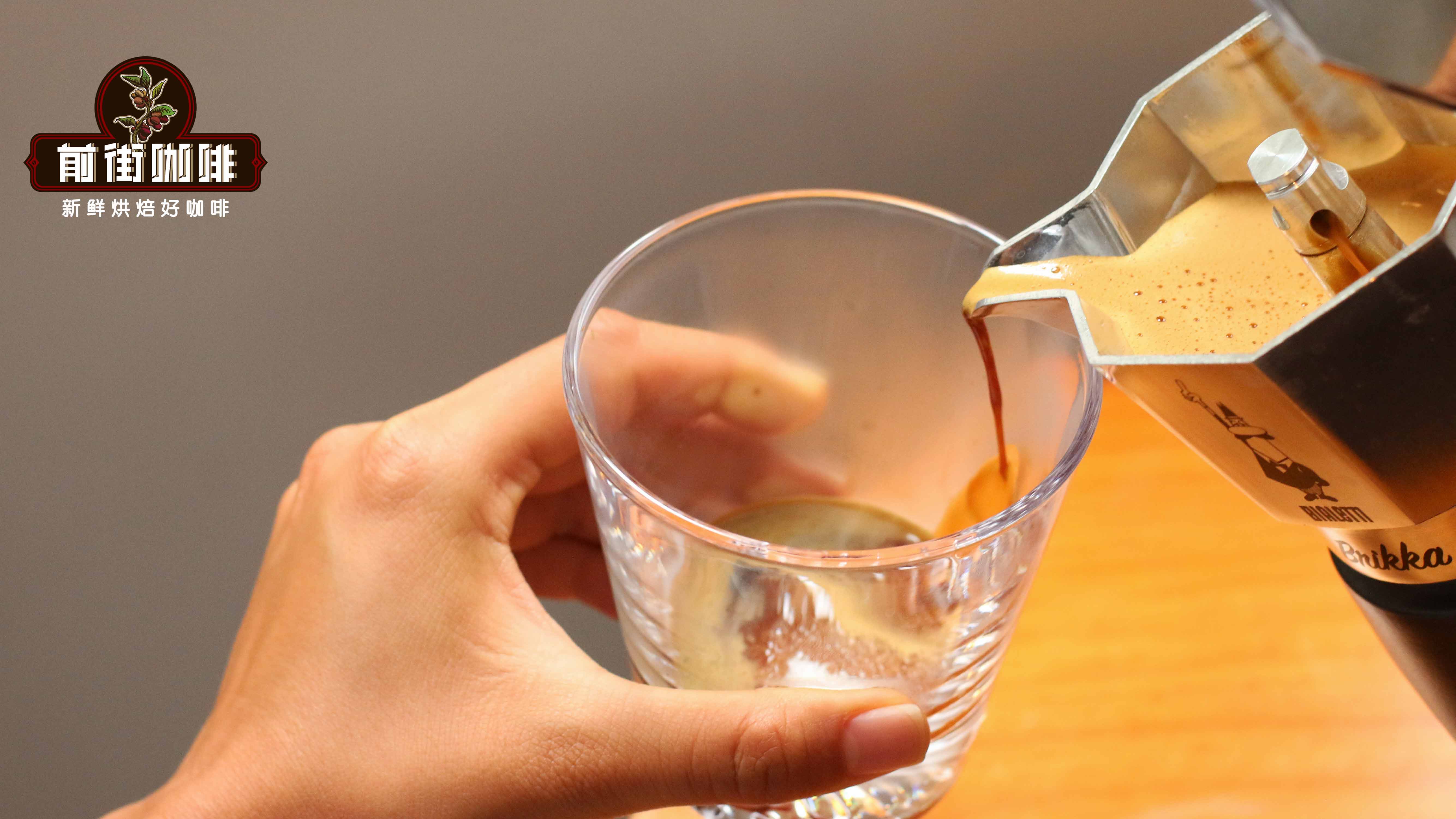
Moka Pot Coffee Beginner's Guide: Working Principles, Suitable Bean Types, and Analysis of Blends vs. SOE Choices
As a classic home coffee device, the moka pot is favored by many coffee enthusiasts for its simple operation and rich output. It consists of a lower chamber, a filter basket, and an upper chamber, using steam pressure to push hot water through the coffee grounds to extract a highly concentrated coffee liquid. Because the moka pot operates at a relatively high temperature and with 1 to 2 bar of pressure during extraction, it has certain requirements for the roast level and flavor direction of the coffee beans. This article will explain the moka pot's working principle, the types of coffee beans suitable for pairing, and the choice between blends and SOE, and will provide specific product recommendations from Front Street Coffee for beginner and advanced needs, helping readers use the moka pot more efficiently to make their ideal coffee. [more…]
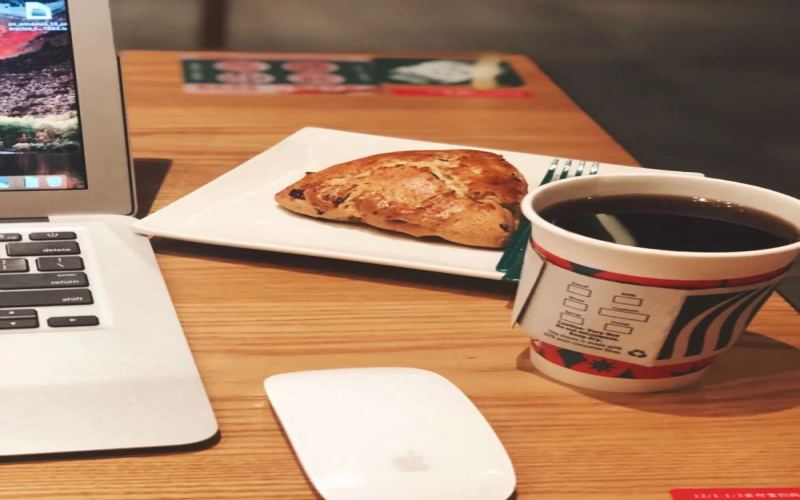
A Complete Guide to Starbucks Coffee Brewing Methods: Espresso, Drip, Cold Brew, and Pour-Over — How Each Is Made and What It Tastes Like
The relatively consistent quality of Starbucks stores worldwide is inseparable from its standardized coffee-making methods. Currently, coffee products in Starbucks stores mainly rely on four brewing processes: fully automatic espresso machines, coffee drip machines, cold water immersion extraction, and pour-over with filter cup and paper. Each method differs in grind size, water temperature control, extraction pressure, and time, and the resulting flavors also have different emphases. This article will examine these four processes one by one, analyze the characteristics of each, and recommend coffee categories worth trying based on Starbucks' menu structure. For coffee lovers who prefer a rich mouthfeel or pursue a crisp flavor, understanding these brewing principles can help them more precisely find the cup that suits them. [more…]
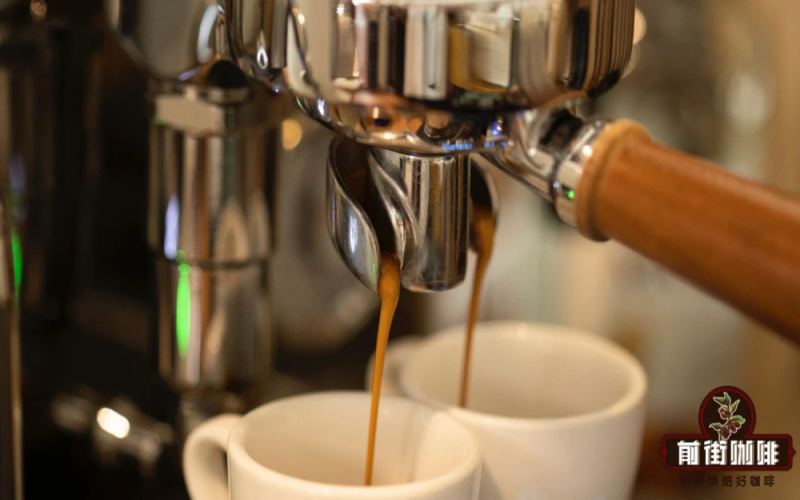
The Complete Moka Pot Brewing Guide: Roast Level Selection, Front Street Coffee Bean Recommendations, and Step-by-Step Instructions
Although the moka pot has a plain appearance and a friendly price, it can extract coffee flavors closest to espresso, making it the top choice appliance for many coffee beginners. But precisely because of its high water temperature, fine grind size, and high concentration, the characteristics of the coffee beans themselves are noticeably amplified—light roasts tend to be sharply acidic, while overly dark roasts easily show burnt bitterness. To achieve a balanced, full-bodied cup with oils, fresh beans of medium or medium-dark roast are more suitable. This article revolves around the bean selection logic for the moka pot; besides explaining the importance of roast level and freshness, it also compiles a list of several single-origin and blended beans from Front Street Coffee suitable for the moka pot, along with a complete brewing procedure, to help you consistently recreate a delicious cup of moka pot coffee at home. [more…]