







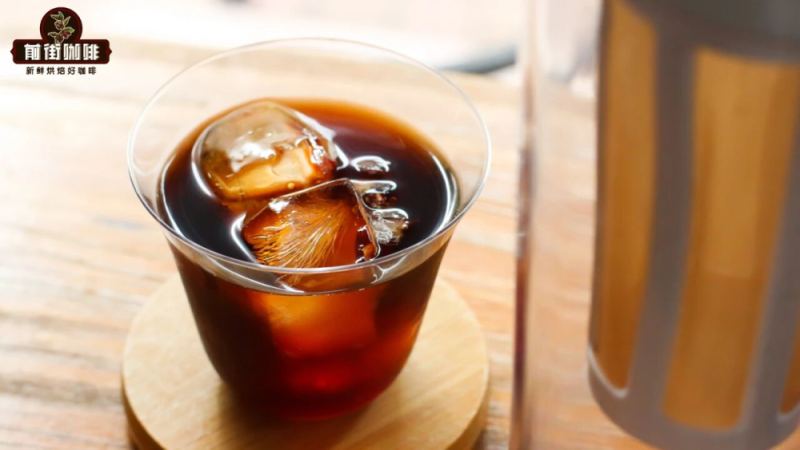
Does Mixing Coffee Wrong Make Cold Brew Salty?
Salty, overpowering cold brew is almost always a parameter problem, not a bean problem. Four variables decide the cup: water temperature, grind size, steeping time and the coffee-to-water ratio. When grounds and water go together without measuring, extraction runs too far and the result reads harsh, salty and close to soy sauce. Measure ratio and grind before mixing coffee for cold brew.
Cold brew is among the least labor-intensive coffee brewing methods: mix grounds and water, steep overnight in the fridge, then filter. Bean choice still shapes the outcome. Honey and anaerobic lots bring fruity, wine-like notes after long low-temperature extraction, while PWN Golden Mandheling stays full-bodied with low acidity. Production figures from Front Street give a starting point for dialing in ratio and grind.
Cold brew coffee seems like it only requires mixing coffee grounds and water, then letting it steep in the fridge, a simple process, but in practice quite a few people mess it up. Some end up with a cold brew that's salty and overpowering, tasting like soy sauce, and the problem usually lies in the parameters. Water temperature, grind size, time, and ratio are the four major variables that determine flavor. This article starts from a typical case of a failed cold brew, breaks down the causes of saltiness and excessive strength item by item, and provides Front Street's recommendations for coffee-to-water ratio, grind sieve pass rate, and steeping time in actual production, to help you consistently make a smooth, delicious pot of cold brew coffee.
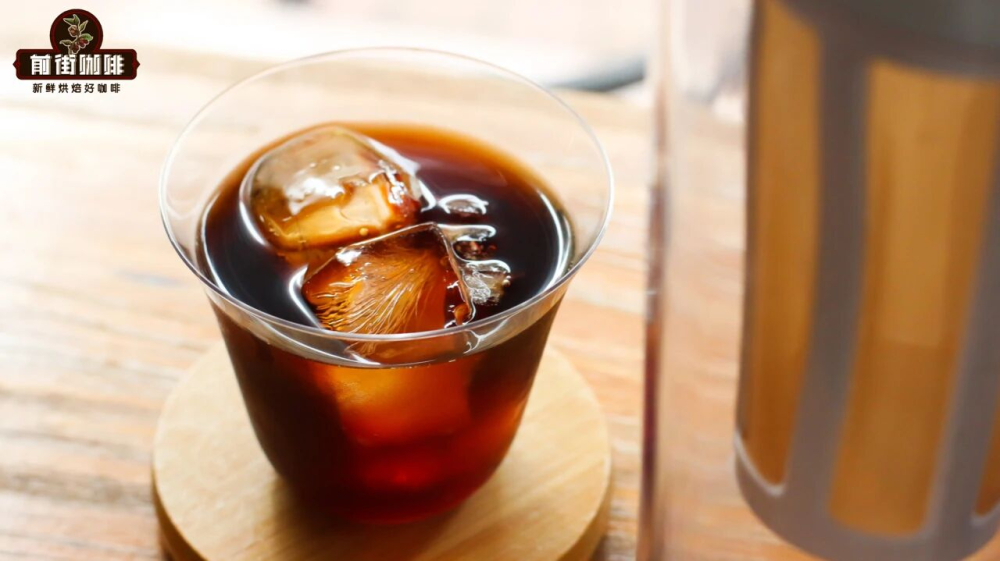
Among all coffee brewing methods, cold brew is probably the least labor-intensive. The logic is very simple: mix coffee grounds and water in a certain ratio, put it in the fridge to steep overnight, and the next day filter out the grounds and it's ready to drink.
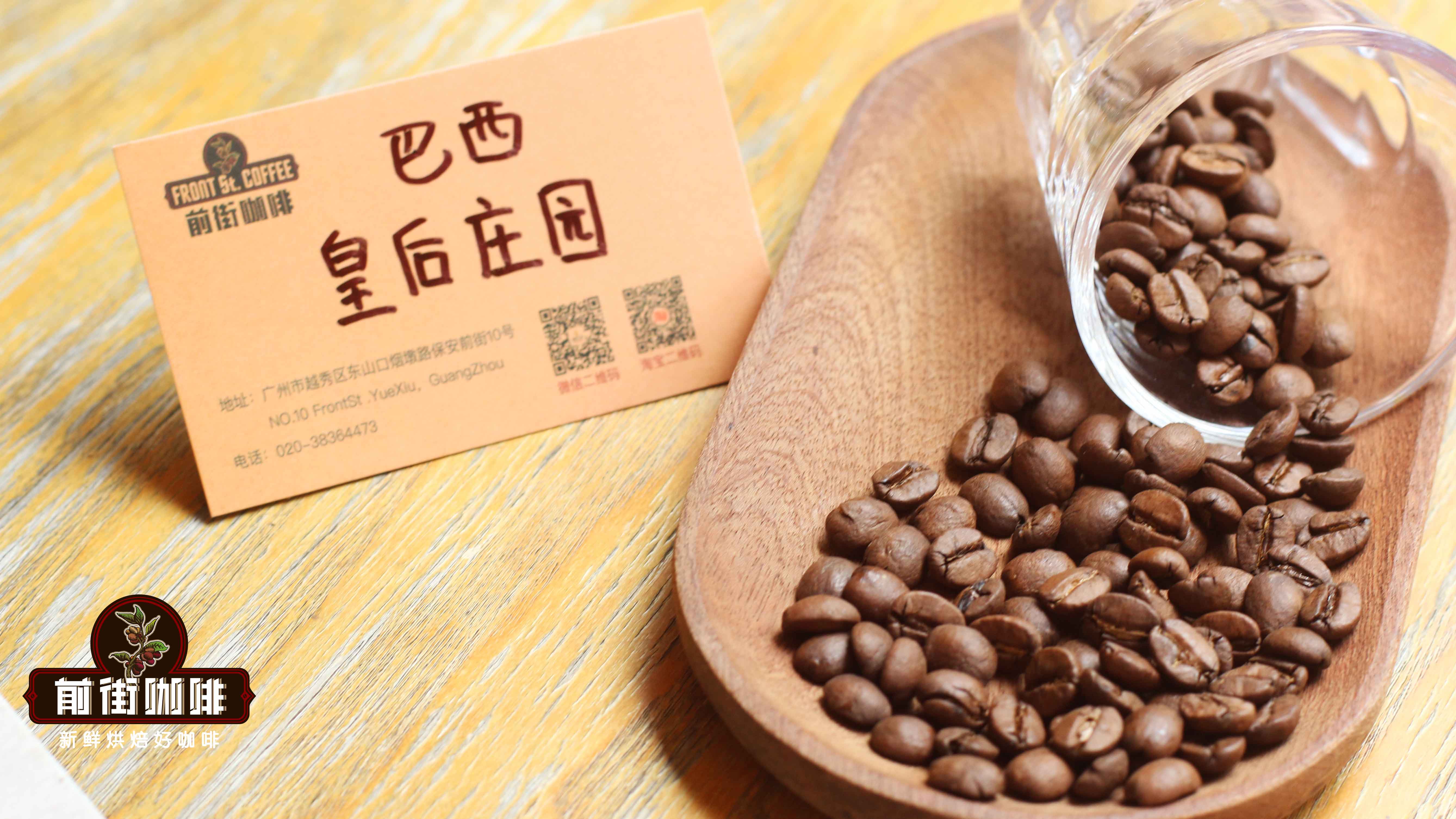
As long as you choose the right beans, cold brew output usually won't be bad. When buying, just pick according to your taste preferences and budget. Beginners new to cold brew can start with the cost-effective Front Street Huakui and Front Street Fruit Dingding, experiencing distinct floral layers without spending much;
If you prefer iced coffee with a fruity wine character, Front Street Strawberry Candy, Front Street Blackberry, and Front Street Mozart are good directions. These beans, processed with honey or anaerobic fermentation, inherently carry rich tropical fruit notes, and after long low-temperature extraction, easily present a wine-like texture;
Of course, those who completely reject acidity also have options. The full-bodied, aromatic Front Street PWN Golden Mandheling and the nutty, balanced Front Street Queen's Estate are both safe choices.
However, a simple process doesn't mean it's easy to do well. For beginners, the failure rate is actually not low. A while ago, a customer consulted Front Street when buying beans, saying his cold brew tasted salty and particularly strong, almost like soy sauce, and wanted to know what went wrong.
Front Street has mentioned many times in past shares that, excluding bean quality issues, a bad cup of coffee is mostly due to incorrect parameters.
Water temperature, grind size, time, and ratio—these four variables determine the final taste of a cup of coffee. No matter what type of coffee you're making, if the output is unsatisfactory, you should first look for the cause among these four. But the difficulty lies in how to determine which parameter is the problem?
The method is actually not complicated—use your tongue to work backwards.
First, let's look at why cold brew can be salty and heavy like soy sauce. The friend mentioned earlier encountered a situation where the taste was salty and the concentration was very high. Assuming the beans are of good quality, coffee that is both salty and heavy indicates that both extraction yield and concentration are in a rather extreme state.
Saltiness is only slightly easier to perceive than umami among the five basic tastes, because various tastes suppress each other. When bean quality and extraction are normal, saltiness is masked by sweetness and bitterness. But once the extraction yield is low, sweet and bitter substances are insufficiently dissolved and cannot suppress the saltiness, then saltiness and acidity—two flavors that dissolve easily first—get amplified, resulting in sharp acidity and astringent saltiness.
Those who pay attention to details should have noticed that Front Street always emphasizes one premise—the beans are of good quality. If the beans themselves aren't good enough, such as mixed with unripe beans, insect-damaged beans, or other defective beans not cleaned during harvest, or if the growing environment is poor and the fruit ripening period is too short, these can all cause coffee to taste salty, because these beans never accumulated enough sugar from the start.
Insufficient sugar means subsequent processing and roasting stages naturally cannot develop sufficiently rich aroma and flavor. Using such poor-quality or defective bean-containing coffee to make cold brew, obvious saltiness is almost inevitable. So finding a reliable purchasing channel is key, such as Front Street Coffee.
Another situation is beans stored for too long. Dark roast beans especially need attention—once oil appears on the surface, combined with improper storage or prolonged sitting, the oil will oxidize and deteriorate. Using such beans for cold brew also easily produces salty, heavy coffee.
Having discussed saltiness, let's talk about heaviness. Heaviness simply means the taste is too strong. The reason is not hard to understand: the coffee-to-water ratio during brewing is too high, so all extracted soluble substances are crammed into limited liquid, naturally pushing up concentration.
And excessively high concentration itself can also induce saltiness. When flavors are too concentrated, taste buds struggle to distinguish various flavors in detail, and can only mix the perceived tastes and send them to the brain as a whole; this mixed taste signal easily manifests as salty.
How to improve this situation?
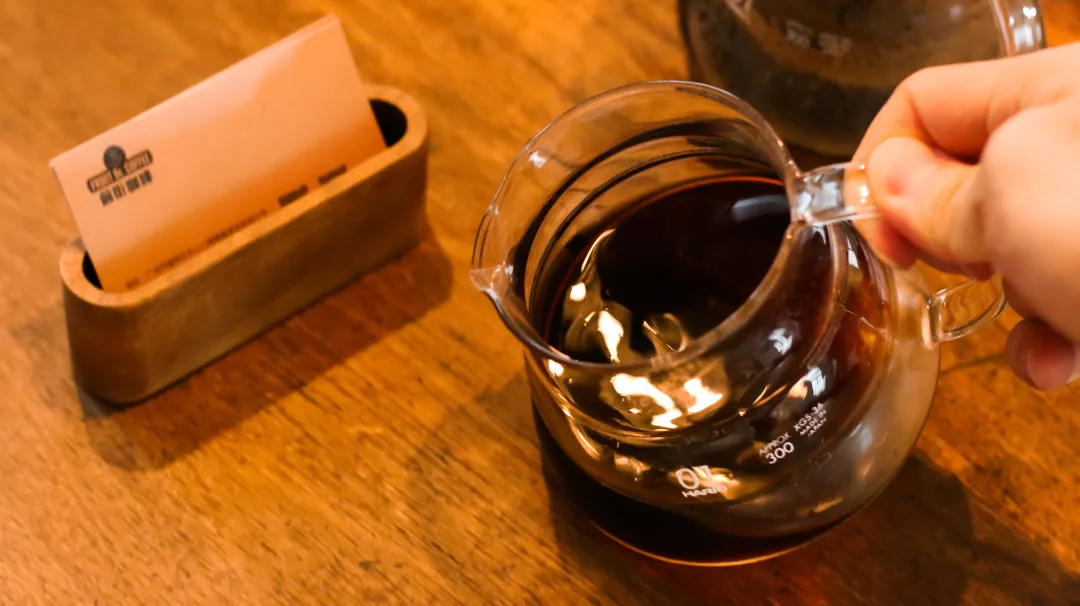
If the coffee is already made, high concentration is easy to handle—just add ice or water to dilute. If after dilution the saltiness disappears, then the problem was indeed concentration. If you haven't started making it yet, then directly adjust the coffee-to-water ratio.
Taking Front Street's approach as an example, the ratio is set based on whether ice is added: if ice is needed, use a coffee-to-water ratio of 1:10; if drinking directly without ice, use 1:12.
Other parameters also cannot be ignored. If saltiness persists after adding water to dilute, then it's not a concentration issue but more likely under-extraction, and you need to go back and check grind size and steeping time.
Grind size setting mainly depends on the bean's roast level. Medium-light roasted beans with prominent fruity notes, such as Front Street Ethiopia Hamashu, should have a grind controlled at 75%~80% passing through a No. 20 sieve; medium-dark roasted beans with caramel-chocolate notes, such as Front Street Sumatra·Front Street PWN Golden Mandheling, should be ground coarser, at 70%~75% passing through a No. 20 sieve. Overall, just reference the grind standard for pour-over coffee.
As for steeping time, cold brew doesn't need overly precise control; 8~12 hours of refrigeration is sufficient. After filtering, Front Street recommends putting the coffee liquid into a sealed bottle and letting it ferment for a few more hours, which makes the aroma more concentrated and intense.

Following this set of parameters, you can basically consistently make a pot of smooth, balanced cold brew coffee. Why not give it a try and see if the output improves noticeably.
The above content is compiled by CoffeeHunters, a coffee news website.


