







What factors shape the flavor of cold brew coffee?
Cold brew coffee has grown in the specialty scene for its concentrated aromatics and crisp, refreshing mouthfeel, especially served ice-cold. The basic setup has three parts: ice water on top, coffee grounds in the middle, a carafe below. Water drips through the coffee bed for about six hours, and although the process looks simple, several details decide how the final cup tastes.
Five factors matter: bean selection, grind size, drip speed, coffee-to-water ratio, and drinking method. Recommended parameters include a specific grind passing rate, a rhythm of 7 drops per 10 seconds, and a rich 1:10 ratio. Light-roasted beans are common for ice drop coffee because fruity acidity and sweetness appeal at low temperatures, as do beans with prominent flavors. The article counts seven steps to make coffee in this style.
Cold brew coffee has become increasingly popular in the specialty coffee scene in recent years, thanks to its rich flavor and refreshing taste. Making a good cold brew at home is actually not complicated—put ice water on top, coffee grounds in the middle, and a carafe at the bottom to collect the coffee, letting the ice water drip through the coffee bed one drop at a time. Extraction takes about six hours. However, this seemingly simple process hides many details that affect flavor. Front Street breaks down five key factors one by one—from bean selection, grind size, drip speed, and coffee-to-water ratio to drinking method—and provides specific parameter recommendations, such as grind passing rate, a rhythm of 7 drops per 10 seconds, and a rich 1:10 ratio, helping coffee enthusiasts consistently replicate their ideal cold brew flavor.
Cold brew coffee is a specialty coffee style that has gained considerable popularity in recent years. It has concentrated aromatics and a crisp mouthfeel, and is especially refreshing when served ice-cold. So how do you make a satisfying cup of cold brew coffee?
The Basic Process of Making Cold Brew Coffee
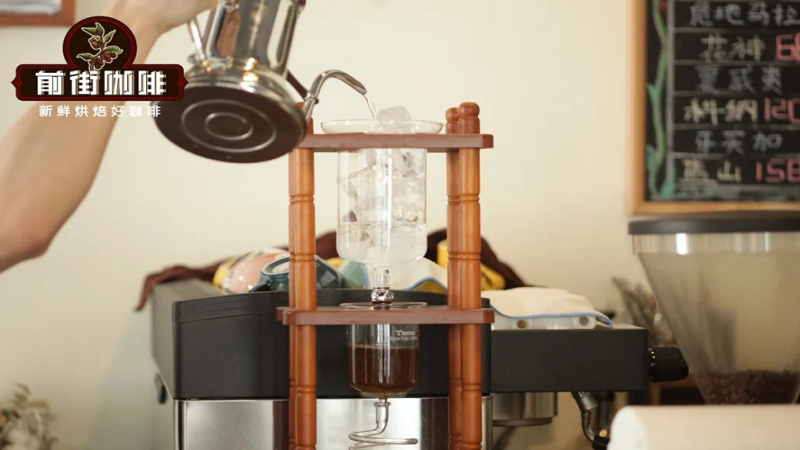
A cold brew setup usually consists of three parts: the top holds ice water, the middle holds coffee grounds, and the bottom collects the dripping coffee.
So the steps for making cold brew coffee are not complicated: pour ice water into the top, add coffee grounds in the middle, then let the ice water pass through the coffee bed drop by drop. The entire extraction process lasts about six hours. However, in this seemingly simple process, there are still many details that directly affect the quality of the coffee's flavor. Below, Front Street explains them one by one.
Factor One | Coffee Bean Selection
Coffee beans are the primary factor determining the flavor direction of cold brew, and different beans can produce wildly different results. Therefore, choosing the right beans is a key step in making good cold brew coffee. Generally speaking, light-roasted coffee beans are more commonly used for cold brew, because fruity acidity and sweetness become more appealing at low temperatures. In addition, beans with prominent, distinctive flavors are also very suitable for cold brew, such as Front Street Honduras Sherry coffee beans, Front Street Costa Rica Giant Blueberry, Front Street Musician Series, Front Street Colombia Rose Valley, and Front Street Flower Moon Night.
Factor Two | Grind Size
There are two key points to keep in mind for how coarse or fine to grind the coffee. If it's too coarse, the coffee bed offers less resistance, and water flows more easily straight into the lower carafe. Since cold water itself has low extraction efficiency, the result is coffee that tastes weak and lacks body. Conversely, grinding too fine is also problematic—increased resistance leads to clogging and pooling, and with a longer steeping time, bitterness will emerge.
So Front Street recommends a grind size with 80% to 85% passing through a No. 20 standard sieve. For a richer mouthfeel, choose 85% passing rate; for a lighter, more refreshing cup, choose 80% passing rate.
Factor Three | Drip Speed
This is somewhat similar to the pouring rhythm in pour-over coffee. Some people prefer one drop per second, while others are used to one drop every two seconds. Different drip speeds directly result in different total extraction times: the slower the drip, the longer it takes; the faster the drip, the sooner it's done. Front Street's commonly used drip speed is 7 drops per 10 seconds, which you can also use as a reference.
Factor Four | Cold Brew Ratio
The coffee-to-water ratio is equally important, and the key is to find a balance between concentration and extraction yield. When making cold brew coffee, Front Street uses 60 grams of coffee grounds to extract 600 milliliters of coffee, which is a 1:10 coffee-to-water ratio. Based on Front Street's 200-milliliter serving size for cold brew, one batch only yields three cups.
Of course, 1:10 is on the richer end. Generally, the coffee-to-water ratio for cold brew coffee is around 1:12 to 1:14.
Factor Five | Drinking Method
Freshly dripped cold brew coffee can actually be drunk right away, but Front Street recommends refrigerating it for 12 hours before drinking so the flavor reaches its best state.
For example, the cold brew coffee Front Street makes at a 1:10 ratio is very concentrated. When drinking, add 40 grams of ice cubes to 200 milliliters of coffee, which both dilutes the concentration and keeps it ice-cold.
The above content is compiled by CoffeeHunters, a coffee news website.


