








What Makes Americano Coffee Taste Bold or Fruity?
American coffee is simply espresso plus hot water, which is why the bean choice has such a strong effect on the final cup. Medium-dark roasts are the practical starting point: too light and the drink tastes sour, too dark and bitterness takes over. For richer flavor, blended beans hold up better and extract more consistently.
Brewing hot and iced versions calls for different ratios. Cold water and ice dilute the espresso further, so a shorter water-to-espresso ratio keeps the flavor from thinning out. Because americano coffee contains no milk or sugar, it falls under black coffee and shows the roasted bean's original character most clearly.
American coffee may seem simple, consisting only of espresso and water, yet it best showcases a barista's technical skill and best allows one to perceive the original flavors of the coffee beans. From the perspective of Front Street Coffee, this article first clarifies the differences between espresso, American coffee, pour-over, and black coffee, then explains how to choose coffee beans when making American coffee—whether you prefer a rich, bold profile or a fruity, refreshing one—recommending Front Street Classic Espresso Blend, Front Street Specialty Blend, Front Street Commercial Blend, and Front Street Strawberry Candy Espresso Beans. It then shares in detail the specific extraction parameters and water-to-coffee ratios for hot and iced American coffee, and compares the differences in aroma and mouthfeel between the two, providing a practical brewing reference for coffee enthusiasts.

American coffee falls under the category of black coffee. Since no milk, sugar, or any other additives are included, it allows you to better taste the coffee's original flavors. Front Street believes that when selecting coffee beans for making American coffee, it is best to choose medium-dark roast varieties. The reason is that a roast that is too light tends to make the American coffee sour, while a roast that is too dark brings out an obvious bitterness.
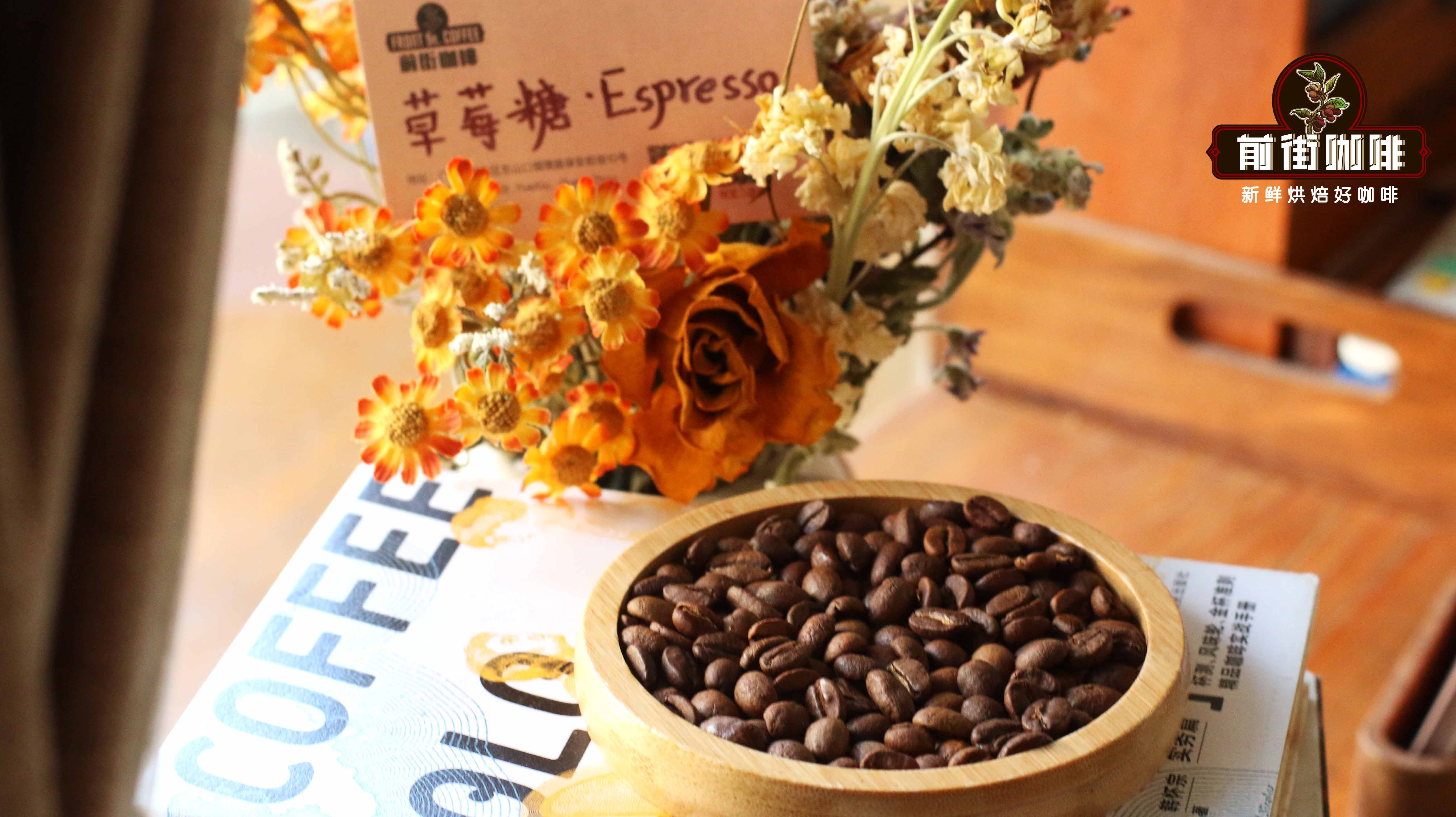
If you want to make a delicious American coffee at home, Front Street recommends using blended coffee beans—this not only fully showcases the flavors but also helps maintain extraction stability. If you prefer a rich, bold direction, consider Front Street Classic Espresso Blend, Front Street Specialty Blend, or Front Street Commercial Blend; if you lean toward a fruity, refreshing style, Front Street Strawberry Candy Espresso Beans are recommended.
This article is an American coffee brewing tutorial brought to you by FrontStreet Coffee. Before we begin, let's clarify a few basic concepts: what exactly do espresso, American coffee, pour-over, and black coffee refer to?
Espresso refers to the concentrated liquid extracted through an espresso machine. In most cases, the concentrated liquid is not served directly—though occasionally a customer may order an espresso for a quick pick-me-up or a strong flavor, but this is not common. Espresso is typically brewed at a 1:2 ratio, and its concentration and taste can be well imagined.
Adding water to espresso gives us what we commonly call American coffee. If different ratios of milk or milk foam are added instead, it becomes a latte or cappuccino—what is known as milk coffee. Both American coffee and pour-over are classified as black coffee. The difference is that American coffee is made by diluting espresso with water directly, while pour-over is brewed from coffee grounds using pour-over equipment—no espresso machine is needed, and there is no dilution step. Now let's discuss American coffee in detail.
Following FrontStreet Coffee's sharing, we can understand that coffee has undergone three waves of development: the first wave represented by instant coffee, the second wave represented by espresso-based drinks, and the third wave being today's popular specialty coffee. Although we are currently in the third wave of specialty coffee—and there is even talk of a fourth wave—espresso still holds an important position. Making espresso is a fundamental skill every barista must master, and almost every café serves espresso-based drinks. What is commonly called espresso refers to a series of beverages made with espresso as the base, including American coffee, latte, cappuccino, and more.
How is American coffee made?
American coffee can be said to be the simplest espresso-based drink, because it consists of only two parts—espresso and water—with iced American coffee adding ice cubes on top. But don't let its simplicity make you complacent: the more basic the element, the more it tests your skill, and American coffee often best reveals a barista's level of espresso extraction.
Compared with milk coffees like lattes, American coffee lacks the interference of milk on the flavor, so it best brings out the coffee beans' original taste. Many barista friends order American coffee when visiting other cafés—on one hand for its convenience and speed, and on the other to gauge the quality of the establishment's output.
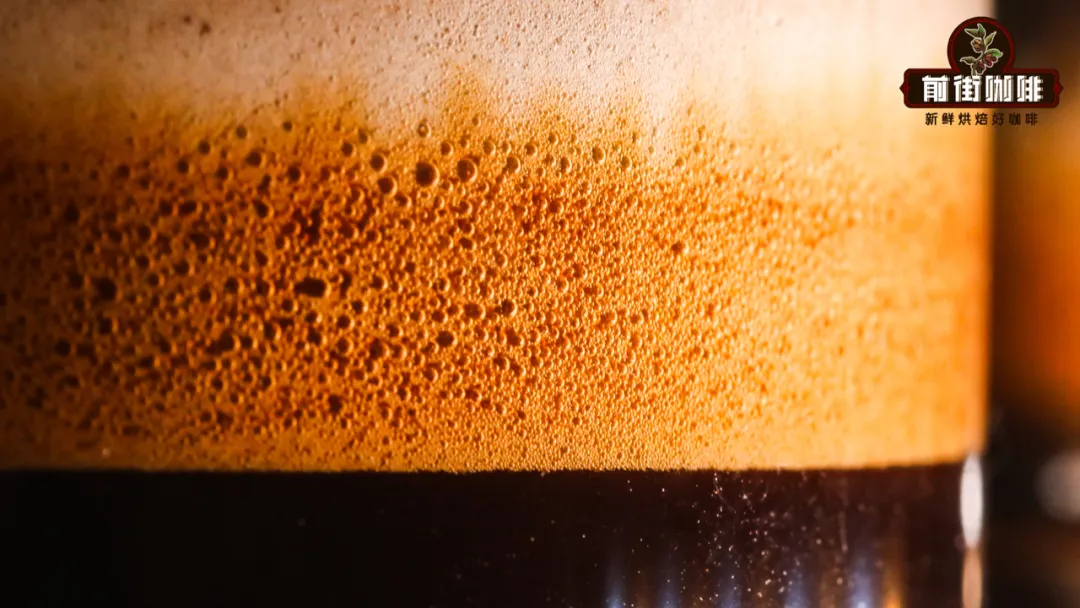
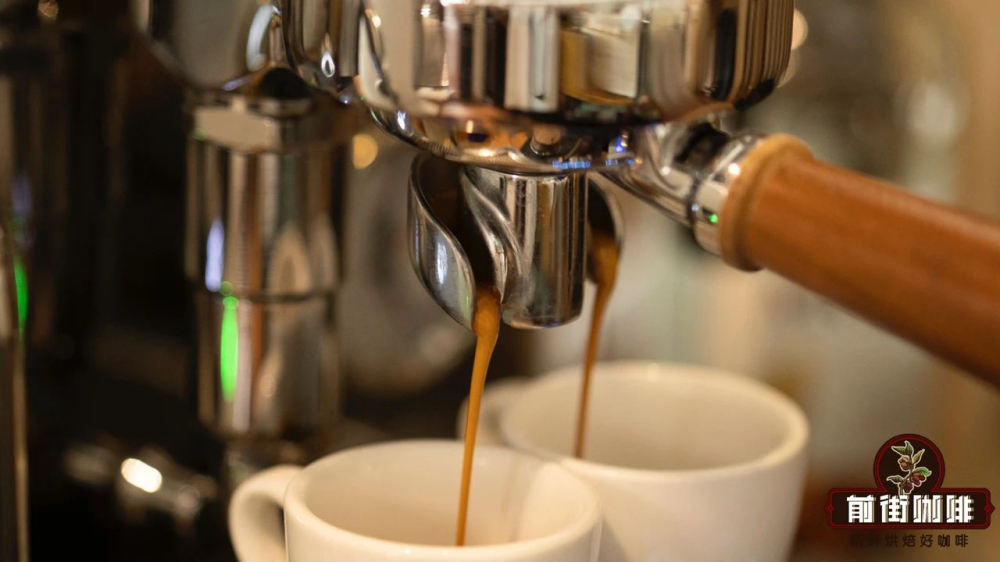
Back to the point: as mentioned earlier, American coffee is simple to make, consisting of only water and espresso, so you just need to pour the espresso into the water. The espresso portion needs to be extracted according to the characteristics of the beans, and different beans correspond to different extraction parameters. For example, FrontStreet Coffee's stores use a Warm Sun Blend, and baristas adjust it daily based on the beans' condition. To highlight the vanilla cream flavor, they use 20 grams of coffee beans, extract 40 grams of coffee liquid, and control the time to 27 to 28 seconds.
When making hot American coffee, first preheat the cup with hot water, then pour in hot water, and finally pour in the extracted espresso. The ratio for American coffee is typically between 1:6 and 1:8. After multiple rounds of testing, FrontStreet Coffee chose a 1:6 ratio, meaning 40 grams of coffee liquid to 240 grams of hot water.
Similarly, when making iced American coffee, first pre-chill the cup with ice cubes, then pour in water, and finally pour in the espresso. Because ice cubes are added, FrontStreet Coffee's iced American coffee uses a 1:7 ratio—40 grams of coffee liquid to 280 grams of ice-water mixture, consisting of 180 grams of ice cubes and 100 grams of water.
The taste difference between hot American coffee and iced American coffee
Making American coffee is actually very simple—just dilute the extracted espresso with water in a certain ratio. The choice between hot and iced American coffee depends not only on personal preference but perhaps, like pour-over coffee, offers different experiences at different temperatures. Human senses perceive taste differently at different temperatures, so the advantage of hot coffee is being able to experience the flavor changes as the coffee goes from hot to cold. As the temperature drops, the tongue's perception of bitterness and sweetness diminishes, while it becomes more sensitive to acidity. At the same time, quinic acid in the coffee degrades into quinic acid lactone, so cooled coffee tastes more sour.
Through Front Street's comparison, hot American coffee presents distinct notes of dark cocoa and cream—because at higher temperatures, aromas are more active in the air and easier for us to perceive. Iced American coffee, on the other hand, drinks more refreshingly, leaning overall toward dark cocoa flavors with a crisp acidity—balanced and richly aromatic.
The above content is compiled by CoffeeHunters, a coffee news website.


