








Which Beans Work Well in a Moka Pot?
A moka pot brews coffee that comes closest to espresso among stovetop methods, and it performs well with medium or medium-dark roasted beans that are still fresh. Light roasts turn sharply acidic under its high water temperature and fine grind, while very dark roasts push bitter, burnt notes forward.
Freshness is the other variable worth checking: beans stored more than two months lose most of their aromatic compounds, so crema and flavor both drop off. Front Street Coffee's guide covers roast level and freshness alongside a list of single-origin and blended beans suited to the moka pot. How long does it take a moka pot to brew depends largely on grind and heat.
Although the moka pot has a plain appearance and a friendly price, it can extract coffee flavors closest to espresso, making it the first choice for many coffee beginners. However, because of its high water temperature, fine grind size, and strong concentration, the characteristics of the coffee beans themselves are noticeably amplified—light roasts tend to be sharply acidic, while overly dark roasts easily show bitter, burnt notes. To achieve a balanced, rich cup with crema, fresh beans at a medium or medium-dark roast level are more suitable. This article revolves around the bean-selection logic for moka pots. Besides explaining the importance of roast level and freshness, it also compiles a list of several single-origin and blended beans from Front Street Coffee suitable for moka pots, along with a complete brewing procedure to help you consistently recreate a delicious cup of moka pot coffee at home.

In terms of appearance design, professional espresso machines look imposing, but their prices are often prohibitive; the moka pot takes a minimalist approach, with a compact size corresponding to a friendlier price—the two styles are quite different. However, in terms of the final cup performance, the flavor direction of coffee brewed in a moka pot is closest to espresso among all extraction methods, which is the core reason it attracts a large number of beginners to try and study it at home.
When a moka pot operates, the water temperature is relatively high, and the coffee grounds used are relatively fine, so the extracted liquid is naturally more concentrated. As a result, the characteristics of the coffee beans themselves are easily amplified—lightly roasted beans show sharp acidity, while overly dark-roasted beans tend to bring out bitter, burnt notes. If you want a coordinated, full-bodied cup with crema floating on the surface, choosing medium-roasted or medium-dark-roasted coffee beans that are still fresh is the more reliable direction.
Beyond roast level, the freshness of the beans also cannot be ignored. After coffee beans have been stored for more than two months, those precious aromatic compounds have basically dissipated. Using such beans to make moka pot coffee, you will hardly see any crema, and the flavor performance is greatly reduced. So there is only one key action: confirm that the coffee beans in your hands are freshly roasted.

All beans from Front Street Coffee are shipped within 5 days after roasting is completed, with stable and reliable quality and quite competitive pricing. Orders are shipped within 24 hours after placement, so when they arrive the coffee beans are still in an extremely fresh state, and the flavor window is naturally longer.
Below is a list of popular medium-dark roasted beans suitable for moka pots:
Single-Origin Coffee Beans Suitable for Moka Pots
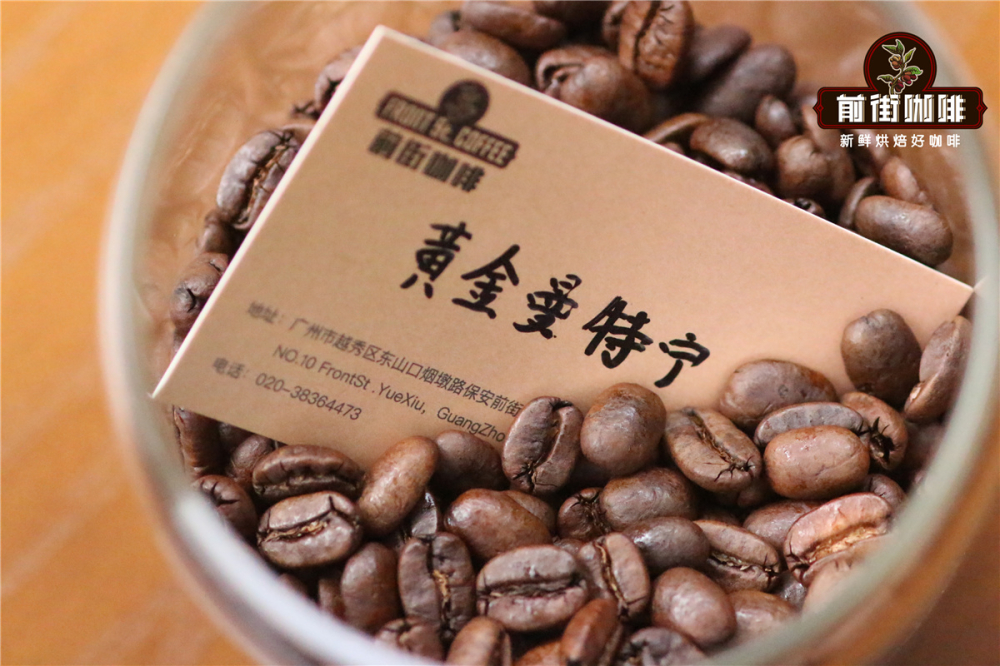
① Front Street Coffee. Front Street PWN Golden Mandheling
Recommendation Index: ★★★★★
Recommended Reason: The classic choice for experiencing high-grade Mandheling, with aromatic layers of dark chocolate, caramel, spices, herbs, and pine in the cup, and rich crema.
② Front Street Coffee. Brazil Queen Estate
Recommendation Index: ★★★★☆
Recommended Reason: Prominent nutty aromas, with flavors pointing to chocolate, cream, cocoa, and cane sugar, soft acidity, and delicate crema texture.
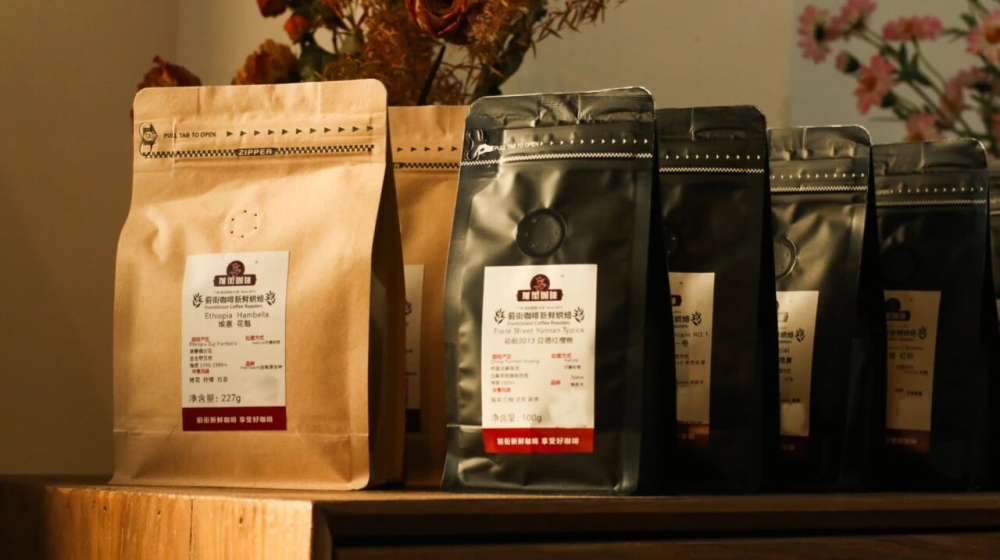
③ Front Street Coffee. Colombia Huila
Recommendation Index: ★★★★☆
Recommended Reason: The aroma of unsweetened chocolate is rich and full, with thick crema, and it can also handle Americano and milk coffee preparation.
Espresso Blends Suitable for Moka Pots
Moka Pot Coffee Bean Recommendation One: Front Street Coffee. Classic Espresso Blend
Recommendation Index: ★★★★★
Coffee Characteristics: This bean combines the flavor base of Mandheling, abundant crema, and nutty aromas. The recipe consists of Indonesian Mandheling coffee beans, Brazilian semi-washed coffee beans, and Vietnamese washed coffee beans. It has rich crema and presents flavors of nuts, dark chocolate, and caramel when made into Americano or latte. It is suitable for both home moka pots and espresso machines.
Moka Pot Coffee Bean Recommendation Two: Front Street Coffee. Basic Espresso Blend
Recommendation Index: ★★★★☆
Coffee Characteristics: A slightly acidic and full-bodied espresso bean. It is made from Yunnan washed small-bean coffee and Brazilian semi-washed coffee. The flavor shows soft fruity acidity, caramel, and nuts. It is affordable, generous in quantity, and offers very high value for money.
Moka Pot Coffee Bean Recommendation Three: Front Street Coffee. Commercial Espresso Blend
Recommendation Index: ★★★★☆
Coffee Characteristics: An espresso bean focused on body. It consists of washed Robusta coffee beans, washed Colombian coffee beans, and Brazilian semi-washed coffee beans. It presents flavors of nuts, cocoa, and caramel, with dense crema and high body. It can be used for both daily home use and cafe output.
Making a Delicious Cup of Moka Pot Coffee
First, pour cold water into the lower chamber of the moka pot (hot water will scald your hands), then place the filter basket into the lower chamber. Cup your hand around the basket and add grounds until they form a small mound slightly raised in the middle. Once the gaps around the edges are also filled with grounds, directly put the upper chamber on and tighten it.
Then place the pot on an electric ceramic stove to heat (a gas stove also works). When you hear a "whooshing" sound, it means the coffee liquid has begun to surge upward. At this point, turn off the heat directly and wait for all the liquid to rise.
Freshly brewed moka pot coffee will be covered with a layer of golden crema on the surface. When drinking, you can dilute it with hot water or milk in a certain ratio.
The above content is compiled by CoffeeHunters, a coffee news website.


