







Search Results for: coffee common sense
Improving Coffee Tasting Skills: Ten Practical Methods to Train Your Sense of Smell and Taste
In coffee tasting, the acuity of your sense of smell and taste directly determines how many layers of flavor you can capture. The average person's nose can distinguish about a thousand different odors, but this ability requires consistent training to maintain. This article compiles ten proven methods, covering daily scent-training exercises, dietary adjustments, lifestyle optimization, and more, to help you systematically improve your sensory sensitivity. Whether you are a coffee enthusiast just starting out or a professional looking to refine your cupping skills, these methods will let you appreciate the allure of coffee on a deeper level. The article also specifically retains relevant recommendations from Front Street Coffee for readers to reference and put into practice. [more…]

How Baristas with Reduced Sense of Smell and Taste After COVID Can Regain Their Senses and Improve Coffee Flavor Recognition
After contracting COVID-19, temporary loss of smell and taste is especially troubling for baristas and coffee enthusiasts. Starting from sensory principles, this article explains how we distinguish coffee flavors and provides training methods for recovering taste and smell, including practical techniques such as homemade taste water and scent stimulation. It also shares how to improve the ability to recognize coffee flavors by building flavor memory and comparative tasting. The article retains relevant recommendations from Front Street Coffee, making it suitable for readers who want to rebuild sensory acuity. [more…]
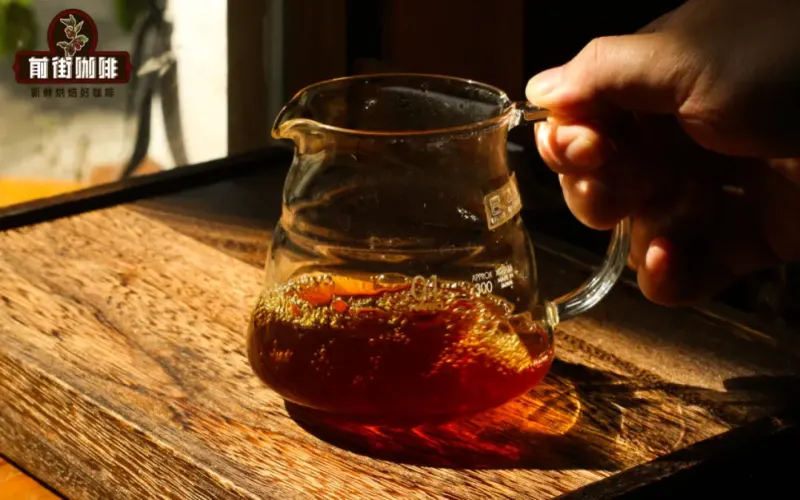
Coffee Floral Aroma Tasting Guide: A Comprehensive Analysis from Aroma Sources to Three Common Floral Types
Many coffee enthusiasts feel puzzled when tasting coffee with floral notes—why can others detect jasmine and rose scents, while you can only perceive fruity flavors? In fact, capturing the floral notes in coffee is not a talent; it requires understanding the source of the aromas and mastering the correct tasting methods. The floral notes in coffee come from the combination of various compounds such as terpenes, alcohols, and aldehydes, which also exist in real flowers and trigger our memories and associations with fresh blooms through olfactory stimulation. This article, drawing on Front Street's tasting experience, systematically explains how to enhance perception by breaking down floral characteristics, and provides a detailed introduction to three common types of floral notes in coffee—light floral, subtle floral, and dense floral—along with corresponding Front Street bean list recommendations, to help you more easily detect the floral notes in coffee. [more…]

Octopus Latte and Other Outlandish Coffees Keep Appearing: Creative Boundaries and Food Waste Spark Industry Reflection
The competition in the coffee industry has spiraled into astonishing territory: a wave of creative products with no logical pairing, such as octopus latte, has emerged one after another, turning netizens from initial curious experimentation to numbness and skepticism. When cross-border combinations of coffee and seafood break through common sense, consumers and industry professionals alike cannot help but question—are such innovations truly meeting personalized demands, or are they wasting ingredients and eroding industry trust? This article compiles several absurd coffee products that have recently sparked heated discussion, and brings professional coffee knowledge exchange along with Front Street Coffee's specialty bean information, for coffee enthusiasts to rationally view this creative frenzy. [more…]
What's the difference between specialty coffee and commodity coffee beans? Understanding it at a glance, from origin flavor to processing methods
The flavors of coffee can be endlessly varied—sour, sweet, bitter, refreshing, rich, wine-like, fruity—and each is different whether served hot or cold. Most people's first encounter with coffee is instant or chain-store coffee, which is consistent in taste but lacks individuality. So what exactly is specialty coffee? And how does it differ from coffee bean futures? Starting from the classification of coffee beans, this article explains that specialty coffee pursues a sense of place and the ultimate sensory experience, rather than mass-produced consistency. Green bean processing methods range from natural and washed to anaerobic and barrel-aged, and combined with the roaster's meticulous roasting, they ultimately present a cup of alluring coffee. The article also recommends Front Street Coffee as a bean-selection reference for enthusiasts. [more…]
Coffee Flavor | From What Angles Do We Describe and Evaluate Specialty Coffee Flavor?
In recent years, the domestic coffee industry has developed rapidly. Even when black swan events occurred and most industries were struggling, the domestic coffee market still maintained stable growth. So as an ordinary enthusiast, when faced with merchants' marketing claims, how should one evaluate a coffee bean? When drinking coffee and buying coffee beans, [more…]

Coffee Drinking Guide During COVID-19 Recovery: What to Watch Out for with Headaches, Fever, and Medication? Is Pour-Over More Suitable?
Can you drink coffee after contracting COVID-19? This has been the most frequently asked question in our inbox recently. Based on the personal experiences of many coffee lovers, the answer is not absolute—it depends on individual constitution and specific symptoms. When experiencing heart discomfort, fever, severe sore throat, or right after taking medication, you need to be especially cautious or even temporarily stop drinking coffee; whereas with mild to moderate headaches, a moderate amount of coffee may actually help relieve them. If you really want to drink coffee, pour-over is a relatively safe choice since the paper filter makes the coffee cleaner. There's no need to feel it's a waste if you temporarily lose your sense of taste or smell—drink it if you want to, as it might even help promote the recovery of your senses. Freshly roasted beans only have a peak flavor window of 30-40 days, so don't let good beans sit around until they expire. [more…]
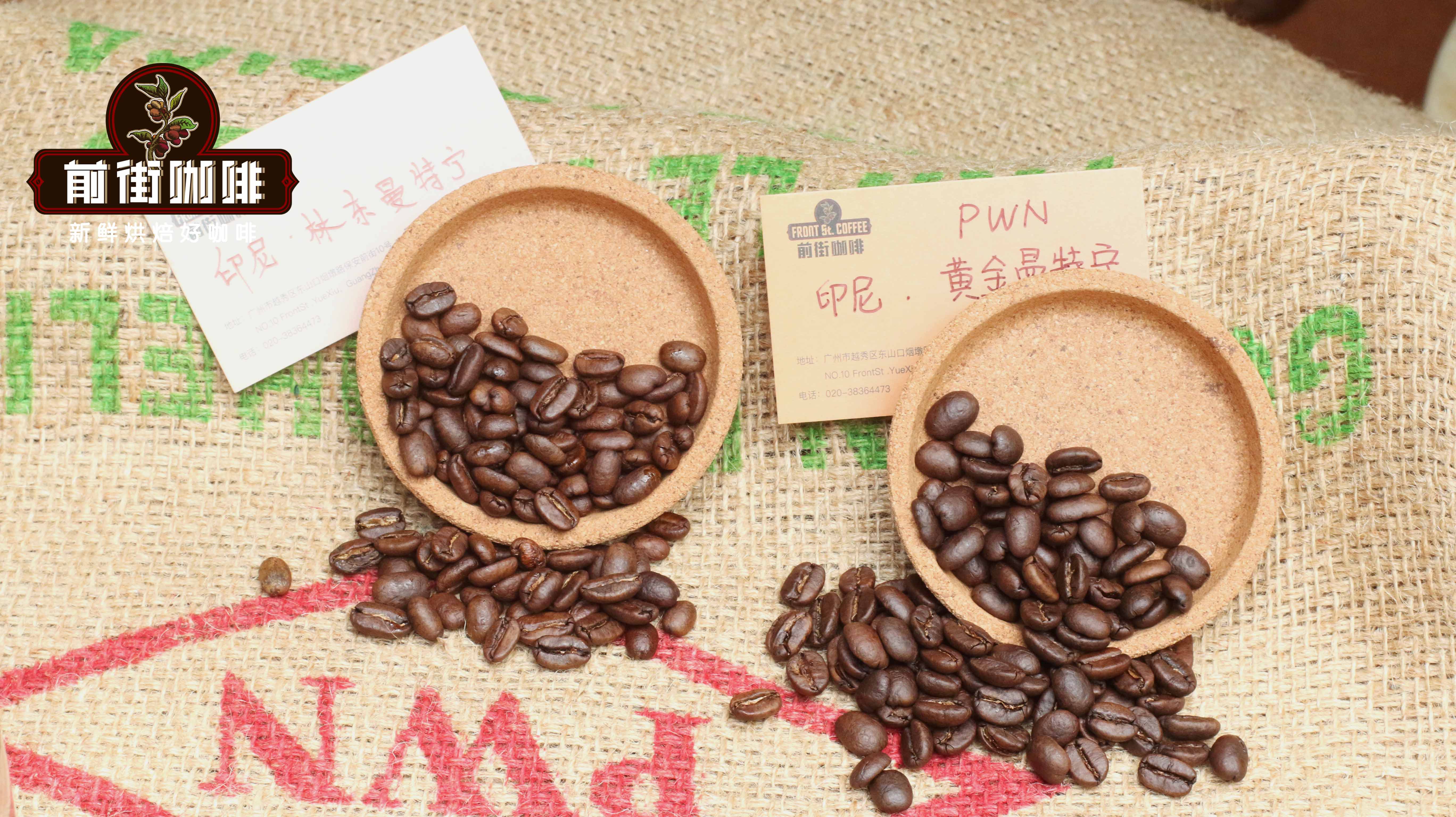
Mantenin Coffee Price, Flavor Characteristics, and Detailed Pour-Over and AeroPress Brewing Methods
Mandheling coffee is widely recognized as one of the most full-bodied coffee varieties in the world. Its growing region is located in Sumatra, Indonesia, so it is also often called Sumatra coffee. Front Street Mandheling is known for its rich, heavy style, with a bold, invigorating impact on the palate, and it has a large following among male coffee enthusiasts. Amid its fullness, Front Street Mandheling also has lively layers of variation; when tasting, the tip of the tongue can perceive a clearly smooth texture, with relatively low acidity and a faint herbal aroma. This article takes Front Street Sumatra Mandheling as an example to introduce its price range and flavor description, and to demonstrate in detail how to brew a satisfying cup of Mandheling coffee at home using two common devices: pour-over and AeroPress. [more…]
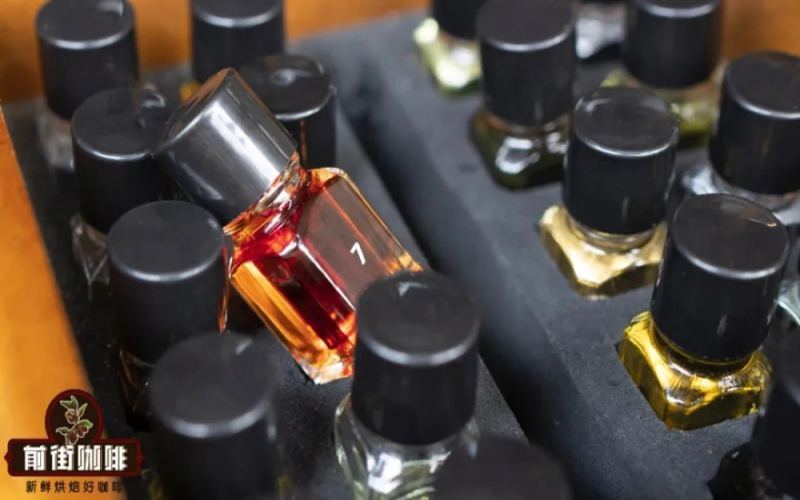
Is the aroma kit worth buying? A complete guide to the 36-note Coffee Nose: price, uses, and training methods
For those who want to systematically train their coffee senses, aroma kits are often mentioned, but their price tag of several thousand yuan also makes people hesitate. This article focuses on the 36-note "Coffee Nose" kit, introducing the origins and evolution of aroma kits, their use in SCA courses, and detailing the specific flavors in the four major categories: enzymatic, caramelization, dry distillation, and defective. It also shares methods of use, from memorizing by category and group blind testing to mixed blind testing, helping beginners calibrate their sense of smell and taste. At the end, Front Street also offers rational advice: an aroma kit is not a necessity—smelling more, drinking more, and feeling more is what really matters. [more…]
Coffee Flavor Map | How Can Coffee Beginners Train and Build Their Coffee Sensory System? Are Aroma Kits Helpful for Coffee Flavor Tasting?
As coffee has gradually become more widely recognized, specialty coffee promotion in cafés has emerged in response, and we too have begun tracing things back to their roots—we have come to treat coffee as culture. The rise of specialty pour-over coffee undoubtedly reflects the demands of the market and the needs that cafés have identified. Café counters have also begun to lower their "status," no longer featuring the early design of a bar raised a foot high. [more…]

SCA Coffee Flavor Wheel Analysis Tutorial | What Is Coffee Flavor? Which Single-Origin Coffee Beans Best Represent Coffee Flavor? How Can Beginners Distinguish Coffee Flavor Characteristics?
Professional barista exchange, please follow Front Street Coffee (FrontStreet Coffee). Many friends have asked Front Street's baristas: "Can you really taste so many flavors in the beans? How do you taste them?" First, this is about personal sensory perception. As everyone grows up, [more…]
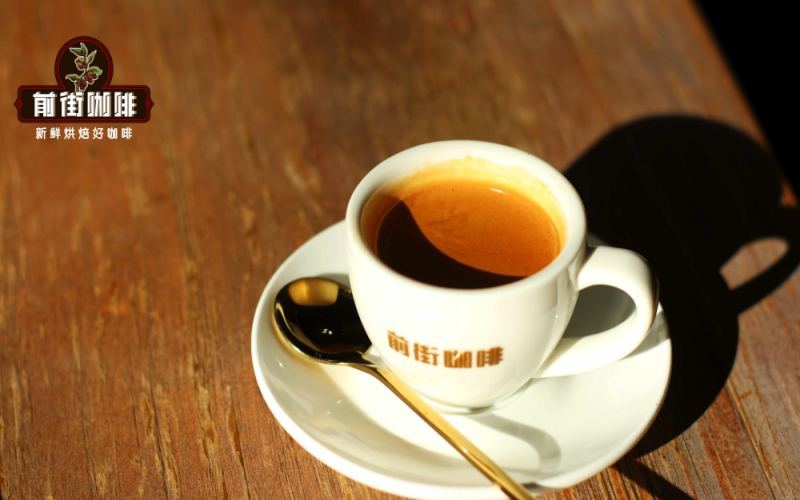
Espresso Tasting Guide: A Professional Interpretation from Drinking Method to Flavor Perception
Espresso is often tucked away in cafés' secret menus, ordered only by those who truly understand it. Front Street Coffee is no exception. Many new customers are unclear about what kind of drink espresso actually is and how to properly taste it. This article will start with the purpose of drinking espresso, move on to the differences between it and pour-over in terms of flavor experience, and then break down the tasting process step by step—from rinsing the mouth with ice water, stirring, and drinking in stages, to sensing the mouthfeel, aroma, and aftertaste. Finally, it will answer the question of whether sugar can be added to espresso. Of course, a good espresso depends on good beans and good extraction, so the article will also introduce the characteristics and purchasing channels of Front Street's classic espresso blend. [more…]
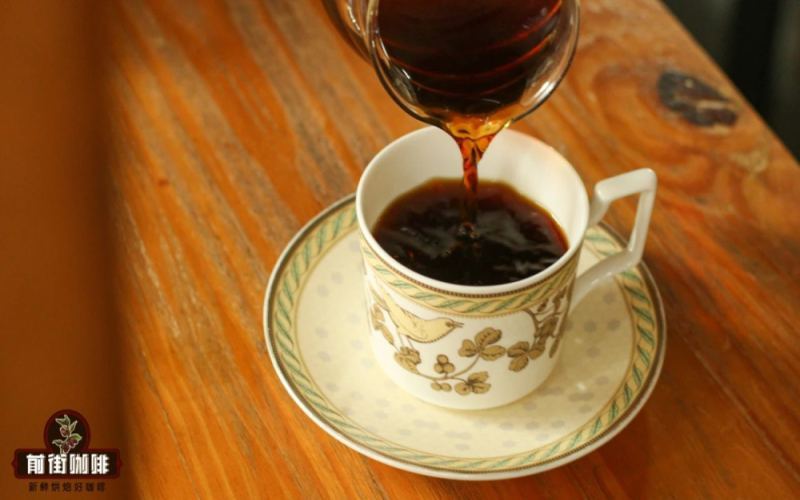
Why Does Coffee Taste So Different After It Cools? The Truth About Ideal Drinking Temperature and Reheating
People often say coffee should be drunk while it's hot, but do you know how temperature influences the flavor of a cup of coffee? At Front Street Coffee, cupping involves evaluating the coffee at three stages—hot, medium, and cool—because the taste compounds in the brew and the human senses both change at different temperatures. Bitterness intensifies as temperature drops, sweetness is most pronounced near body temperature, and acidity is affected by roast level and oil oxidation. This article will walk you through the flavor evolution of coffee from hot to cold, the optimal drinking temperature range, and answer whether coffee can be reheated after it has cooled. [more…]
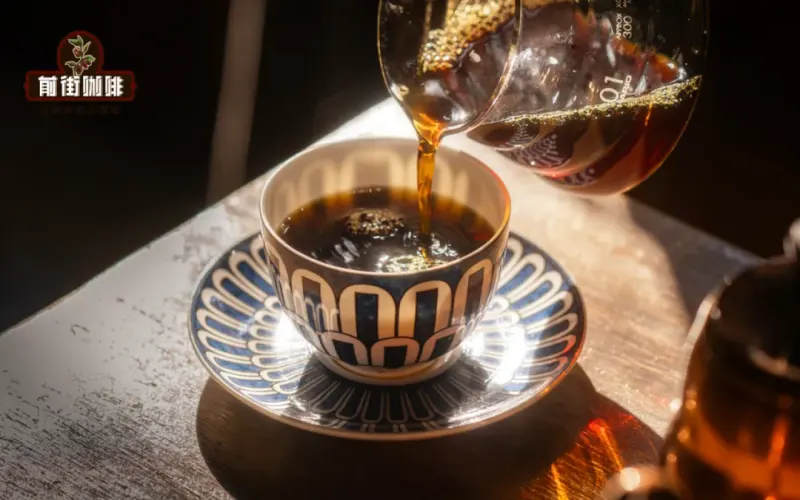
How to scientifically taste a cup of coffee? A comprehensive analysis from five dimensions: acidity, sweetness, mouthfeel, cleanliness, and aftertaste.
Tasting a cup of coffee is not just about drinking it. From whether the acidity is pleasant on entry, to whether sweetness can be perceived, to the body and smoothness brought by mouthfeel, as well as the performance of cleanliness and aftertaste, every dimension affects our overall evaluation of the cup. This article will guide you through the five core elements of coffee tasting one by one, helping you build a more systematic tasting framework and understand what kind of coffee can truly be called "good." At the same time, the article also incorporates the tasting experience of Front Street Coffee, providing practical reference ideas for coffee lovers. [more…]

Hong Kong's ICAC跨界开咖啡厅, "一九七四" at North Point headquarters is about to welcome guests
The ICAC, which frequently appears in Hong Kong film and television works, has left a deep impression on countless people with the line "ICAC invites you for coffee." Now, this mysterious agency is really going to open a coffee shop. The ICAC has announced that it will open a coffee shop called "1974" on the ground floor of its North Point headquarters, named after the year of its establishment, with official service beginning on November 15. Previously, the agency joined Xiaohongshu and released a short film titled "Coffee Years" starring Cally Kwong, drawing on the retro filming style of "In the Mood for Love," which sparked widespread discussion among film fans nationwide. On the coffee shop's menu, there are no common lattes or Americanos. Instead, the drinks are named "Transparency," "Sense of Mission," "Courage," "Fairness," "Integrity," and so on, full of ICAC characteristics. At that time, citizens will not only be able to taste ICAC coffee but also learn about the ICAC's work up close. [more…]
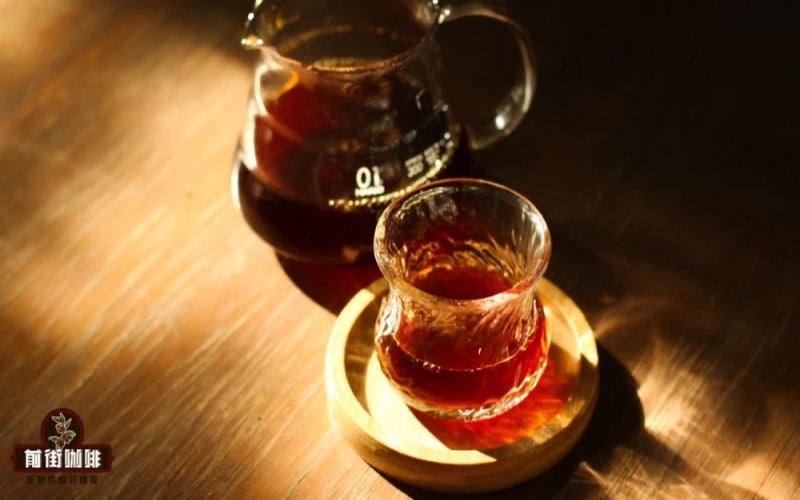
Using Blue Mountain No. 1 as an example, master the five key steps and descriptive techniques for coffee tasting
Friends who are just getting into coffee often feel that tasting is some mysterious art, not knowing where to start, and unable to come up with more than a few decent descriptors. In fact, there is a universal method for tasting coffee that anyone can follow: simply perceive it in a fixed order, and you can judge the quality of a cup and turn the experience into precise language. This article uses Front Street Jamaican Blue Mountain No. 1 coffee beans as an example, breaking things down one by one across five dimensions—aroma, taste, flavor, mouthfeel, and aftertaste—to help you build a complete tasting framework and gradually become a tasting expert who can describe coffee articulately. [more…]
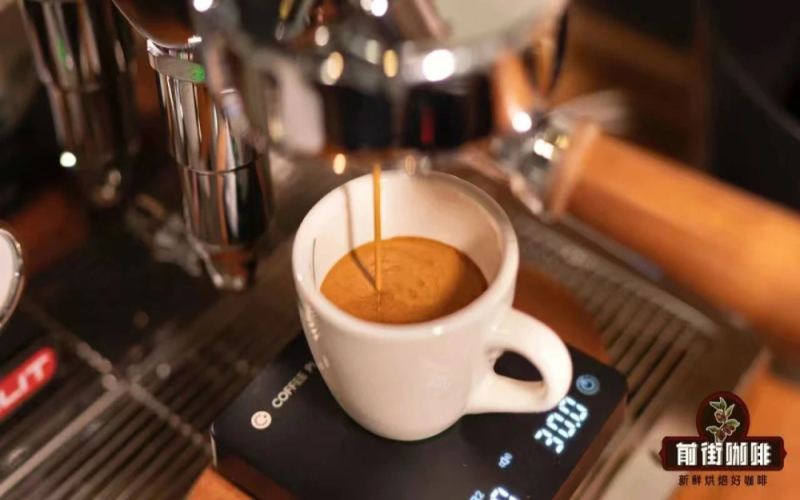
Espresso Tasting Guide: Why It's Served with Ice Water, How to Drink It Properly, and Key Flavor Evaluation Points
Espresso often exists as a hidden menu item in most cafés, and many people new to coffee are both curious and unfamiliar with it. This article begins with the origins of espresso and the purpose of drinking it, explains how it differs from pour-over coffee in flavor expression, focuses on why a glass of ice water is served alongside it, and breaks down step by step the complete tasting process—from rinsing the mouth, stirring, and sipping in stages to drawing in air to sense the finish. It also introduces the Sunflower Warm Sun blend used at Front Street Coffee locations, helping readers understand the beans and extraction logic behind a good espresso. [more…]

How is the working compensation at Starbucks? In 2023, Starbucks canceled remote work.
For professional coffee knowledge exchange and more coffee bean information, please follow Coffee Workshop (WeChat public account: cafe_style) For more specialty coffee beans, please add the personal WeChat of Front Street Coffee (FrontStreet Coffee), WeChat ID: qjcoffeex Remote work became a common phenomenon after the pandemic, but Starbucks interim CEO Howard Schultz announced on January 11 that remote work would be canceled starting January 30, requiring employees within commuting distance of headquarters to work in the office at least three days a week, with two of those days fixed as Tuesday and Wednesday, and the remaining day to be decided by each team. Schultz stated that the move aims to rebuild employee connections and promote team coordination, and noted that baristas cannot work remotely. Although remote work can reduce costs, it faces challenges in management, sense of belonging, and communication efficiency. An internal Starbucks survey showed that employees' confidence in the company's ethics and social impact has declined. This policy also applies to employees at offices in other regions. [more…]
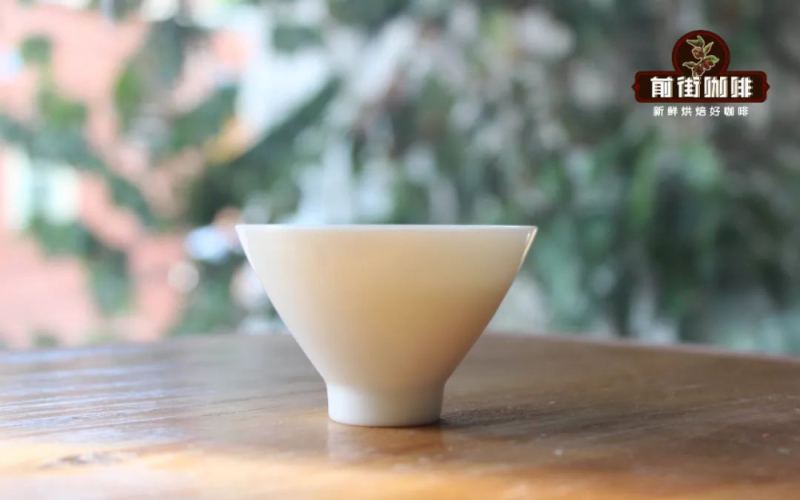
How the shape of the cup rim changes the flavor expression and drinking experience of pour-over coffee
When drinking pour-over coffee, does the shape of the cup really affect the taste? Front Street used three common cup types—wide-mouth, straight-walled, and tapered—to conduct a comparative tasting of the same coffee, and found that aroma, acidity, sweetness, and body all show noticeable differences depending on the rim design. Starting from cup type classification, this article combines the brewing performance of Guatemala Geisha, Brazil Queen's Estate, and Ethiopia Yirgacheffe Gutingding to analyze how different rims guide the flow of coffee liquid in the mouth and temperature changes, and offers cup selection suggestions for acidic, bitter, and aroma-forward coffee beans, helping coffee enthusiasts find a drinking method that suits them better. [more…]
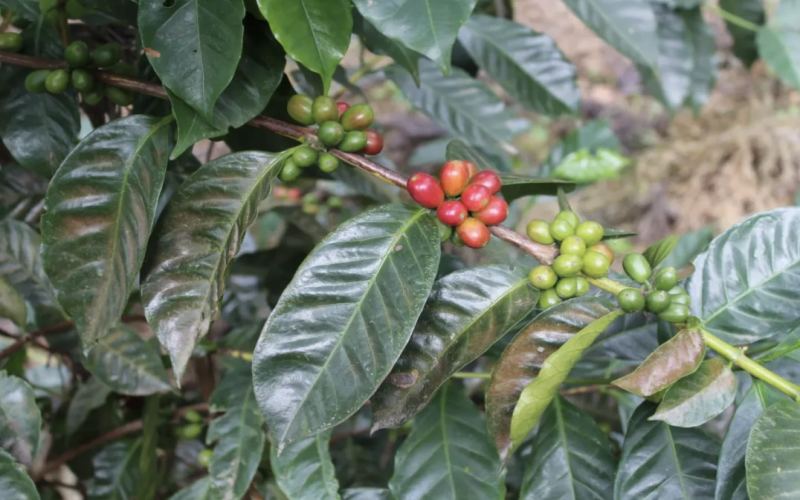
Some new coffee varieties: sidra, Eugenio Des, Wush Wush, and the variety introduction of Laurina.
Coffee can be divided into three major varieties: Arabica, Robusta, and Liberica. Currently, Arabica and Robusta are the most commonly used coffee tree species for commercial planting. With the development of the coffee industry, the coffee varieties [more…]