







Search Results for: lens

Observing the Barista Tattoo Phenomenon: Coffee Culture and Personal Belief Expression Through the Lens of Occupational Bias
In the specialty coffee industry, more and more baristas are choosing to record their own story with coffee through tattoos. However, this form of personal expression often encounters misunderstanding and prejudice from customers. Starting from a real experience in a coffee shop, this article explores the beliefs and passion behind baristas' tattoos, analyzes society's stereotypes about tattoos, and shares the meanings of coffee tattoo designs. At the same time, the article also reminds readers that a tattoo is a lifelong decision that requires careful consideration. Whether or not you accept tattoos, it may be worth starting with a barista's tattoo to understand the unique connection they have with coffee. [more…]
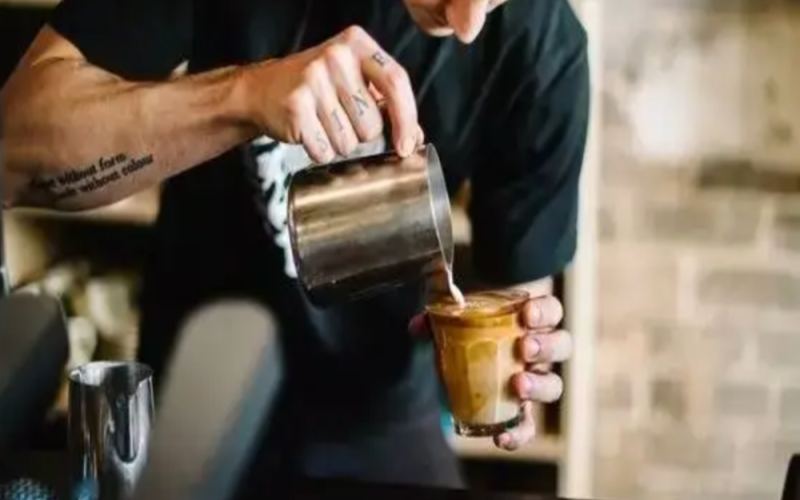
Why is a barista's service mindset so important? Looking at this job through the lens of professional identity, is it really that tough?
The profession of barista has gained increasing popularity among young people in recent years, but controversy surrounding it has never ceased. Some believe that baristas should be individualistic and cool, and need not grovel before customers; others feel that coffee shops ultimately belong to the service industry, and providing quality service is simply part of the job. Starting from the professional positioning of baristas, this article explores what service awareness means for this line of work, and how baristas should correctly view their own role. It also analyzes why professional knowledge and skills must complement a service spirit, with neither being dispensable. If you are working in the coffee industry, or are curious about the real situation of baristas, this article may offer you some inspiration. [more…]
Can single-origin coffee be used for SOE? Examining bean selection and extraction points through the lens of natural-process Yirgacheffe
Many coffee enthusiasts, after tasting a pour-over single-origin coffee rich in floral and fruity notes, entertain a thought: can this bean be used to make espresso? The answer is not a simple "yes" or "no." Although SOE uses single-origin coffee beans, its demands on roasting approach and extraction parameters are far more stringent than one might imagine. From the perspective of Front Street Coffee, this article outlines the basic concept of SOE, its essential differences from blended espresso beans, and why a light-roasted single-origin coffee pulled directly on an espresso machine tends to taste sharp and pungent. At the same time, drawing on Front Street Coffee's sun-dried Yirgacheffe Red Cherry coffee beans, we discuss which single-origin beans are better suited to making SOE, and what details need attention in actual practice. [more…]
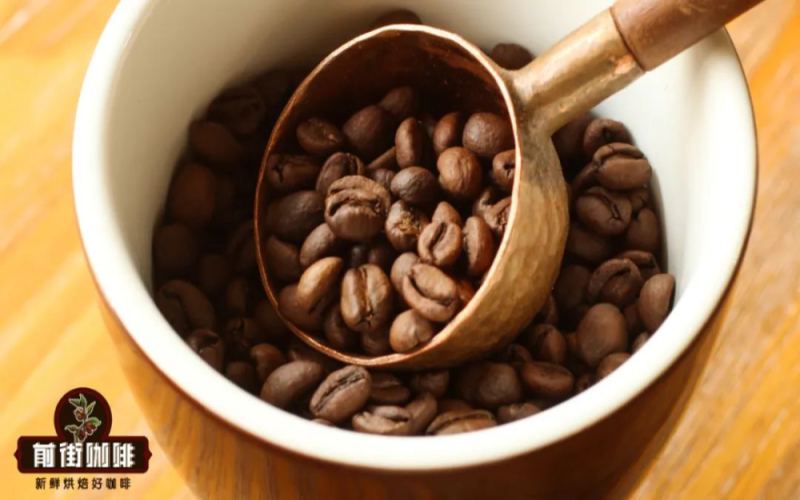
Can coffee beans be eaten dry? What do they taste like? Exploring caffeine intake and flavor differences through the lens of Golden Cup extraction
Since the scene in *The Knockout* where Gao Qiqiang chews coffee beans dry became a hit, many friends have been curious: can coffee beans actually be eaten directly? What do they taste like when chewed? Will you take in more caffeine? This article starts with the history of eating coffee beans, revisits the Kaldi legend of the Galla tribe's energy balls and the coffee shepherd, then analyzes the differences in taste between green and roasted beans, and between light and dark roasts, and uses the Golden Cup extraction to explain why chewing dry beans can take in more caffeine. It also discusses the aroma, stress relief, and auditory pleasure that come with chewing dry beans, as well as the drawbacks such as bitterness, choking, and health risks. Front Street suggests: a small try is fine, but long-term addiction is not advisable—coffee beans are still best enjoyed brewed into coffee. [more…]
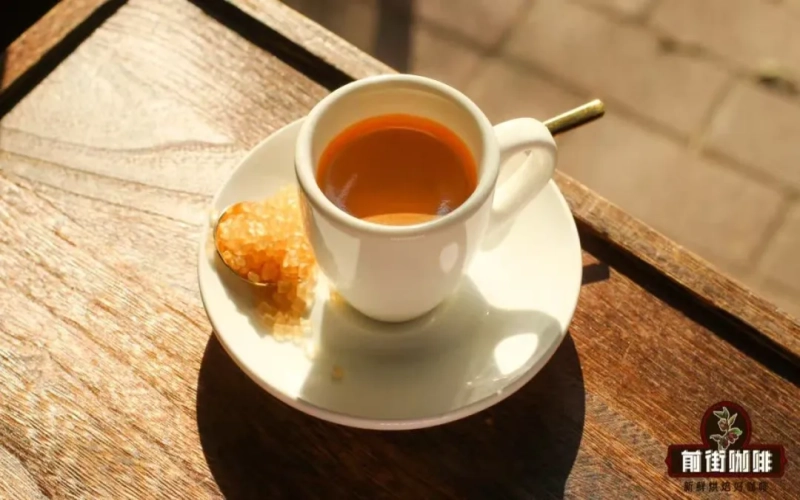
Is It Feasible to Mix Ingredients into the Espresso Puck for Extraction? Looking at the Key to Even Espresso Extraction Through the Lens of Channeling
In coffee-making, some people wonder: since soaking and stirring are a hassle, why not add ingredients directly into the extraction process and let the hot water bring out the flavors along with it. For most brewing methods, this can indeed simplify the process and blend the flavors, but Front Street Coffee explicitly does not recommend using it for espresso. The reason is that espresso extraction relies on about 9 bar of pressure, with a 58mm puck bearing roughly 240 kilograms of force, making extraction extremely efficient and extremely sensitive. Once the puck's structure is disrupted by foreign objects, hot water will preferentially flow along the path of least resistance, forming channeling, which causes some coffee grounds to be over-extracted and others under-extracted, resulting in an imbalanced flavor. This article starts from the principles of pressure extraction and the relationship between Fick's law and grind size, and combines experiments and cases such as adding sugar and adding butter to explain why espresso should not be mixed with other materials, as well as safer ways to add flavor when desired. [more…]
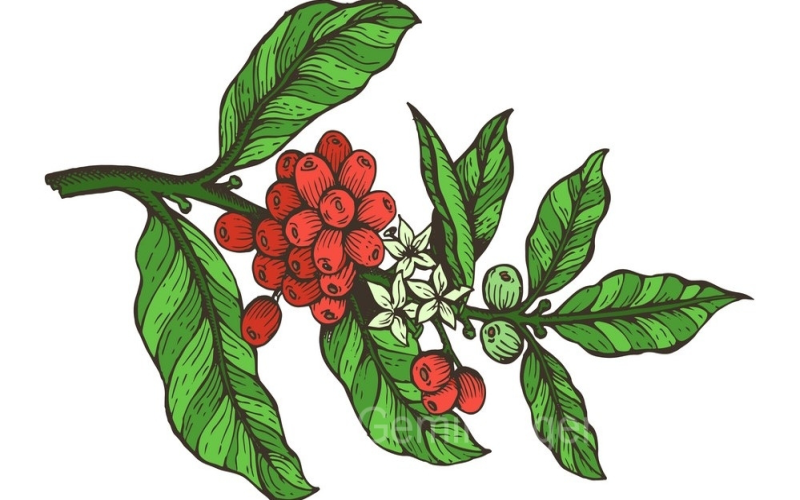
Typica Coffee Bean Variety Characteristics and Global Propagation History: Typica Cultivation and Flavor Through the Lens of Front Street Blue Mountain
Typica is one of the oldest varieties of Arabica coffee. Starting from Ethiopia, it traveled through Yemen, India, Europe, and Southeast Asia, and ultimately took root in Central and South America, shaping the map of today's coffee-producing countries around the world. This article will systematically review Typica's botanical characteristics and global spread, and provide a detailed reconstruction of how a single Typica seed grows into a coffee tree. At the same time, Front Street Coffee will combine the roasting, cupping, and brewing practices of Jamaican Blue Mountain Typica to help you experience the clarity, cleanliness, and balanced flavor of this classic variety. [more…]
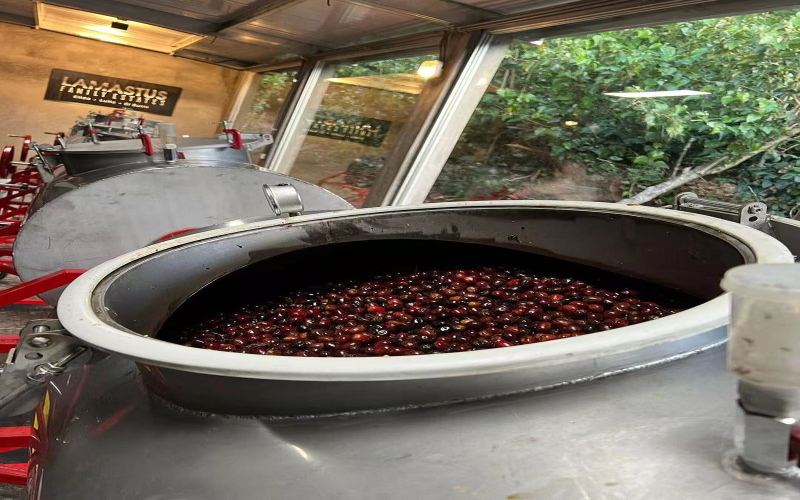
Fruity Coffee Beans Recommendation: Balancing Budget and Drinking Frequency
Fruity coffee beans aren't something you can master just by memorizing a few names. When buying beans day to day, you need to consider how quickly you'll drink them, how much to buy at once, and whether you mainly make black coffee or milk coffee at home. What's truly worth referencing is the sweet-to-sour ratio on the palate, the body's thickness or thinness, and the lingering finish once the coffee cools—then, combined with your brewing habits, your range of choices will gradually [more…]
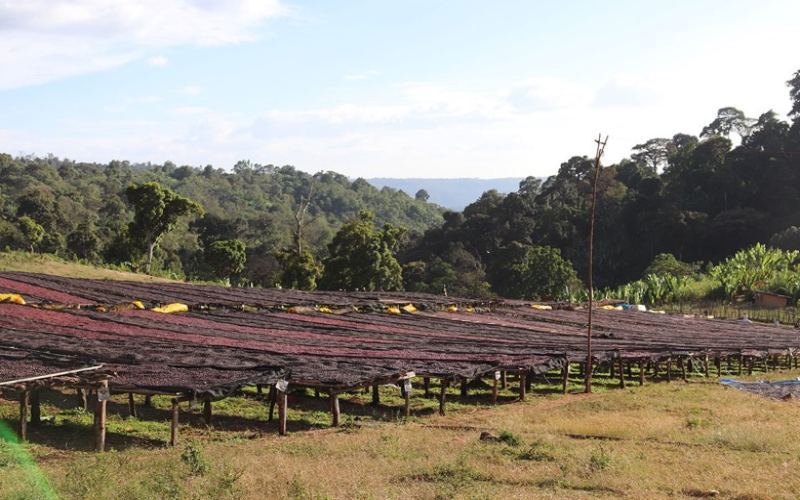
Micro-lots as Small as a Few Sacks—What Makes Them So Memorable?
In the world of specialty coffee, micro-lot is a term that sets hearts racing. It might come from a small east-facing plot on an estate, or from a small batch of green beans processed separately in a single fermentation tank at a processing station. The yield is often only a few dozen bags, and once they're sold out for the season, you'll have to wait until next year for that same flavor. This sense of exclusivity, [more…]
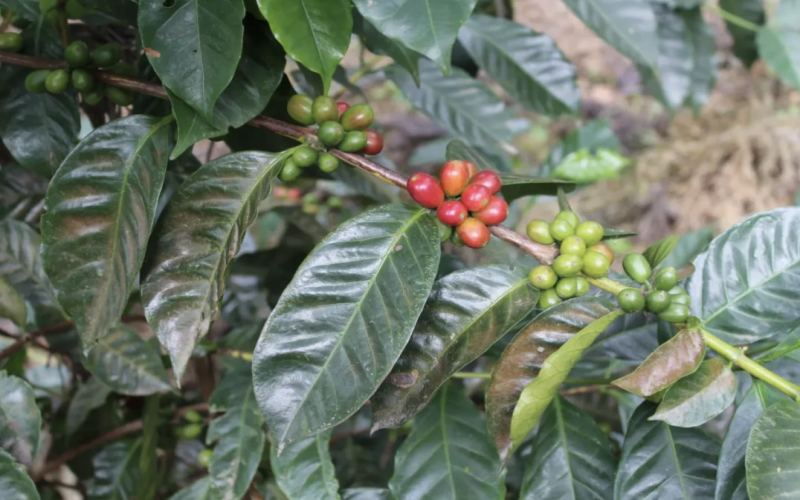
Some new coffee varieties: sidra, Eugenio Des, Wush Wush, and the variety introduction of Laurina.
Coffee can be divided into three major varieties: Arabica, Robusta, and Liberica. Currently, Arabica and Robusta are the most commonly used coffee tree species for commercial planting. With the development of the coffee industry, the coffee varieties [more…]

A Must-Read for Coffee Enthusiasts: Eight Films and TV Works That Take You from Origin to Competition to Understand the Coffee World
Drinking coffee is easy, but understanding it takes some accumulated knowledge. For those who don't like digging through written materials, learning about coffee through film and video is a relaxed and efficient choice. Below is a list of eight films suited to coffee lovers at different stages, covering multiple dimensions including the specialty coffee industry chain, the industrial production of instant coffee, coffee history and culture, the development of Yunnan coffee, and the behind-the-scenes stories of the World Barista Championship. Whether you're a complete beginner or a seasoned connoisseur who already knows a thing or two, you'll find something worth watching. [more…]
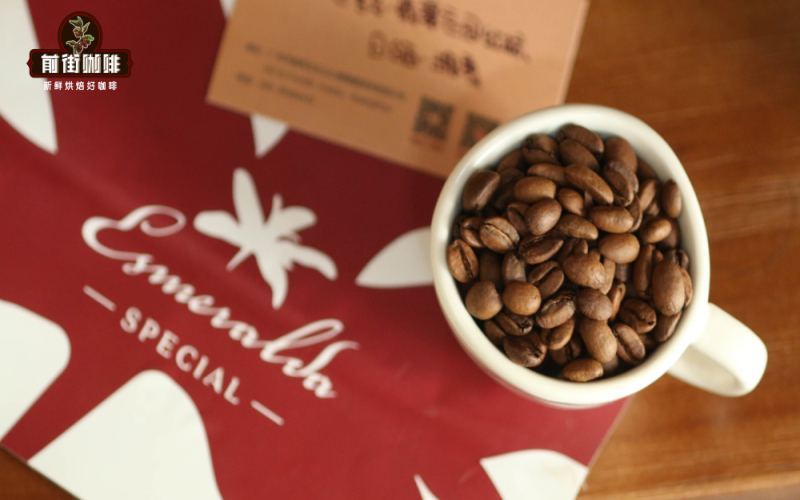
A Complete Guide to Pour-Over Costa Rican Honey-Process Geisha: From Boquete Region to Staged Extraction Parameters
Geisha coffee is most famous for Panama, but different producing regions give it vastly different flavor profiles. This article approaches Geisha through the lens of origin differences, focusing on the Panama Boquete honey-process Geisha that Front Street Coffee has recently acquired. It explains in detail the terroir advantages of the Boquete producing region and the craft characteristics of the honey process, and fully shares Front Street Coffee's pour-over parameters and staged extraction technique, including water temperature, grind size, coffee-to-water ratio, and pouring rhythm, before finishing with a flavor description of this bean. Whether you want to understand how honey processing differs from natural and washed, or you are looking for a pour-over recipe you can reuse directly, you will find useful reference here. [more…]
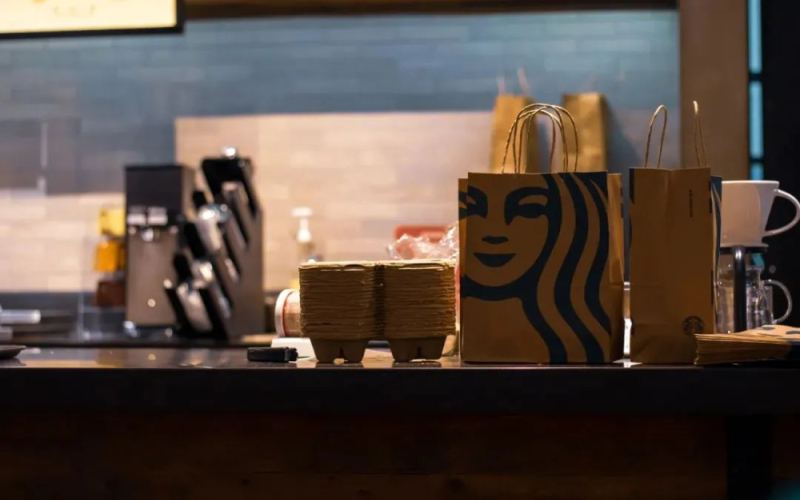
Starbucks goes down to the countryside? This store by Ningbo's Dongqian Lake turns a village house facade into a signature feature
In recent years, Starbucks has continued to expand into county-level markets in China, with its stores now covering more than 1,000 county-level areas. Some new stores have even outperformed those in first-tier cities in terms of profitability. Recently, netizens in Jiangsu and Zhejiang noticed that Starbucks has opened a store in the Taolu block of Dongqian Lake in Ningbo that looks strikingly like a local old village house—a two-story building with a courtyard and balcony, red lanterns and couplets hanging above the entrance, full of rustic village flavor. Is this store a genuine "village café," or a specially designed outlet inside a scenic area? Let's take a look. [more…]
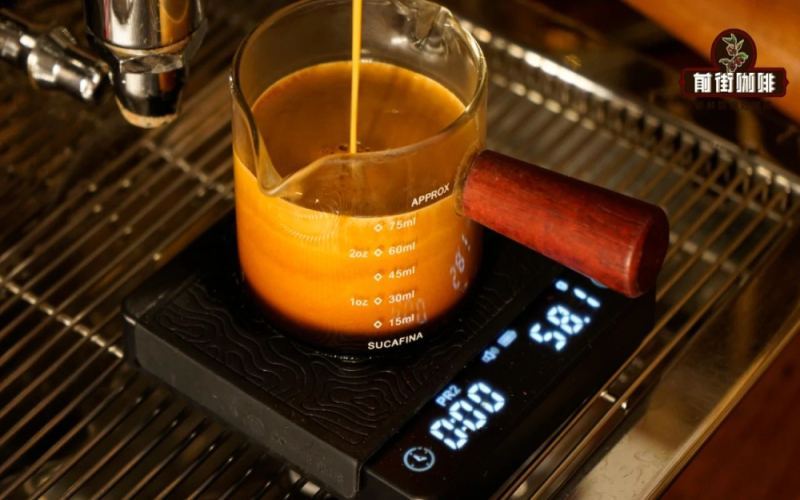
What exactly is Lungo coffee? A full analysis of its extraction logic and flavor differences compared to Espresso
Lungo coffee, like Espresso and Ristretto, is a basic coffee produced directly by an espresso machine, but its positioning and flavor often leave people confused. This article examines the core differences between Lungo, Espresso, and Ristretto from the perspectives of extraction ratio, concentration, and extraction yield, and traces back to the history of coffee becoming accessible to the masses in 1950s Italy to explain why Lungo came into being. Front Street Coffee also presents the true taste performance of Lungo through actual extraction tests, and explores what this extraction approach can inspire in today's coffee brewing. [more…]

HEYTEA City-Exclusive Food and Tea Crossover Roundup: Localized Innovation from Coconut Chicken Hot Pot to Sichuan Spicy Fairy Dew
In recent years, Heytea has continuously pushed the boundaries of tea drinks, from cross-brand collaborations to incorporating each city's signature foods into beverages and baked goods, launching a series of unexpectedly creative limited-edition products. Shenzhen's coconut chicken hot pot, Guangzhou's rice roll cake, Changsha's mini clay pot bubble rice wine, Chengdu's Sichuan spicy fairy dew… each one precisely captures the taste memories of local people. These products are not only wildly imaginative but also build emotional resonance by awakening shared city memories. This article will comprehensively review the limited-edition items Heytea has launched in various cities and explore the communication logic and secrets behind its "neglecting its proper business." [more…]
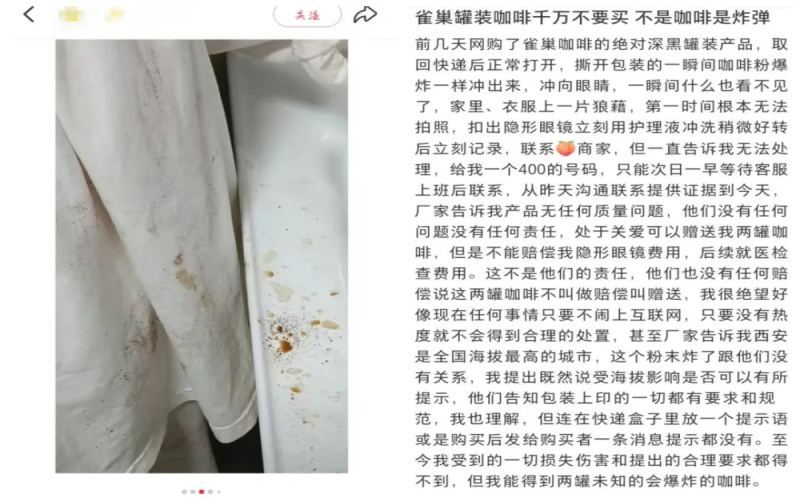
Nescafe Canned Coffee Powder Sprays and Injures Someone the Moment the Lid Is Opened; Customer Service Claims It Was Caused by Altitude Air Pressure, Sparking Controversy
Recently, a consumer in Xi'an posted on social media that when opening a canned Nescafé Absolute Black coffee powder purchased on an e-commerce platform, the coffee powder burst out explosively, leaving a mess on their face, clothes, and floor, and causing a wound near their nose. After contacting the seller and manufacturer, the company explained it away as being due to altitude and air pressure, and was only willing to gift two cans of coffee powder, refusing to compensate for contact lenses or medical expenses. The incident sparked heated discussion online, with many questioning the customer service explanation and noting that brands such as illy have also had similar occurrences. Front Street Coffee has noted that the lack of safety warnings on canned coffee powder deserves industry attention. [more…]
2022 Guangdong Gaokao Essay: The Three Moves of Go Inspire Coffee People: Solid Fundamentals Lead to a Masterful Cup
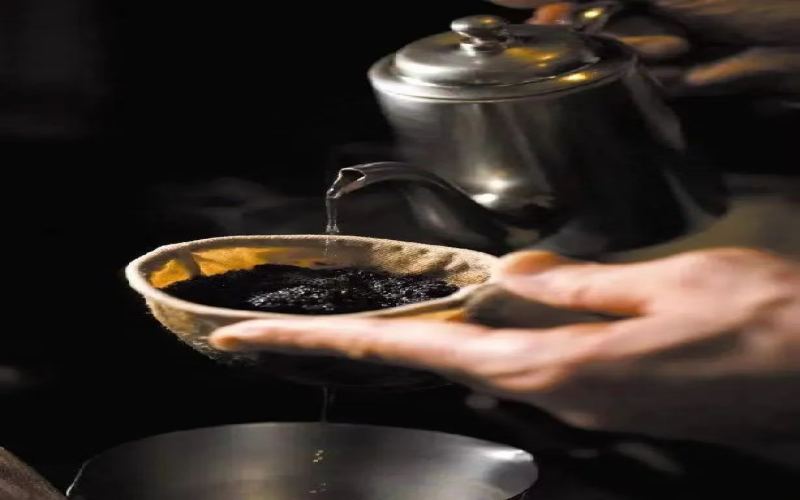
The 2022 Guangdong college entrance examination Chinese essay prompt, centered on the concepts of "ben shou, miao shou, su shou" (the fundamental move, the brilliant move, the vulgar move) in the game of Go, sparked widespread discussion. For coffee professionals and enthusiasts alike, this prompt carries profound significance. Whether it's pour-over extraction, coffee roasting, or running a coffee shop, none of it can be separated from a deep understanding of the fundamentals. This article uses the college entrance examination essay prompt as a lens to explore the way of the "fundamental move" in the world of coffee: from extraction principles to bean characteristics, from roasting logic to opening a shop, only by solidly mastering the basics can one truly create a stunning coffee experience and avoid falling into the predicament of the "vulgar move" by neglecting the essentials. [more…]