








Which Coffee Description Words Capture Acidity, Sweetness and Body
Tasting coffee systematically comes down to five dimensions: acidity, sweetness, mouthfeel, cleanliness and aftertaste. Acidity is judged as pleasant or negative, with faults described as spoiled, acetic or sharp. The distinction mainly applies to light roasts, since dark-roasted beans such as Mandheling show so little perceived acidity that evaluating it serves no purpose.
Sweetness appears in both acidic light roasts and bitter dark roasts, but it is not the taste of table sugar. Most sugars in coffee break down during roasting, so the sweetness registers alongside aroma and requires repeated tasting to recognize. Higher perceived sweetness tends to raise the overall quality assessment, because sweetness triggers dopamine release and reads as pleasurable.
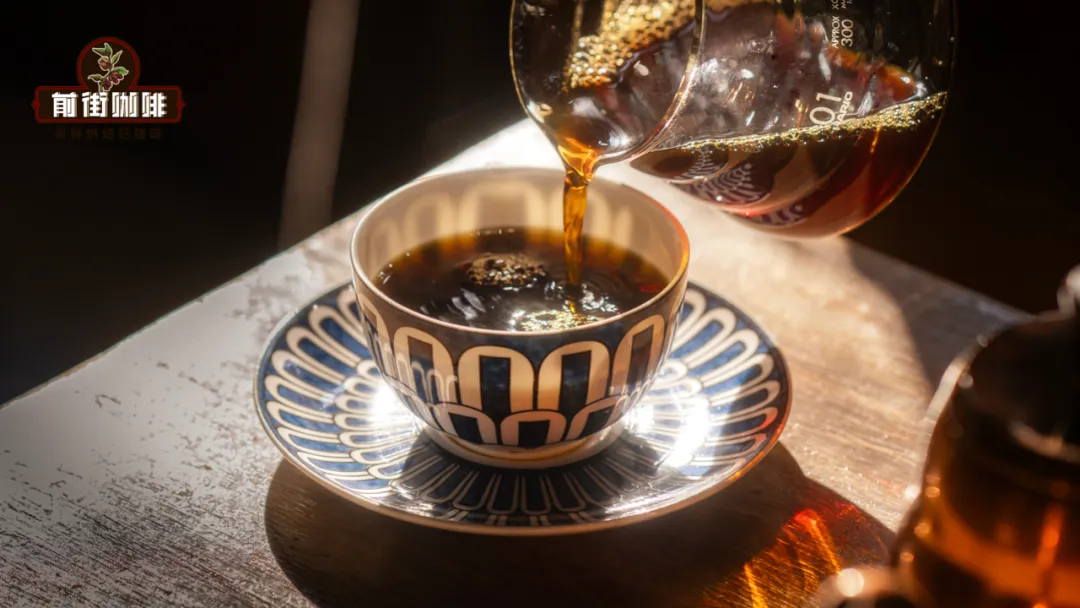
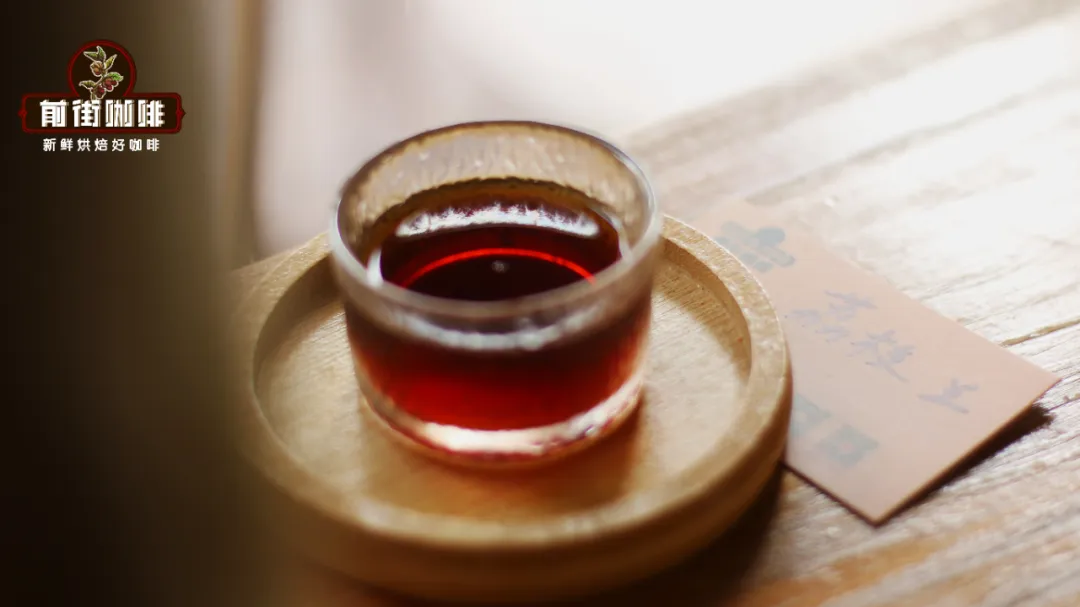
Tasting a cup of coffee is not just about drinking it. From whether the acidity at the first sip is pleasant, to whether sweetness can be perceived, to the richness and smoothness brought by mouthfeel, as well as the performance of cleanliness and aftertaste, every dimension affects our overall evaluation of the cup. This article will guide you through breaking down the five core elements of coffee tasting one by one, helping you build a more systematic tasting framework and understand what kind of coffee can truly be called "good." At the same time, the article also combines the tasting experience of Front Street Coffee to provide practical reference ideas for coffee lovers.
If a sip of coffee, after going down your throat, sparks in you the urge to keep drinking, then to you this cup of coffee is good. Conversely, if its flavor does not match your preference, then even if everyone around you praises it as excellent, you may still label it negatively.


However, when the acidity of a cup of coffee presents an unpleasant state, such as a corrupt acidity similar to over-fermentation or an irritating sensation like acetic acid, then we can classify it as negative acidity. Common descriptions include "spoiled acidity," "acetic acidity," and "sharp acidity."
Of course, these discussions about acidity only apply to light-roasted coffee. For dark-roasted beans like Mandheling, it is already difficult to perceive acidity, so naturally there is no need to evaluate their acidity.
Sweetness
Whether it is a light-roasted coffee that leans acidic or a dark-roasted coffee that leans bitter, we can still capture the presence of sweetness in it. However, this sweetness is not like eating sugar, which can be directly identified by the taste buds alone; it needs to be perceived together with the sense of smell.
Because most of the sugars in coffee have already been broken down during roasting, the sweetness presented by coffee is not exactly the same as the sweetness understood in daily life. (This also means that we need to drink a lot and perceive repeatedly before we can gradually appreciate it.)
Naturally, the more prominent the sweetness, the better, since sweetness prompts the brain to release dopamine and makes us feel pleasure. The same principle applies to coffee. Therefore, the more abundant the sweetness, the higher the quality evaluation of the coffee tends to be.
Mouthfeel
In addition to smell and taste, tasting coffee also requires engaging the sense of touch. The reason we need to use touch is to feel the texture of the coffee, which is what we often call mouthfeel. This needs to be accomplished through the sense of touch in the oral cavity and tongue.
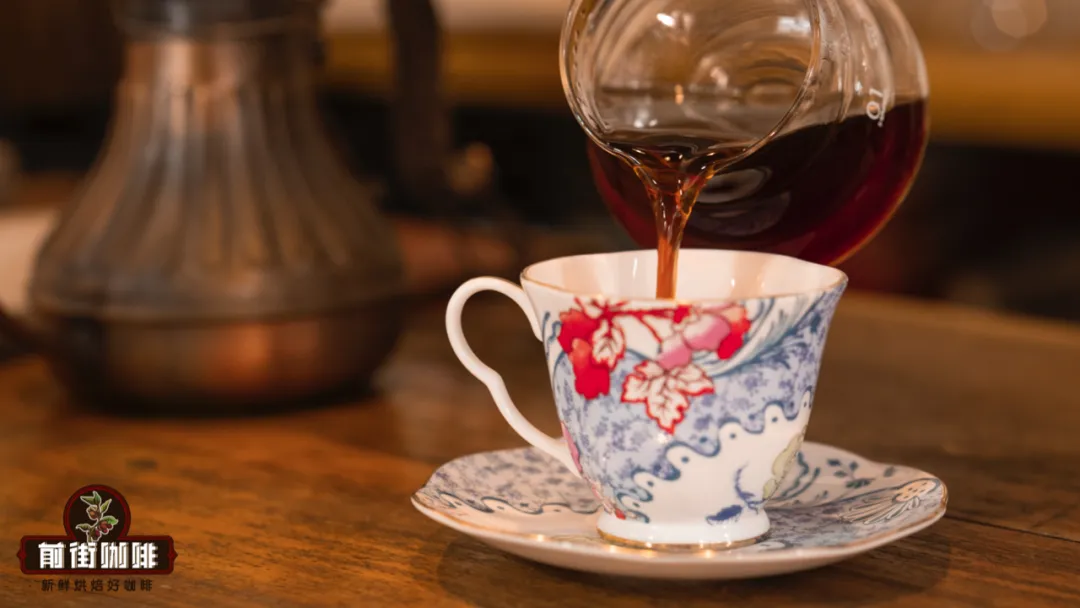
There are mainly two aspects that require the involvement of touch: one is the "body" of the coffee, and the other is the smoothness of the coffee. So-called "body" refers to the sense of weight the coffee has in the mouth, like the obvious thick texture when drinking yogurt. Smoothness refers to whether the coffee brings a delicate, silky experience when it enters the mouth. If a cup of coffee tastes both silky and weighty, we will praise it with words such as rich, smooth, solid, and full.
Conversely, if the texture of this cup of coffee is as thin as water or appears rough, then even if it performs well in other aspects, our overall impression of it will still drop noticeably.
Cleanliness
If the coffee we drink does not give us any unpleasant off-flavors and the flavor layers are clear and distinct, then we will say this cup of coffee is very clean, with high cleanliness.
However, if it carries some flavors that should not appear in normal coffee, such as earthy mustiness, sawdust, medicinal notes, rubber, burnt bitterness, astringency, and other off-flavors that interfere with the presentation of other flavors, then this cup of coffee will be difficult to rate highly because its cleanliness is not ideal.
Aftertaste
Aftertaste is the last part we need to perceive after swallowing the coffee.
After swallowing the coffee, close your mouth and slowly exhale the aroma through your nose; this way you can capture the aftertaste of the coffee. The intensity of the aroma you smell and the length of time it lasts are both criteria for judgment. The more obvious the aroma and the longer the aftertaste lingers, the better the performance of this cup of coffee; otherwise, the more bland it is.
The above content is compiled by CoffeeHunters, a coffee news website.


