







Search Results for: coffee bean processing techniques
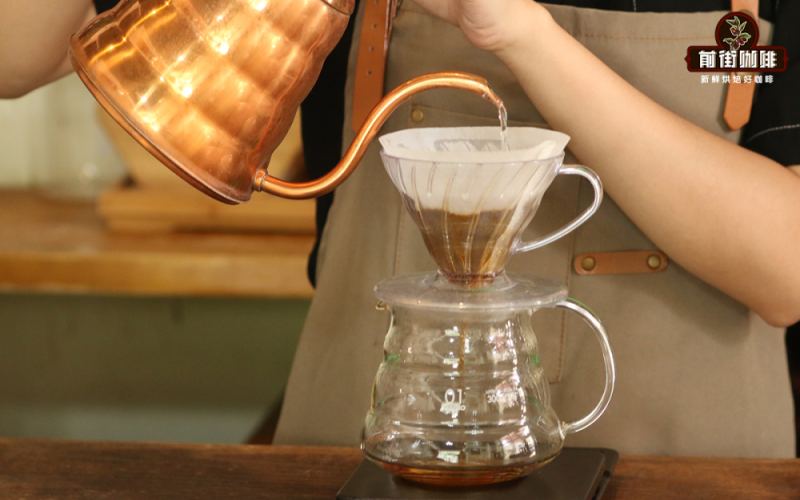
Coffee brewing technique tutorial | What are the technique and extraction principles of the three-pour method for pour-over coffee? Why is the hot water for brewing coffee divided into three pours?
Front Street Coffee (FrontStreet Coffee) entered the coffee industry in 2013, and has come step by step from coffee cultivation and coffee roasting to coffee service. Today, the more than 30 coffee beans displayed in the shop are only Front Street Coffee (FrontStreet Cof [more…]
A Complete Guide to Coffee Brewing Techniques: Flavor Differences and Key Operating Tips for Cold Drip, Pour-Over, and Syphon
The allure of coffee lies not only in the flavors in the cup, but also in the craftsmanship and artistry embedded in the brewing process. From the lively variations of pour-over, to the rich fullness of siphon, to the refreshing mellow depth of cold drip, each extraction method interprets a different facet of coffee. This article takes you into several coffee shops in Beijing, offering an in-depth analysis of four brewing methods—pour-over, siphon, cold drip, and semi-automatic espresso machines—covering equipment selection, coffee bean recommendations, water temperature control, coffee-to-water ratios, stirring techniques, and other practical details. It also specifically presents the flavor expressions of Front Street Coffee's Yirgacheffe, Costa Rica, Mandheling, and other bean varieties under different brewing methods, helping you find the cup that suits you best. [more…]
Pour-over Coffee Single-Pour Technique Tutorial: A Complete Guide to Brewing Steps, Flavor Characteristics, and Grind Parameters
Among the many ways to brew pour-over coffee, the single-pour method is one of the first techniques many enthusiasts encounter and the easiest to understand. Its core logic is simple and clear—after the bloom, the entire target volume of water is poured in one go. That said, the single-pour method does not mean pouring water only once; the process still consists of two stages: the bloom and the main pour. Coffee brewed this way tends to be clean, clear, and consistent in flavor, but it also places stricter demands on pouring stability, grind size, and other parameters. In this article, from the perspective of a Front Street Coffee barista, we will break down the complete single-pour brewing process in detail, analyze its flavor performance and operational challenges, and help those just getting started quickly master this classic technique. [more…]
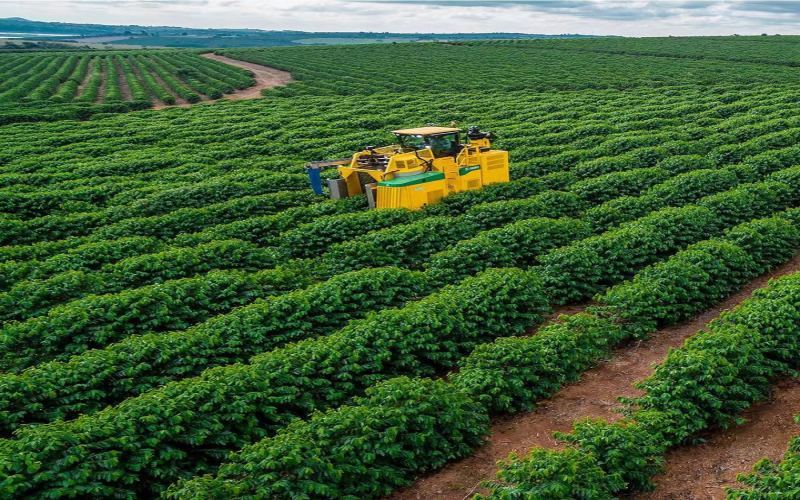
A Detailed Guide to Brazilian Coffee Bean Pour-Over Techniques: Discussing Extraction Parameter Settings from the Perspective of Front Street Queen Estate
Brazil is the world's largest coffee producer, and its coffee beans are renowned for their balanced sweetness and nutty notes, making them highly favored by pour-over enthusiasts. This article uses Front Street Coffee's Brazil Queen Estate coffee beans as an example, breaking down the flavor formation from terroir and variety characteristics to processing method one by one, and systematically explains the four core parameters of water temperature, grind size, coffee-to-water ratio, and brewing technique, providing a pour-over recipe that can be directly referenced. Whether you are a beginner just getting into pour-over or an enthusiast looking to refine your technique, you will find clear operational guidance here. [more…]
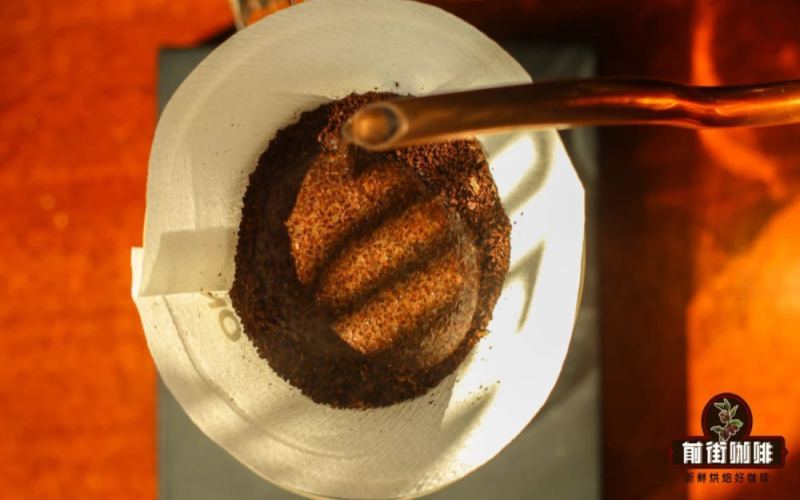
How to Choose Beginner Pour-Over Coffee Beans? Four Japanese Brewing Techniques and Recommended Everyday Beans from Africa, Asia, and the Americas
Many coffee enthusiasts who come to Front Street to buy beans ask: how can you hand-brew a coffee to bring out its best flavor? Front Street has always felt that brewing by hand is an enjoyment in itself, and coffee you brew yourself tastes all the more satisfying psychologically. This article first sorts out the four most mainstream Japanese hand-brewing techniques—Matsuya style, Kono style, volcano pour, and the zigzag pouring method—explaining their key operational points and taste characteristics; then, by the three major producing regions of Africa, Asia, and the Americas, recommends several high-value Front Street everyday beans suitable for beginners to practice with, along with specific brewing parameters and techniques, in the hope of helping every coffee lover. [more…]
Yirgacheffe Red Honey Process Pour-Over Tutorial: Grind Settings and Brewing Techniques for Hario V60 and French Press
This Yirgacheffe red honey coffee from Front Street Coffee comes from the Idido region at an altitude of 2,000–2,200 meters. It is a local heirloom variety, G1 grade, processed using the uncommon red honey method, with pronounced sweetness, balanced acidity, and the signature floral and fruity aroma of Yirgacheffe. This article shares in detail its pour-over grind setting, as well as the specific parameters and techniques for two brewing methods—Hario V60 and French press—including coffee-to-water ratio, water temperature, pouring rhythm, and extraction time, along with tasting notes for each, to help coffee lovers recreate this bean's layered complexity and refreshing cup at home. [more…]
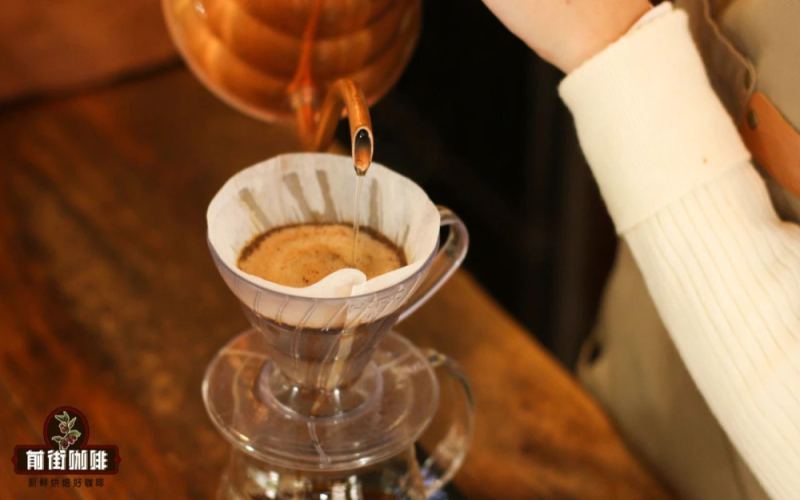
Advanced Guide to Pour-Over Coffee: The Practical Impact of Pouring Distribution and Technique Details on Flavor
Making pour-over at home, but the taste is still inconsistent even after you've dialed in your parameters? The problem often lies in "how you pour the water." This article breaks down the extraction differences between the one-pour method and the three-pour method from two dimensions—water distribution and pouring technique—and analyzes the actual effects of bloom water volume, circling speed, pouring height, flow rate, and circling range on flavor. It also includes complete brewing recipes for three highly distinctive single-origin coffees from Front Street Coffee—washed Yirgacheffe, Tarrazú, and Lintong Mandheling. Whether you're just starting out or looking to refine your technique, these details can help you find the direction for adjustment. [more…]
A Complete Guide to Coffee Bean Processing Methods: The Differences Between Traditional Washed, Natural, and Honey Processing and Anaerobic Fermentation Flavor-Enhancing Techniques
After coffee cherries are picked, they must go through a series of processing steps before they become the green beans we are familiar with, and different processing methods directly determine the direction of the flavor in the cup. Washed, natural, and honey processing are the three classic methods, and there are also diverse techniques such as semi-washed, semi-natural, and in-body fermentation. In recent years, anaerobic fermentation and flavor-enhanced processing have also sparked much discussion—how exactly do they differ from conventional processing? This time, Front Street Coffee will guide everyone through a systematic overview of the classification of coffee processing methods and their respective characteristics, from the swampy green appearance of semi-washed beans, to the pectin-derived sweetness of honey processing, and then to the clean, bright character of washed beans, breaking down one by one the process, flavor performance, and representative producing regions of each technique, helping coffee lovers build a clear cognitive framework. [more…]
Master the Five Techniques and Four Key Parameters of Pour-Over Coffee: A Quick Guide to Elevate Your Brewing Skills
With the rise of the third wave of coffee, pour-over coffee has attracted many enthusiasts with its ritualistic brewing process. However, many people feel that the flavor they brew at home is not as good as in coffee shops, yet they don't know how to adjust the blooming time, grind setting, pouring method, or water temperature. In this article, Front Street Coffee starts from the four major elements of water temperature, grind coarseness, coffee-to-water ratio, and pouring technique, systematically explaining how to brew a good pot of coffee, and breaks down in detail five practical techniques—three-stage pour, stirred bloom, Japanese drip method, single-pour method, and volcanic pour—to help you consistently reproduce your ideal flavor at home. [more…]

Beginner Pour-Over Coffee Bean Recommendations and Analysis of Four Major Japanese Techniques: From Yirgacheffe to Mandheling
To brew pour-over coffee at home that rivals a café, choosing the right beans is only half the battle—brewing technique matters just as much. In this guide, compiled by Front Street Coffee, we'll first introduce you to Japan's four most iconic pour-over methods—the Matsuya style, the Kono style, the volcano pour, and the zigzag pouring method—breaking down the key steps and flavor outcomes of each. Then, organized by the three major growing regions of Africa, Asia, and the Americas, we'll recommend high-value single-origin coffee beans for pour-over beginners, including Front Street washed Yirgacheffe, Front Street Lintong Mandheling, Front Street PWN Golden Mandheling, and Front Street Guatemala Huehuetenango, along with specific brewing parameters and technique tips to help you find the cup that best suits your taste. [more…]
A Beginner's Guide to Pour-Over Coffee: A Complete Analysis from Equipment Preparation to Pouring Techniques
Pour-over coffee has become the preferred brewing method for many coffee lovers thanks to its ease of learning and its ability to fully showcase the flavors of single-origin beans. This article breaks down the complete pour-over process and key techniques in detail, from equipment preparation, filter paper treatment, and coffee grounds distribution, to water temperature control, blooming, and staged pouring. Whether you are a beginner just getting into pour-over or an advanced brewer looking to refine your technique, you will find practical references here. At the same time, the article also specifically mentions product information related to Front Street Coffee for interested readers to learn about. [more…]
What types of sun-dried processing methods are there for coffee beans? A full analysis of the differences between natural and semi-natural processing techniques.
The impact of coffee processing methods on green bean flavor is akin to the influence of winemaking techniques on wine; different processing methods can bring out completely distinct characteristics. This article will systematically outline the origins, procedures, and flavor traits of the natural process, and compare the similarities and differences among mainstream methods such as the washed process, semi-washed process, and honey process, helping enthusiasts understand the logic behind each processing method and its expression in the cup. The article also combines several representative beans from Front Street Coffee to provide specific purchasing references. [more…]
Complete Guide to Honey Processing: From Mucilage Retention to Black Honey Classification, the Flavor Code of Costa Rican Coffee
The processing method of green coffee beans directly influences the flavor direction in the final cup. Beyond the three mainstream processing methods, honey processing, with its unique technique of retaining mucilage, has become a signature technology in Central America, especially in Costa Rica. From the perspective of Front Street, this article systematically reviews the operational procedures of honey processing, the grading of yellow, red, and black honey, the core differences from natural and washed processing, and extends to anaerobic honey processing as a derived technique. At the same time, Front Street uses a cupping comparison of Mirazu Estate Raisin Honey, washed Yirgacheffe, natural Red Cherry, and Lintong Mandheling to intuitively present the specific expressions of different processing methods in terms of sweetness, acidity, and aroma, helping coffee enthusiasts establish a clear sensory reference. [more…]
Flavor Analysis of Asian Coffee Origins: Low-Acid, Full-Bodied Coffee Varieties from Indonesia, Yunnan, and More, with Brewing Guides
Although the Asian coffee-producing regions are not as famous for renowned estates as Africa or Central and South America, they occupy an important place on the world coffee map with their rich, full-bodied, and low-acidity flavors. Indonesia's Mandheling, China's Yunnan small-bean variety, Vietnam's Robusta, India's Monsoon Malabar, and Papua New Guinea's Bird of Paradise all showcase the distinctive heaviness and sweetness of Asian beans. Front Street Coffee takes you through the varietal characteristics, processing methods, and brewing suggestions of these regions one by one, so that whether used as an espresso blend base or a single-origin pour-over, you can experience the unique charm of Asian coffee. [more…]
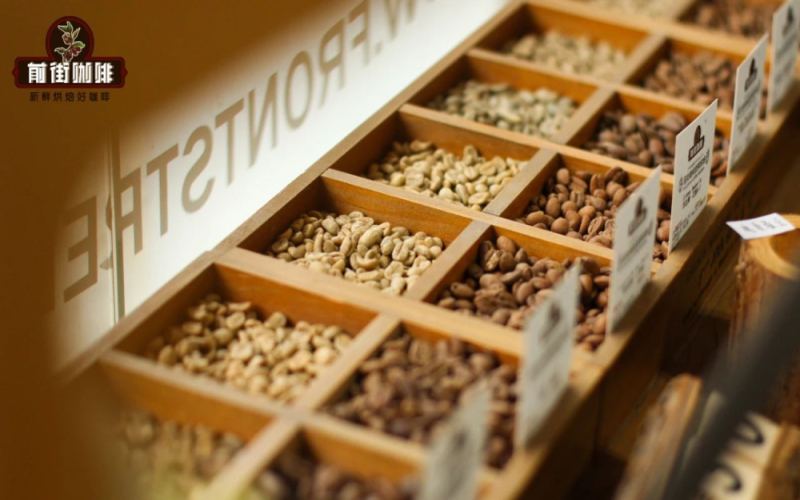
A Complete Guide to Coffee Processing Methods: Flavor Differences Between Natural, Washed, and Anaerobic Fermentation Plus Six Major Mainstream Techniques
The flavors of coffee are endlessly varied. Beyond variety and origin, the processing method is also a key factor determining what ends up in the cup. From the most basic natural and washed methods to the honey processing and anaerobic fermentation that have become popular in recent years, every technique influences the acidity, sweetness, bitterness, and aroma of coffee. Before the rise of the specialty coffee wave, the sole purpose of processing coffee beans was actually just to dry them quickly for storage, but today these methods have long since become a core means of shaping flavor. This article will systematically sort through the world's six major mainstream coffee processing methods, compare the essential differences between natural and washed processing, and offer an in-depth interpretation of the principles and flavor characteristics of anaerobic processing. At the same time, drawing on the practical experience of Front Street Coffee, it will help you understand more comprehensively how processing methods affect coffee quality. [more…]
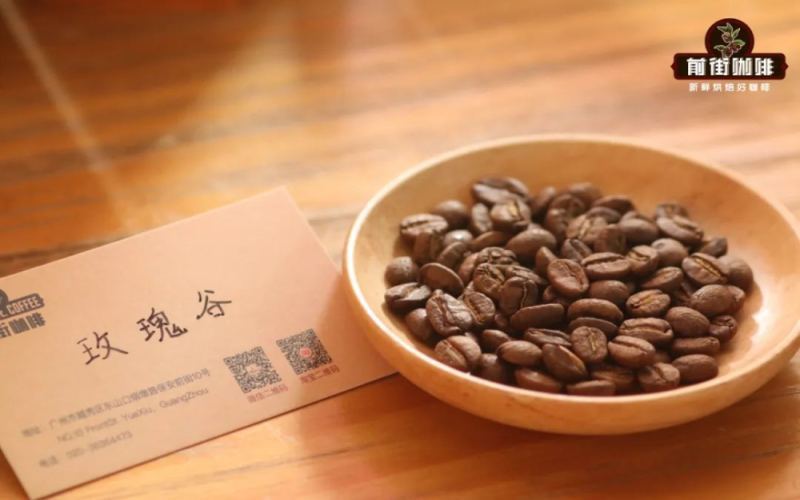
Front Street Coffee Rose Valley Double Anaerobic Enzyme Washed Process Explained: A Complete Guide to Flavor Sources and Brewing Techniques
Front Street Rose Valley coffee beans have become a favorite among many coffee lovers thanks to their unique flavors of rose, peach, and liqueur chocolate. Where exactly does this bean's alluring aroma come from? The answer lies in the double anaerobic enzyme washed processing method it uses. This article will break down each stage of this processing method step by step, from the coffee cherry's first anaerobic fermentation to the coffee bean's second enzyme anaerobic stage, and then to the drying stage, helping readers understand the principles behind the formation of these special flavors. At the same time, in response to the brewing difficulties of this type of anaerobically processed coffee bean, the article will also share practical techniques such as grind size calibration, water temperature control, bloom assessment, and three-pour brewing, so that you can consistently bring out the rich fruity aroma and sweetness of Front Street Rose Valley at home. [more…]
Ethiopian Yirgacheffe Natural Bean Flavor Analysis: A Complete Overview of Taste Characteristics from Origin Cultivation to Processing Techniques
Yirgacheffe is one of Ethiopia's most representative specialty coffee regions, and naturally processed Yirgacheffe beans are especially renowned for their intense fruity aromas and distinctive sweetness. This article will guide you through Yirgacheffe's origin background, cultivation methods, flavor characteristics, and how the natural processing technique creates its captivating taste. From lemon and floral notes to honeyed sweetness, from traditional sun-drying to rigorous sorting procedures, we offer a comprehensive analysis of this single-origin coffee highly praised by coffee enthusiasts. Front Street Coffee will also recommend Yirgacheffe natural beans worth trying, helping you find your ideal flavor. [more…]
How to brew Indonesian Lintong Mandheling coffee for the best taste? A full guide to pour-over, AeroPress, siphon, and French press parameters and techniques
Mandheling is the most iconic coffee of Sumatra, Indonesia, and Lintong Mandheling is a premium example of traditional Arabica. This article begins with the terroir of the growing region and the wet-hulling process, guiding you to understand the source of Lintong Mandheling's unique flavors, and then shares in detail four brewing methods recommended by Front Street Coffee: pour-over, AeroPress, siphon, and French press. Whether you are a beginner just getting to know Mandheling or a seasoned enthusiast looking to refine your technique, you will find an extraction approach that suits you, making it easy to brew that rich, sweet, full-bodied cup of good coffee with intertwined herbal and caramel notes. [more…]
Pour-Over Coffee Brewing Parameters and Technique Adjustment Guide: From Extraction Principles to Front Street Practical Case Analysis
In the composition of coffee flavor, variety cultivation, roasting, and brewing each carry different weight, and although the brewing stage accounts for only ten percent, it is the only part that enthusiasts can actively control. Starting from this industry consensus, this article systematically explains how to adjust water temperature, pouring strategy, and grinding parameters to bring out a performance from a bean that better suits personal preference, without changing the flavor direction of the coffee bean itself. Using Front Street Kenya Asalia and Front Street Ethiopia COE#22 as examples, the article concretely demonstrates how to shift flavor from bright acidity to pronounced sweetness, and from heavy fermentation to a light berry tonality, by changing the three-pour ratio, blooming water volume, and pouring technique, helping readers understand the extraction logic behind brewing adjustments. [more…]
A Complete Guide to Costa Rica Baja Coffee Flavor Analysis and Raisin Honey Processing Brewing Techniques
Among the Costa Rican Musician Series, the Bach coffee bean stands out with its unique raisin honey processing method, displaying intense fermented aromas and rich sweetness, making it a favorite among many coffee enthusiasts. This article will start from the principles of raisin honey processing, thoroughly dissect the flavor characteristics of Front Street Coffee's Bach bean, and conduct brewing comparisons using the V60, cake filter, and ice-eye filter separately, recording the effects of different filter cups on flavor layers, balance, and mouthfeel, helping readers find the most suitable brewing method for themselves and fully appreciate the charm of this bean. [more…]