







Which brewing method suits Lintong Mandheling arabica beans?
Lintong Mandheling brews well in four setups: pour-over, AeroPress, siphon, and French press. Pour-over highlights its herbal and caramel layers with a cleaner body, AeroPress gives a heavier, sweeter cup with short contact time, siphon brings out aroma and clarity, and French press leans into the full, syrupy texture the bean is known for.
Lintong Mandheling is a traditional arabica grown near Lake Toba in northern Sumatra, at roughly 1,400 to 1,800 meters, and processed with the wet-hulled method. Arabica accounts for only about a quarter of Indonesian output because it needs elevation, which is why Sumatra's higher ground matters and why Lintong lots carry the region's herbal, spicy, low-acid profile.
Mandheling is the most representative coffee of Sumatra, Indonesia, and Lintong Mandheling is a standout among traditional Arabica beans. This article starts with the terroir of the growing region and the wet-hulling process, guiding you through the unique flavor origins of Lintong Mandheling. It also shares in detail four brewing methods recommended by Front Street Coffee: pour-over, AeroPress, siphon, and French press. Whether you are a newcomer just getting to know Mandheling or a seasoned brewer looking to refine your technique, you will find an extraction approach that suits you and easily brew a cup of rich, sweet, herbaceous and caramel-laced coffee.
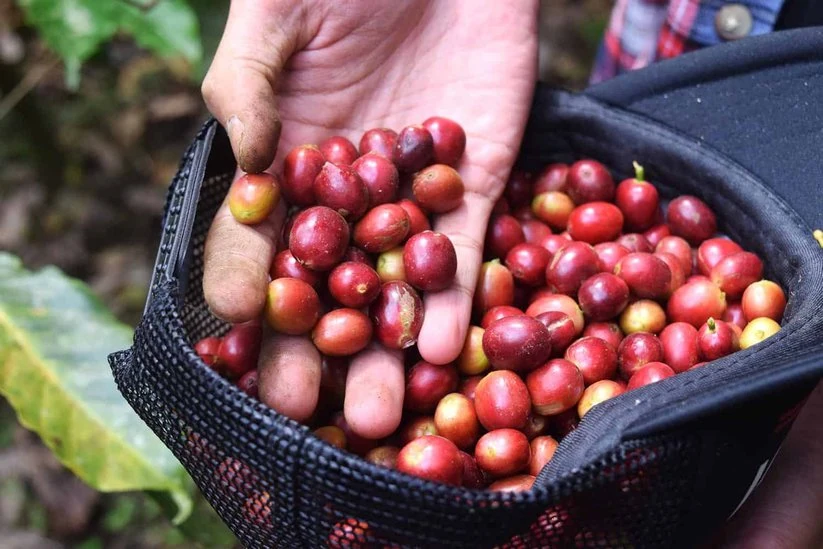
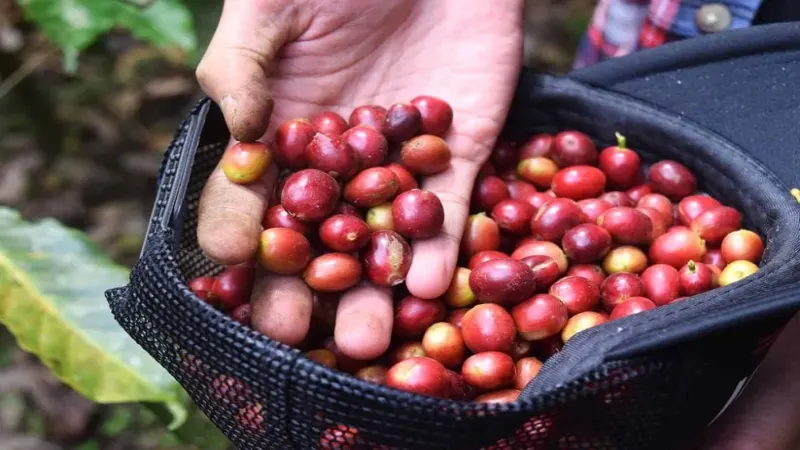
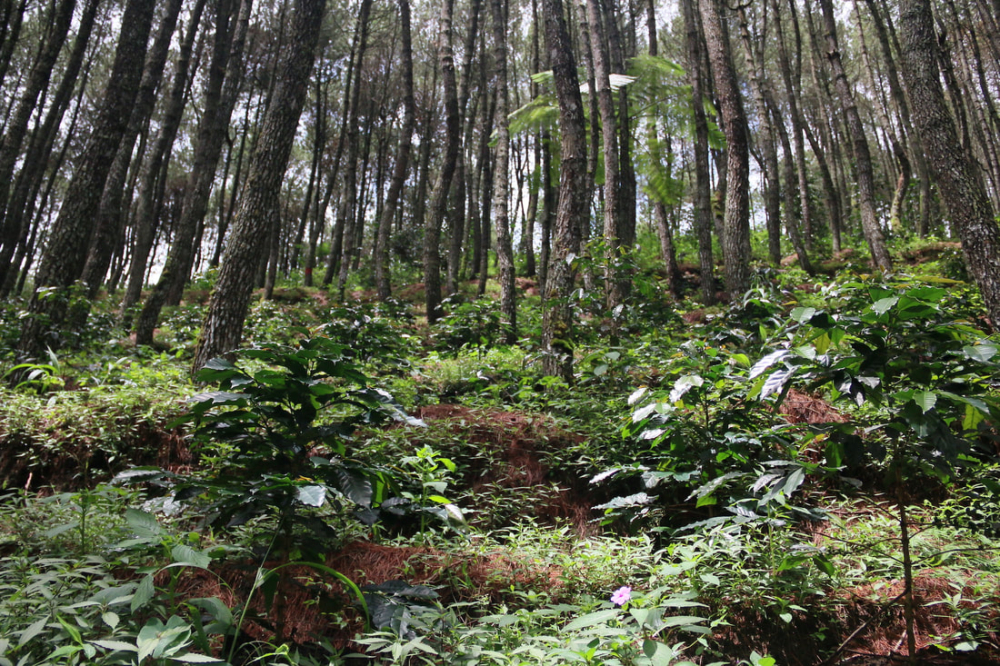
The name Mandheling is closely tied to the island of Sumatra in Indonesia. As Indonesia's largest island, Sumatra straddles the equator and has a typical tropical rainforest climate—high temperatures year-round, humid air, and abundant rainfall—providing ideal conditions for cultivating premium Arabica coffee.
However, the overall elevation of Indonesian growing regions is not particularly high, so land suitable for specialty Arabica is quite limited. Of the coffee beans produced in Indonesia, Arabica accounts for only about one quarter, since this variety only shows its best flavors at high elevations; the remaining roughly three quarters is Robusta, which can adapt to lowland growing. Sumatra happens to be the highest-altitude region in Indonesia.
Among the traditional Arabica produced in northern Sumatra, the best-quality lots enter the market under the name "Lintong Mandheling." Strictly speaking, Lintong Mandheling refers to coffee grown in a small area on the southwestern side of Toba in the Lintong administrative region.
Well-known coffee-growing regions in Sumatra include the GAYO highlands (the Aceh region), Lintong, and Sidikalang. The Lintong region is adjacent to Sumatra's famous Lake Toba (LAKE TOBA), at an elevation of about 1,400 to 1,800 meters, with main varieties including Jember, Garundang Typica, and Ateng.
According to observations by Front Street Coffee, in recent years Mandheling from the Lintong area has been further subdivided, with place-name-labeled Mandheling varieties gradually appearing on the market, such as Sidikalang (abbreviated as SDK Mandheling). The coverage of the term "Lintong" is gradually narrowing, increasingly pointing to the area around Lintongnihuta.
Indonesia's unique processing method: wet hulling
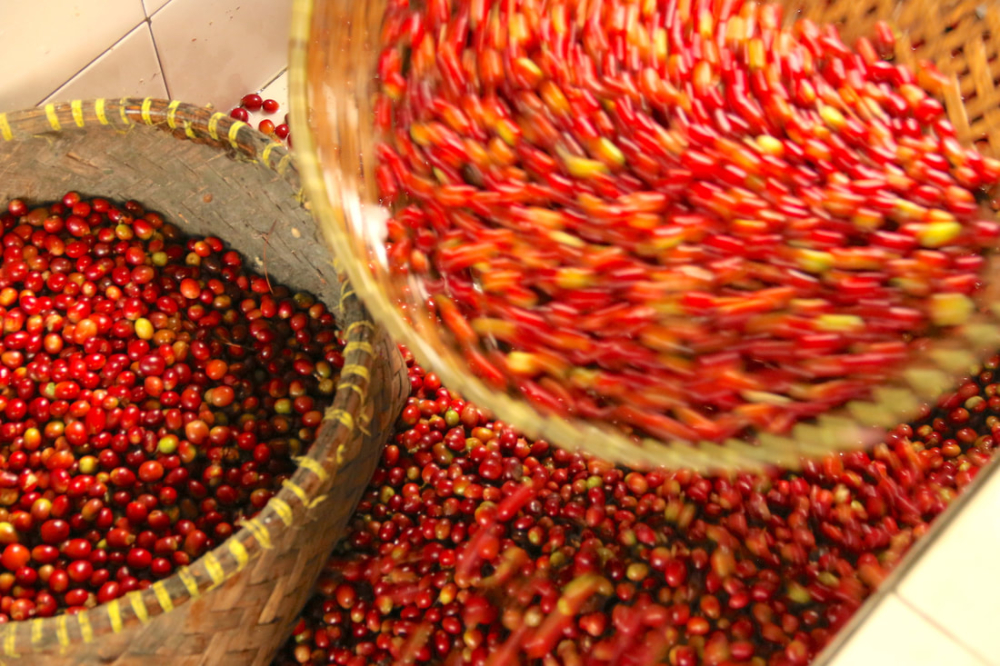
Front Street Coffee has learned that Indonesia's use of the wet-hulling method for processing coffee cherries is closely related to local climate and economic conditions. There are many rainy days and frequent typhoons here, making it difficult to meet the long periods of sunshine required for natural/dry processing; at the same time, the weak local economic base could not afford the higher cost of the washed method, which gave rise to this highly region-specific processing approach.
Of course, Indonesia's coffee industry today is no longer as impoverished as it once was, and there are quite a few estates and companies capable of using the washed method, yet wet hulling has still been retained. Front Street Coffee believes that it was wet hulling that pushed Mandheling onto the world stage—mention Mandheling and you think of wet hulling; the two have long formed a mutually reinforcing relationship.
The specific operation of wet hulling can be divided into two stages:
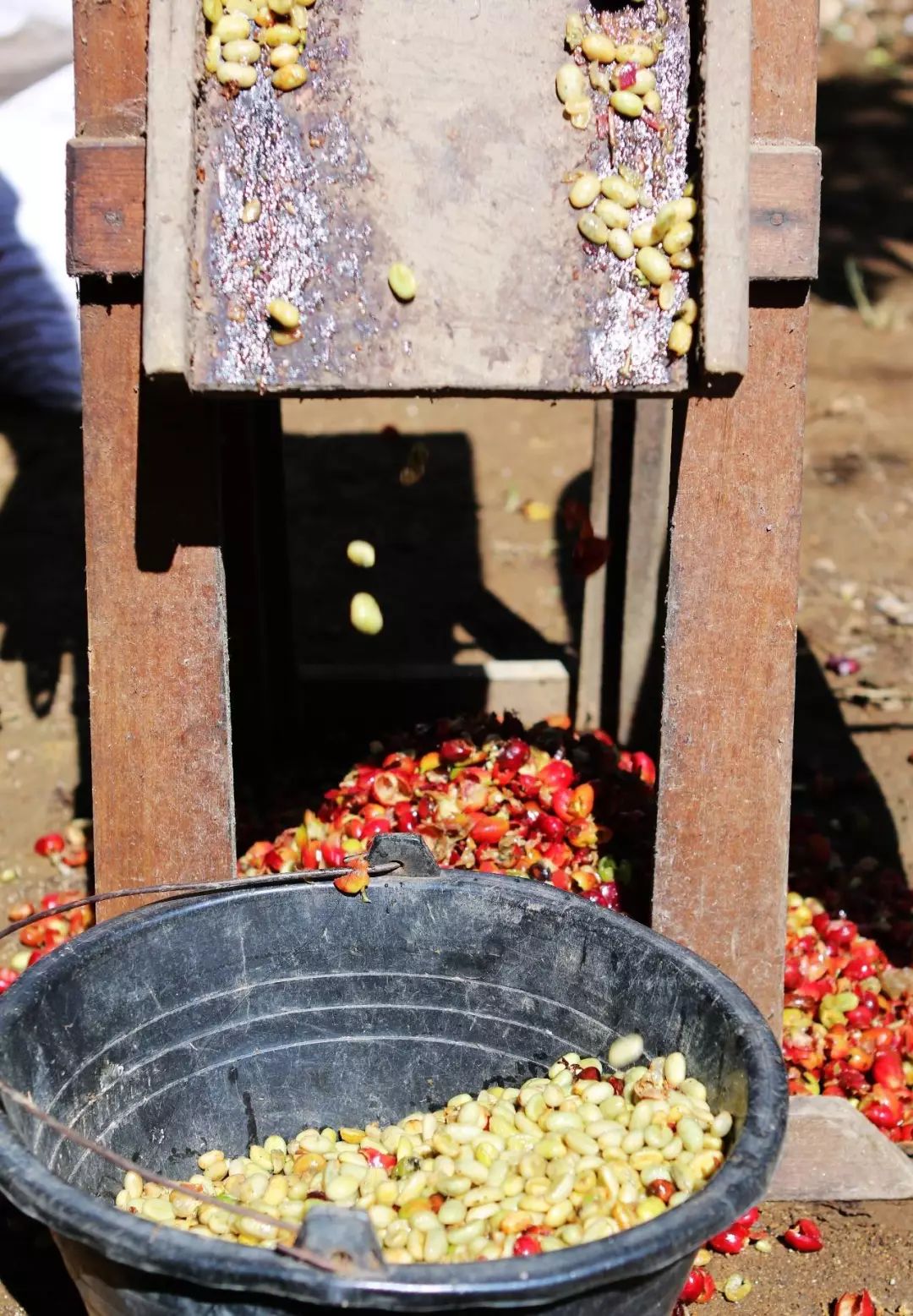
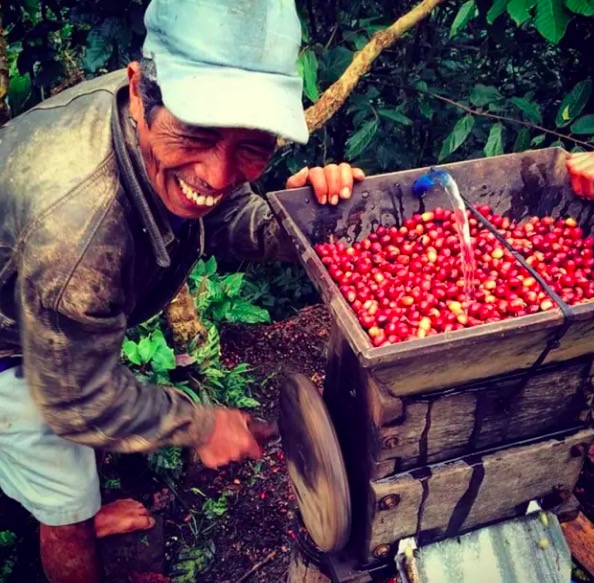
In the first stage, a wooden depulper is used to remove the skin and pulp, followed by fermentation for 3 hours and then drying to reduce the moisture content to a semi-dry, semi-wet 30% to 50%. In the second stage, the mucilage and parchment layer are removed, and drying continues; the entire drying process takes 2 to 4 days, with the final moisture content reduced to 12% to 13%.
Besides the standard wet-hulling method, there is also an aged wet-hulled method. The coffee beans are first processed by the ordinary wet-hulled method, then sealed and stored in a warehouse for 2 to 3 years. The warehouse must be kept cool and ventilated, and the beans must be turned regularly to prevent mold. During this period, the acidity of the coffee beans gradually diminishes and converts into sugars, and the color gradually darkens, mostly taking on a yellowish-brown or dark brown hue. The Mandheling on Front Street Coffee's bean list that uses this processing method is called Aged Mandheling Coffee Beans.
The above is some of the information Front Street Coffee has compiled about Indonesian Mandheling coffee. So how do you brew a delicious cup of Mandheling? Front Street Coffee will now share how to pour-over brew Indonesian Lintong Mandheling coffee beans.
Front Street Coffee Indonesian Lintong Mandheling Coffee Beans
Country: Indonesia Region: Sumatra (Lintong) Elevation: 1100-1600m Variety: Typica, Caturra Processing method: wet hulling Flavor: baked toast, nuts, caramel, pine, herbs
[Front Street Mandheling Coffee Brewing Recommendations]
Dripper: KONO Dose: 15 grams Coffee-to-water ratio: 1:15 Water temperature: 86-87°C Grind size: bg#6w
Lintong Mandheling Coffee Brewing Technique
For the first pour, use 30 grams of water to bloom for 30 seconds; for the second pour, use a slow stream in a circular motion up to 125 grams, then pause; when the water level drops and is about to expose the coffee bed, continue pouring for the third stage up to 225 grams and stop; when the water level again drops and is about to expose the coffee bed, remove the dripper. Starting the timer from the bloom, the total extraction time is 2 minutes 00 seconds.
Flavor description: On the palate there are herbaceous, medicinal plant notes, dark chocolate, caramel, and a sweet finish.
[AeroPress] Flavor: Intense, complex, with prominent spice notes and a fresh aroma of pine forest
1. Choice of equipment: AeroPress 2. Water temperature: 85°C 3. Grind size: Fuji Royal grinder setting 3.5 4. Roast level: medium-dark roast 5. Bloom time: 2 times, the first for 20 seconds, the second for 50 seconds
Specific technique: Prepare the AeroPress for the standard (upright) method; it is recommended to add 20 grams of coffee grounds, with a coffee-to-water ratio of 1:17. First pour in 100 grams of 83°C hot water, stir three to five times to fully wet the coffee grounds, and let stand for 20 seconds; add the remaining hot water up to 240 grams, let stand for 40 seconds, and stir for 5 seconds; at 1 minute 50 seconds, attach the cap and press down; total time is 2 minutes 5 seconds.
[Siphon] Flavor: Round, rich, with prominent herbal and bitter notes, accompanied by notable caramel sweetness
1. Choice of equipment: Hario siphon 2. Water temperature: 90°C 3. Grind size: Fuji Royal grinder setting 3.5 4. Roast level: medium-dark roast 5. Bloom time: 30 seconds
Specific technique: Side-burner extraction; it is recommended to use 20 grams of grounds for 2 servings, with a coffee-to-water ratio of 1:12 and a water level mark of 2. Use the late-addition method: add the grounds after bubbling begins, stir 4-5 times, extract for about 30 seconds then turn off the heat, finally stir 2 more times, and let the coffee liquid descend freely.
[French Press] Flavor: Balanced, full-bodied, with good mouthfeel and oils, carrying a slight sweetness
1. Choice of equipment: French press 2. Water temperature: 92°C 3. Grind size: Fuji Royal grinder setting 4.5 4. Roast level: medium-dark roast 5. Steep time: 2 minutes 30 seconds
Specific technique: Take 20g of coffee beans, pour hot water (about 92-93°C) into the French press up to the 300ml mark on the carafe, and start timing. Put the lid on the French press with the filter resting at the highest position, wait 2 and a half minutes, then press the filter all the way down.
Front Street Coffee suggests that coffee lovers brewing at home can prioritize the [pour-over] and [AeroPress] methods to bring out Mandheling's rich and sweet flavors. This is because the [siphon] and [French press] methods are relatively more prone to over-extraction, and once Mandheling is over-extracted, all you can taste is sourness and bitterness.
The above content is compiled by CoffeeHunters, a coffee news website.


