







Search Results for: closed for rest
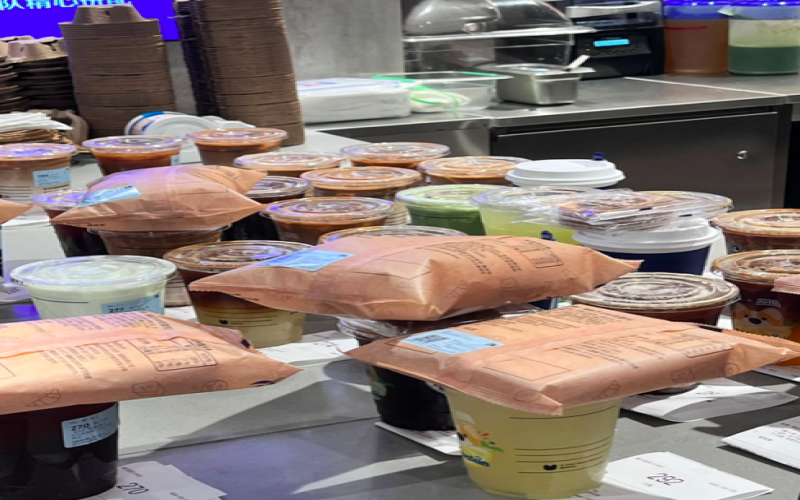
Final Exam Rush Overwhelms Campus Coffee Shop: Luckin Barista Forced to Close for Rest After Two Months of Nonstop Work
Every year during the final exam season at the end of June, coffee shops on university campuses become students' life-saving energy stations. Campus stores of Luckin, Cotti, and others see orders surge, with pickup areas piled high with drinks, and waiting for a cup of coffee often taking nearly an hour. However, a Luckin near a university was unexpectedly empty at noon, with its pickup window blocked and a closure notice posted—staff who had not had a proper rest for two consecutive months simply could not withstand the order pressure of exam week. A Gu Ming milk tea shop on the same campus also temporarily closed. Behind this campus coffee order explosion is both students' preference for value-for-money brands and the revealed dilemma of store staffing. [more…]

Delivery platform's "buy for 0 yuan" promotion caused abnormal online status at Guming stores, sparking controversy as consumers struggle to redeem coupons
A new round of subsidy battles on delivery platforms has once again ignited the tea beverage market, with Meituan handing out large numbers of tea drink vouchers, while Ele.me and Taobao Flash Sale fight back with hefty discounts. However, after claiming the vouchers, many consumers found that Goodme stores in Shenzhen, Xi'an, Chengdu, Nanning, and other places showed as "resting/closed" or out of stock on third-party platforms, making it impossible to redeem normally. Interestingly, the same stores were still open on the official mini-program, and products included in the promotion, such as lemonade, could still be ordered. The contradiction between stores actually being overwhelmed with orders and appearing "closed" online has led many to speculate that this is a measure taken by the brand to ease order pressure. Consumers have expressed dissatisfaction over the chaotic promotion, orders being automatically canceled, and no stock upon arrival at stores. Front Street Coffee continues to follow industry developments and brings in-depth observations. [more…]
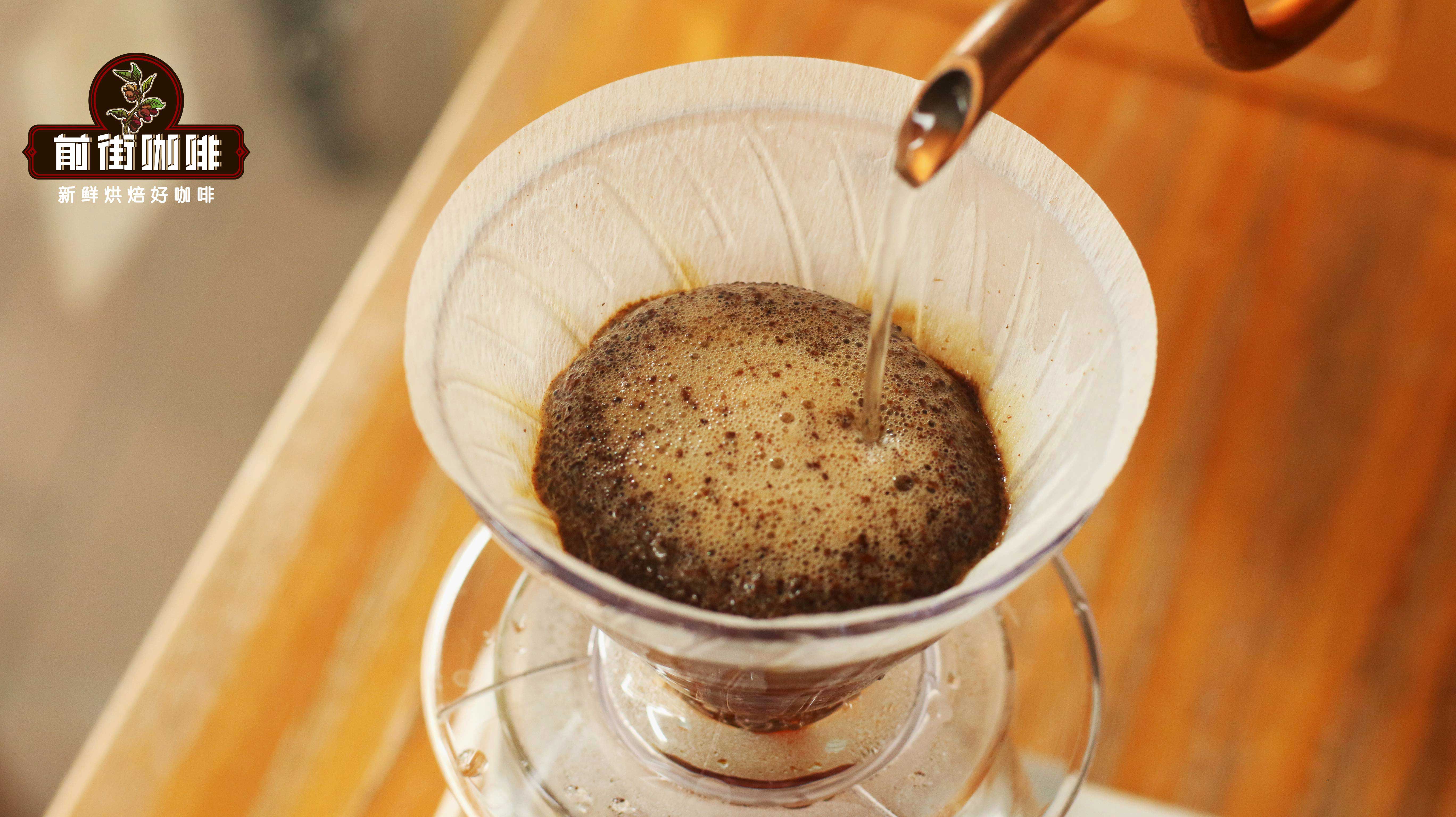
A Complete Guide to Coffee Bean Resting Time: How Many Days of Resting Different Roast Levels Need to Reach Peak Flavor
Friends who have just gotten into coffee beans often ask: how many days should they be rested before drinking? Actually, the answer to this question is closely related to the roast level. After roasting is completed, coffee beans continuously release carbon dioxide, and this process is what's called "resting the beans." If the resting time is insufficient, the gas will rush around during brewing, and the flavor will be greatly compromised. This article sorts out in detail the resting times required for different roast levels, and explains how to judge whether the flavor has reached its peak. At the same time, the article also combines the practical experience of Front Street Coffee to give specific suggestions, helping you enjoy a good cup of coffee at the most suitable time. [more…]

How Many Days Do Coffee Beans Need to Rest? Is Sealed Resting for Pour-Over Beans Feasible? One Article Explains Degassing and the Flavor Peak
Should freshly roasted coffee beans be brewed right away? How many days should you actually wait for resting? This article starts with the principles of coffee bean degassing, explaining why freshly roasted beans need to rest and how the resting period is affected by roasting method, roast level, and roasting style. It also offers practical ways for ordinary consumers to judge the resting period, helping you find the flavor peak of each bean. Drawing on Front Street Coffee's semi-direct fire roasting experience, the article explains reference resting days for medium-light and medium-dark roasts, and addresses whether fully sealed resting is feasible. [more…]
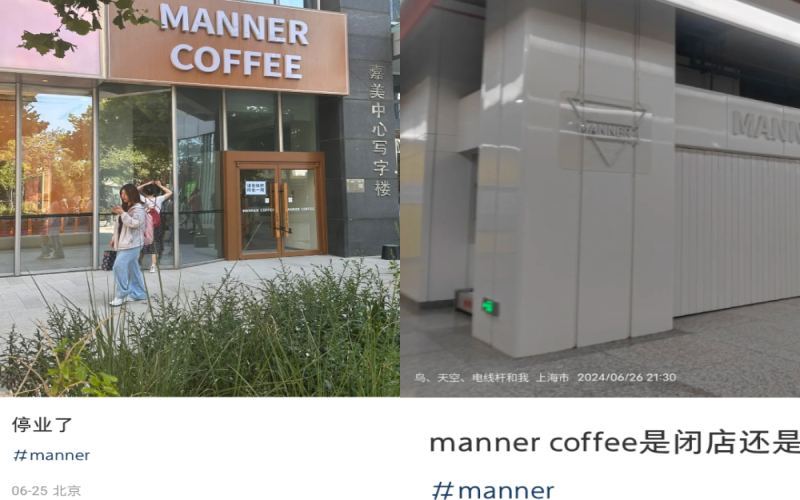
Manner stores see sudden wave of temporary closures: internal staffing adjustments and shortened business hours draw attention
Recently, many consumers have noticed that Manner coffee shops near them have suddenly closed their doors, showing "resting" on the mini-program, with no clear notice and no timetable for resuming business. It is understood that this phenomenon is closely related to Manner's internal personnel adjustments: baristas with excessive working hours are arranged to take leave, while those with insufficient hours are transferred to other stores for support, resulting in some stores having to temporarily close. At the same time, the brand has also shortened the operating hours of some stores, with morning shifts starting later and evening shifts ending earlier. Whether this adjustment can allow Manner to find a balance between chain expansion, specialty quality, and affordable positioning has become a focal point of industry attention. [more…]
Why Do Coffee Bean Bags Puff Up? How Many Days Does Resting Beans Need? A Guide to the Best Drinking Window for Fresh Coffee
The bag of coffee beans you just bought is puffed up—has it gone bad, or is this normal? Many people who brew their own coffee have heard the term "resting the beans," but they may not fully understand the principle behind it. After roasting, coffee beans continue to release carbon dioxide, and this process directly determines how the flavor develops. This article starts with the mechanism of coffee bean degassing, explains why coffee bags inflate, analyzes the three major factors that affect the length of the resting period—heat transfer method, roast level, and roasting style—and uses Front Street Coffee's semi-direct-fire roasting as an example to give specific reference days. Finally, it shares a practical method that teaches you how to use your own senses to judge whether a coffee bean has reached its flavor peak, so you can find the resting period that suits you best. [more…]

Why Does Latte Art Develop Jagged Edges? A Complete Guide from Coffee Bean Freshness to Milk Foam Temperature
Almost every barista who has poured latte art has encountered the situation where dense serrated patterns appear along the edges of the design—seemingly harmless from a distance, but quite unsightly up close. The causes of this problem are not singular; the most common one is that the espresso beans are too fresh, with a high carbon dioxide content. During extraction, a large amount of gas is pressed into the crema, making it rough, thick, and poor in fluidity, making it difficult to blend evenly with milk, which in turn produces a serrated feeling that cannot be pushed open when pouring the pattern. In addition, factors such as milk foam being frothed too thin and milk temperature being too high can also lead to similar phenomena. This article will analyze these causes one by one and provide practical solutions including resting time for beans, milk foam thickness control, and frothing temperature. At the same time, drawing on Front Street Coffee's experience with espresso beans, it helps readers systematically understand and effectively address the problem of serrated latte art patterns. [more…]

The Flavor Window of Cold Brew Beans: From Roasting to Drinking After Opening
The aroma of cold brew coffee lies in low temperature and prolonged contact, and the condition of the beans directly affects what ends up in the cup. Freshly roasted coffee beans usually carry a lot of gas, and their aromas have not yet unfurled; after resting for a period, sweetness, fruity notes, and mouthfeel gradually become more harmonious. Therefore, when choosing beans for cold brew, you should look not only at the flavor description but also at the roast. [more…]

From roast date to opening the bag: an espresso bean flavor timeline
The state of espresso beans changes over time: when freshly roasted, the gases are active, then the aromas gradually unfold, and finally they slowly settle into a gentler state. Therefore, "the closer to the roast date, the better the taste" does not apply to all espresso extractions. When selecting beans, understanding the roast date, giving the beans an appropriate rest, and planning a reasonable schedule for opening the bag make it easier to [more…]

Bialetti Moka Pot: The Rhythm from Opening the Beans to the Cup
Whether the coffee brewed with a Bialetti moka pot has full aroma and a smooth entry is closely tied to how much time has passed since the beans left the roaster. Freshly roasted coffee contains more carbon dioxide, and brewing it right away tends to produce sharp acidity and jumbled aromas; after resting for a period, the flavors gradually settle, and the rich intensity familiar from the moka pot [more…]
The Flavor Clock After Opening Dark Roast Beans
When dark-roasted coffee beans first leave the roaster, the aroma is often very pungent, and the cup tends to show sharp smoky notes, diffuse bitterness, and a sweetness that isn't cohesive enough. The reason is that after roasting, the beans are still releasing carbon dioxide, which affects the state of the coffee bed and the water flow. When buying beans, check the roast date first, then plan your drinking schedule—this matters more than just [more…]

SOE Bag-Opening Rhythm: From Roast Date to Peak Flavor
SOE beans need to go through a degassing process from the completion of roasting to the unfolding of flavor. Freshly roasted beans contain a lot of carbon dioxide, so when brewing, the contact between water and coffee grounds can be uneven, and the aroma may also seem closed off; after proper resting, the acidity, sweetness, floral notes, and finish will gradually come together. Therefore, the closer the date does not necessarily mean the cup [more…]
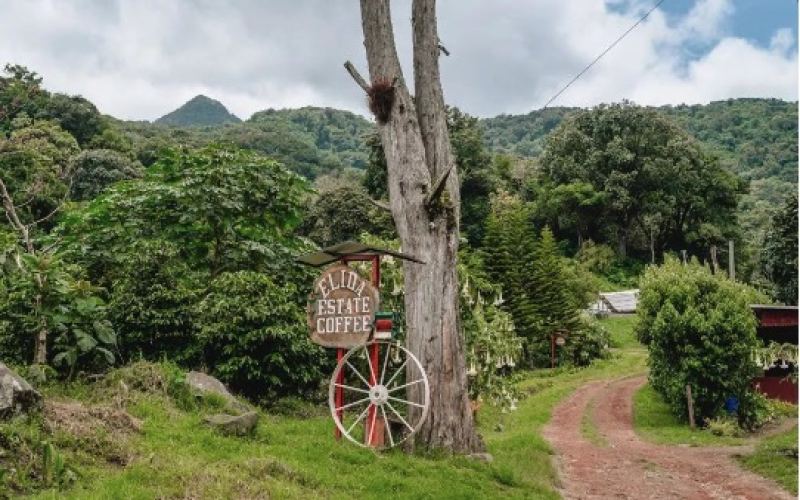
Panama Elida Estate | Introduction to the BOP Estate.
Panama Elida Estate | Introduction to the BOP Estate. Boquete in Boquete is a town in the province of Chiriqui, located near the border between Panama and Costa Rica, close to the famous Baru volcano, with beautiful scenery, fertile and rich soil, an [more…]

Analysis of Drip Bag Coffee Production: Why Is the Best-Flavor Period Shorter Than Coffee Beans? A Full Explanation of the Bean-Resting Concept
Drip bag coffee is deeply favored by coffee lovers for its convenient brewing method, but do you understand the production logic behind it? Front Street stores always insist on freshly grinding and making drip bags on the spot. This seemingly inefficient practice is actually closely related to the extremely short peak flavor period of drip bag coffee. Starting from the production process of drip bag coffee, this article will explain in detail the essential difference between the shelf life and the peak flavor period of coffee beans, analyze why pre-grinding leads to accelerated loss of aroma, and extend to introduce the basic concept of the resting period for coffee beans. At the same time, the article will also share the flavor characteristics of a variety of drip bag products such as Front Street Huakui, Flower Butterfly, Honduras, and PWN Golden Mandheling, helping you enjoy a good cup of coffee within the optimal time. [more…]
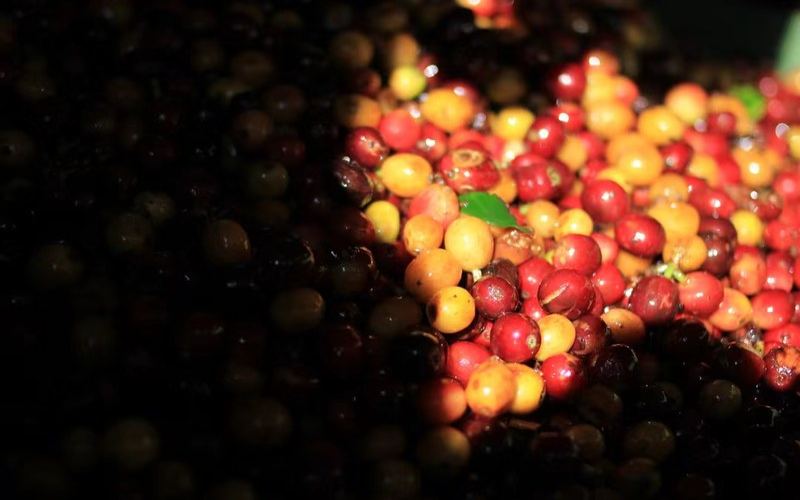
American Black Coffee Beans Recommendation: The Flavor Rhythm from Roasting to Opening
When water is added to Americano black coffee, the concentration of the coffee liquid decreases, and the aroma and aftertaste become easier to identify, so the freshness of the beans is very important. Freshly roasted coffee does not immediately present its full flavor; drinking it too early may have an obvious gassy sensation, while leaving it too long will cause it to lose its vitality. When selecting beans, the roast date and your own [more…]

Grasp the peak flavor window and degassing state to make latte beans' aroma last longer
The aromatic depth and smooth texture presented by a cup of latte are closely related to the current freshness and gas state of the coffee beans. After being heated during roasting, coffee beans continuously release carbon dioxide, and the flavor compounds inside are also constantly undergoing oxidation and transformation. Freshly roasted coffee beans, due to the high concentration of carbon dioxide within them, produce during extraction [more…]
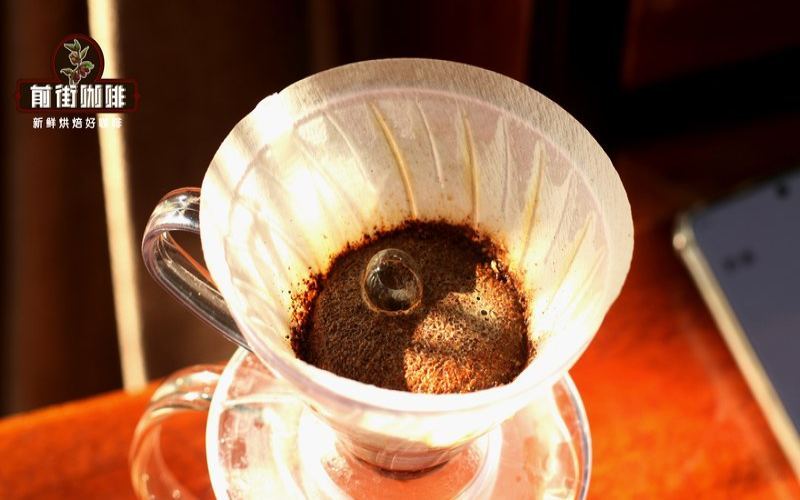
The Flavor Window of Yirgacheffe Beans: How to Buy Them from the Channel and Get Them Home
The floral aroma, citrus notes, and tea-like quality of a cup of Yirgacheffe depend not only on its origin and roasting method, but also on how long it has been since it left the roaster. Freshly roasted beans are not necessarily ready to drink right away; brewing too early may result in scattered aromas, while leaving them too long will gradually cause them to lose their brightness. When choosing where to buy, first confirm the roast date, then plan your [more…]
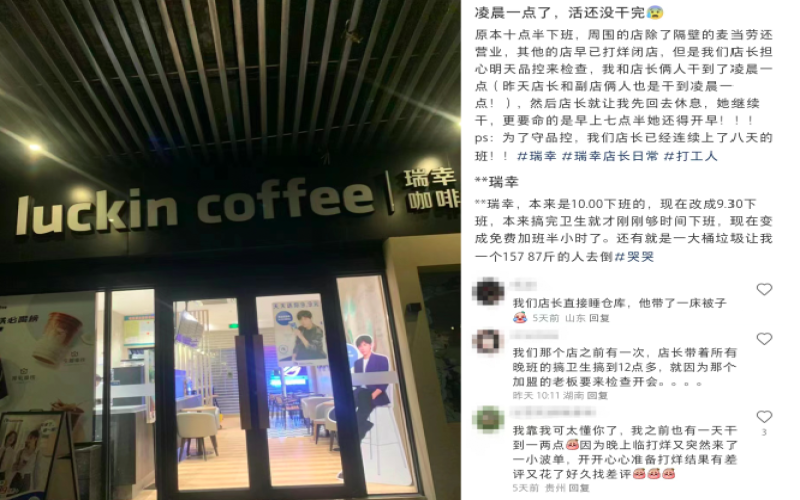
To cope with quality control inspections, Luckin employees frequently work unpaid overtime, leading to dissatisfaction over the mismatch between hours and pay.
In the coffee chain industry, standardized store operation management often brings additional execution pressure. Recently, some Luckin Coffee employees reported that in order to prepare for surprise inspections by the quality control department, night shift staff still have to stay after their regular shift to do deep cleaning, and if the inspection does not come the next day, the whole process must be repeated, with some even still busy in the store in the early morning. Since the March 31 incident, some stores have reduced staffing, and the closing tasks originally shared by two people have fallen on one person, yet overtime work rarely comes with corresponding overtime pay. In addition, the system keeps pushing clock-in reminders during off-duty hours, further increasing employees' anxiety. Some employees pointed out that when they leave their posts to count inventory, they are defaulted by surveillance as taking a break, causing their actual meal time to be invisibly encroached upon. Under the combined effect of various factors, unpaid overtime and working-hour calculation issues are becoming the main troubles for frontline employees. [more…]

Coffee Resting Guide | What Is Coffee Resting? How Long After Roasting Should You Drink Fresh Coffee Beans? How Many Days of Resting Do Coffee Beans of Different Roast Levels Need?
Friends who brew their own coffee may already have some concept of bean resting. It doesn't matter if you haven't heard of it before—below we'll explain why coffee needs resting and how long it should rest. When everyone is brewing coffee, the moment water touches the coffee grounds, the coffee begins to bubble and swell, "watching the coffee slowly [more…]

When should you start drinking SOE americano? Sweetness and acidity are easier to balance.
From the day coffee beans finish roasting, the internal gases, aromatic compounds, and extraction state are constantly changing. When made into an SOE Americano, these changes are stretched out by the hot water: drink it too early, and the acidity may seem jumpy while the aroma has yet to unfold; once it enters the right stage, the transition between acidity and sweetness becomes smoother, and the fruit notes are more complete. Therefore, judging [more…]