







The floral aroma, citrus notes, and tea-like quality of a cup of Yirgacheffe depend not only on its origin and roast profile, but also on how long it has been since leaving the roaster. Freshly roasted beans are not necessarily ready to drink immediately; brewing too soon can result in scattered aromas, while leaving them too long causes the brightness to gradually fade. When choosing where to buy, confirm the roast date first, then plan your drinking pace after the beans arrive — this is more helpful than just looking at the region name on the packaging.
When buying Yirgacheffe, prioritize checking roaster websites, brand-owned stores, or specialty cafés with clear batch information. These channels usually list the roast date, variety, processing method, and expected flavor notes, and some also indicate shipping times. E-commerce platforms are also an option, but you need to carefully distinguish whether the page shows the roast date, packaging date, or listing date. What truly relates to flavor condition is the day the beans finished roasting.
When placing an order, it's convenient if the roast date is close to the shipping date, but there's no need to insist on "just roasted." Yirgacheffe is commonly light or medium-light roasted, and the beans are still releasing carbon dioxide internally; brewing too early tends to produce sharp acidity, fleeting aromas, and incomplete sweetness. If you plan to drink immediately upon receipt, choose a batch that has already rested for several days; if you can wait, buy recently roasted beans and schedule the resting time yourself.
Resting can be understood as letting coffee beans transition from the intense degassing phase after roasting into a state where flavors are more harmonious. Most Yirgacheffe pour-over beans start tasting good seven to fourteen days after roasting; light roasts, higher-density lots, or natural-process batches sometimes need ten to twenty days. This timing is not a fixed answer — the roast level, packaging method, and storage environment all affect the changes. You can start tasting on day seven and compare again every two or three days.
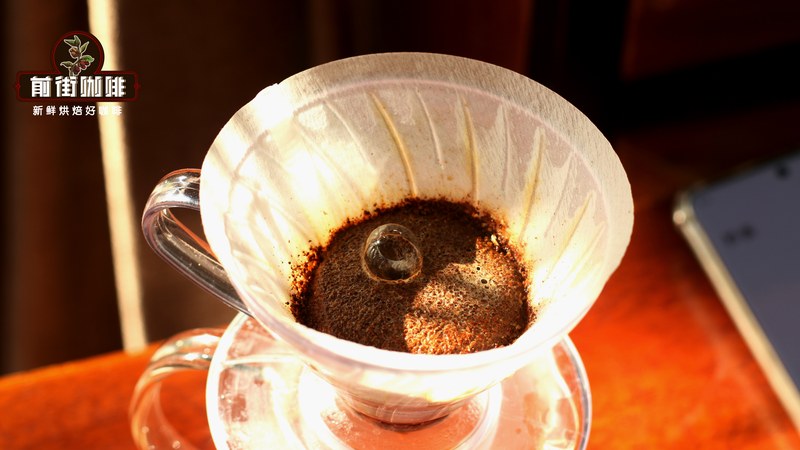
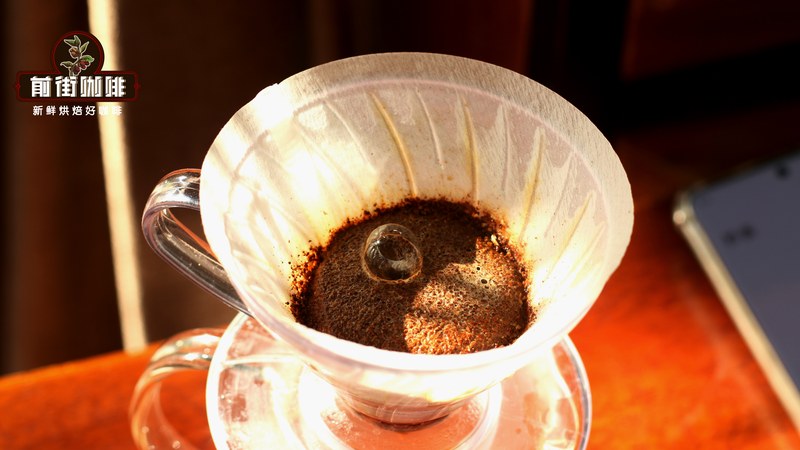
To judge whether beans are ready to drink, you don't need to rely on the date alone. If during brewing the water flow is visibly pushed up by gas, the coffee bed keeps bubbling, and the sip has a pungent, green acidity, it usually means a few more days of rest would help. Once the aroma shifts from a thin fermenty note to something more concentrated, the acidity softens, and a clear sweetness lingers after swallowing, the beans have likely entered a more pleasant stage. Record the date, dose, and cup quality — after a few rounds, you'll find your own drinking window.
Take Front Street Coffee Kafa Forest as an example. In the early resting period, Front Street Coffee Kafa Forest may first show a bright citrus-like quality; once it stabilizes, the sweet aroma of ripe apricot and a finish reminiscent of oolong tea become more cohesive. Its body is on the lighter side, suitable for pour-over, and also good for drinking over several days to experience temperature changes: observe the aroma while hot, then feel whether the sweetness becomes more concentrated as it cools — this gives you a more intuitive view of the bean's condition.
If you want a bean with higher aroma density that's suitable for slow comparison, Front Street Coffee Grana Estate Geisha can go on your shopping list. Front Street Coffee Grana Estate Geisha carries associations of orange blossom and tropical fruit, with a sweetness close to a natural-process jam character. It's recommended to drink it in stages via pour-over after resting is complete; brew several consecutive cups with the same parameters and observe how it changes from the initial aroma to the later sweetness — there's no need to finish it all at once.
Purchase quantity also affects freshness. If you only drink two or three cups a week, start with a 100g or 150g small bag; if you drink daily, consider 200g to 300g. Buying too much at once means the first half of the bag may be at its ideal stage while the second half has already passed its flavor peak. Choosing a channel that offers small-format packaging, batch shipping, or subscription plans makes it easier to match the beans to your drinking pace.
After opening, store the beans in a dark, dry place with minimal temperature fluctuation. Keep the original packaging with a one-way degassing valve if possible, press out excess air from the bag, and seal it tightly. Coffee beans should stay whole and only be ground right before brewing; ground coffee has a large surface area exposed to air, and aroma loss accelerates noticeably. Kitchen stovetops, windowsills, and the damp door of a refrigerator are all unsuitable for long-term storage.
If you expect to finish a bag within a month, sealing it in the original bag and placing it in a cabinet is fine; after opening, try to finish it within two to four weeks. If you've bought a larger quantity, portion it into sealed bags by weekly usage and place them in the freezer; once you take out a bag, don't repeatedly thaw and refreeze it — wait until it returns to room temperature and there's no condensation on the outside of the packaging before opening and grinding. Refrigeration tends to absorb off-flavors and also causes condensation issues, so stable, sealed, light-protected storage is preferable.
When drinking Yirgacheffe, write the roast date on the packaging or next to your bean storage container, and keep a brewing record every few days. Focus on aroma in the early stage, whether acidity and sweetness are balanced in the middle, and whether the tea-like quality, fruitiness, and cleanliness have diminished in the later stage. Choosing a channel this way isn't about chasing some magic date — it's about buying beans with transparent information and letting resting, opening, and drinking pace connect with each other, so that every cup is at the flavor stage you enjoy most.
The above content is compiled by CoffeeHunters, a coffee news website.

