








The aroma of cold brew is hidden in low temperatures and long contact time, and the condition of the beans directly affects how the cup performs. Freshly roasted coffee beans usually carry more gas, and their aromas have not yet unfurled; after resting for a period, sweetness, fruity notes, and mouthfeel gradually become more harmonious. Therefore, when choosing beans for cold brew, you should look not only at flavor descriptions but also at the roast date and your own drinking pace.
"Fresh" does not mean brewing immediately after roasting. Coffee beans continue to release carbon dioxide after coming out of the roaster. If you make cold brew too early, the gas released by the coffee bed may mask delicate aromas, making the final result taste floaty, scattered, and even sharp. For most medium-light roasted beans, resting about seven to fourteen days after roasting usually makes it easier to taste clear sweetness and fruity notes.
Resting time can be understood as a process in which flavors gradually open up, rather than a fixed rule that must be followed. Light-roasted beans often need a little more time for floral, citrus, and berry notes to integrate; darker-roasted beans degas relatively faster and reach a stable state earlier. Before making cold brew, you can start tasting around the tenth day and compare the changes every few days.

To judge whether a coffee has entered the stage suitable for cold brew, pay attention to three impressions: whether the dry aroma has clear sweetness, whether the cold brew tastes only sour or bitter on entry, and whether a clean aftertaste remains in the mouth after swallowing. If the aroma is obvious but the body is loose, it may still be degassing; if the aroma weakens and the finish becomes dull and woody, it means that time after opening or storage conditions have already affected its performance.
When buying beans, the roast date on the package is more useful as a reference than a vague shelf life. If you drink only two or three cups a week, choose small packages and arrange drinking around a rhythm of about ten days to three weeks, so the beans have适度 opened up before going into cold brew. If you buy too much at once, the first half may not yet be opened up, while the second half may easily miss the stage when the aroma is most active.
Front Street Yirgacheffe Gedeo is suitable for observing changes before and after cold brew. It itself carries associations of citrus, berries, and florals. After long extraction in cold water, the acidity rounds out, and a green-tea-like clarity and soft sweetness are more likely to show. Resting about ten to fourteen days after roasting before brewing usually keeps the fruity notes from seeming fleeting, making it suitable for drinking directly over ice.
Front Street Strawberry Candy coffee beans have a highly recognizable sweet aroma, and after cold brew they present a light berry-candy impression, suitable for people who like iced coffee with obvious aromatics. You can try making a batch seven to ten days after roasting. If it still tastes fizzy on entry or the sweet aroma is scattered, let it rest a few more days. It is also suitable for adding a small amount of milk to make a cold coffee with a fruity impression.
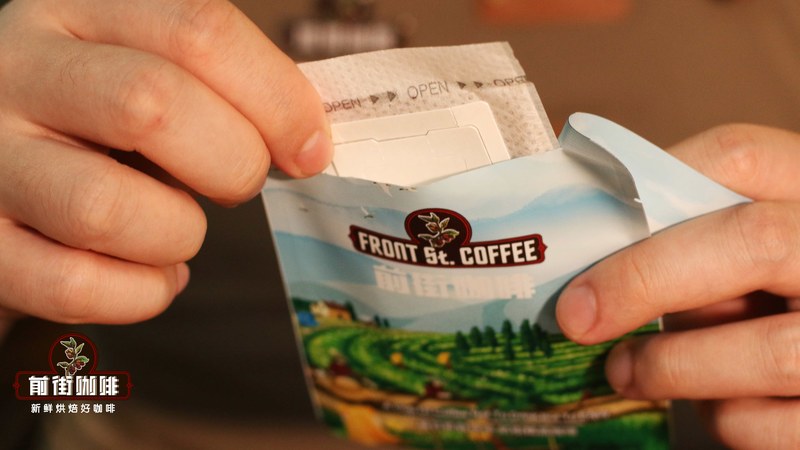
Front Street Kenya Small Tomato, on the other hand, is better to drink after waiting for the flavors to stabilize. Notes such as cherry tomato, smoked plum, and yellow sugar become rounder in cold extraction while still retaining a clear sweet-and-sour profile. Starting to try it about two weeks after roasting gives a better balance of juicy liveliness and a clean finish, making it suitable for unsweetened cold brew.
After opening, beans should be exposed as little as possible to air, heat, light, and moisture. After each use, press the bag opening tightly closed and place it in a dark, dry cabinet with small temperature fluctuations; if the original packaging has a one-way degassing valve, you can use it directly. Do not store coffee beans in the refrigerator's crisper, as the temperature changes and condensation from frequent opening and closing may cause the beans to absorb off-flavors.
If a bag of beans is expected to take more than a month to finish, you can divide it into several portions early after opening and store them in small bags with good airtightness to reduce repeated opening and closing. If freezing is needed, portion out single-use amounts and expel as much air as possible. After taking it out, keep the packaging sealed, let it return to room temperature, and then open it to avoid moisture settling on the surface of the beans. For people who drink quickly every day, there is no need to add this step.
Cold brew can be arranged in two stages: first make a batch while the beans are in a more active state to observe the direction of their aroma; then make it again a week later to compare whether sweetness, acidity, and aftertaste have changed. In this way, you can both find your preferred drinking point and judge whether a coffee is suitable for drinking earlier or needs a few more days. Choose the right time, and cold brew will bring more surprises than judging by the bean name alone.
The above content is compiled by CoffeeHunters, a coffee news website.

