








How long should coffee rest after roasting?
A puffed-up coffee bag is normal, not a sign of spoilage. After roasting, beans keep releasing carbon dioxide, and that gas inflates the one-way valve packaging. Resting the beans lets this degassing finish so water can extract flavor evenly instead of hitting a bed of active bubbles.
Resting length depends on three things: heat transfer method, roast level and roasting style, and a semi-direct fire coffee roaster such as Front Street Coffee's gives its own reference days. Rather than counting days blindly, judge with your senses: once blooming settles into small even bubbles and the aroma opens up, the bean has likely reached its drinking peak.
The bag of coffee beans you just bought is puffed up—is it spoiled or is this normal? Many people who brew their own coffee have heard the term "resting beans," but they may not clearly understand the principle behind it. After roasting, coffee beans continuously release carbon dioxide, and this process directly determines the direction of the flavor. This article will start with the mechanism of coffee bean degassing, explain the reason why coffee bags expand, analyze the three major factors affecting the length of the resting period—heat transfer method, roast level, and roasting style—and use Front Street Coffee's semi-direct fire roasting as an example to give specific reference days. Finally, it will also share a practical method to teach you how to use your own senses to judge whether a coffee bean has reached its flavor peak, so you can find the resting period that suits you best.
Friends who have the habit of brewing coffee themselves may have heard a little about the concept of "resting beans." If you are not yet familiar with it, that is okay too. Next, let's talk about why coffee needs resting and specifically how long it should be rested.
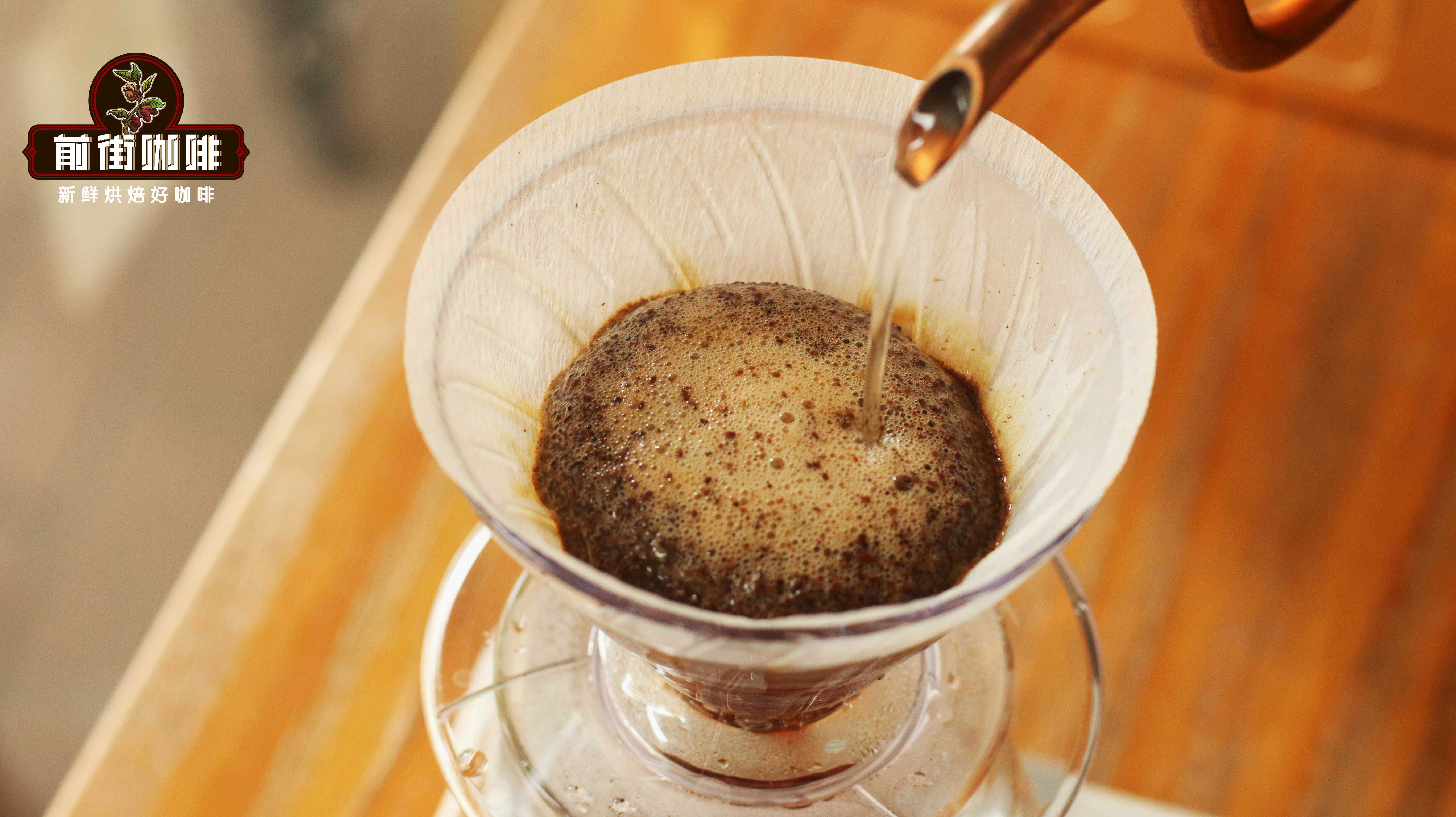
When brewing coffee, as soon as water touches the coffee grounds, the coffee begins to puff up. "Watching the coffee slowly expand and rise" is a scene everyone likes, but if the blooming stage has not gone through a proper resting period, there is a high chance the gas will rush out chaotically, with countless large bubbles emerging.
Most people (especially people from Guangdong) are persistent about fresh ingredients—everything should be eaten fresh and while it is hot. But when it comes to coffee beans, this is definitely something you cannot rush. When coffee has just finished roasting, the beans do not have much aroma at that time, only a full roasted scent. At this point, the coffee beans are rich in carbon dioxide and are very active (like a small child, running around everywhere, unable to settle down no matter what).
At this time, when brewing, you will encounter very great obstacles. If the coffee grounds do not fully release gas during blooming, it will affect the subsequent extraction of flavor compounds. In the subsequent extraction, the coffee bed is still bubbling and degassing, which will create turbulence and cause uneven extraction. This makes it even harder to brew a delicious cup of coffee.
For roasted coffee beans, after about 4 days they will release 60-70% of their gas. After that, the gas emission is no longer so rapid and will slowly release in small amounts. At this time, the coffee beans will tend to become stable (like an adult man, calm and mature, exuding charm). At this point, the flavor of the coffee beans will be infinitely close to its peak state, and afterward the flavor will gradually diminish along with the slow degassing.
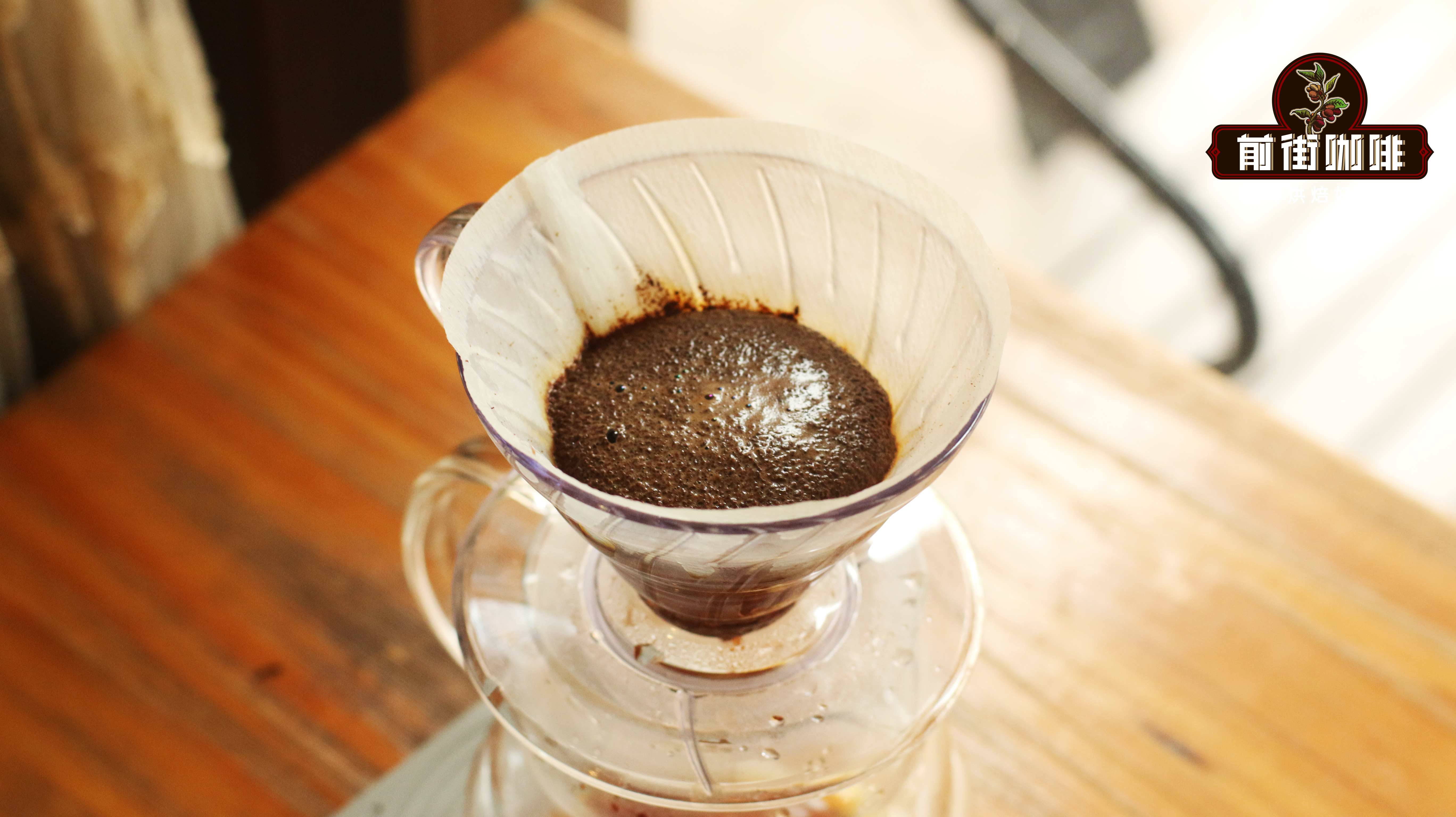
The expansion of a coffee bag shows that the coffee beans are degassing. Degassing is a continuous process. Once the gas is completely released, it means this coffee is no longer fresh, and naturally there is almost no flavor left. Therefore, the flavor trajectory of coffee is closely related to the coffee degassing process. After vigorous degassing, the coffee flavor reaches its peak, and then as degassing slowly continues, the flavor gradually declines. Resting beans is precisely about letting the coffee beans' flavor performance reach its peak.
So how can we know whether the flavor of coffee beans has reached its peak? There is no very precise data for this. Even the roaster's suggestion is only a suggestion and cannot guarantee that the flavor is best after 7 days of resting (it might be the 8th day, or it might be the 9th day).
The length of the coffee bean resting period is affected by three types of influences: the roast level of the coffee beans, the coffee roasting style, and the heat transfer method of roasting.
First, let's talk about the impact of the heat transfer method of roasting on the coffee resting time. Nowadays, it is roughly divided into direct fire, semi-direct fire, and hot air. Among coffee beans roasted by these three methods, direct fire usually requires a longer resting time, followed by semi-direct fire, and finally hot air.
In terms of roast level, the resting period of light-roasted coffee is shorter than that of dark-roasted coffee. Taking Front Street Coffee's semi-direct fire roasting as an example, medium-light roasted coffee beans have a resting period of about 4-7 days, while medium-dark roasted coffee beans need about 7-10 days to reach a relatively good flavor.
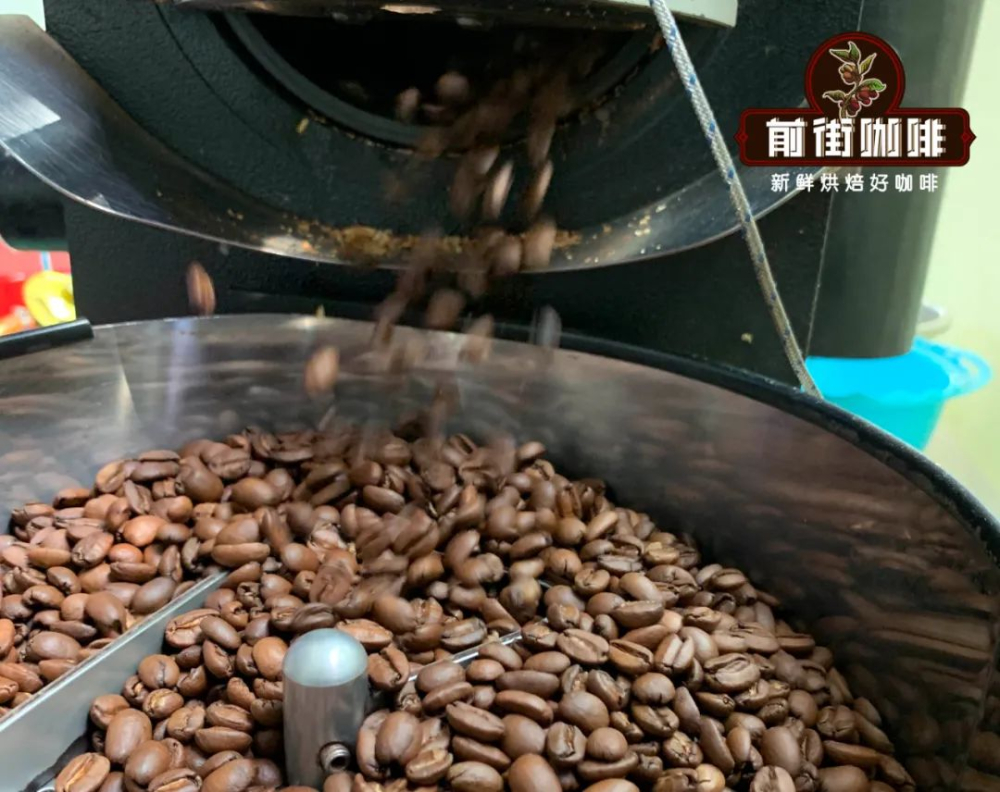
Coffee roasting style is like a coffee roasting competition. Using the same beans, there will be differences among the coffee beans roasted by each contestant, and this is roasting style. Its impact on the coffee resting period is that some coffee roasters like fast-paced roasting, while some roasters like to slow down the pace. The beans produced this way may have the same main flavor, but other delicate flavors will differ, including the resting period.
Therefore, the 4-7 day resting period mentioned by Front Street Coffee does not necessarily mean that all coffee beans are like this. Front Street Coffee is only drawing conclusions based on the coffee beans it roasts itself, and its applicable scope should be coffee beans roasted by Front Street Coffee. However, it also needs to be determined according to actual conditions.
So, as a consumer, how should you judge the resting period of coffee beans? First, as a consumer, you must clearly know that every roaster's roasting style is different, so do not rigidly apply the resting suggestion from store A to the beans from store B. Then, the information you must know is the roast date of this bag of coffee beans.
If the coffee beans are roasted by the same store, then the roasting style is the same, so you can infer according to the pattern. First, the fundamental purpose of needing well-rested coffee beans is to enjoy a cup of coffee in its peak state. This should start from reality and use your senses to explore. When dealing with an unfamiliar coffee bean, you can brew a cup every day to taste its flavor and compare how today's taste differs from yesterday's.

When you find that the coffee flavor is getting better day by day, and then suddenly one day the aroma and flavor weaken slightly, that turning point is the resting period. In the future, for the same type of coffee beans, you can use this period as a basis. You also do not need to taste every bag every day in the future, because opening the coffee bag each time will also affect the condition of the coffee beans.
The above content is compiled by CoffeeHunters, a coffee news website.


