
Friends who brew their own coffee may have some concept of the term "bean resting." It's okay if you haven't heard of it before—below, we'll explain why coffee needs resting and how long it should rest.
When everyone is brewing coffee, at the moment the water touches the coffee grounds, the coffee starts to bubble up. "Watching the coffee slowly expand and puff up" is a scene everyone enjoys, but if it hasn't gone through the resting process for the blooming stage, there's a high chance the gas will chaotically escape, with countless large bubbles emerging.
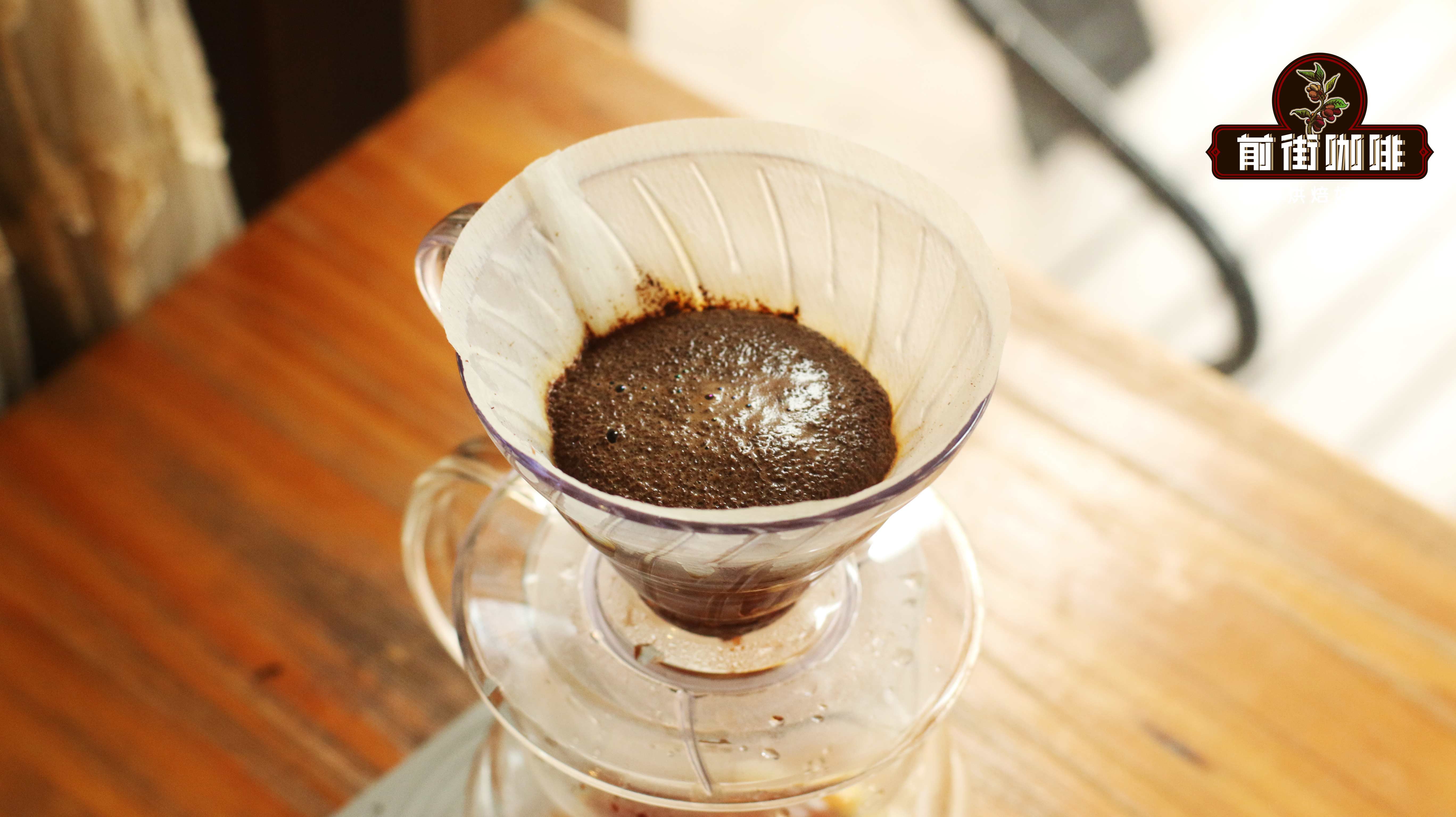
Most people (especially those from Guangdong) are particular about fresh ingredients—everything must be fresh and hot. But when it comes to coffee beans, you absolutely can't rush this. Right after coffee is roasted, the beans don't have much aroma yet, only a full roasted scent. At this point, the coffee beans are rich in carbon dioxide and very active (just like a little kid, running around everywhere, impossible to hold still).
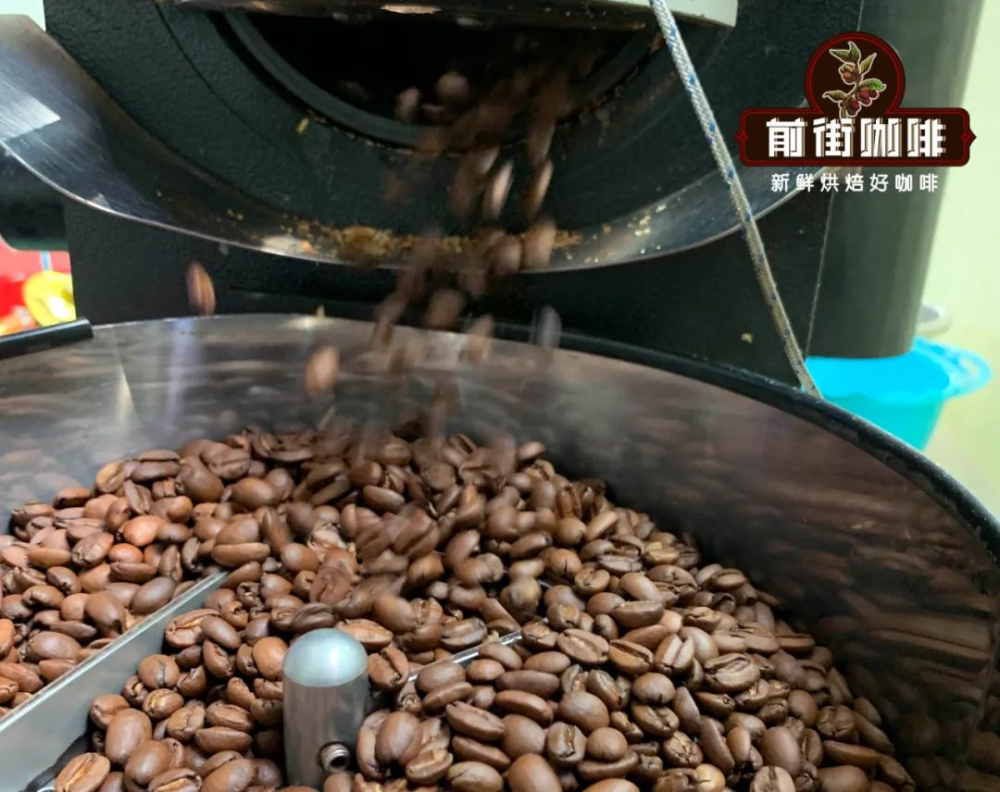
When brewing at this time, you'll encounter huge obstacles. If the coffee grounds don't fully release gas during the blooming stage, it will affect the subsequent extraction of flavor compounds. During the later extraction, the coffee bed is still bubbling and releasing gas, which creates turbulence and causes uneven extraction. This makes it even harder to brew a delicious cup of coffee.Roasted coffee beans will release about 60-70% of their gas over roughly 4 days, after which the gas release is no longer so rapid—it will slowly release in small amounts. At this point, the coffee beans become more stable (like a mature man—calm, mature, and charming). The flavor of the coffee beans will then approach its peak state infinitely, and afterward the flavor gradually diminishes as the slow gas release continues.

The coffee bag inflating indicates that the coffee beans are releasing gas.
Degassing is a continuous process. Once the gas is fully released, it means the coffee beans are no longer fresh, and the flavor is naturally almost gone. Therefore, the flavor trajectory of coffee is closely tied to the degassing process. After vigorous degassing, the coffee flavor reaches its peak, and then as degassing slows, the flavor gradually declines. Resting the beans is simply letting the coffee beans reach their peak flavor expression.So how can we know whether the coffee beans' flavor has reached its peak? There's no very precise data for this. Even roasters' recommendations are just suggestions—they can't guarantee that resting for 7 days will give the best flavor (it might be day 8, or day 9).
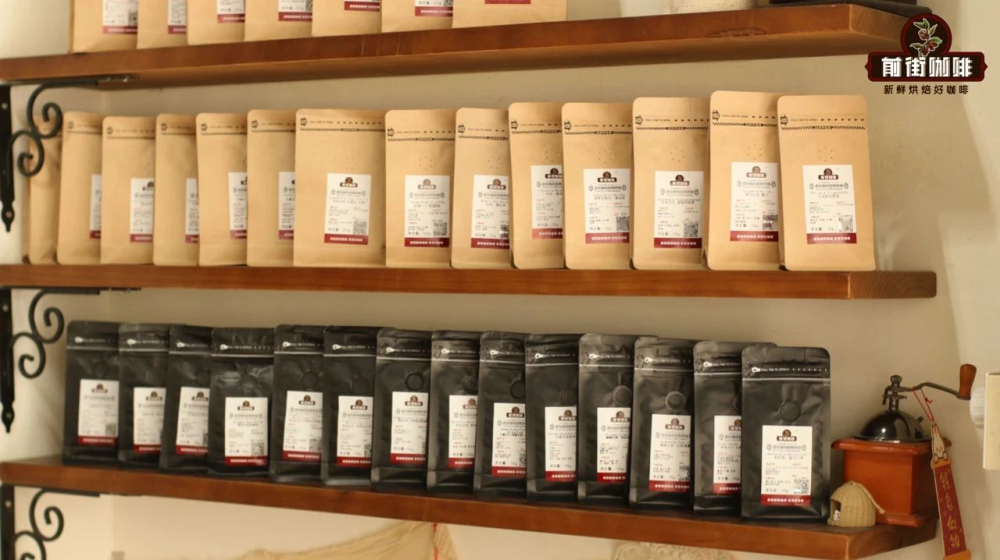
The length of the coffee bean resting period is influenced by three factors: the roast level of the coffee beans, the coffee roasting style, and the method of heat energy transfer during roasting.First, let's talk about how the method of heat energy transfer during roasting affects coffee resting time. Currently, this is roughly divided into direct fire, semi-direct fire, and hot air. For coffee beans roasted by these three methods, direct fire usually requires a longer resting time, followed by semi-direct fire, and finally hot air.In terms of roast level, light-roasted coffee has a shorter resting period than dark-roasted coffee. Taking Front Street Coffee's semi-direct fire roasting as an example, medium-light roasted coffee beans need about 4-7 days of resting, while medium-dark roasted coffee beans need about 7-10 days to reach a relatively good flavor.

Coffee roasting style is like a coffee roasting competition—using the same beans, there will be differences between each contestant's roasted coffee. This is roasting style. Its impact on coffee resting time is that some roasters prefer fast-paced roasting, while others prefer a slower pace. The beans produced this way may have the same main flavors, but the other subtle flavors will differ, including the resting period.So the 4-7 day resting period mentioned by Front Street Coffee doesn't necessarily apply to all coffee beans. Front Street Coffee's conclusion is based only on its own roasted coffee beans, so its applicable scope should be Front Street Coffee's roasted coffee beans. However, it also needs to be determined based on actual circumstances.

So as a consumer, how should you judge the resting period for coffee beans? First, as a consumer, you must clearly understand that every roaster's roasting style is different, so don't rigidly apply Store A's resting suggestions to Store B's beans. Then, the information you must know is the roast date of this bag of coffee beans.If the coffee beans are roasted by the same store, then the roasting style is the same, so you can deduce based on patterns. First, the fundamental purpose of resting coffee beans well is to enjoy a cup of coffee at its peak state. This requires starting from reality and using your senses to explore. For an unfamiliar coffee bean, you can brew a cup every day to taste its flavor, comparing today's taste with yesterday's.

When you find that the coffee flavor is improving day by day, and then suddenly one day the aroma and flavor weaken slightly, that turning point is the resting period. For similar types of coffee beans in the future, you can use this period as a reference. You won't need to taste every bag every day in the future either—after all, opening the coffee bag each time also affects the condition of the coffee beans.
The above content is compiled by CoffeeHunters, a coffee news website.









