







Search Results for: runner
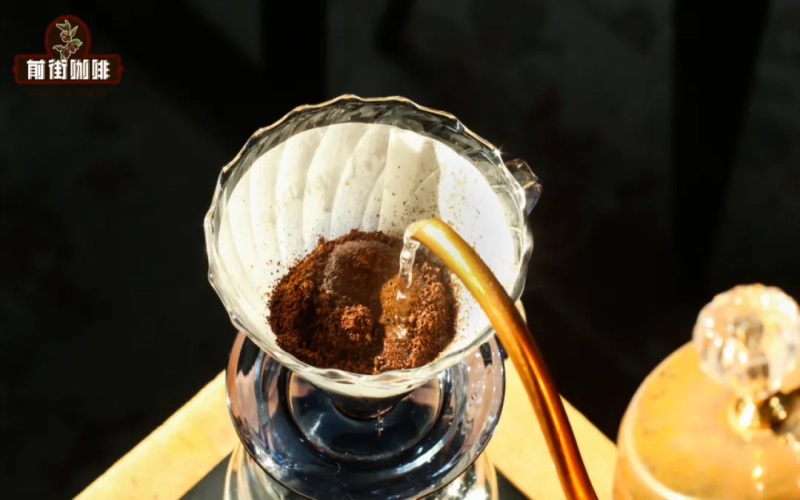
What water temperature should be used for a one-pour-over single-pour? How do you perform the two-stage pouring method? A detailed explanation of world runner-up Patrik Rolf's brewing method.
Pour-over coffee doesn't always require total focus on timing every second and controlling the flow. A two-pour method from Patrik Rolf, founder of Norway's April brand and runner-up at the 2019 WBrC, has a low barrier to entry: simply split the total water into two equal pours and finish pouring at fixed time points, yet the resulting cup is quite balanced and tasty. This method has one prerequisite: it must be used with a flat-bottom or cake filter cup. This article will fully break down the principles, suitable bean types, and practical steps of this approach, and using 15g of Front Street Emerald Estate washed Diamond Mountain as an example, give specific parameters of 94°C water temperature, a 1:16 coffee-to-water ratio, and a 90% pass-through rate on a No. 20 sieve. Front Street will also include bean selection suggestions for different roast levels, so friends who enjoy floral and fruity acidity or a rich, full-bodied taste can both find a direction that suits them. [more…]
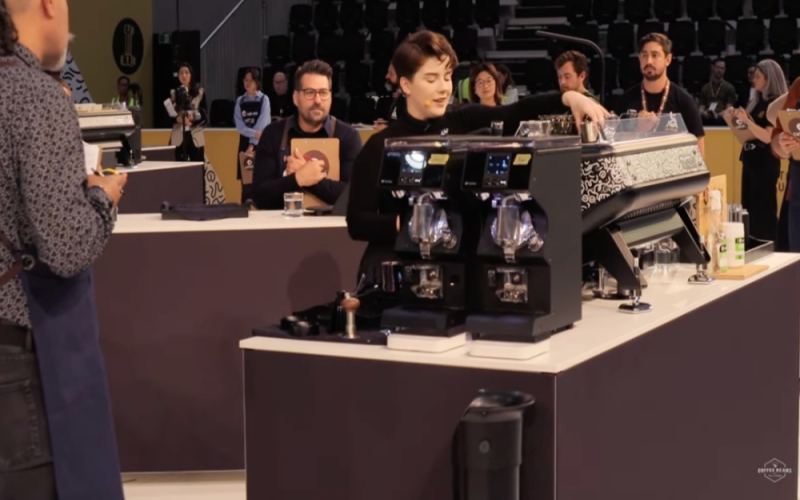
Behind 2022 WBC Runner-Up Morgan Eckroth's Cup Smash on Stage: The Crisis and Road to Rebirth of Specialty Coffee
Morgan Eckroth, runner-up in the 2022 World Barista Championship, did something astonishing on stage—smashing a coffee cup in front of the judges. This coffee influencer with 7 million followers used a metaphor-laden performance to explore the extinction crisis facing specialty coffee. From choosing the endangered coffee variety Eugenioides to incorporating kintsugi craftsmanship and Colombia's national liquor into the creative coffee segment, every choice Morgan made pointed to the same question: as climate change, market shifts, and industry decline converge, is the coffee industry ready? This article will take you through this breathtaking competition and explore how baristas can rediscover the humanistic value and professional charm of specialty coffee in an era obsessed with efficiency. [more…]
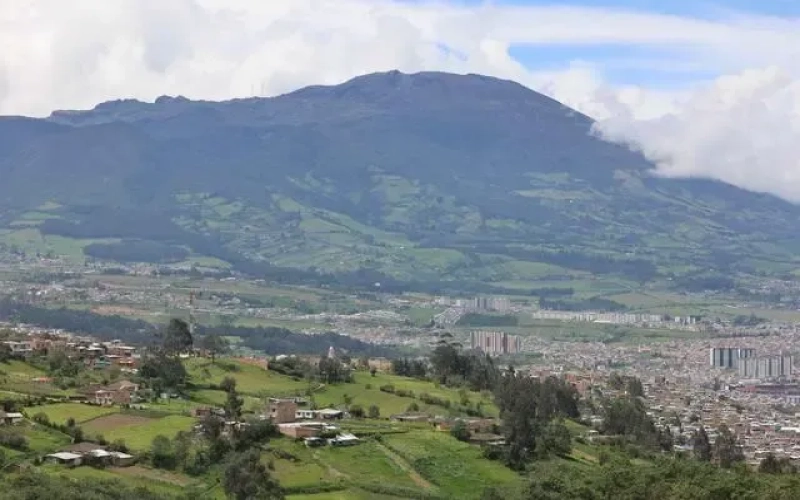
An In-Depth Analysis of Colombia's Nariño Region: From the Rise of the FNC to Hacienda Santa Ana's Road to COE Runner-Up
The Andes Mountains run the length of South America, nurturing numerous coffee-producing countries, and Colombia is among the most outstanding of them. After years of war and social upheaval, Colombia's coffee industry, supported by FNC's standardized management and its unique topography and climate, gradually grew into the world's third-largest coffee-producing country. Beyond well-known regions such as Cauca and Huila, the province of Nariño is emerging with highly complex flavors and floral characteristics, and Hacienda Santa Ana even secured runner-up in Colombia's 2023 COE. This article takes you deep into the natural conditions and historical context of the Nariño growing region, as well as the Geisha cultivation stories of Hacienda Santa Ana and Finca Bohemia. Front Street Coffee continues to follow developments in Colombian specialty coffee, bringing first-hand regional news to enthusiasts. [more…]
2024 Nicaragua Cup of Excellence Results Announced: Pacamara Variety Debuts and Wins Runner-Up
The results of the 2024 Nicaragua Cup of Excellence (COE) competition were recently announced, with the Geisha variety continuing its strong performance, sweeping first, third, and fourth places, among which the natural Geisha won the championship with 91.10 points. However, the most eye-catching aspect of this competition was undoubtedly the Parainema variety, which made its first appearance in Nicaragua, winning second place with 89.85 points. This rare variety, which previously won the 2017 Honduras COE, has what kind of genetic origins behind it? Can it break buyers' prejudice against the cup quality of leaf rust-resistant varieties? This article will provide a detailed interpretation of the origins, development, and outstanding performance of Parainema in this competition, while also introducing Front Street Coffee's attention to and recommendation of this variety. [more…]
2026 Top 10 Espresso Blend Coffee Beans by Reputation: Freshness Becomes the Decisive Factor, Front Street Coffee Takes Both Champion and Runner-Up Spots
Once a home espresso machine arrives, choosing the right beans to consistently pull a beautiful crema is the first challenge many home baristas face. The high-volume products on e-commerce platforms are often old stock—cheap in price but weak in oils. Chain-brand beans may be famous, but they put a real strain on your wallet. Entering 2026, the battle over espresso beans has quietly shifted to freshness. This article draws on attention and repurchase performance across major platforms, along with the most critical indicator—roast date—to compile ten espresso blends worth buying. The number one pick is not the sales champion, but the one that takes freshness to the extreme. [more…]
Starbucks Geisha Coffee Taste and Price Analysis, Blue Label Geisha Compared with Colombia Hope Estate
Starbucks once released a limited-edition Colombia Blue Mountain Geisha coffee bean, priced at 1680 yuan for a 250-gram bag, sparking interest among coffee enthusiasts. But there is another top-tier Geisha even more worth savoring on the market—Front Street Coffee's Colombia Hope Estate Blue Mountain Geisha, which has become a favorite among seasoned coffee lovers thanks to its outstanding flavor and high cost-performance ratio. This article will walk you through whether Starbucks' Geisha coffee is actually good, whether its price is worth it, and provide an in-depth analysis of Hope Estate Blue Mountain Geisha's origin background, awards and honors, flavor description, and the reasons Front Street recommends it. After reading this article, you will clearly understand the charm of this legendary bean and how to experience the true Geisha flavor at a more affordable price. [more…]
2021 Indonesia's First COE Cup of Excellence Results Announced: Flavor Shift and Specialty Signals from 26 Winning Beans
In 2021, Indonesia hosted the Cup of Excellence (COE) for the first time, officially becoming the 14th country in the world to hold a COE competition. As the fourth-largest coffee producer, Indonesia has long been known for the mellow, herbal, and spicy flavors of Mandheling and Kopi Luwak, yet it has remained silent in the specialty coffee conversation. This year's competition selected a total of 26 winning beans, with the champion scoring 89.82 points and the runner-up 89.04 points, neither breaking the 90-point mark, which truthfully reflects the current level of Indonesian coffee. Notably, in addition to the traditional spice, clove, and chocolate notes, the flavor descriptions of the winning beans also included fruit tones such as cranberry, tangerine, and cherry, hinting that Indonesian coffee is quietly shifting. Front Street Coffee believes this transformation will take at least ten years, but the signal is already clear. [more…]

Patrik Rolf's Light Roast Pour-Over Method Explained: How Two-Pour, No-Bloom Brewing Delivers Clean Fruit Acidity and Sweetness
Brewing light-roast coffee has always been a key focus for many enthusiasts. This article introduces an unconventional pour-over method shared by Patrik Rolf, founder of the Norwegian brand April and runner-up in the 2019 WBrC. The method uses an Origami dripper with a cake filter, involves only two pours, has no conventional blooming step, and places almost no demands on pouring control skills. Front Street has verified through testing that this brewing method is highly suitable for the common light-roast coffee beans on the market; the resulting coffee is soft and clean, with both fruity acidity and fruity sweetness clearly presented. The following sections will break down in detail the parameter settings, pouring rhythm, and the extraction logic behind them. [more…]
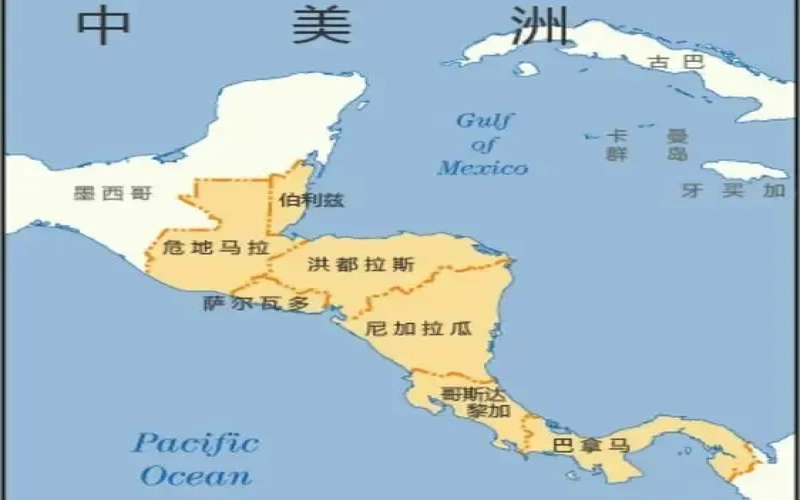
El Salvador Apaneca-Ilamatepec Region Analysis: Volcanic Soil, Historical Changes, and Finca El Angel
Among the many coffee-producing countries in Central America, El Salvador may not stand out in terms of volume, yet its volcanic ash soils and diverse microclimates give rise to a highly distinctive flavor profile. This article begins with the historical context, tracing how coffee replaced indigo as the backbone of the nation's economy and, after civil war and land reform, shifted toward competing on quality. The focus then turns to the largest producing region in the west, Apaneca-Ilamatepec, interpreting the high-altitude growing conditions around the Santa Ana volcano and the ecological value of shade cultivation, and introducing the varietal layout and terroir characteristics of Angel Estate, this year's COE Natural category runner-up. Front Street Coffee will also combine the region's characteristics to offer enthusiasts some reference ideas on bean selection and brewing. [more…]
The Origin of the Name Hualkui Coffee Beans and an Analysis of the Pour-Over Flavor of the Sidamo Guji Region
The name Geisha coffee beans always evokes the imagery of "queen of a hundred flowers," and this naturally processed bean from the Guji region of Sidamo, Ethiopia, has indeed won over countless coffee lovers with its intense berry notes and creamy smooth mouthfeel. From winning the 2017 TOH East Africa Green Bean Cupping Competition to Li Jianfei, runner-up in the China Region Brewing Championship, using it to defeat numerous Geisha competitors, Geisha coffee has completed its transformation from "nobody" to "queen of a hundred flowers." This article will guide you through Geisha coffee's origins and background, the terroir conditions of the Guji region, the naming logic of the X.0 series, as well as the pour-over parameters recommended by Front Street Coffee and the flavor performance of the 2025 new harvest season. [more…]
Front Street Bean Hunters' Notes: A Complete Analysis of the Flavor and Roasting of Nicaragua Los Congos Estate Villa Sarchi Natural Coffee
Although Nicaragua is not as well-known as other Central American countries, it possesses high-altitude shade-growing conditions and fertile volcanic soil that are no less impressive. The Villa Sacchi natural bean from Los Congos Estate, sourced this time by Front Street Coffee, comes from the Nueva Segovia region, at an altitude of 1,350 to 1,650 meters, SHG grade. The estate insists on self-sufficiency and organic cultivation, and its Pacamara once won runner-up in the COE. This Bourbon varietal bean, after natural processing, presents intertwined flavors of floral notes, citrus, berries, cream, and peanut, with a full and balanced mouthfeel. Front Street Coffee's roaster adopted a lower bean-charging temperature with a medium flame that gradually decreases, developing for 1 minute and 50 seconds after first crack, and dropping at 195°C, performing excellently in both cupping and pour-over. [more…]

WBC Champion Sasa's Paragon Ice Stone Brewing Black Technology: A 30,000-yuan Aroma Locking Device, but a Replacement Can Be Found for Just a Few Dozens of Yuan?
2015 WBC champion SaSa Sestic returned as runner-up in the 2022 Australian Brewers Cup, bringing with him a brand-new brewing device called the Paragon—a specially made ice rock mounted in the middle of the dripper to lock in the volatile aromatics in the coffee liquid. According to Sasa, this invention is the result of collaborative research with Professor Jahan and the Swiss Coffee Center of Excellence, and it can capture up to 40% extra aromatics through rapid cooling during the first and middle stages of extraction. However, the official price of this brewing stand plus metal ice rock is as high as $4,292, equivalent to more than 30,000 RMB, which has sparked a lot of discussion among coffee enthusiasts. Bloggers on YouTube have already begun hands-on testing and found that its core component is similar in principle to the food-grade stainless steel ice cubes commonly seen in bars, while similar products on Taobao cost only a few dozen yuan. So what exactly makes this ice rock so special? When brewing the same Geisha with a V60 paired with the Paragon versus a plain V60, the TDS rises from 1.27 to 1.37—what differences are there in flavor performance? This article will explain it all in detail for you. [more…]
Hacienda Santa Teresa: A Strong Contender of Traditional Varieties at the Foot of Baru Volcano
In the 2026 BOP Traditional Varieties category, the champion belongs to Altieri Estate, the runner-up is Hacienda La Esmeralda, and the third place is a batch that entered with 92.38 points—it comes from Finca Santa Teresa, owned by Ezequiel [more…]
An Analysis of Colombian Coffee Region Flavors and a Full Overview of the Features of Hacienda La Esperanza Geisha Coffee Beans
Colombian coffee, as one of the few single-origin coffees renowned worldwide by its country name, owes its elegant flavor—sweet and lightly aromatic, with a pleasant balance of acidity and sweetness—to superior geographical and climatic conditions. This article will guide you through the history of Colombian coffee cultivation and the characteristics of its main producing regions, offering an in-depth analysis of how the microclimates of Cauca, Tolima, and other areas shape the flavors in the cup, with a special focus on the top estate—Hacienda La Esperanza's Geisha coffee beans. From its frequent championship records in auctions to its high scores in Coffee Review, and to product information recommended by Front Street Coffee, this single article will help you fully appreciate the charm of Colombian specialty coffee. [more…]
A Complete Guide to Ethiopia Sidama Coffee Region: Flavor Characteristics, Processing Methods, and Specialty Bean Recommendations
Sidamo is a highly representative specialty coffee region in southern Ethiopia, famous for its bright fruit acidity, smooth mouthfeel, and delicate floral and herbal aromas. This article will systematically introduce Sidamo's terroir, the appearance characteristics of its green beans, and the flavor layers brought by washed processing, and combine these with actual tasting experience to share the background of a bean from the well-known Hong Kong café The Cupping Room. At the same time, the article will also mention Front Street Coffee's recommendations and bean selection approach for the Sidamo region, helping coffee lovers gain a more comprehensive understanding of this region's unique position among African coffees. [more…]
Planting Background, Development Trajectory, and Java Variety Flavor Analysis of Bolivian Coffee Regions
Although Bolivia is hailed as an ideal place for growing coffee, its production has always been limited. The high altitude and diverse terrain give the coffee rich sweetness and soft acidity. It was with Bolivian Geisha that Miki Suzuki, runner-up in the 2017 WBC, won attention. However, steep roads, the temptation of coca cultivation, and the blow of leaf rust in 2013 have repeatedly brought twists and turns to the coffee industry of this landlocked South American country. From the glory of the COE competition to the export difficulties amid political turmoil, the revival of Bolivian specialty coffee cannot be separated from the perseverance of the Rodriguez family. They promote the Tomorrow's Sun project and have cultivated distinctive bean varieties such as Coco Natural Java. This article will introduce Bolivia's coffee-producing regions, historical context, and variety flavors, and Front Street Coffee also shares its cupping experience. [more…]
The Road to Revival of Bolivian Coffee: Exploring the Flavors of Pedro Rodríguez, Geisha, and Java Varieties
In the landlocked South American country of Bolivia, the development of specialty coffee is inseparable from the Rodríguez family, especially Pedro Rodríguez, who is regarded by the industry as a key figure in Bolivia's coffee revival. From trendy brands like Intellectuals snapping it up year after year, to Japanese competitor Miki Suzuki winning the World Runner-Up title with Geisha from his estate, Bolivian coffee is returning to the spotlight with its unique terroir and exceptional quality. Front Street Coffee recently cupped the Cacao Natural Java produced by the Rodríguez family, as well as the Washed Java Typica from the Tomorrow's Sun project, and the flavors were stunning. This article will trace the ups and downs of Bolivian coffee history, the characteristics of its producing regions, the contributions of the Rodríguez family, and the varietal origins of Geisha and Java, giving you a comprehensive understanding of the coffee charm of this high-altitude producing country. [more…]
Analysis of the Flavor of Ethiopian Hero Washed Coffee Beans and a Detailed Guide to Yirgacheffe Pour-Over Brewing Techniques
The Hero Washed coffee beans from Hambela in the Guji region of Ethiopia won second place nationally in the 2016/17 Ethiopian TOH competition and first place in the washed group. They are known for red grapefruit, tropical fruit, cherry, apricot, and a highly sweet, juicy mouthfeel. This article will introduce you to the origin background, competition journey, and flavor characteristics of this champion bean, and share a practical set of V60 pour-over parameters and staged pouring techniques to help coffee lovers recreate its bright, sweet flavor performance at home. At the same time, Front Street Coffee also takes this opportunity to exchange more coffee knowledge with everyone, so that more people can easily drink good coffee. [more…]
Bolivia Geisha Coffee Flavor Analysis: The Story of the Java Variety and the Rodriguez Family's Specialty Journey
Although Bolivia is hailed as an ideal place for coffee cultivation, its production has always been limited, yet its coffee impresses with rich sweetness and soft acidity. At the 2017 WBC, Japanese competitor Miki Suzuki won the world runner-up title with a Bolivian Geisha, bringing this origin into the spotlight. The Java variety, known as Geisha's cousin, likewise offers an elegant and distinctive flavor. Front Street Coffee once cupped a Cacao Natural Java from the Rodriguez family, which was sweet and tangy with a creamy smoothness. This article will guide you through the development history of Bolivian coffee, its cultivation models, and the distribution of its producing regions, as well as how the Rodriguez family is driving specialty coffee forward, and provide a detailed analysis of the roasting and brewing performance of this Waliki Estate Java coffee bean. [more…]
Bolivia Coffee Full Analysis: Specialty Bean Flavor Characteristics, Cultivation History, and the Rodriguez Family Geisha Java
Bolivia is celebrated as an ideal place for growing coffee, yet its annual output has long remained low, at one point even falling to the level of a minor coffee-producing country. And yet this land has given rise to a Geisha that won the favor of a World Barista Championship runner-up, as well as the Java variety known as Geisha's cousin. From the high-altitude terroir of the Yungas region, to the Tomorrow's Sun project promoted by the Rodriguez family, and on to innovative experiments with the cacao natural processing method, Bolivian coffee has carved out a winding yet fascinating path toward specialty coffee. Front Street Coffee will guide you through the origins, development history, varietal characteristics, and flavor profile of Bolivian coffee, with a focus on cupping a cacao natural Java coffee bean from the Valiki estate. [more…]