







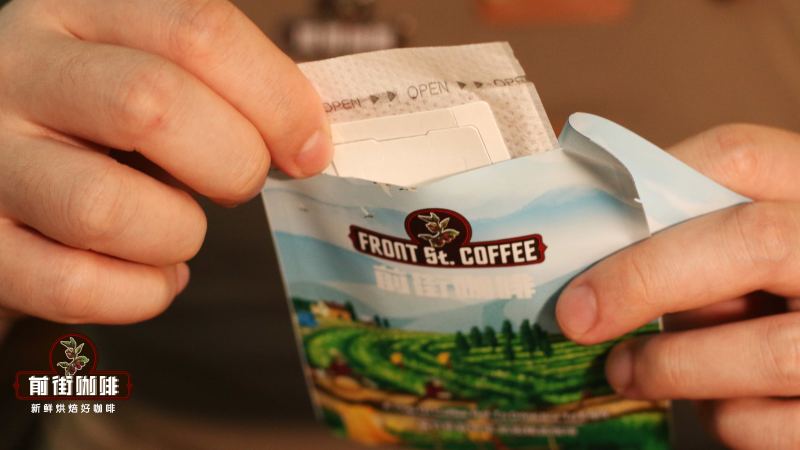
How Does Drip Bag Coffee Production Shorten the Flavor Window?
Drip bag coffee is ground and packed fresh because grinding exposes far more surface area than whole beans, so aroma compounds escape quickly. A roasted bean can carry a shelf life of up to a year, but its flavor window is much shorter. Pre-grinding for batch production pushes a drip bag past its drinking peak before it ever reaches the customer.
Front Street makes drip bags to order for this reason. The range includes floral lots such as Huakui and Huahudie with bright acidity, and a PWN Golden Mandheling drip bag with chocolate and caramel notes and a mellow body. The article also covers bean resting, the wait after roasting before coffee production and brewing give the flavors time to settle.
Drip bag coffee is deeply favored by coffee lovers for its convenient brewing method, but do you understand the production logic behind it? Front Street stores always insist on freshly grinding and making drip bag coffee on the spot. This seemingly inefficient practice is actually closely related to the extremely short flavor window of drip bag coffee. This article will start from the production process of drip bag coffee, explain in detail the essential difference between the shelf life and the flavor window of coffee beans, analyze why pre-grinding causes aroma to dissipate faster, and extend to introduce the basic concept of coffee bean resting period. At the same time, the article will also share the flavor characteristics of multiple drip bag products such as Front Street Huakui, Huahudie, Honduras, and PWN Golden Mandheling, helping you enjoy a good cup of coffee within the best time.
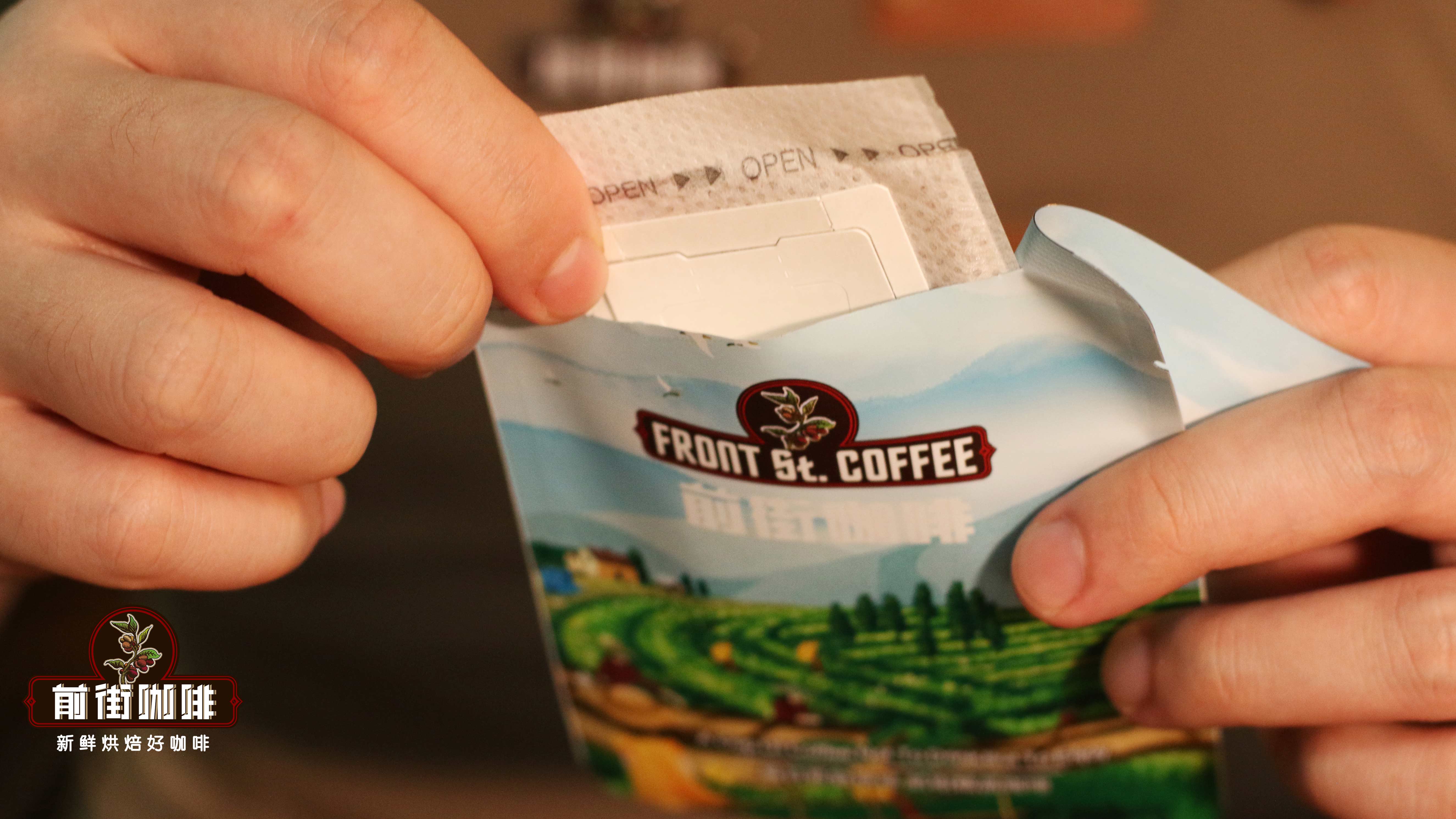
Among all products in Front Street stores, drip bag coffee is probably the one that takes the longest to make. Anyone who has bought drip bags in the store should have had this firsthand experience—after placing an order, you always have to wait patiently for a while, because Front Street insists on grinding and making it fresh.
So why not make them in batches in advance? Pre-packaging drip bags like many merchants do would save effort and keep customers from waiting idly. Doesn't that sound like the best of both worlds?
That is indeed true, but the flavor window of drip bag coffee simply does not allow us to operate that way.
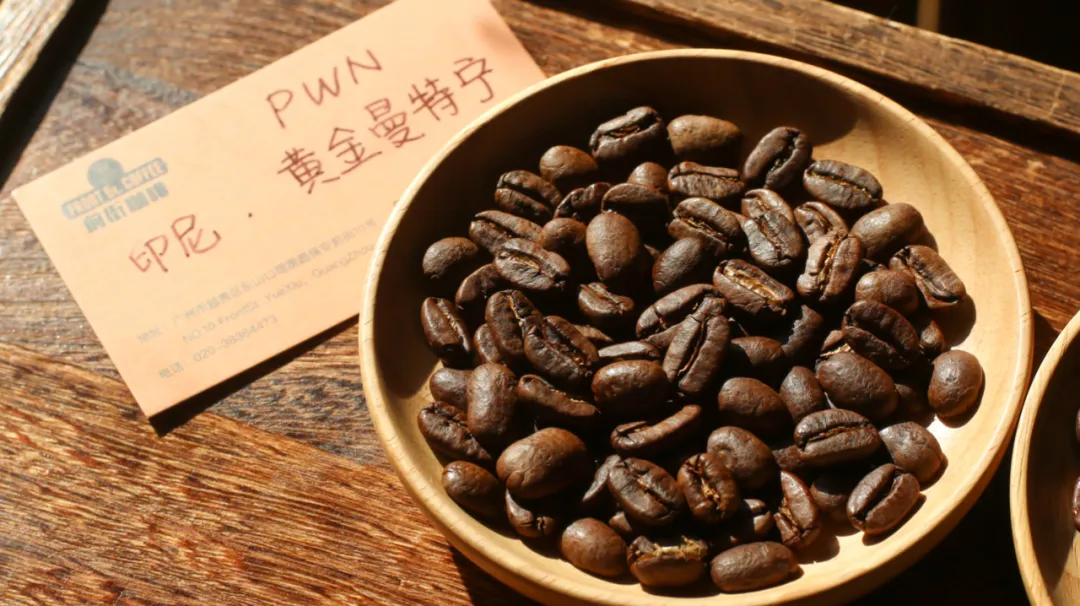
Drip bag coffee usually uses higher-quality single-origin beans, such as the richly floral Front Street Huakui drip bag and Front Street Huahudie drip bag, which brew with a bright, refreshing acidity and sweetness; while the Front Street Honduras drip bag and Front Street PWN Golden Mandheling drip bag carry chocolate and caramel notes, with a mellow, full-bodied taste.
How long exactly is the flavor window of drip bag coffee?
First, let's understand a premise: the shelf life of roasted coffee beans can be as long as one year. In other words, under proper storage conditions, these beans are safe and harmless to use for making coffee within one year. But be sure to note that "shelf life" and "flavor window" are completely different things.
The so-called "flavor window" refers to the period after coffee beans are roasted during which their flavor reaches its fullest and richest state. Brewing and drinking during this time allows you to fully experience all the aroma characteristics of the coffee, that is, its "peak stage" of flavor.
However, the shortcoming of the flavor window is very obvious—it is too short. Compared with a shelf life of up to one year, the flavor window lasts only about two months. Once this window is exceeded, it becomes very difficult to capture its unique flavor characteristics when brewing it again. So never confuse shelf life with flavor window.
What has been said above only refers to unground roasted coffee beans. The flavor window of drip bag coffee is even one quarter shorter than that of coffee beans, which works out to just over one month. For this reason, Front Street insists on grinding and making it fresh, solely so that customers can have a better drinking experience when they receive it.
Why is the flavor window of drip bag coffee even shorter?
This has to start with the source of coffee flavor. The coffee flavors we taste mainly come from the aromatic substances contained inside the coffee beans, and most of these components are volatile. Therefore, from the moment roasting ends, these substances begin to continuously escape outward.
However, coffee beans are a complete entity and have not yet been ground, so the rate of volatilization is relatively slow. Drip bag coffee, on the other hand, must first pre-grind the coffee beans into powder and then put them into packaging—the problem lies precisely in this step.
The moment grinding begins, a large amount of volatile aroma is released as the coffee beans are crushed, which is also why a rich fragrance can always be smelled when grinding coffee. Second, after coffee beans become powder, the surface area exposed to air increases sharply, and the aromatic substances remaining in the beans also dissipate faster.
In other words, after grinding is completed, because the surface area increases many times over, the rate at which aroma components are lost will accelerate significantly. Even if methods such as freezing or nitrogen flushing are used to "preserve freshness," they can only slightly delay this process, and the difference in effect is not significant. This is the fundamental reason why drip bag coffee must be ground and made fresh—pre-grinding directly shortens the flavor window.
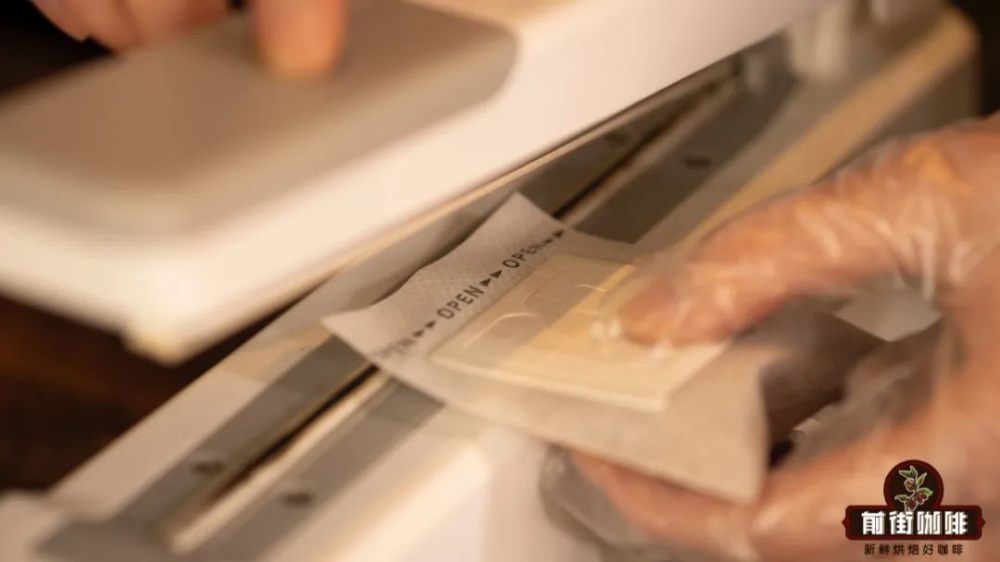
For this reason, every time Front Street makes drip bag coffee, it requires cooperation among multiple people. A small packet of drip bag coffee needs several people to work together to complete, with the aim of racing against time and reducing as much as possible the time the coffee grounds are exposed to air, so that the flavor window can be extended a little longer. Therefore, after receiving drip bag coffee, everyone had better drink it within one month.
The above content is compiled by CoffeeHunters, a coffee news website.


