







Search Results for: Kenyan
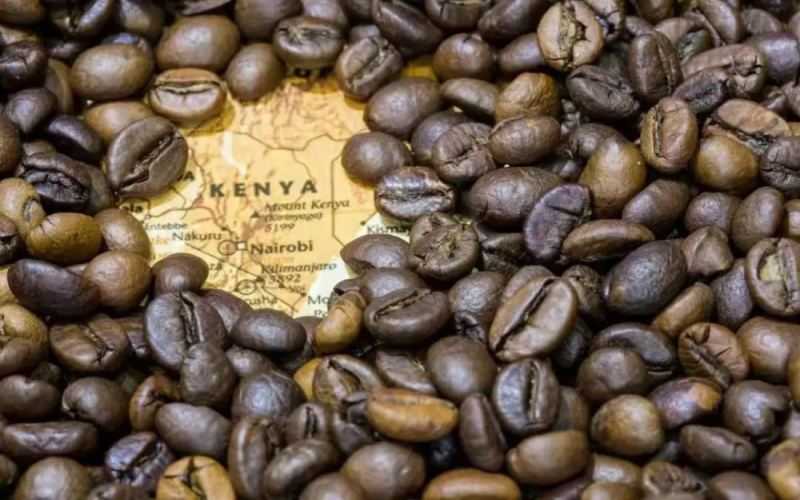
Kenyan Specialty Coffee Beans | Why Does Kenyan Coffee Have Such High Recognizability? Where Does the Acidity in Kenyan Coffee Come From?
Honestly, Front Street Coffee is very fond of Kenyan coffee. If you're a friend who frequently visits Front Street Coffee's stores to drink coffee, it's not hard to notice that among the many samples Front Street Coffee shares, Kenya has a very high appearance rate. As for why we like it so much, Front Street Coffee believes this point is shared by many enthusiasts alike. Because Ken [more…]

Medium-Light Roast Coffee Bean Recommendations | Why Is Kenyan Coffee So Popular? What Factors Create the Acidity of Kenyan Coffee? How Do You Brew a Delicious Kenyan Pour-Over?
Honestly, Front Street Coffee is very fond of Kenyan coffee. If you are a friend who frequently visits Front Street Coffee's stores to drink coffee, it will not be hard to notice that among the many samples Front Street Coffee shares, Kenya has a very high rate of appearance. As for why we like it so much, Front Street Coffee believes that on this point, we are in complete agreement with many enthusiasts. Because Ken [more…]
Kenyan Coffee Beans | Introduction to the AA Grading and Flavor Characteristics of Kenyan Coffee Beans
For more specialty coffee knowledge, please follow: Front Street Coffee (Frontsteet Coffee) Kenya AA coffee has always been regarded as one of the best specialty coffees in the world. For some friends who are not very familiar with Kenyan coffee, Front Street is often asked what AA means. Besides [more…]
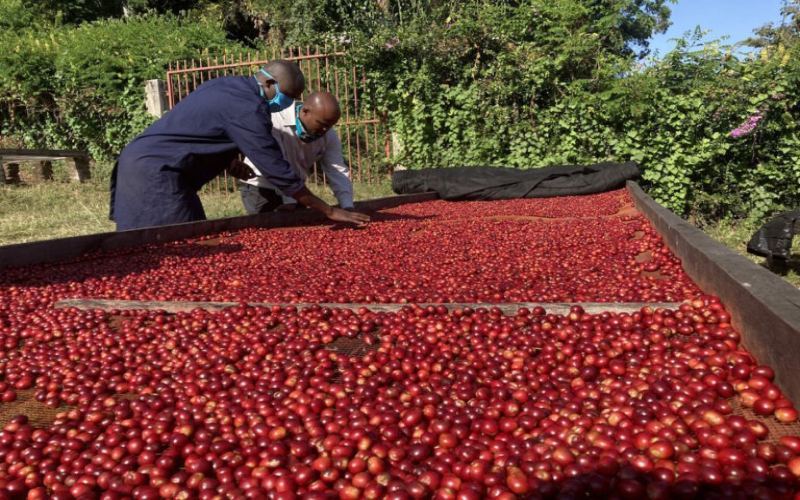
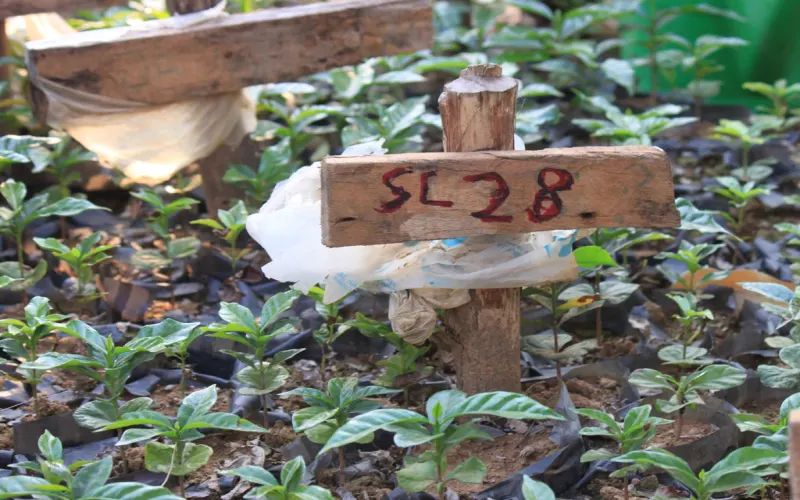
Complete Guide to Kenya PB Round Beans: From SL28 and SL34 Varieties to the K72 Washed Process
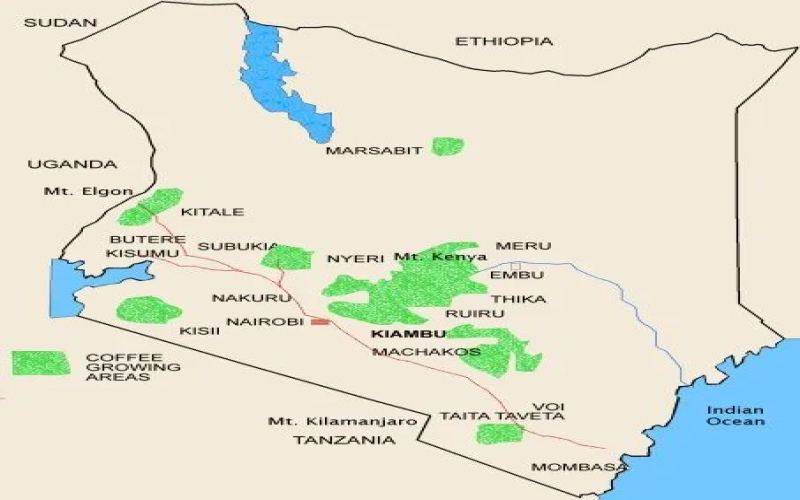
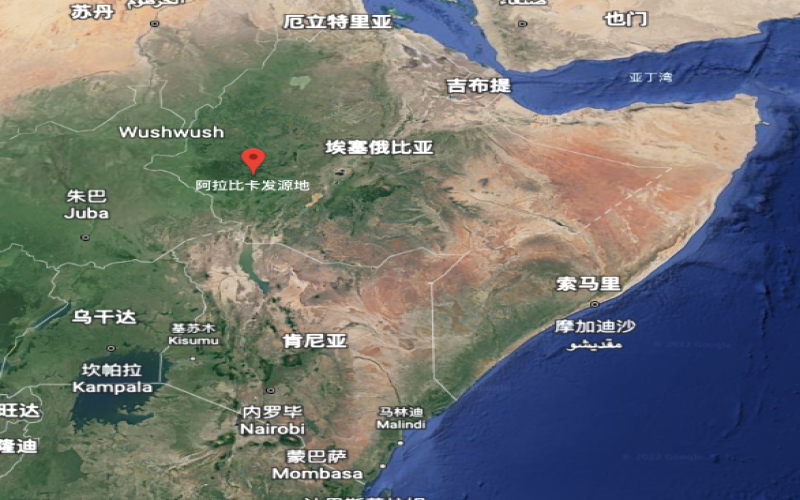
Although Kenya is not the birthplace of coffee, its high altitude, large day-night temperature difference, and phosphorus-rich soil give rise to coffee beans with a distinct flavor. This article will guide you through Kenya's coffee-growing geography, the origins of the SL28 and SL34 varieties, the AA and AB grade classifications, and exactly what the unique PB round beans are. At the same time, we will also introduce the Kenya 72-hour washed processing method (K72) recommended by Front Street Coffee, and how to brew a cup of Kenyan coffee with bright acidity and rich layers using the pour-over method. [more…]

Where Does Kenyan Coffee Flavor Come From? A Full Breakdown of Varieties, K72 Double Washing, and Iced Brewing
Kenyan coffee is renowned worldwide for its bright, uplifting fruit acidity and full, berry-juice-like mouthfeel. The formation of this unique flavor is inseparable from the local high-altitude volcanic soil, the two major varieties SL-28 and SL-34, and the signature K72 double washed processing method. This article will systematically sort out the core characteristics of Kenyan coffee, from terroir and variety origins to processing techniques, roasting, and extraction, and introduce the flavor performance of several representative Kenyan beans available at Front Street Coffee shops. In addition, it will share three iced drink methods suitable for showcasing Kenya's acidity—ice hand pour, ice drip, and cold brew—to help coffee lovers who enjoy fruity acidity brew a refreshing and pleasant cup of Kenyan coffee at home. [more…]
Recommendations for pour-over beans with pronounced sweetness and rich fruity aromas | What factors influence Kenyan coffee flavor? Are berry-flavored single-origin coffee beans suitable for beginners?
When it comes to acidic coffee, many people may only think of Ethiopia's Yirgacheffe, Huakui, or Panama's Geisha, but they don't know that Kenyan coffee also has a rich sweet-and-sour aroma and a juice-like mouthfeel. Kenyan coffee is usually processed using the double washed method, with varieties being SL28 and SL34. [more…]
In-Depth Analysis of Kenyan AA Washed Coffee: Comparing the K72 Double Fermentation Process with Sun-Dried Bourbon Flavors
Kenyan coffee is world-renowned for its bright and complex acidity, and the K72 washed processing method pushes this characteristic to the extreme. This article will take you deep into Kenya's coffee origins and variety composition, break down every step of the K72 double fermentation process in detail, and compare and taste the flavor differences brought by washed and natural processing methods. From the Asali Honey Processing Station in the Thika region to the French Mission Bourbon at Hania Estate, we will use two coffees of distinctly different styles as samples to analyze their aroma, acidity, sweetness, and aftertaste. Whether you are a beginner just getting to know Kenyan coffee or an experienced enthusiast looking for brewing inspiration, this article can provide you with valuable reference. [more…]
Kenya Coffee Beans | Origin, Grading, and Flavor Characteristics of Kenyan Coffee Beans: An Introduction to Water Temperature and Grind Size Parameters for Kenyan Pour-Over Black Coffee
For more specialty coffee knowledge, please follow our WeChat official account: Front Street Coffee (FrontStreet Coffee). The bright fruit acidity and vivid, full, outstanding mouthfeel of Kenyan coffee make it unforgettable to anyone who has tried it. Front Street Coffee has cupped quite a few coffee beans from different producing regions in Kenya. If we were to say that high [more…]

African Coffee | What Are the Differences Between Ethiopian and Kenyan Coffee Varieties? An Introduction to the Processing Methods, Flavor, and Taste Characteristics of Ethiopian and Kenyan Coffee
Ethiopia and Kenya, Africa's renowned coffee-producing countries, are highly celebrated in the specialty coffee world. The coffee flavors from both regions are predominantly fruit-acid oriented, but the difference lies in that Ethiopian coffee features a bright, uplifting acidity with a clean and refreshing mouthfeel, while Kenyan coffee exhibits berry fruit [more…]
An In-Depth Analysis of Kenyan AA Coffee: Origin Terroir, Grading System, and the Causes of Its Bright Fruit Acidity
On the African continent, beyond Ethiopia, Kenya is equally a presence that cannot be overlooked in the specialty coffee landscape. Anyone who has come into contact with specialty coffee, after experiencing how remarkably vivid coffee acidity can be, will almost always ask the same question: where does the coffee with the most prominent acidity come from? The brewers at Front Street Coffee often point to Kenya in their answer. Kenyan coffee is renowned for its clean and translucent cup, full and rounded body, and highly recognizable fruity acidity, conquering the taste buds of countless coffee lovers. This article will systematically review Kenya's coffee-growing terroir, historical evolution, characteristics of the top ten producing regions, and official grading standards. Using the washed fermentation process as an entry point, it will explain the reasons behind the formation of its signature flavors, and finally include the specific brewing recipe for Front Street Kenya Azalea for reference. [more…]
Kenya Coffee Bean Brewing Tutorial Sharing
With the rise and popularity of the specialty coffee concept, emphasizing the flavor of origin—that is, the taste of the bean itself—has become a consensus, at least among some people. And after 2000, the third wave emphasized origin and light-roast flavors, and many single-origin coffees became increasingly well known. Among them, Kenyan coffee is known for its bright acidity. [more…]
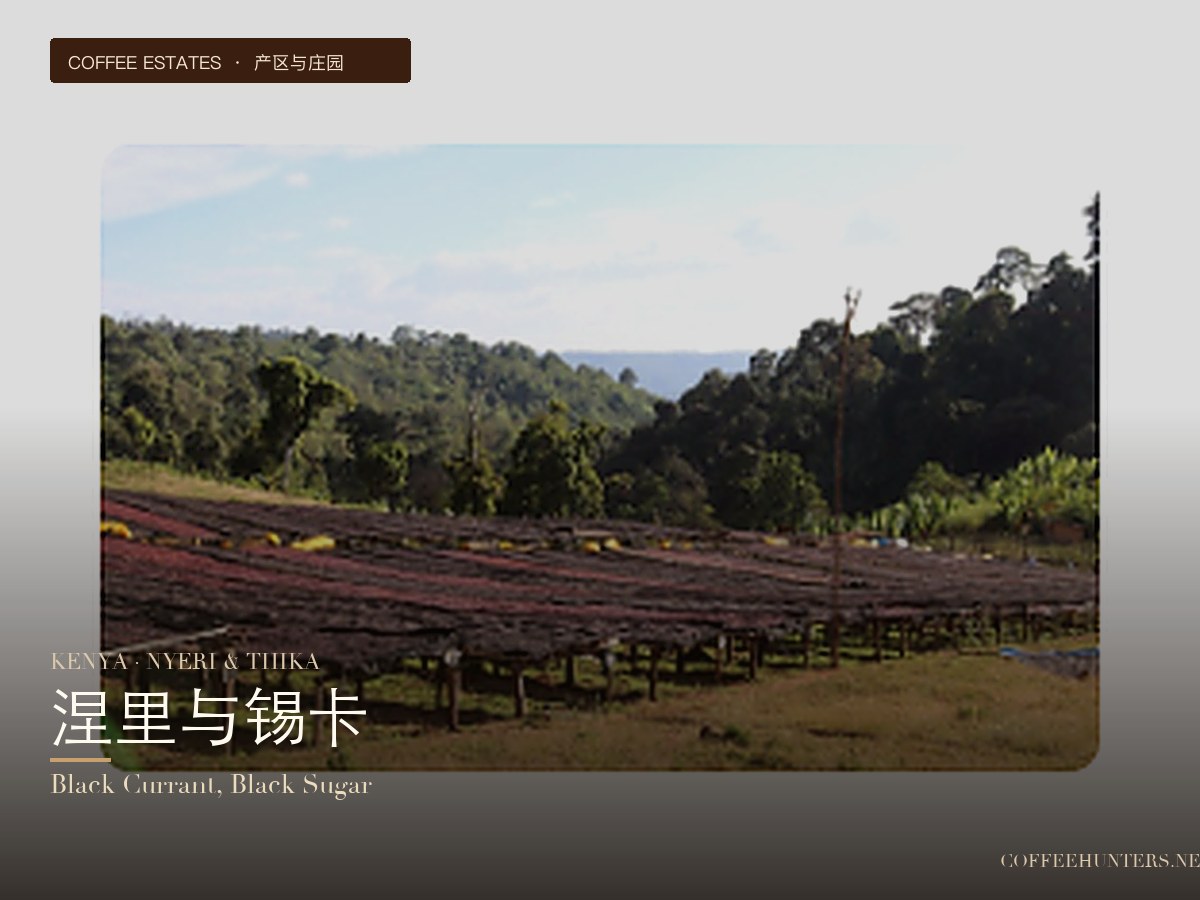
Kenya·Nyeri and Thika: The Bold Acidity of Blackcurrant and Tomato
Kenyan coffee is regarded by the global specialty coffee community as the "benchmark of Africa" for its powerful acidity, full-bodied tartaric acid, and distinctive blackcurrant flavor. This article takes the two major producing regions of Nyeri and Thika as its starting point to provide an in-depth analysis of the ins and outs of Kenyan coffee. [more…]

Kenya AA Coffee Beans | Introduction to Kenyan Coffee Varieties SL28, SL34 and Their Flavor Characteristics
Just as different grape varieties produce wines with vastly different flavors, the variety of coffee beans is also one of the key factors influencing the flavor of the coffee in your final cup. Panama's T2722 Geisha is the best example—it has drawn widespread attention for its white floral aromas and citrus fruit notes. And today, Front Street Coffee wants to share [more…]
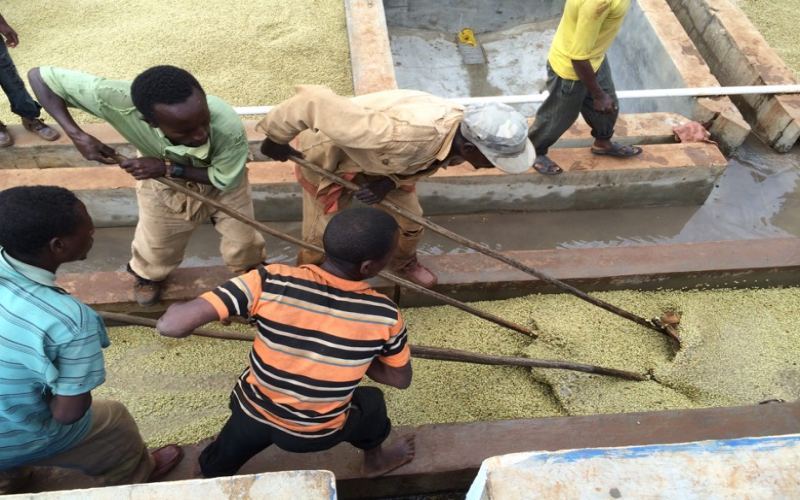
Kenya Double Washed Explained: The Bright Acidity in the Fermentation Tank
If you had to trace the "Kenyan taste" back to its processing origins, the answer would most likely point to double washing. This method, known locally as K72, polishes the fruit acidity of Kenyan coffee until it is bright, solid, and yet still clean. Once you understand double washing, you understand where the signature juicy quality of Kenyan beans comes from. Double Washing [more…]
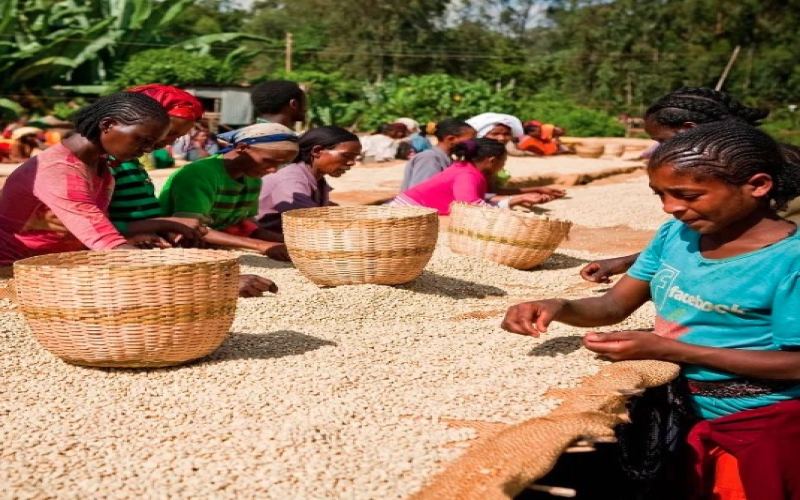
Coffee Grading | What are AA and AB in Kenya? What is the difference between AA TOP and AA?
Previously, we talked about the coffee grading in Ethiopia. Today, let's take a look at what the coffee grading in Kenya is like! After all, when we see Kenyan coffee, we will see things like AA and AB. What exactly do these refer to? What is AA TOP? [more…]
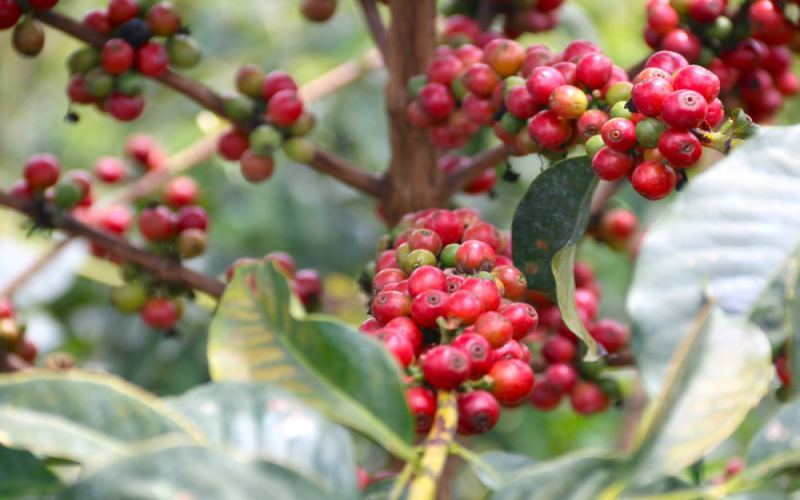
How Are Kenya Coffee AA and AA+ Grades Distinguished? A Detailed Explanation of Kenya Coffee Bean Grading Standards and Flavor Characteristics
Kenyan coffee is famous for its bright fruit acidity and rich flavors, making it a favorite among many coffee lovers. But when faced with grading labels such as AA, AA+, and AB, many people feel confused. From the perspective of Front Street Coffee, this article sorts out the development of Kenya's coffee industry, analyzes the origins and specific standards of its grading system, focuses on explaining the differences between AA grade and AA+ grade, and introduces the impact of the K72 washed processing method on flavor. At the end, it also includes the origin information and brewing parameters of Front Street Kenya Little Tomato coffee beans for daily reference. [more…]

kenya coffee|What do Kenya coffee AA, AA+, and Top mean? What are the green bean grading standards for Kenyan coffee?
Friends who frequently buy coffee beans will surely notice that most coffee bean names are followed by English suffixes such as AA and AB. This is especially true for Kenyan coffee beans—Kenya AA, Kenya AB, Kenya PB, Kenya AA+, Top, and so on. "So what do these suffixes mean? [more…]
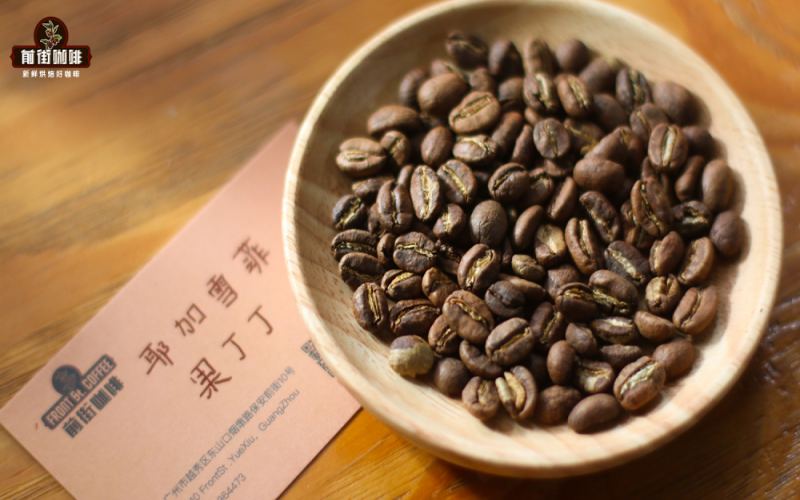
Cold Brew Light Roast Bean Recommendations | How Should Beginners Choose Cold Brew Coffee Beans? Are Washed Yirgacheffe, Sun-Dried Huakui, and Kenyan Little Tomato Suitable for Cold Brew?
In almost half of all specialty coffee shops, cold brew coffee is on the menu, which shows just how popular this drink is. Many people fall in love with cold brew mainly because they enjoy its unique taste—refreshing yet flavorful, mellow yet not bitter. Achieving this style is not difficult; in fact, putting a little extra thought into choosing coffee beans is all it takes. [more…]
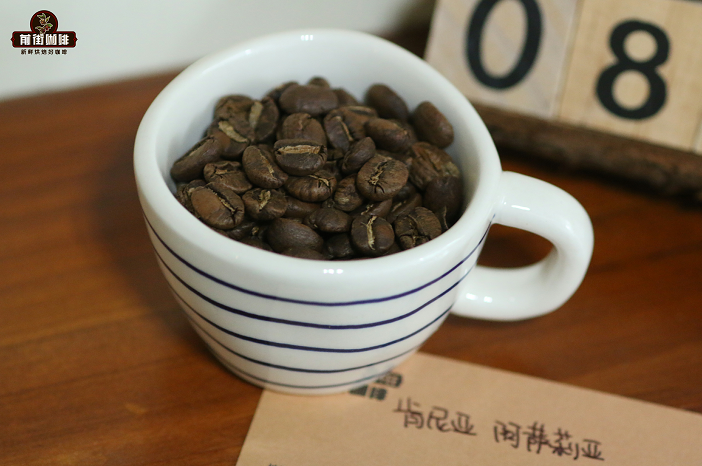
Kenya Coffee Characteristics | What Coffee Varieties Are Grown in Kenya? How to Make Pour-Over Black Coffee with Washed Kenya AA, and How to Describe the Coffee Flavor?
Front Street Coffee: Kenya Asaliya Coffee Beans Region: Kenya, Thika Region, Asali Processing Plant Altitude: 1550-1750m Processing Method: Washed Variety: SL28 & SL34 Flavor: Snow Pear, Smoked Plum, Yellow Sugar [more…]

Iced Pour-Over Coffee | Can the Finest Grind and Highest Water Temperature Produce a High-Sweetness Iced Pour-Over? How to Make Iced Pour-Over Coffee with Kenyan Cherry Tomatoes
Regarding the making of iced pour-over, Front Street Coffee has already shared many different brewing methods. However, for beginners, it is still somewhat difficult to master most of these methods. This is because most iced pour-over methods require the use of ice cubes to achieve a rapid cooling effect, and we also need to make it by reducing the amount of water. [more…]