







Search Results for: caramelized aroma
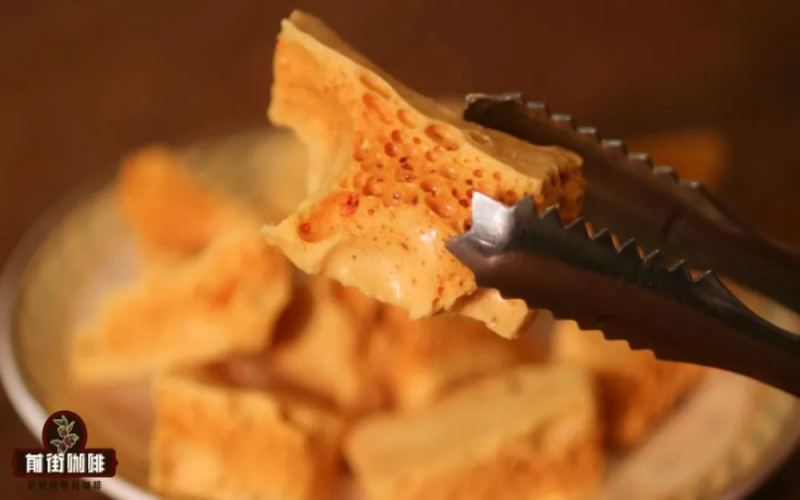
Where does the caramel flavor in coffee come from? How to bring out caramel notes through brewing parameters and techniques
Caramel notes are a common and appealing flavor descriptor in coffee, originating from the caramelization and Maillard reactions during roasting, and most often appearing in the finish and sweet aftertaste of medium-roast beans. This article begins with the causes of caramel notes, sorts out which producing regions and roast levels are more likely to present this flavor, and offers several of Front Street's recommended caramel-scented pour-over and espresso beans. It then uses the medium-roast Front Street Queen's Estate as an example to explain in detail a four-pour brewing method centered on low pouring, minimal agitation, and heavy immersion, helping you brew a rounded cup interwoven with caramel, cocoa, and cream at home. [more…]
Why is Golden Mandheling roasted to a medium-dark level? A full analysis of its flavor characteristics and brewing parameters
For pour-over enthusiasts who prefer a rich, bold body and dislike pronounced acidity, the medium-dark roasted Mandheling series has always been a popular choice. As a representative of this series, Front Street Coffee PWN Golden Mandheling owes its flavor appeal largely to its roasting method. This article will start with the chemical principles of roasting, analyzing how caramelization and the Maillard reaction shape coffee flavor, explaining why a medium-dark roast can fully bring out the herbal, caramel, and pine notes of Golden Mandheling, and providing a specific roasting curve along with two brewing methods to help readers fully understand the flavor sources and extraction key points of this bean. [more…]
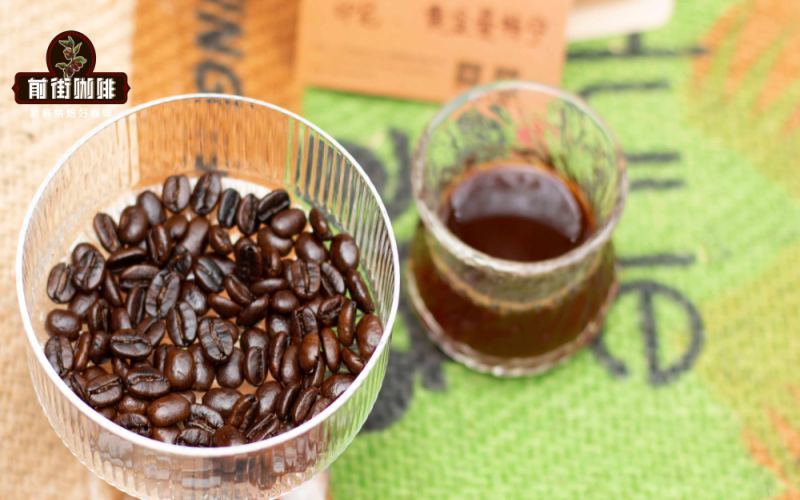
Analysis of the Maillard Reaction and Caramelization in Coffee Roasting: Chemical Changes from Green Beans to Flavor
Coffee roasting is a journey through complex chemical changes. In this process, the Maillard reaction and caramelization play crucial roles. The Maillard reaction, proposed by French chemist L.C. Maillard, is a series of non-enzymatic browning reactions between reducing sugars and proteins or amino acids under thermal catalysis, bringing flavor, mouthfeel, color, and complexity to coffee. Caramelization occurs during first crack, when sugars are heated and dehydrated to produce caramel and volatile aldehydes and ketones, deepening the bean color and creating aromas of fruit, caramel, and roasted nuts. Roasting reduces the density of coffee beans, making them drier and more brittle, increasing permeability, and making the components easier to dissolve. This article provides a detailed analysis of the three stages of roasting and the profound effects of each reaction on coffee, and recommends representative coffee beans such as Front Street Queen's Estate, Front Street Blue Mountain No. 1, and Front Street PWN Golden Mandheling. [more…]

How do you write Caramel Macchiato in English? Is the Starbucks version good? Let me teach you how to make a homemade crispy caramel macchiato.
Caramel Macchiato is a favorite of many coffee lovers, but do you know its correct English spelling? Is Starbucks' Caramel Macchiato actually good? This article will take you through the entire journey of Macchiato from its birth to its evolution, clarify the relationship between Caramel Macchiato and the Starbucks version, and walk you step by step through making a "slightly different" Caramel Macchiato topped with a crisp caramel layer and richer layers of flavor. The article also recommends Front Street Coffee's Classic Espresso Blend, ideal for making this coffee, covering everything from bean selection to the final cup. [more…]
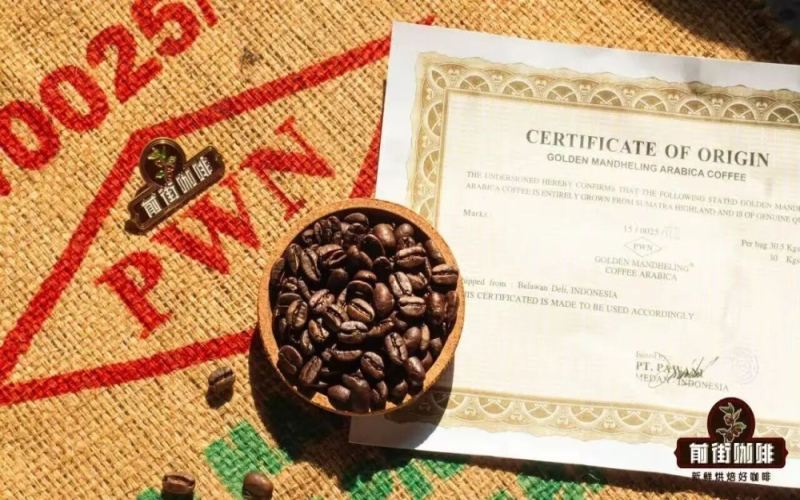
The Deep Charm of Mandheling Blends: A Classic Asian Flavor Profile of Low Acidity, Full Body, and Caramel Aroma
As an outstanding representative of Asian specialty coffee, Mandheling has won the favor of many coffee lovers with its low acidity, full body, and lasting sweet aftertaste. To fully release its caramelized aromas, Mandheling is usually given a deep roast, brewing with a complex sweet fragrance of dark chocolate, nuts, spices, herbs, and sandalwood, revealing layer upon layer of flavor as the temperature changes. If you want a first taste of Mandheling's regional character, Front Street Coffee's Indonesian Mandheling G1 coffee beans are an ideal entry point, from the Lintong region of Sumatra, G1 grade, with wet-hulling and a deep roast bringing out caramel, spice, and nut notes to the fullest. For users with an espresso machine, Front Street Coffee's Classic Blend combines Mandheling with Brazilian coffee and adds a small amount of Robusta to boost the crema, delivering excellent notes of nuts, dark chocolate, and caramel when made into an Americano or latte. [more…]
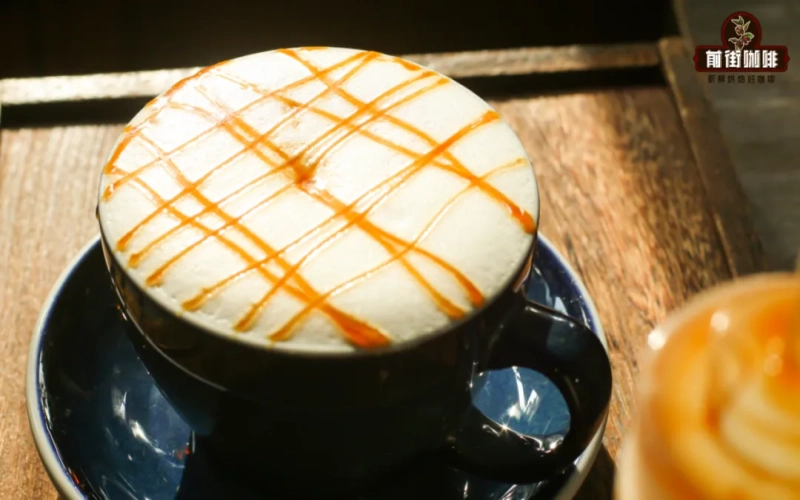
Caramel Macchiato Recipe Revealed: A Homemade Guide to Espresso, Milk, Vanilla Syrup, and Caramel Sauce
Caramel Macchiato, with its sweet flavor and delicate caramel pattern, was once as famous as latte and mocha, becoming a coffee drink that swept the globe. Although it is no longer commonly seen in coffee shops today, its preparation is actually not complicated. Join Front Street to learn about the ingredients of Caramel Macchiato, its essential difference from Macchiato, and how to easily recreate this "coffee in a sugar coat" at home. With just four ingredients—espresso, milk, vanilla syrup, and caramel sauce—and a few key steps, you can restore the sweet caramel aroma intertwined with dense milk foam from memory. [more…]
Where Does the Caramel Flavor in Coffee Beans Come From? An Analysis of Caramel-Forward Bean Varieties from Brands Like Front Street Coffee and Key Brewing Points
Many people who taste a coffee with caramel sweetness mistakenly assume that syrup has been added, but this sweet aroma comes entirely from the coffee beans themselves—shaped jointly by the growing environment, fruit ripeness, and roasting technique. This article breaks down the logic behind how caramel flavor forms, from origin terroir and processing methods to roasting curves, and recommends representative caramel-toned coffees such as Front Street Dark Cocoa Blend, Front Street PWN Golden Mandheling SOE, and Front Street Kona, while explaining the brewing scenarios each suits, helping you reliably recreate that aromatic cup of caramel-sweet coffee at home. [more…]
Deep Roast Mandheling Coffee Flavor Analysis: A Guide to Its Rich Body and Pour-Over Tasting
Deep roasting causes coffee beans to undergo the Maillard reaction and caramelization, developing bitterness and roasted aromas such as chocolate, caramel, and butter. The darker the roast, the more fully these reactions occur, and the richer the roasted aroma and bitterness, the higher the body, and the more lingering the sweet aftertaste. Mandheling is hailed as one of the world's fullest-bodied coffees and is the very representative of dark roasting. It not only carries the spice, herbal, and pine notes characteristic of the Sumatra growing region, but also transforms through caramelization into the rich aromas of dark chocolate, roasted nuts, maple syrup, and butter, with a solid, full-bodied mouthfeel and low, steady acidity. To experience this unique taste, you can buy Front Street Golden Mandheling drip coffee bags, which are Sumatra G1 grade, and Front Street Golden Mandheling is PWN company's beans that have undergone one mechanical sorting plus three rounds of hand sorting, with quality far exceeding Indonesian G1. The drip bag design is convenient—just add hot water and enjoy a freshly brewed black coffee. Although dark-roasted bitter coffee has fewer layered variations, it possesses a unique charm: nutty caramel aromas, a full and smooth, full-bodied mouthfeel, and the sweet aftertaste that comes after the bitterness—all experiences that are hard to replicate with a light roast. [more…]
A Detailed Guide to Single-Origin Coffee Classification: A Comprehensive Analysis of Flavor Characteristics Across Major Producing Regions from Africa to the Americas and Differences in Coffee Shop Flavors
Have you ever walked into a specialty coffee shop, faced the dazzling array of single-origin coffees on the menu, and felt at a loss where to begin? Single-origin coffee refers to coffee made from beans sourced from a single origin, and it can be traced back to a specific region or even estate. This article will systematically sort through the representative single-origin coffees from major producing regions such as Africa, Central and South America, and Asia, introduce Front Street Coffee's rigorous process from roasting curve testing to cupping selection, and present the flavor descriptions of coffee beans from each region one by one, helping you find the cup that best suits your taste. [more…]
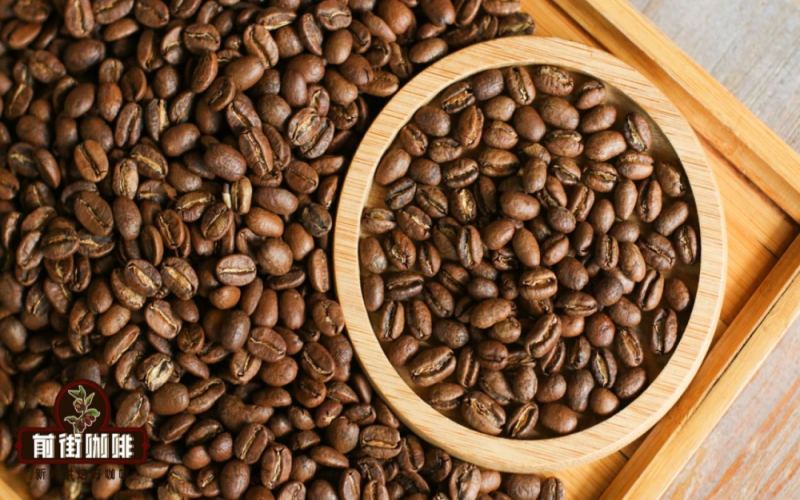
There's an art to adding sugar to coffee: which coffees are best suited to white sugar, brown sugar, and caramel?
Many people are used to adding sugar to their coffee to neutralize the bitterness, but with so many different types of sugar out there, which one pairs best with coffee? There's actually no absolute answer. Because of differences in production methods and composition, different sugars bring entirely different levels of sweetness, aroma, and mouthfeel to coffee. The sugars commonly found in coffee shops are mainly white sugar, brown sugar, and caramel, and each suits a different type of coffee. White sugar is pure and versatile, brown sugar retains the flavor of sugarcane and is better suited to black coffee, while caramel adds an extra layer of toasted aroma. Today Front Street Coffee will talk about the finer points of using these sugars, to help you find the sweet companion that best suits your cup of coffee. [more…]
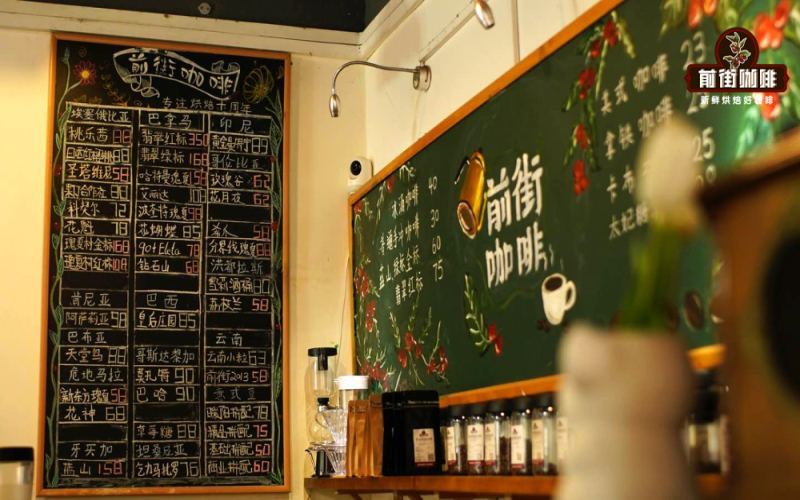
Why Does Dark Roast Coffee Carry Bitter Notes? A Full Breakdown from Flavor Sources to Front Street Golden Mandheling Pour-Over Parameters
Many friends who are just getting into coffee will directly say they want to drink coffee that isn't sour, and Front Street Coffee baristas usually recommend these dark roast representatives: Indonesian Golden Mandheling, Brazilian Queen's Estate, and Papua PGN Bird of Paradise. But to bring out their sweet aroma and full body, both the parameters and the technique require attention. This article starts with the flavor sources of bitterness, breaking down how caramelization and the Maillard reaction shape four types of positive flavors—caramel, roasted, nutty chocolate, and spice—as well as negative bitterness such as smoky and medicinal notes. Then, using Front Street Golden Mandheling as an example, it provides a complete plan for grind size, water temperature, coffee-to-water ratio, and three-stage pouring to help everyone brew a full-bodied sweetness. [more…]
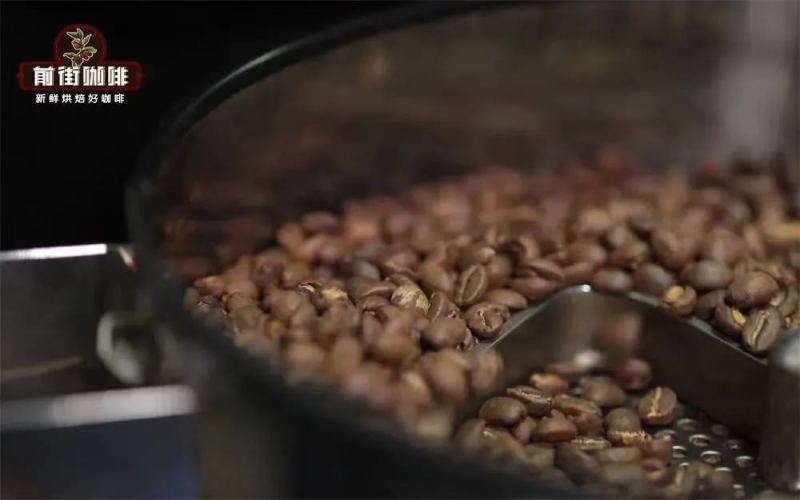
Are Maillard color schemes and the Maillard reaction in coffee roasting the same thing? And how should we understand caramelization?
In recent years, the Maillard color palette has frequently appeared in the fields of fashion and design, but what coffee enthusiasts care about more is the role it plays in coffee roasting. Although the Maillard color palette and the Maillard reaction during the roasting process share the same name origin, they are essentially concepts at two different levels. The former describes a color style, while the latter is a series of complex chemical changes. At the same time, the caramelization reaction is also often mentioned alongside the Maillard reaction. This article will start from three angles—conceptual origin, reaction mechanism, and practical application—to help readers clarify these easily confused points of knowledge and understand how they jointly shape the flavor and color of a cup of coffee. [more…]

How Does Roast Level Determine the Direction of Coffee Flavor? A Complete Analysis from Maillard to Caramelization
Green coffee beans themselves have no obvious aroma; only after roasting at over two hundred degrees Celsius can they release their captivating flavors. The length of the roasting time directly determines the depth of the roast, and different roast levels in turn give the same bean a completely different taste profile. This article starts from the roasting practices of Front Street Coffee, analyzing how the Maillard reaction and caramelization reaction affect coffee's sweetness, acidity, and body, and sorts out the stylistic differences among the three major categories and eight levels of light, medium, and dark roasts. It also includes Front Street Coffee's bean list recommendations for light and medium-dark roasts along with corresponding brewing parameters, helping coffee lovers understand the close relationship between roasting and flavor. [more…]
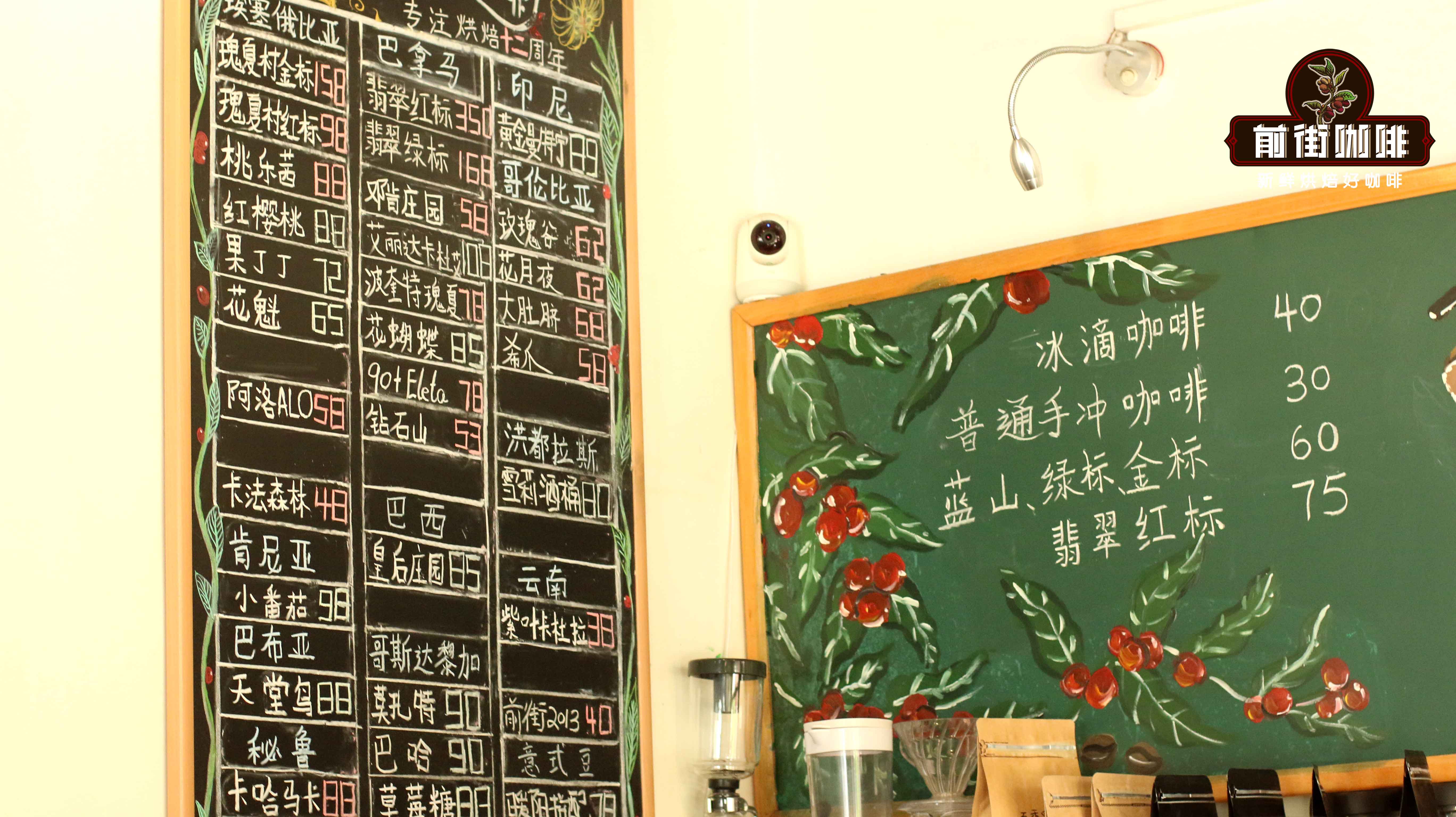
Front Street Coffee Single-Origin Beans Wholesale Buying Guide: A Complete Overview of Green and Roasted Bean Quotes and a Flavor Analysis of Global Producing Regions
To open a coffee shop or replenish your home supply of everyday beans, finding a stable and reliable wholesale channel is key. Guangzhou's long-established Front Street Coffee (FrontStreet Coffee) keeps over 50 single-origin beans in stock offline, spanning many well-known producing regions and estates across Africa, the Americas, and Asia, so you can find a suitable choice whether for pour-over, espresso, French press, moka pot, or cold brew. This article compiles Front Street Coffee's latest single-origin coffee bean list and green/roasted bean wholesale price report, covering popular beans such as Yirgacheffe, Sidamo, Mandheling, Blue Mountain, and Hacienda La Esmeralda, with grades, processing methods, roast levels, and flavor descriptions attached, making it convenient for roasters and cafes to purchase as needed. For commercial use in opening a shop, Front Street Classic Blend is recommended, a combination of three producing regions—Brazil, Indonesia, and Vietnam—with a medium-dark roast bringing a mellow mouthfeel and rich oils, equally suitable as everyday beans for home use. [more…]
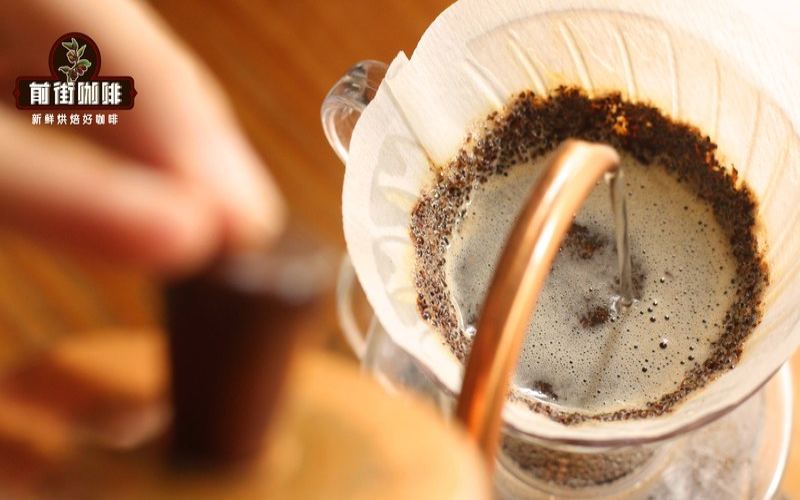
Aromatic Moka Pot Coffee Beans: Choose by Roast Level Like This
Coffee brewed with a moka pot has concentrated aroma and a full body, making it especially suitable for those who enjoy nutty, cocoa, caramel, and roasted notes. The roast level of the beans determines whether this richness leans closer to floral and fruity notes, caramel sweetness, or the heavy depth of dark chocolate. If you want to brew coffee at home that has a commanding aroma yet doesn't taste rough on the palate, [more…]
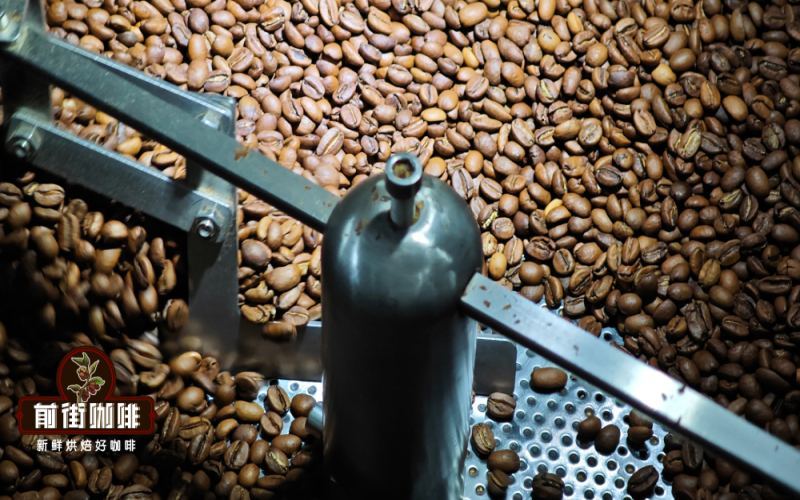
An Analysis of the Differences Between Medium and Dark Roasts: How Maillard and Caramelization Reactions Shape Coffee Flavor, Plus Front Street Coffee Medium-Dark Roast Bean Recommendations
The reason green coffee beans can release such captivating flavors after high-temperature roasting lies in a series of chemical changes that occur during the roasting process. Among these, the Maillard reaction and caramelization reaction are the most central, as they directly affect coffee's color, aroma, sweetness, and body. This article will start with these two reactions to explain the decisive role of roast level in coffee flavor, and provide a detailed introduction to the characteristics of medium-roast coffee beans. It will also recommend three medium-roast beans from Front Street Coffee: Golden Mandheling, Jamaica Blue Mountain No. 1, and Brazil Cerrado Red Bourbon. Finally, Front Street Coffee's brewing parameters and techniques are included for coffee enthusiasts' reference. [more…]
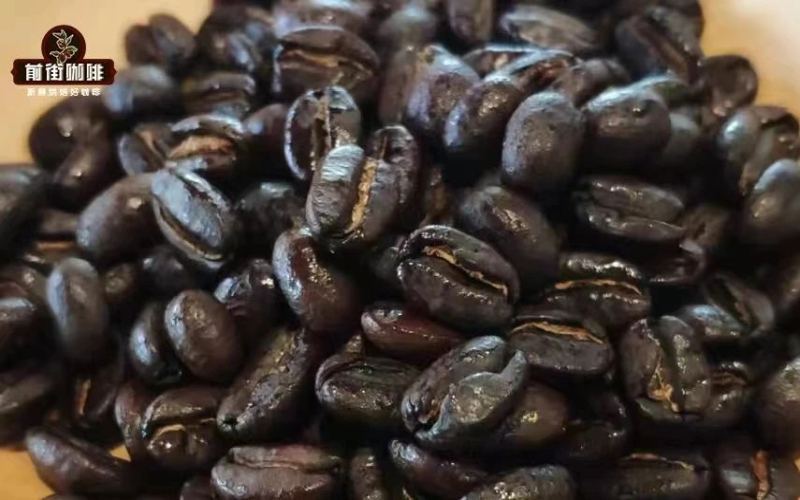
Are dark-roasted coffee beans necessarily burnt and bitter? What flavor do charred-black beans actually present?
Many people, when they hear "dark roast coffee beans," immediately think of burnt bitterness, heavy smoky flavors, or even find them hard to drink. But is that really the case? A properly roasted dark roast bean can actually offer pleasant notes of cocoa, dark chocolate, caramel, and nuts, with low acidity and a full body, balanced between sweetness and bitterness. Drawing on Front Street Coffee's roasting experience, this article sorts out the relationship between the Maillard reaction and roast level, and recommends a variety of Front Street medium-dark and dark roast products for different taste preferences, including Queen's Estate, PWN Golden Mandheling, Classic Blend, Specialty Blend, Commercial Blend, and Dark Cocoa Base Blend, helping coffee lovers find the rich, full-bodied choice that suits them. [more…]
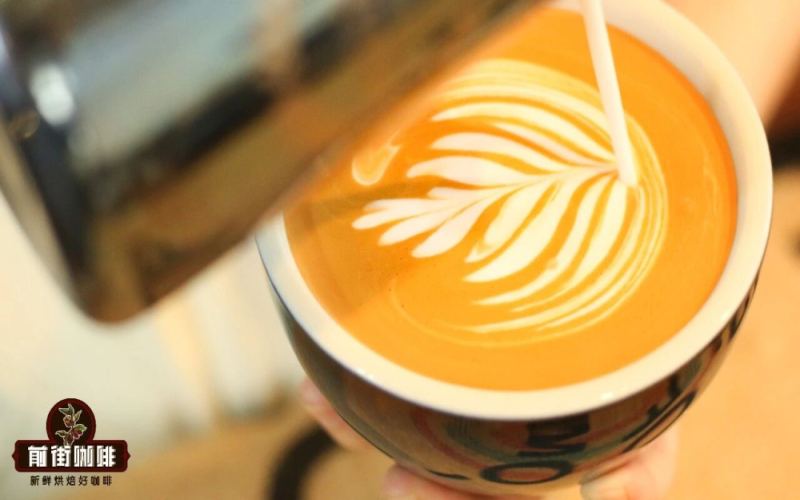
Making Osmanthus Coffee at Home in Autumn: A Detailed Guide to Three Recipes—Americano, Latte, and Caramel Crème Brûlée Latte
The autumn breeze brings refreshment, and the fragrance of osmanthus fills the air—it's once again the season best suited for incorporating osmanthus into coffee. This year, Front Street Coffee has brought a richer lineup of osmanthus coffee recipes than in previous years, including the easy-to-make osmanthus Americano and osmanthus latte, as well as the more elaborate yet stunningly layered osmanthus version of the caramel crème brûlée latte. This article will explain one by one the required ingredients, the approach to selecting coffee beans, and the detailed preparation parameters and precautions for the three beverages. It will also address common questions such as whether osmanthus can be placed directly into the coffee machine for extraction and how to prevent osmanthus from turning bitter. Whether you prefer a refreshing, sugar-free Americano or are devoted to a rich, creamy latte, you'll be able to find the cup that suits you to recreate at home. [more…]
Where Does Coffee Aroma Come From: A Brief Discussion of the Chemical Components and Reaction Mechanisms Behind Roast Flavor
The allure of coffee often begins with that intoxicating whiff of aroma. Many people, even if they don't drink coffee regularly, are drawn to the dry fragrance released the moment the beans are ground. At Front Street Coffee's stores, we frequently encounter customers like this—who prefer the dry aroma of coffee grounds and the wet aroma of the brewed liquid over the taste on the palate. So, what exactly makes up coffee's aroma? And what reactions occur during roasting? This article will explore the over thousand volatile compounds in coffee, categorized into the enzymatic, caramelization, dry distillation, and defect groups, to analyze the difference between dry and wet aromas, and discuss why coffee often smells better than it tastes, guiding you to rediscover the flavors in your cup from both olfactory and gustatory perspectives. [more…]
Where Does the Caramel Sweetness Come From? A Full Analysis of Hawaiian Kona Coffee Bean Cultivation, Processing, and Roasting
The caramel-like sweetness tasted in coffee is not the result of added sweeteners, but rather the combined effect of the growing environment, fruit ripeness, and roasting process. This article will guide you through the principles behind the formation of caramel-flavored coffee beans and recommend two coffees suited to home brewing equipment: Front Street Dark Cocoa Blend and Front Street Golden Mandheling SOE. It will also take an in-depth look at Hawaii Kona coffee, the only coffee-producing region in the United States—its terroir conditions, grading system, and processing methods—as well as the malt, mulberry, and caramel sweetness brought about by Front Street Kona coffee's washed and natural drying processes. [more…]