








Why does roast level matter for elephant bean coffee?
Green coffee beans carry no obvious aroma. Only after roasting above 200 degrees Celsius do they release flavor, and roasting time sets the depth of that roast. The same bean tastes completely different at light, medium, and dark levels. Maillard reactions and caramelization build sweetness, acidity, and body, and longer roasting moves the cup toward darker flavors.
Before the third wave, from the 1970s to the 1990s, commercial lots dominated the shelves, and light roasts exposed their defects and unclean taste. Roasting past second crack hid those flaws. Improved growing and post-harvest work gave us cleaner, sweeter green coffee, which is why light roasting now shows origin character, especially citrus and floral notes from Ethiopia.
Green coffee beans themselves have no obvious aroma; only after roasting at over two hundred degrees Celsius can they release their captivating flavors. The length of the roasting time directly determines the depth of the roast, and different roast levels in turn give the same bean a completely different taste profile. This article starts from the roasting practice of Front Street Coffee, analyzing how the Maillard reaction and caramelization reaction affect coffee's sweetness, acidity, and body, and sorts out the stylistic differences among the three major categories and eight levels of light, medium, and dark roasts. It also includes Front Street Coffee's bean list recommendations for light and medium-dark roasts along with corresponding brewing parameters, helping coffee enthusiasts understand the close relationship between roasting and flavor.
For more specialty coffee knowledge, please follow: Front Street Coffee (Frontsteet Coffee)
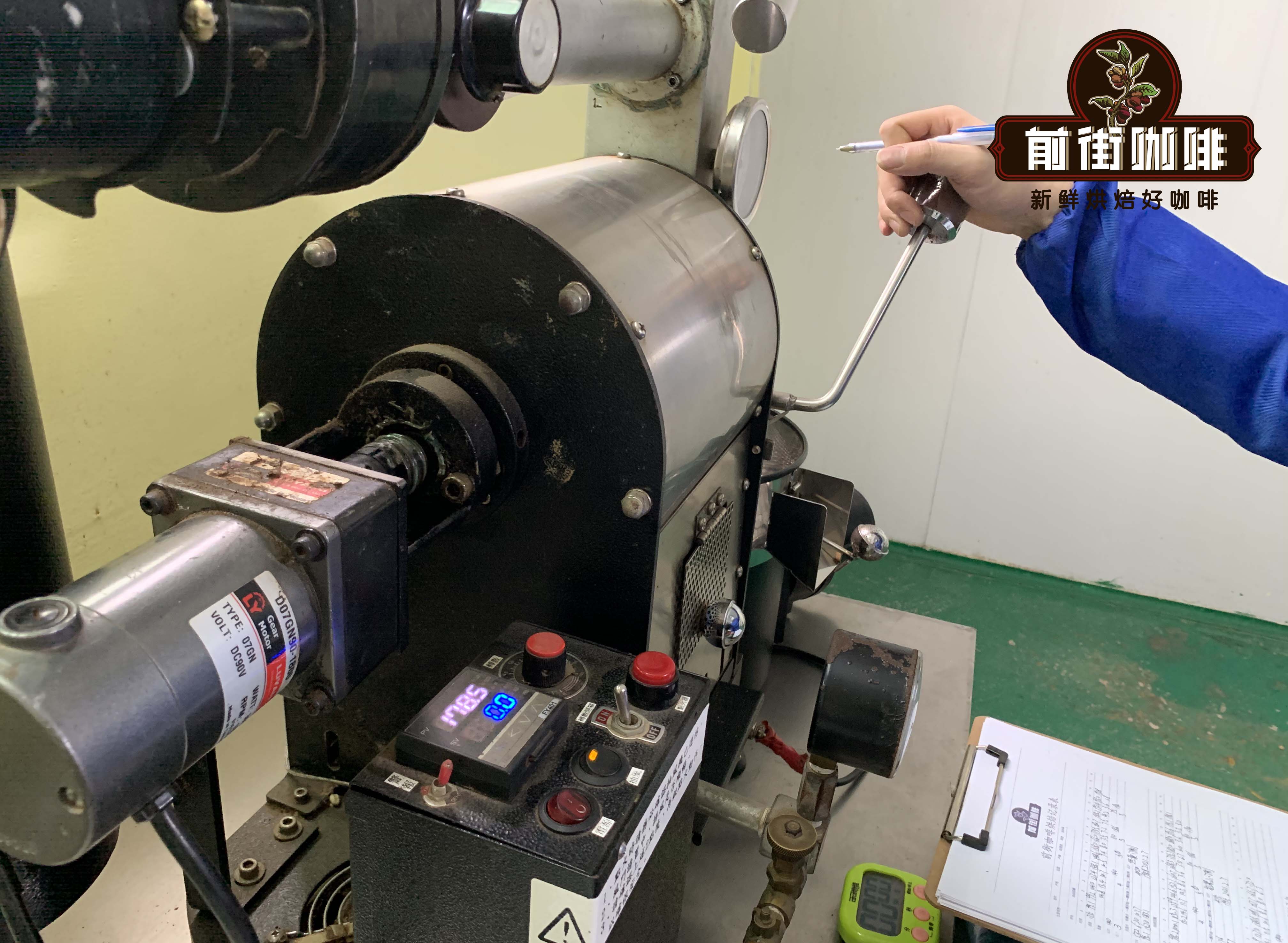
Coffee is brewed from coffee beans. Front Street Coffee (FrontStreet Coffee) has always believed that what makes coffee most unique is that green beans must be roasted before they can be used, and the roasting temperature often exceeds 200 degrees Celsius, far higher than the roasting temperature of nut-based foods. The roasting duration is also directly related to the depth of the roast, so the flavor and taste performance differ at different roast levels.
Before the arrival of the third wave of specialty coffee, that is, from the 1970s to the 1990s, the market was dominated by commercial coffee beans. If a light or medium roast was used for commercial beans, it was easy to expose their defective flavors and unclean taste, and aged beans often showed woody notes due to moisture loss. Conversely, if roasted past second crack, these undesirable flavors were not easily noticed. This also explains why the third wave advocates light roasting—as planting and post-processing techniques improved, we became able to obtain cleaner, sweeter coffee that emphasizes regional flavor. Light roasting can showcase origin characteristics; for example, beans with citrus and floral aromas mostly come from Ethiopia; if everything were roasted to a dense second crack, these high-quality flavors would dissipate.
Why do coffee beans need to be roasted?
Coffee is originally just the seed inside a fruit, and only after processing does it become green beans, while green beans themselves have no obvious coffee aroma. Only after roasting does the rich coffee fragrance emerge. Therefore, roasting is essentially a process of transformation of the components inside the coffee bean; only through this step can aroma-releasing substances be generated, allowing us to smell the coffee's fragrance. This is just like how ingredients give off richer and more enticing aromas after cooking, and different roasting methods also give coffee beans different flavors.
[Maillard Reaction]
This reaction begins at about 150°C, when the coffee beans are still absorbing heat while continuing to release heat during roasting. The heat prompts the carbohydrates and amino acids in the beans to react, bringing changes in color, taste, and nutritional components.
The color change mainly comes from the formation of melanoidins. These substances not only turn the coffee beans brown, but also affect the coffee's taste and body.
Even subtle changes in temperature and time during the Maillard reaction stage may have a significant impact on the final flavor.
Coffee that takes longer in the Maillard reaction will have somewhat increased viscosity; while a shorter reaction time can retain more sweetness and acidity, because if the Maillard reaction drags on too long, the fruit acids and those acids that would otherwise convert into sweetness will both be destroyed.
During experimental roasting, the roasters at Front Street Coffee (FrontStreet Coffee) also adjust the duration and intensity of the Maillard reaction and record the impact of these changes on the final flavor. [Caramelization Reaction]
When the temperature rises to about 170°C, heat causes a large number of complex carbohydrates to break down into smaller water-soluble sugar molecules, which means the brewed coffee will have somewhat higher sweetness.
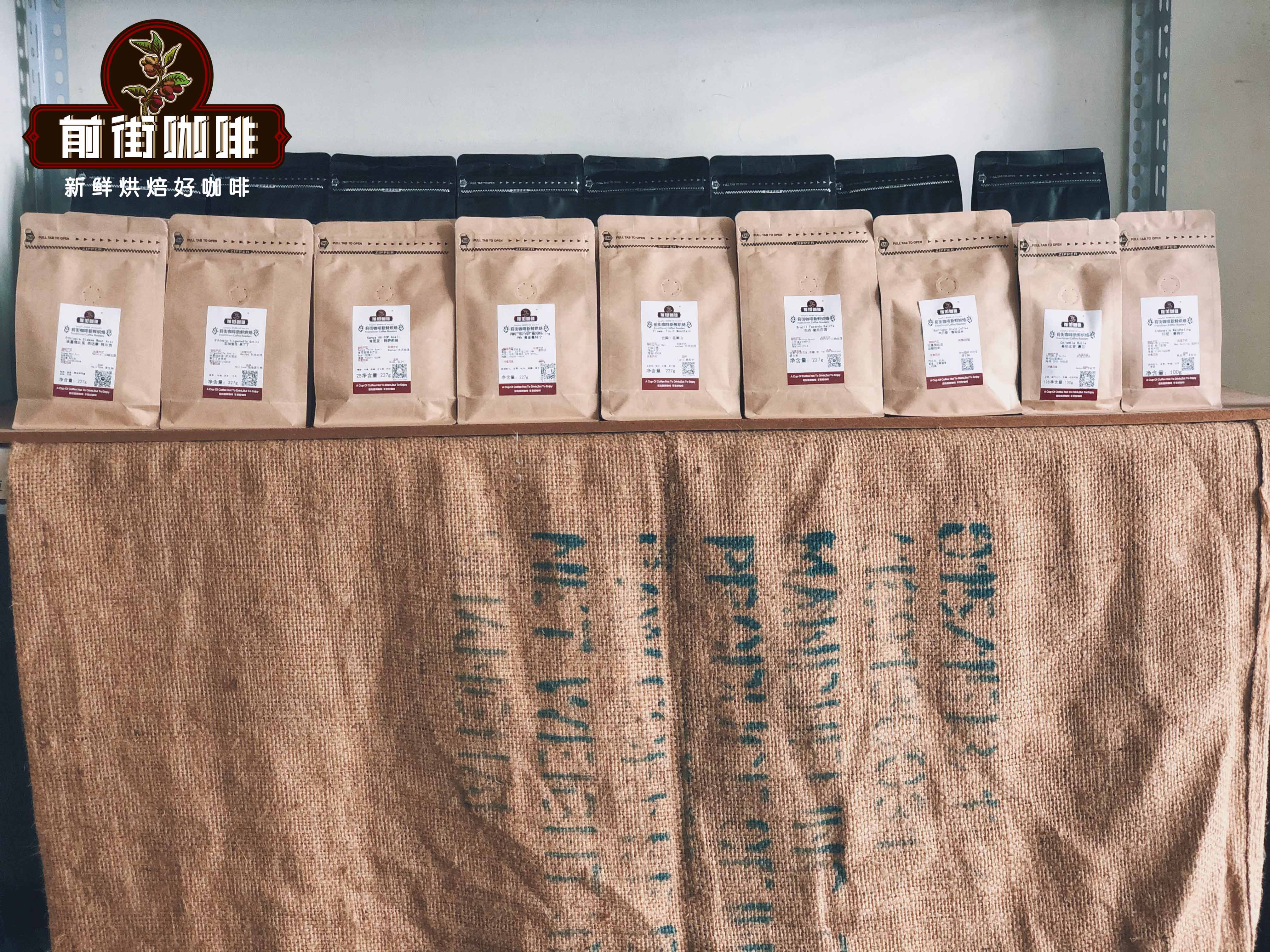
This reaction continues until the end of roasting and also helps form the sweet aromas in coffee, such as caramel and almond notes.
Through the Maillard reaction and caramelization reaction, everyone can understand how the chemical reactions produced by roasting affect the flavor of a cup of coffee. It was previously said that among the factors affecting a cup of coffee, green beans account for 70%, roast level 20%, and brewing 10%.
Only after undergoing high-temperature roasting can coffee beans possess such a strong aroma and rich taste. As roasting time and temperature change, the same coffee bean can display diverse and different characteristics.
Broadly, they can be divided into three major categories: light roast, medium roast, and dark roast.
But the subtle differences in taste are further subdivided into eight levels: Light Roast to Italian Roast
Light roast: Light Roast, Cinnamon Roast have a strong aroma and obvious fruity acidity.
Medium roast: Medium Roast, High Roast, City Roast have more coffee bean aroma, sweetness, slight fruity acidity, and a typical Viennese coffee flavor.
Dark roast: Full City Roast, French Roast, Italian Roast have a strong caramel flavor and a thick, intense taste.
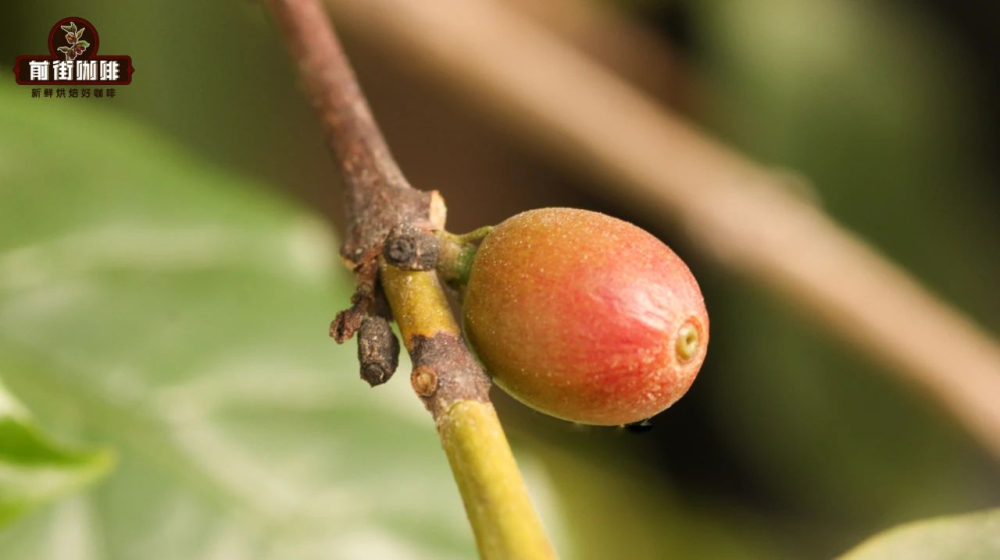
The roast level of a coffee bean has, to a large extent, already determined the direction of its flavor expression. Coffee bean roasting can be simply divided into three levels: light roast, medium roast, and medium-dark/dark roast. Front Street Coffee (FrontStreet Coffee) Light Roast / Cinnamon Roast
Drop time: From the start of first crack to dense first crack
Flavor: The bean surface is cinnamon-colored, the grassy flavor has already been removed at this point, the acidity is strong, with a slight aroma, often used to brew American coffee.
Medium Roast / Medium Roast
Drop time: From dense first crack to the end of first crack
Flavor: The bean surface is chestnut-colored, the taste is light, slightly acidic with bitterness, and the aroma is moderate, retaining the original flavor of the coffee bean, often used for American coffee or blended coffee.
Medium-dark Roast / City Roast
Drop time: After the first crack, that is, between first and second crack
Flavor: The bean surface is light brown, the taste is bright and lively, with a balance of acidity and bitterness while the acidity is somewhat lighter, and it releases the high-quality flavors in the coffee. It is the standard roast level and also the roast level most loved by the public.
Dark Roast / Italian Roast
Dark roast is also called "Italian roast"
Drop time: From the end of second crack until the bean surface turns black and oily
Flavor: The bean surface is black with an oily sheen. Before the coffee bean fibers are carbonized, the taste is intense and complex, with strong bitterness and a rich roast and burnt aroma. It is mainly popular in Italy and mostly used for espresso.
Light roast coffee bean recommendations
1. [Front Street Coffee (FrontStreet Coffee) Yirgacheffe Natural Red Cherry]
Flavor description: The overall taste has distinct layers, the aroma is relatively obvious, with lemon aroma, floral aroma, and fermented wine aroma. On the palate there is a full juice-like body, citrus and lemon acidity, the nutty flavor is weak, and the finish has a honey-like sweetness.
2. [Front Street Coffee (FrontStreet Coffee) Kenya Asalia]
Flavor description: The wet aroma has ripe tomato and floral notes. On the palate there are cherry tomato and dark plum flavors, with bright acidity, a clean and at the same time the most solid and rich taste, like the weight of an African elephant! The mid-palate has outstanding sweetness with a juicy feel, and the aftertaste has berry aroma and brown sugar sweetness, along with green tea aroma.
3. [Front Street Coffee (FrontStreet Coffee) Panama Butterfly]
Flavor description: Floral aroma, black tea, berries, citrus, with a slight nutty note in the finish, smooth mouthfeel, low bitterness, moderate acidity, medium aftertaste
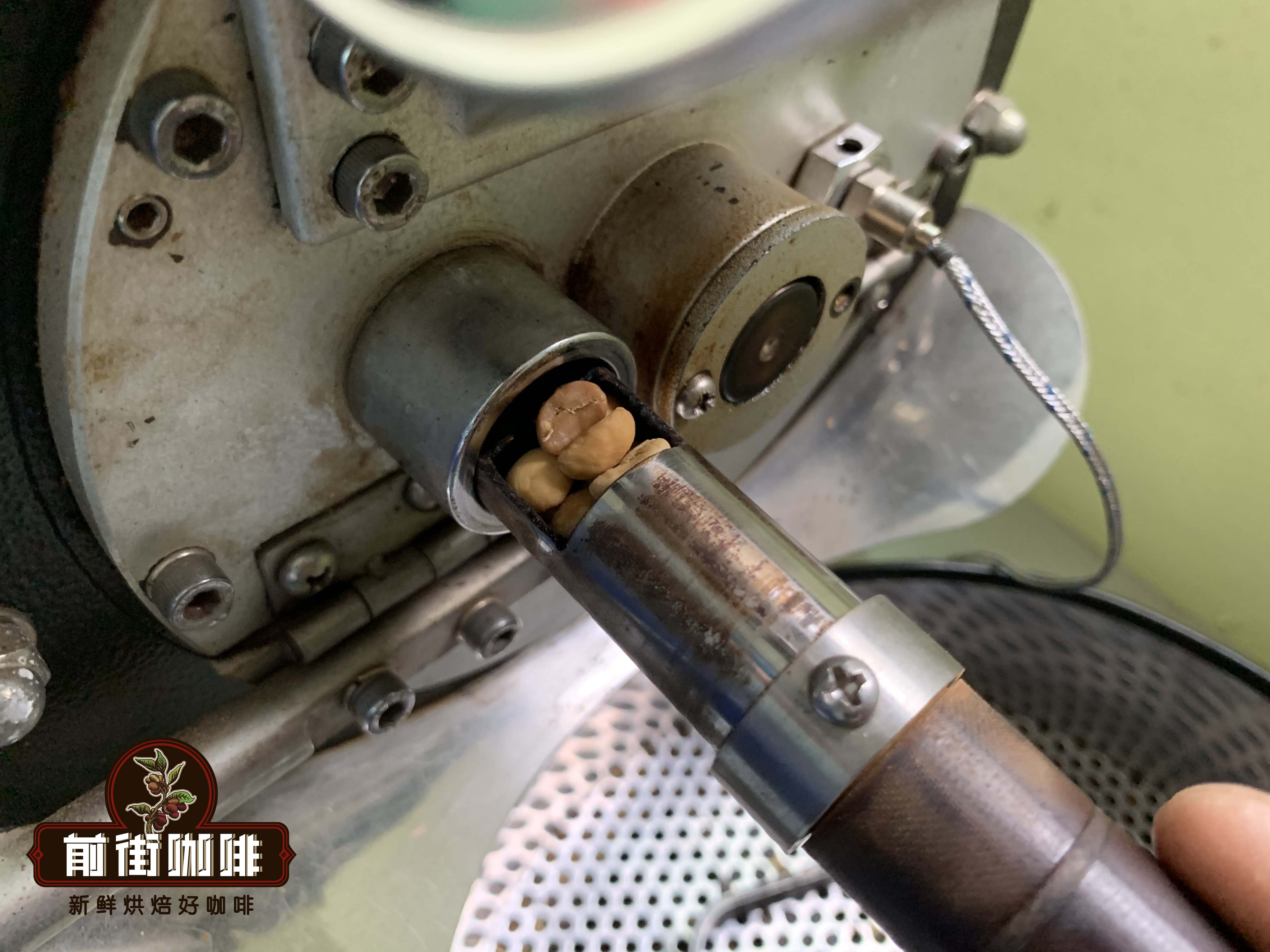
[Front Street Coffee (FrontStreet Coffee) Brewing Parameters] Dose: 15 grams Coffee-to-water ratio: 1:15 Water temperature: 90°C Grind size: medium-fine grind (78% passing through a No. 20 standard sieve) Dripper: V60
[Front Street Coffee (FrontStreet Coffee) Brewing Method] Bloom with 30 grams for 30 seconds. After blooming, pour in a circular motion up to 125 grams. After the water level drops by half, continue pouring up to 225 grams. Total extraction time 2 minutes.
Medium-dark roast coffee bean recommendations 1. [Front Street Coffee (FrontStreet Coffee) Golden Mandheling]
Flavor description: Layered and variable, clean, balanced, with a long-lasting caramel sweetness in the finish.
2. [Front Street Coffee (FrontStreet Coffee) Jamaica Blue Mountain]
Flavor description: The taste of Blue Mountain is very clean, very mild, with chocolate sweetness and very strong body. The flavor is rich and mellow, and the coffee's sweetness, acidity, and bitterness are perfectly balanced, with no bitterness at all, only a moderate and perfect acidity, and a long-lasting fruity finish.
3. [Front Street Coffee (FrontStreet Coffee) Brazil Queen Estate]
Flavor description: This is a balanced-flavor coffee with a typical Brazilian coffee style. Nut and chocolate flavors are prominent, and the sugarcane sweetness is obvious.
[Front Street Coffee (FrontStreet Coffee) Brewing Parameters] Dose: 15 grams Water-to-coffee ratio: 1:15 Water temperature: 86 degrees Grind size: medium-coarse grind (65% passing through a No. 20 standard sieve) Dripper: KONO
[Front Street Coffee (FrontStreet Coffee) Brewing Method] Bloom with 30 grams for 30 seconds, pour in a circular motion up to 125 grams, and after the water level drops by half continue pouring up to 225 grams. Total extraction time 2 minutes 10 seconds.
The above content is compiled by CoffeeHunters, a coffee news website.


