







How Does the Roasting Process Build Coffee Flavor?
Green coffee beans develop aroma through chemical changes during high-temperature roasting. The Maillard reaction starts near 150°C, when carbohydrates and amino acids react and melanoidins form, browning the beans and shaping body and mouthfeel. Caramelization follows around 170°C, breaking complex carbohydrates into water-soluble sugars and raising perceived sweetness in the brewed cup.
Timing matters as much as temperature. A longer Maillard stage thickens the coffee's viscosity but destroys fruit acids and acids that could convert to sweetness; a shorter one preserves more sweetness and acidity. Medium roasts sit in this balance, which is why beans such as Golden Mandheling are often roasted to that level before brewing.
The reason green coffee beans can emit a captivating aroma after high-temperature roasting lies in a series of chemical changes that occur during the roasting process. Among them, the Maillard reaction and caramelization reaction are the most core, directly affecting the color, aroma, sweetness, and body of the coffee. This article will start with these two reactions, explain the decisive role of roasting degree on coffee flavor, and provide a detailed introduction to the characteristics of medium-roast coffee beans. It will also recommend three medium-roast beans from Front Street Coffee: Golden Mandheling, Jamaica Blue Mountain No. 1, and Brazil Cerrado Red Bourbon. Finally, it includes Front Street Coffee's brewing parameters and techniques for coffee enthusiasts' reference.
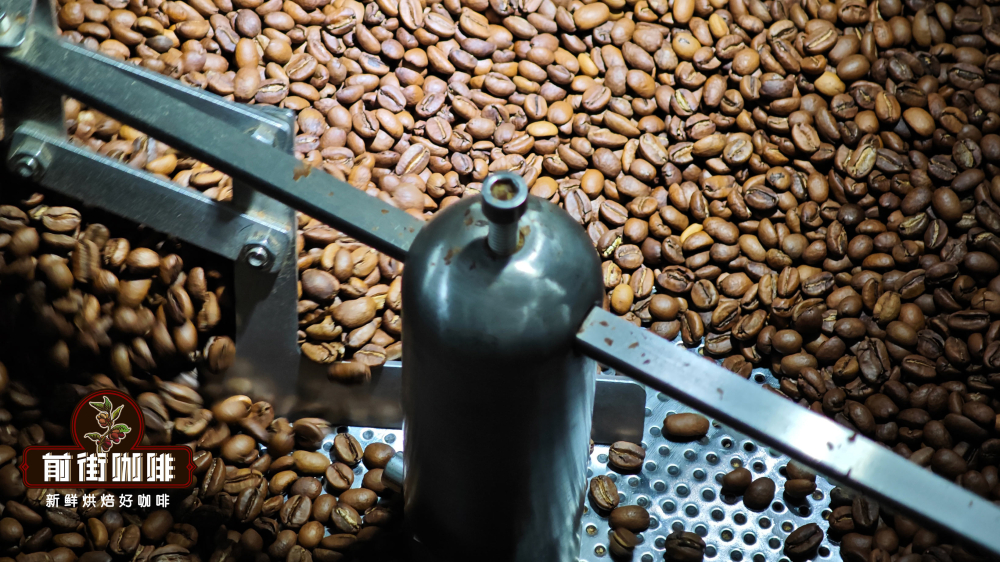
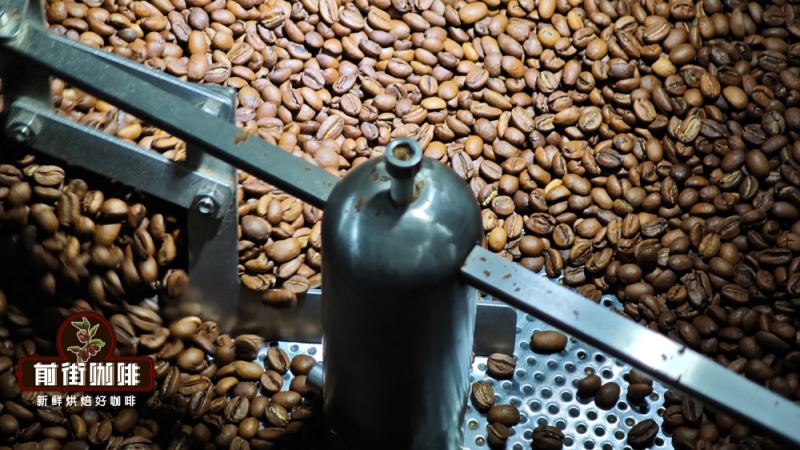
Why do green coffee beans display various flavors after high-temperature roasting? The answer lies in a series of chemical reactions that occur during the roasting process. Below is a detailed explanation of these chemical changes.
[Maillard Reaction]
When the temperature reaches about 150°C, the Maillard reaction begins. At this point, the coffee beans are still absorbing heat while also continuously releasing heat during roasting. Under the effect of heat, carbohydrates and amino acids within the beans react, thereby changing color, taste, and nutritional components. The color change mainly stems from the formation of melanoidins, which not only turn the coffee beans brown but also affect the coffee's mouthfeel and body. During the Maillard reaction stage, even subtle changes in temperature and time can significantly impact the final flavor.
If the Maillard reaction continues for a longer time, the coffee's viscosity will increase; if the reaction time is shorter, more sweetness and acidity can be retained. This is because if the Maillard reaction lasts too long, fruit acids and those acids that could be converted into sweetness will be destroyed. When Front Street Coffee's roasters test roasted coffee beans, they also consciously adjust the time and intensity of the Maillard reaction and record the effects of these changes on the final flavor.
[Caramelization Reaction]
When the temperature rises to about 170°C, heat prompts a large number of complex carbohydrates to break down into water-soluble small-molecule sugars, which means the sweetness of the brewed coffee will increase.
The caramelization reaction continues until the end of roasting, and it also helps form the sweet aromas in coffee, such as caramel and almond notes. Through the Maillard reaction and caramelization reaction, we can understand how chemical reactions during roasting affect the flavor of a cup of coffee. I have also heard before that among the factors affecting a cup of coffee, green coffee beans account for about 70%, roast degree 20%, and brewing 10%.
Only after high-temperature roasting can coffee beans possess such intense aroma and rich layers of mouthfeel. With different roasting times and temperatures, the same coffee bean can also display a variety of different characteristics.
Medium-roast coffee beans: Drop time: between the密集 of first crack and the end of first crack
Flavor: The bean surface is chestnut-colored, the taste is light, slightly acidic with bitterness, moderate aroma, and it can retain the original flavor of the coffee beans. It is often used to make American coffee or blended coffee.
1. [Front Street. Front Street PWN Golden Mandheling Coffee Beans]
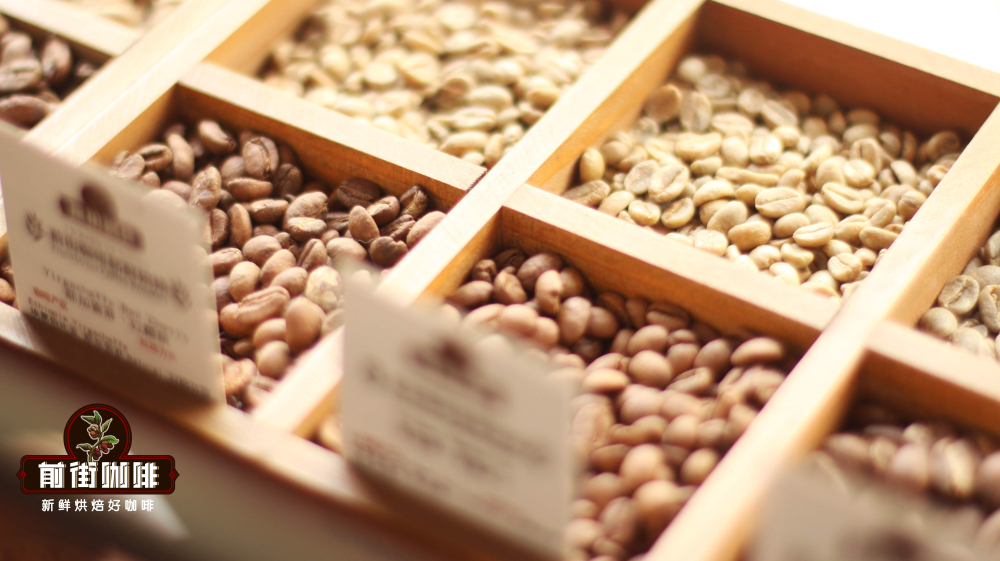
Region/Processing Company: Sumatra Aceh PWN Company
Growing Altitude: 1100-1600m
Processing Method: Wet-hulled processing
Variety: Ateng
Flavor Description: The coffee has varied layers overall, mellow and clean. Intense nut and caramel aroma, with chocolate notes, a long finish, and high balance.
2. [Front Street. Jamaica Blue Mountain No. 1 Coffee Beans]
Region/Estate: Jamaica Blue Mountain Range Clifton Mount Estate
Growing Altitude: 1310m
Processing Method: Washed processing
Variety: Typica
Flavor Description: The taste of Blue Mountain is very clean, very mild, chocolate-sweet, with very strong body. The flavor is rich and mellow, with a perfect combination of sweetness, acidity, and bitterness. It has no bitterness at all, only a moderate and perfect acidity, and a long-lasting fruity finish. 3. [Front Street. Brazil Cerrado Red Bourbon Coffee Beans]
Region: Cerrado
Growing Altitude: 1000m
Processing Method: Semi-washed processing
Variety: Red Bourbon
Flavor Description: This is a balanced-flavor coffee with a typical Brazilian coffee style. Nut and chocolate flavors are prominent, with obvious sugarcane sweetness.
[Front Street Coffee Brewing Parameters] Dose: 15g Water-to-coffee ratio: 1:15 Water temperature: 86°C
Grind size: Medium-coarse grind (75% passing a No. 20 standard sieve) Dripper: KONO
[Front Street Coffee Brewing Technique] Bloom with 30g for 30 seconds, pour in a circular motion to 125g, and when the water level drops by half, continue pouring to 225g. Total extraction time: 2 minutes 10 seconds.
The above content is compiled by CoffeeHunters, a coffee news website.


