







Search Results for: candidate list
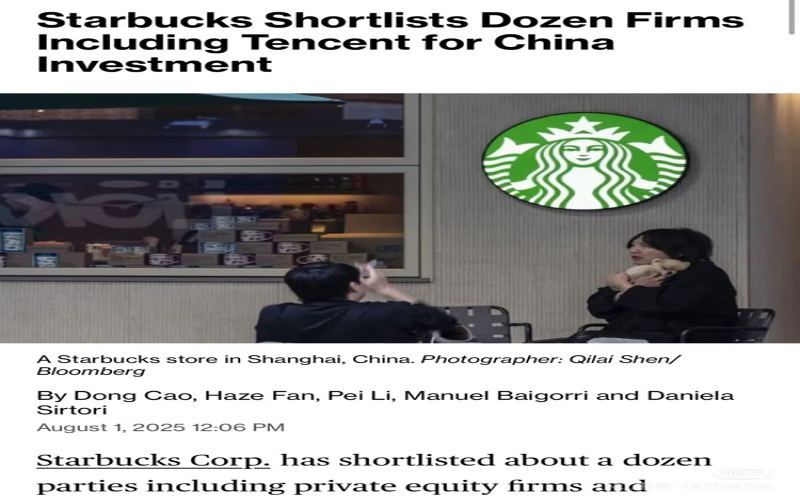
Starbucks China stake sale enters second round of screening, JD.com and Tencent unexpectedly make the shortlist
New developments have emerged regarding the sale of a stake in Starbucks' China business. According to Bloomberg, Starbucks has completed an initial screening of potential investors, with about several dozen institutions advancing to the second round of candidates. These include not only well-known private equity giants such as Boyu Capital, The Carlyle Group, KKR, and Hillhouse Capital, but also unexpectedly two Chinese tech companies, JD.com and Tencent. Starbucks CEO Niccol previously revealed on an earnings call that more than 20 prospective partners have expressed interest, and emphasized that the company still hopes to retain a substantial equity stake in its China business in the future. The core consideration in seeking partners is not capital, but how to position the Starbucks brand more favorably in the future. [more…]

Starbucks Korea urgently halts presidential candidate nicknames, political jokes blocked by officials
Starbucks Korea's "Call My Name" service was originally intended to bring store staff and customers closer together, but on the eve of South Korea's presidential election, some customers turned it into a stage for political jesting. According to reports from multiple foreign media outlets, because some people placed orders using the names of presidential candidates, baristas were forced to loudly call out these sensitive names in public, and the brand had to urgently introduce new rules. Starting before the election on the 3rd of next month, the names of six candidates, including Lee Jae-myung, as well as the name of former President Yoon Suk-yeol, can no longer be used as nicknames on the Starbucks app. Is this rule meant to maintain store order, or is it being overly sensitive? Let's take a look at how the incident unfolded. [more…]

Why are Italians so resistant to American coffee? The cultural beliefs and historical origins behind espresso
What actually happens when you order an Americano in Italy? A first-hand answer from an Italian netizen reveals this amusing cultural phenomenon: Italians usually don't drink Americanos, and café owners will simply give you an espresso and a cup of hot water to dilute it yourself. More interestingly, when Italians see someone adding water to an espresso, their reaction can be described as intense. Behind this is not just a matter of taste preference, but something tied to national identity and cultural dignity. Espresso was included in UNESCO's candidate list for Intangible Cultural Heritage in January this year. It carries Italy's coffee history from the 16th century to the present, from the "drink of the devil" to the "drink of God," from the first coffee house to the invention of the steam coffee machine. Espresso has long been part of Italy's national identity. [more…]
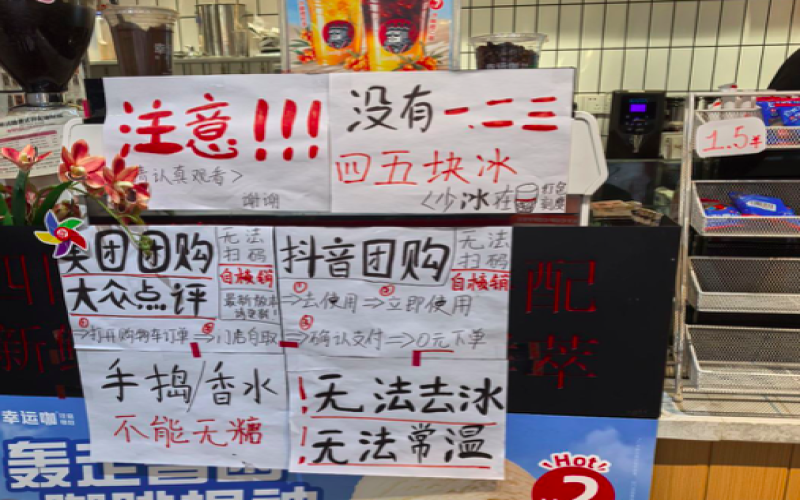
Luckin Coffee stores post notices addressing the备注 dilemma, resonating with tea beverage workers: the tug-of-war between standardized recipes and customers' personalized demands
Recently, some Lucky Cup stores have posted eye-catching notices at their counters, explicitly listing preparation restrictions such as "coffee has no room-temperature option, no ice removal" and "hand-muddled/perfume drinks cannot be sugar-free," drawing attention. In fact, similar friendly reminders appear at stores of multiple chain beverage brands, and staff members candidly admit: flexibly adjusting ice levels does not necessarily earn praise, but violating operating rules may lead to penalties. At the same time, some consumers give negative reviews due to changes in drink taste, putting frontline employees in a dilemma. This tug-of-war over formula standardization and personalized demands reflects the deep-seated contradiction in the chain beverage industry between unified output and accommodating consumer experience. [more…]
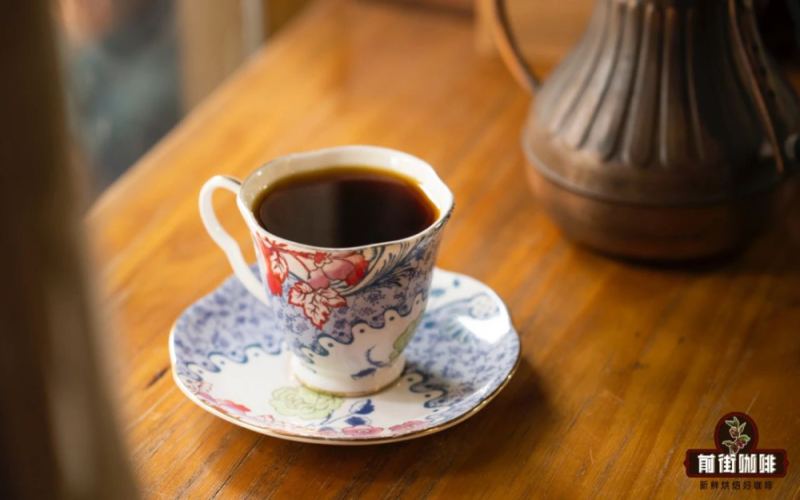
How to Choose Beginner Coffee Beans? Suitable Bean Types for Pour-Over, Drip, and Moka Pot, Plus Front Street Coffee's Recommended List
Friends who are just starting to explore coffee often feel overwhelmed by the dazzling array of coffee beans and don't know where to begin. Different brewing methods have different requirements for coffee beans: pour-over and drip machines are suited to single-origin beans that showcase regional flavors, while coffee that is mixed with milk or extracted using an espresso machine or moka pot is better suited to blended beans. This article categorizes several Front Street Coffee beans that are suitable for beginners according to usage scenarios, including Golden Mandheling, Yirgacheffe Red Cherry, Costa Rica Mozart, Yunnan Front Street 2013, as well as Classic Blend and Dark Cocoa Blend, to help you enjoy great taste while staying energized. [more…]
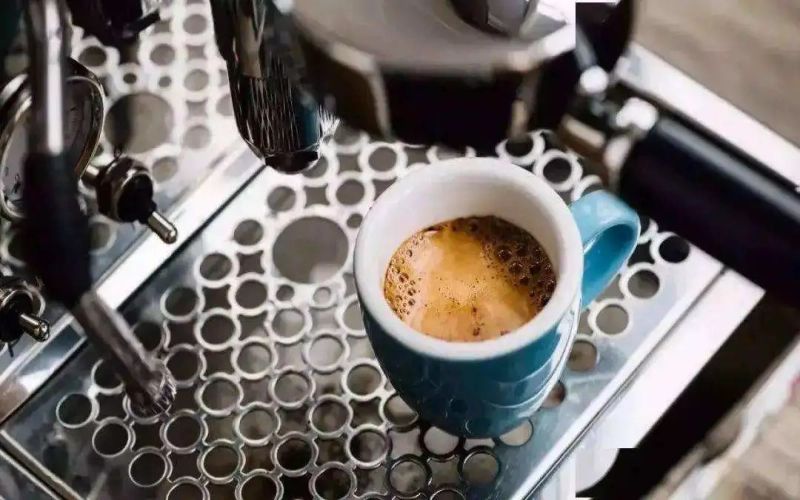
The Road to UNESCO Heritage Status for Espresso and the Century-Long Evolution of the Espresso Machine
A small cup of espresso carries Italy's profound cultural heritage and the marks of change from the industrial age. From the birth of steam-powered coffee machines at the end of the 19th century, to the iterative upgrades of spring piston and semi-automatic espresso machines in the 20th century, and then to today's globally popular café culture, espresso has gone through more than a century of development. At the same time, Italy has been working since 2016 to seek intangible cultural heritage status for espresso, and it has now finally entered UNESCO's formal review process. This article will take you through the history of the development of the espresso machine and bring you the latest progress on its heritage application. [more…]
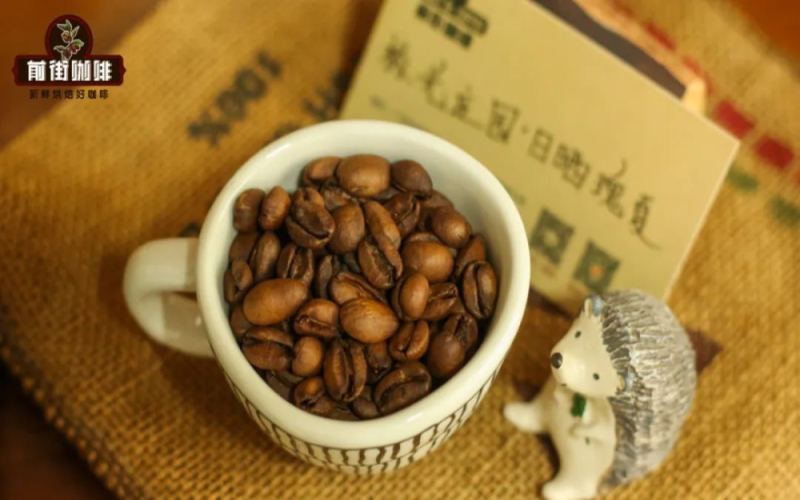
Panama Aurora Estate Ironman Geisha: Origin of the Name, the Road to BOP Victory, and a Flavor Analysis of the Natural Camilina
In the western valley of the Barú Volcano, near the Costa Rican border in Panama's Volcán region, lies a young estate established only in 2006—Auromar. The estate's name is a combination of the names of the owner Roberto's daughter Aurora and granddaughter Mar. Since winning the washed Geisha category at the BOP competition in 2013, Auromar has been shortlisted almost every year, and the Ironman Geisha has thus become widely renowned. The name "Ironman" stems from the owner's passion for triathlon, while the natural process lots are named after his granddaughter Camilina. This article will outline Auromar's geography and microclimate, the naming stories of the Ironman Geisha and Camilina, the natural processing workflow, and, combined with Front Street Coffee's roasting and pour-over recommendations, present this natural Geisha's floral aroma, strawberry, guava, and oolong tea aftertaste. [more…]

Indonesian Protest Wave Hits Coffee Industry: Exports Plunge by More Than Half, Casting a Shadow Over Origin Prospects
Large-scale protests erupted in multiple parts of Indonesia against the amendment to the Regional Election Law, and the situation in front of the Indonesian parliament building in Jakarta briefly spiraled out of control, with more than 300 people arrested. This political turmoil comes just as Indonesia's coffee industry faces severe challenges—exports from the Sumatra production region plunged by more than 50% year on year, and compounded by high global robusta prices and the Red Sea crisis, Indonesia's coffee market remains sluggish. The protests have affected union participation and obstructed logistics, and industry insiders are generally pessimistic about the outlook for the coffee industry. This article will sort out the ins and outs of the incident and its deep impact on the coffee industry. [more…]
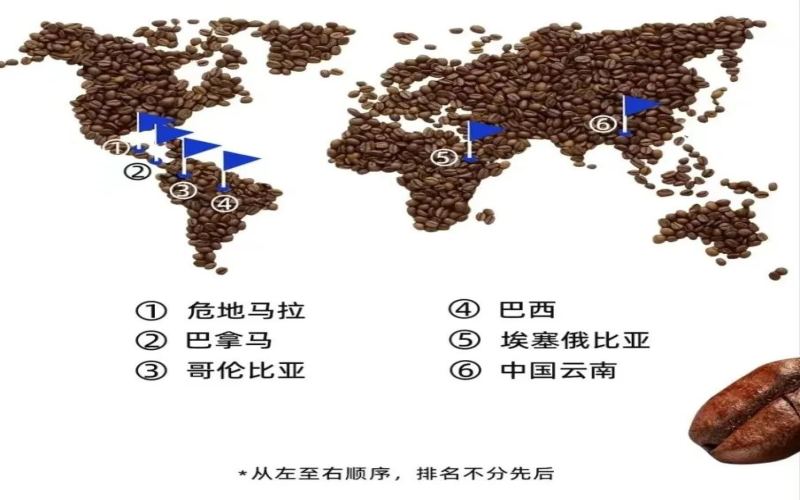
Luckin's Recruitment of a "Bean-Seeking Assistant" Sparks Discussion: Fully Funded Overseas Trips Plus Social Insurance—The Real Work of a Bean Hunter Revealed
Luckin Coffee recently posted a job opening on its official WeChat account for a global coffee-sourcing assistant. The successful candidate will travel with the sourcing team to coffee-producing regions around the world, with all travel expenses reimbursed and a generous salary. Once the news spread, many netizens exclaimed that this was a cushy job with paid travel and even social insurance, while others regretted choosing the wrong major because the position requires proficiency in English and Portuguese. At the same time, the little-known profession of coffee sourcer has come into the public eye. On the surface, it involves traveling the world, but in reality, it means going deep into remote villages and unstable regions, cupping hundreds of coffees day after day, writing reports, negotiating prices, and arranging transportation. This article takes you through the real daily life of a coffee sourcer, to see whether this job is truly as easy and pleasant as it seems. [more…]

What keeps customers coming back to a coffee shop? Five regulars share their real experiences and spending expectations.
Can a café make people want to come back again and again based solely on great coffee? In conversations with friends and customers in the shop, the writer found that what truly brings customers back are often the easily overlooked soft experiences—a greeting at the door, recommendations based on taste rather than price, no pressure to “appreciate” the coffee, and the just-right sense of distance between barista and guest. Several interviewees candidly shared their positive and negative experiences, including product information related to the Front Street Coffee brand. These genuine reflections may offer café owners valuable reference. [more…]
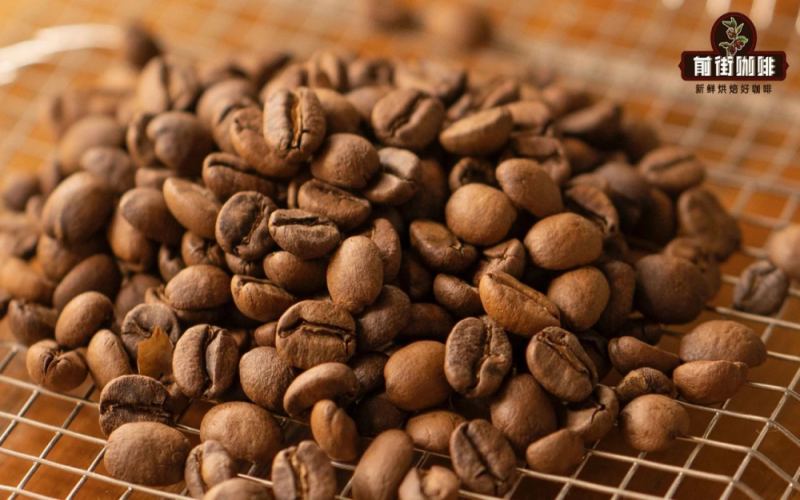
Espresso Blend Recommendations | What Are the Benefits of Blended Coffee? How to Determine the Espresso Brewing Ratio of Coffee Grounds to Water?
Espresso has a thicker texture and richer crema than drip coffee, and making high-quality espresso is inseparable from good espresso beans. Generally speaking, espresso beans are made by blending coffee from several origins to achieve a balanced flavor. Front Street Coffee (FrontStr [more…]
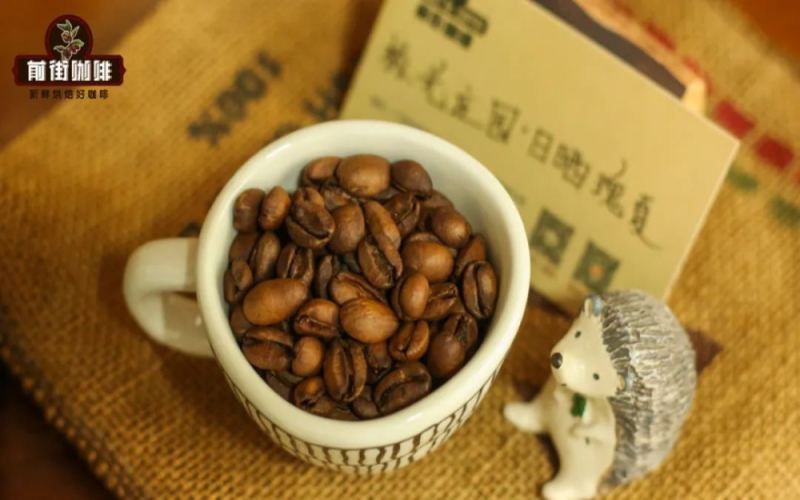
An In-Depth Analysis of Panama's Aurora Estate Geisha: The "Iron Man" Legend of the BOP Champion Estate and Catalina Flavors
In the Volcán region of Panama, there is an estate barely over a decade old that has repeatedly made the BOP list—Finca Auromar. Founded by former Panama Stock Exchange CEO Roberto Brenes, it shot to fame by winning first place in the 2013 BOP washed category with its "Ironman Geisha," and has appeared on the winners' list almost every year since. The estate's name comes from his daughter and granddaughter, and its Geisha lots are often named after family members, such as Camilina and Catalina. This time, Front Street Coffee brings a detailed review of the Catalina natural Geisha and the Soul Plot Catuai, offering a comprehensive look at this top Geisha estate's unique charm—from its history and microclimate to processing methods and cupping flavors. [more…]
Pour-Over Blends Are a Thing Too: Front Street Coffee Autumn Blend Recipe, Roasting Parameters, and Flavor Profile Analysis
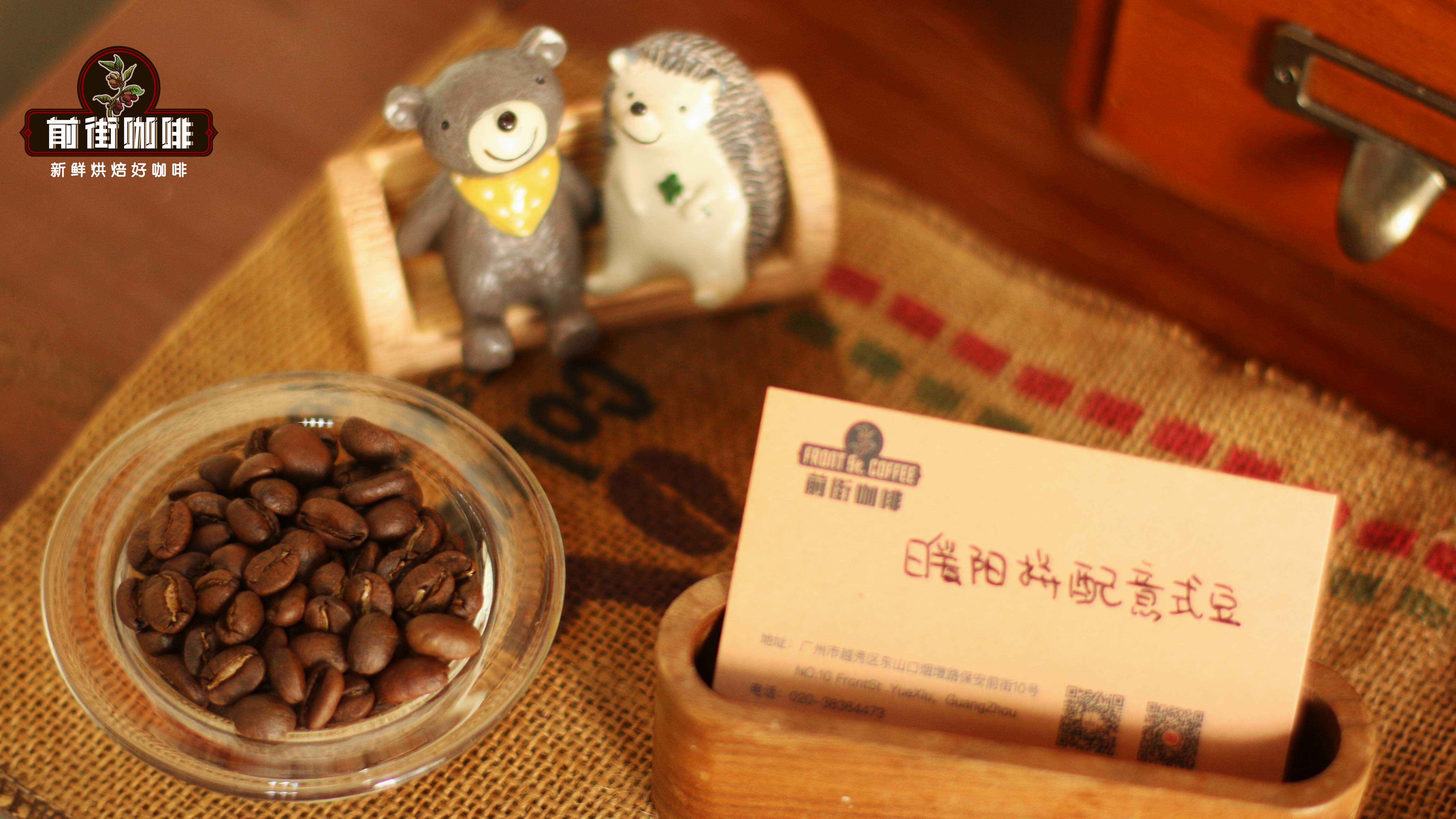
When it comes to blended beans, most people only think of espresso, but hand-brewed coffee can use them just as well. This article fully reconstructs the entire process behind Front Street Coffee's development of the "Autumn Hand-Brew Blend": why Yunnan 2013 Typica was chosen as the lead bean, how Yirgacheffe Kochere and Gesha Village sun-dried Geisha filled in the supporting roles, how raw blending and roasted blending were weighed against each other, what cup-testing iterations the 6:3:1 ratio went through, and two complete roasting curve data sets. The finished cup has soft acidity, clear sweetness, and layers of black tea, caramel, orange, and floral-fruity aromas unfolding one after another, offering a detailed reference for enthusiasts who want to try hand-brew blending. [more…]
The Flavor Countdown in the Bean Hopper of a Fully Automatic Coffee Machine
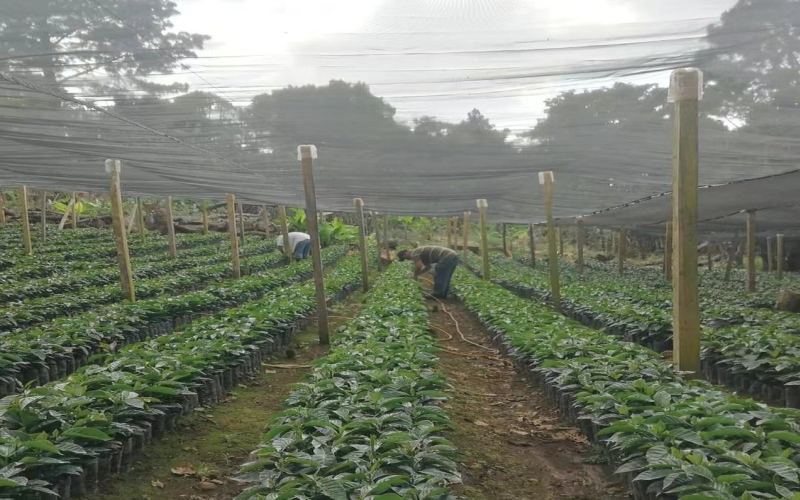
From the moment coffee beans finish roasting, their aroma is constantly changing. Right after roasting, they contain more carbon dioxide, then they enter a stage where the aroma opens up and the sweetness becomes clear, before gradually leveling off. Although fully automatic coffee machines are convenient to operate, when the beans go into the hopper still affects the crema, intensity, and aroma in the cup. On the packaging [more…]
How Do You Get SCA Barista Certification? A Comprehensive Guide to Levels, Costs, and Value
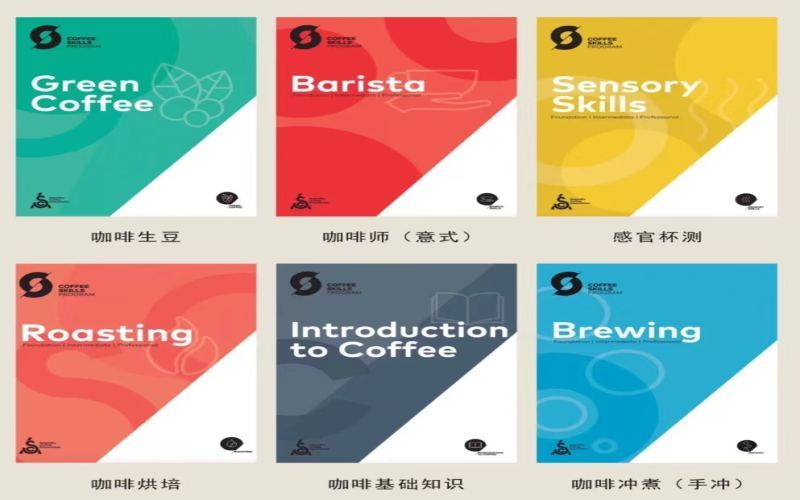
For those looking to enter the specialty coffee industry, SCA certification is a topic many cannot avoid. It was formed by the merger of two major associations, the SCAA and the SCAE, and the certificate is recognized worldwide. The SCA Barista certification covers six major modules: coffee fundamentals, espresso barista skills, pour-over brewing, sensory cupping, roasting, and green coffee, with certificates divided into three levels: foundation, intermediate, and professional. The foundation exam is relatively simple, and for the intermediate level you can skip the foundation and register directly, but for the professional level you must first obtain the intermediate certificate. Does earning the certification mean a higher salary? Is the course really worth taking? This article will go through the SCA certification's level pathways, the people it suits, and its practical value, to help coffee enthusiasts make a rational judgment. [more…]
SOE Espresso Flavor Analysis: Single-Origin vs. Espresso Blend Differences and Selection Advice
SOE (Single Origin Espresso) refers to espresso made from a single-origin coffee, and in recent years it has attracted considerable attention in the specialty coffee world. Many coffee enthusiasts are curious: what exactly is the difference between SOE and espresso blends? Which is better suited for daily service? Starting from Front Street Coffee's practice, this article systematically sorts out the flavor characteristics of SOE, the key points of extraction, and the advantages of blends in terms of stability and flavor construction. At the same time, by combining two products—Front Street Brazil Queen's Estate Yellow Bourbon SOE and Front Street Sunflower Warm Sun Espresso Blend—it explains extraction parameters and blending logic in detail, helping readers understand the scenarios and selection approaches for which each type of coffee bean is suited. [more…]
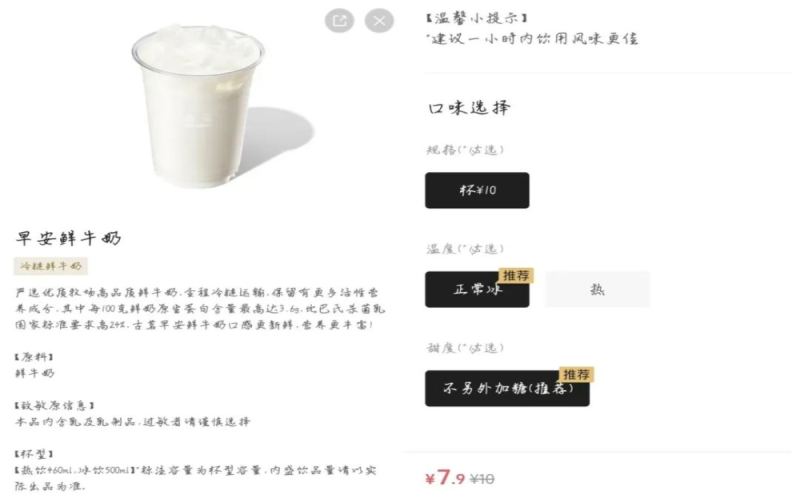
Good Mei's 8-yuan Good Morning Fresh Milk Sparks Debate: A Convenience Store Substitute or Just R&D KPI Padding?
Guming's mini-program has quietly launched a new product called "Morning Fresh Milk." The only ingredient is fresh milk, available in hot or cold options, priced at 8 yuan per 500ml. After trying it, consumers discovered that the cup contains exactly the same refrigerated fresh milk brands used in stores for making tea drinks—Yue Xian Huo, Weigang, and Renyangyitouniu—tasting no different from what's sold in supermarkets and convenience stores. Once the news broke, netizens reacted with sharply divided opinions: some felt the price was completely uncompetitive, arguing it's better to just buy from a supermarket or convenience store, and joked that this was "forcing out a product with no real substance," with R&D staff cobbling together a new item just to meet KPI targets; others thought they could simply add espresso or toppings themselves to make a low-cost latte. Some netizens even let their imaginations run wild, speculating that Guming is testing the waters for a foray into the breakfast market. This article will sort through the discussions sparked by this new product and the possible business logic behind it. [more…]
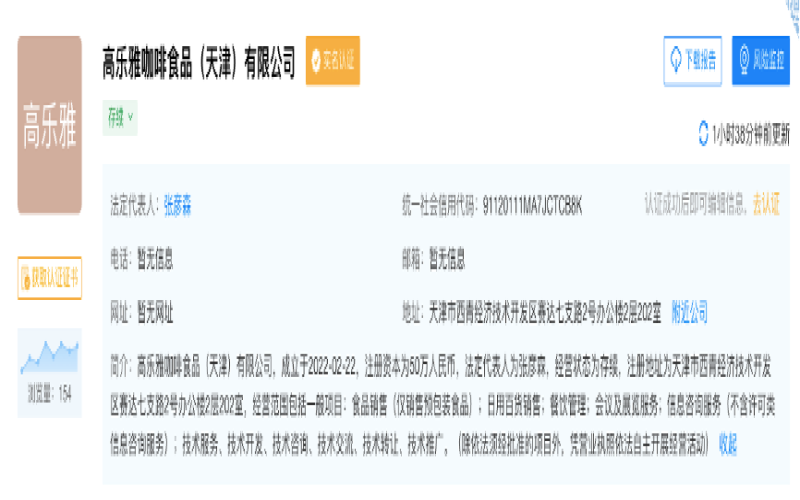
Goubuli Group Enters the Coffee Arena: Seven Years of Transformation After Acquiring the Master Franchise Rights for Australia's Gloria Jean's in China
When Tianjin's Goubuli steamed buns also pick up a coffee cup, China's coffee market competition landscape gains another highly talked-about player. From spending heavily in 2014 to acquire the franchise rights in China for the Australian brand Gloria Jean's, to establishing a dedicated coffee food company in 2022, the Goubuli Group's exploration in the coffee sector has spanned more than seven years. How far is the distance between the original vision of opening 200 stores in five years and reality? Facing encirclement by new and old rivals such as Starbucks and China Post, can this time-honored brand find its own place in the coffee track? This article sorts out the key milestones and current situation of Goubuli's cross-industry coffee venture, for coffee enthusiasts' reference. [more…]
Italian Espresso Pricing Controversy: Decaf Sold at 2 Euros Leads to a 7,000 Yuan Fine, Champion Barista Speaks Out
Italian espresso is regarded as a national cultural symbol and has long maintained a low price of around 1 euro. After the pandemic, costs rose, and some cafés raised the price to 1.5 euros, which sparked consumer dissatisfaction. Recently, a three-time coffee competition champion was fined 1,000 euros (about 7,109 yuan) because a decaf espresso was priced at 2 euros and the price was not listed on the physical menu. He posted a question: why do Italians accept a 2-euro newspaper, yet feel that a 1.2-euro espresso is not worth it? When the specialty coffee wave meets the traditional low-price culture, the pricing dilemma of Italian espresso is worth pondering. Front Street Coffee continues to follow global coffee industry trends and brings you in-depth reporting. [more…]
What Are SOE Coffee Beans? The Characteristics, Flavor Profile, and Bean Selection Considerations of Single-Origin Espresso
SOE stands for single-origin espresso, and its popularity in the specialty coffee world has continued to climb in recent years. How does it differ from blended espresso? Which beans are suitable for making SOE? This article explores the flavor characteristics, mouthfeel, and bean-selection logic of SOE coffee beans: from an analysis of the suitability of Yirgacheffe, Huakui, and Mandheling, to the effect of roast level on espresso flavor, to why Front Street Coffee has experimented repeatedly but never added it to the menu, and the reasons why a cup of SOE is priced higher—answering each question one by one. The article also includes the actual extraction parameters for Front Street's Ethiopia Red Cherry and Warm Sun blend, for enthusiasts to reference and compare. [more…]