







Search Results for: brewing process

Cold Drip, Cold Brew, and Iced Brew: A Detailed Guide to the Process Differences of Low-Temperature Coffee Extraction and Five Handcrafted Bean Selections
In the iced coffee family, there are many names—cold brew, ice drip, iced brewed, cold steeped, Dutch coffee, Kyoto coffee—that often leave people bewildered. This article starts from the broad concept of cold brew coffee, sorts out the two major low-temperature extraction paths of immersion and drip filtration, traces the origin of Dutch coffee, the process by which Japan's Hanabusa Coffee invented the three-layer ice drip pot, and the emphasis on the brewing and aging step behind the term "iced brewed." The article also presents five Front Street single-origin beans suitable for making iced brewed coffee, covering Yirgacheffe, Kenya, Panama Butterfly, Costa Rica Mozart, and Strawberry Candy Geisha blend, explaining each one's origin, altitude, variety, and processing method, and noting the flavor performance of medium-light roasts in cold brew. [more…]

Flavor Experiment with Low-Temperature Slow Extraction: Differences in Cold Brew Across Different Processing Methods
The most fascinating thing about cold brew is that it works like a slow-motion projector: the flavor release that hot extraction completes in a few dozen seconds is stretched out over more than ten hours, and the character of every flavor compound is amplified and put on display. Running a set of cold brew comparison experiments with beans processed in different ways lets you directly see how each processing method truly expresses itself at low temperatures. The experiment is set [more…]
How Should Coffee Brewing Parameters Be Adjusted for Different Processing Methods? An Analysis of Water Temperature and Grind Differences for Natural, Washed, and Anaerobic Coffees, and Why Anaerobic Beans Drain Fast
When faced with coffee beans processed in different ways, is it necessary to design a separate brewing recipe for each one? Front Street believes that rather than recording tedious parameters one by one and bearing the high cost of trial and error, it is better to categorize beans by processing method or roast level and use a single recipe with a broad coverage range. This article focuses on three processing methods—natural, washed, and anaerobic—explaining the differences in their flavor expression, as well as the targeted adjustments that can be made during brewing, including the thinking behind setting water temperature, coffee-to-water ratio, grind size, and extraction time. The article also specifically explains why anaerobically processed coffee drains faster, and how to ensure full extraction by grinding finer or switching to a slower-flow filter basket. All parameters are based on medium-light roasted beans, with adjustment suggestions for medium-dark roasted beans included. [more…]

Advanced Cold Brew Bean Selection: How to Read Origin, Processing Method, and Roast Level
After trying a few cold brews, many people ask: with the same method, why do some cold brews taste like fruit juice while others taste like cold bitter water? The answer isn't in the method, it's in the beans. Today, we'll cover cold brew bean selection thoroughly in one go, from three dimensions: origin, processing method, and roast level. Origin determines the flavor baseline. Coffee beans from different origins have flavors [more…]
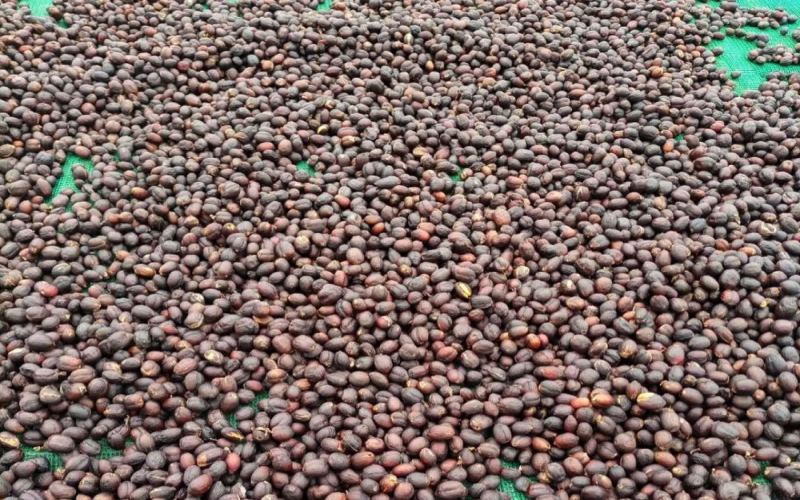
Ethiopia Granada Estate Geisha Coffee Beans: A Full Analysis of Origin Information, Natural Processing, and Grinding & Brewing
Ethiopia is the birthplace of coffee and one of the important producing regions of the Geisha variety. Unlike American producing countries such as Panama, Ethiopian coffee is mainly grown by smallholders, with complex varieties, mostly exported under the name "heirloom". This article focuses on Front Street's recommended Grana Estate Geisha, covering everything from the producing region background and processing station information to the sun-dried process and brewing methods. This coffee is grown at an altitude of 1,600 to 1,900 meters, uses sun-dried processing and a medium-light roast, and features aromas of perfume, red-fleshed dragon fruit, lime, and apricot, making it suitable for pour-over, cold brew, and other brewing methods. The article also includes cold brew steps and storage suggestions for coffee lovers' reference. [more…]

Analysis of Flavor Differences Between Ethiopian Huakui and Yirgacheffe Coffee Beans and Key Brewing Points
Ethiopia's Yirgacheffe and Sidamo Hambela are often regarded as favorites among fans of light to medium roasts; both originate from Ethiopia, yet they present distinctly different sweet-and-sour profiles. From the perspective of Front Street Coffee, this article sorts out the differences in terroir and processing methods between the two major producing regions, explains in detail how natural processing gives Hambela a full-bodied juicy feel and how washed processing shapes Yirgacheffe's bright citrus notes, and includes the specific brewing parameters and technique adjustments for Front Street Coffee Hambela 8.0 and Yirgacheffe Gudingding, helping coffee enthusiasts understand these two classic single-origin coffees more systematically. [more…]

Cold Brew Iced Coffee Ratio and Coffee Bean Selection Guide, with Creative Cold Brew Specialty Drink Ideas
Cold brew coffee, through its low-temperature slow extraction process, presents a smoother mouthfeel with less bitterness than hot extraction, making it the most convenient coffee choice in a busy life. This article provides a detailed analysis of the definition, flavor characteristics, and brewing ratios of cold brew coffee, and recommends coffee beans suitable for cold brew based on different origins and processing methods, including Front Street Coffee's Yirgacheffe Gidding, Honduras Sherry and Lychee Orchid, and Panama Butterfly. In addition, it shares three creative specialty drink methods: adding sparkling water, adding milk, and adding alcohol, to help you find the cold brew solution that best suits your taste. [more…]

How do you make cold brew coffee taste great? From coffee-to-water ratio to equipment, Front Street teaches you bean selection and brewing tips.
As the weather gradually warms up, iced coffee becomes a favorite for many, and cold brew, with its smooth taste brought by long low-temperature steeping, is winning over more and more coffee lovers. Starting from Front Street Coffee's actual practice, this article introduces the basic method of cold brew, the coffee-to-water ratio and extraction time, and shares the reason why cold brew made with soda water tends to be too concentrated, as well as the difference in taste after blending with fresh milk versus creamer. At the end, it also compiles eight specialty coffee beans suitable for making cold brew, covering producing regions such as Yirgacheffe, Huakui, Butterfly, and Huilan, for you to choose according to your flavor preference. [more…]

Yirgacheffe G2 Coffee Bean Flavor Analysis: Comparison of Pour-Over Parameters and Grind Settings for Washed and Natural Processing Methods
Yirgacheffe is Ethiopia's most iconic specialty coffee region, renowned for its bright acidity and fresh floral aroma. This article begins with the region's background and the differences between washed and natural processing methods, then breaks down in detail Front Street Coffee's brewing approach for the Gedeb Cooperative washed beans and the Aletaland Cooperative natural Red Cherry beans, including grind size recommendations, water temperature selection, coffee-to-water ratio, and dripper pairing, helping coffee enthusiasts more precisely bring out Yirgacheffe's citrus, berry, and honey sweetness. [more…]
How does anaerobic fermentation change the structure of coffee beans? Parameter adjustment ideas for the too-fast drainage when brewing Rose Valley
Many coffee enthusiasts encounter a puzzle when brewing anaerobically processed coffee beans: even when they follow the grind standard for a medium roast, the water flow is noticeably fast, and the resulting cup tastes thin and lacks complexity. Behind this phenomenon is actually a close relationship with the changes that anaerobic fermentation brings to the cellular structure of coffee beans. Starting from Front Street's actual brewing tests, this article combines grind particle-size distribution data from anaerobically processed beans such as Rose Valley and Mozart to analyze the causes of the faster flow rate, and offers adjustment suggestions on both grind setting and pouring technique, helping you reproduce at home an anaerobically processed coffee that is rich in aroma and smooth in mouthfeel. [more…]
Yirgacheffe Washed vs. Natural Processing Methods Explained: Flavor Characteristics and Front Street Specialty Bean Brewing Guide
Yirgacheffe, as a star-producing region in Ethiopia, has always been a hot topic among coffee enthusiasts for the flavor differences between its washed and natural processing methods. The washed method centers on removing the skin and pulp, then rinsing with clean water and drying, resulting in clean, stable quality and bright floral notes; the natural method keeps the whole fruit for a long, slow drying process, giving the beans rich fruity aromas and a fuller body. This article will take a deep dive into the essential differences between the two processing methods, citing specific products such as Front Street Yirgacheffe, Front Street Guding, and Front Street Red Cherry to explain how to choose coffee beans based on flavor preferences, while also offering brewing parameter suggestions to help you easily brew a cup of coffee you love. [more…]

Indonesia Wahana Estate Sun-Dried Mandheling: A Full Analysis of Variety Characteristics, Processing Method, and Brewing Flavor
When Mantenin is mentioned, most people first think of the mellow herbal and dark chocolate notes brought about by the wet-hulled process. However, in Sumatra, Wahana Estate has reshaped the flavor profile of Mantenin through natural processing. This article will guide you through the growing conditions and varietal composition of Wahana Estate, walk you through the complete processing flow of natural Mantenin, and compare it with traditional wet-hulled Mantenin in terms of brewing parameters and taste performance. At the same time, Front Street Coffee will also share the importance of fresh roasting for coffee flavor, as well as practical tips for everyday brewing, to help you gain a more comprehensive understanding of this unconventional Mantenin. [more…]
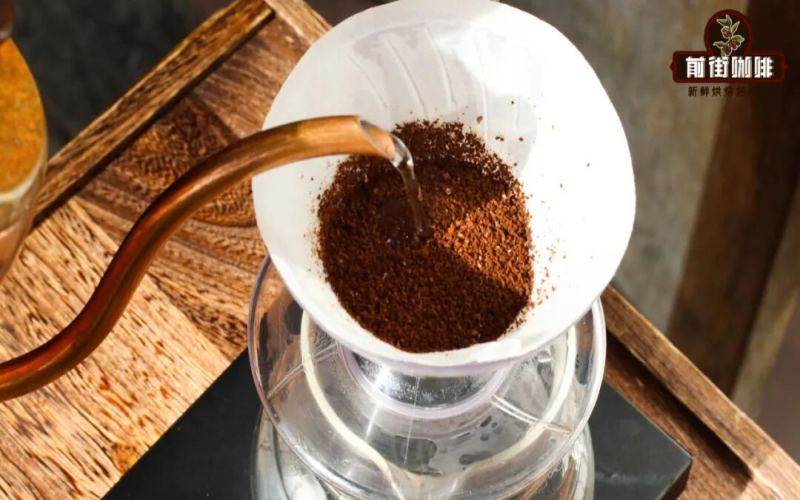
Anaerobic Coffee Pour-Over Tutorial | What Are the Characteristics of Anaerobic Coffee Beans? What Adjustments Are Needed When Using Anaerobic Beans for Pour-Over? How to Brew Anaerobic Coffee with a Juicy Mouthfeel?
Compared to other conventional processing methods, anaerobically processed coffee beans usually have a more intense and more distinctive flavor (for the most part), because their fermentation tends to go a bit deeper. For example, the Front Street 90+ Eleta on the Front Street Coffee menu has obvious notes of longan, spice, and citrus. [more…]

From Coffee Cherry to Cup: A Comprehensive Guide to Coffee Bean Processing Methods, Extraction Techniques, and Instant Coffee Production
Coffee processing encompasses three levels: the processing methods that extract coffee beans from coffee cherries, the brewing methods that extract coffee liquid from coffee beans, and the industrial processes that turn coffee liquid into instant coffee powder. Traditional processing methods include three types—washed, natural, and honey—each giving coffee beans a distinctly different flavor profile. Extraction methods fall into three mainstream categories: drip, pressure, and cold brew, corresponding to pour-over coffee, espresso, and cold brew coffee, respectively. As for instant coffee, regular instant and freeze-dried coffee also show clear differences in production techniques and flavor retention. This article will break down these processing stages one by one to help coffee enthusiasts build a complete knowledge framework from seed to cup. [more…]

Cold Brew Coffee Bean Selection Guide: From Fruity to Wine-like Notes, Can Huakui and Geisha Deliver?
Cold brew coffee, with its non-bitter, low-acid, mellow character, plus the unique fermented note brought by low-temperature aging, has become a favorite among many coffee lovers in summer. But not all coffee beans are suitable for cold brew—different origins, processing methods, and roast levels will make the same bean present a completely different profile from hot brewing. At Front Street Coffee, when making cold brew day to day, we carefully select beans with appealing flavors that suit cold brew. This article compiles the bean-selection approaches and specific recommendations for four cold brew styles, including rich fruity, fresh floral-fruity, full-bodied and deep, and subtly boozy, and also answers whether popular varieties such as Huakui and Geisha can be used to make cold brew. [more…]
Beginner's Guide to Choosing Coffee Beans: Flavor Differences Between Natural and Washed Processing Methods and Key Brewing Points
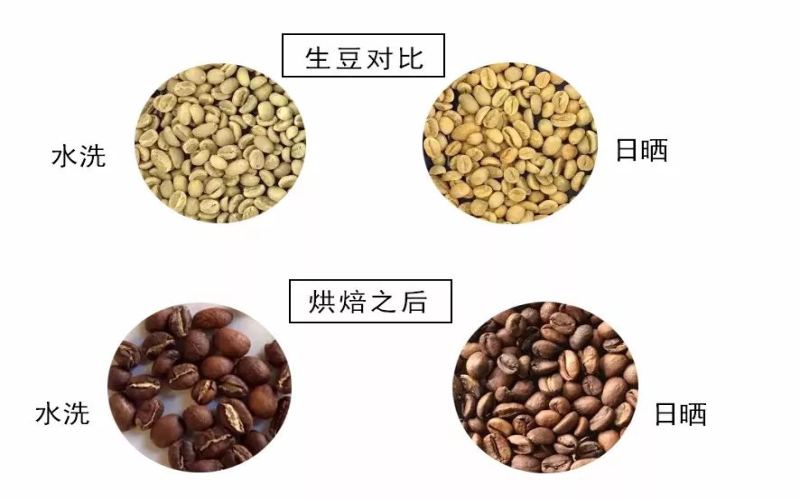
Many friends who are just getting into single-origin coffee are amazed by the rich layers of flavor in the cup—some taste the refreshing quality of lemon tea, while others taste the sweetness of strawberry juice. Besides variety, origin, and climate, the processing method also plays a decisive role in the flavor a bean ultimately presents. From the perspective of Front Street, this article systematically explains the principles, steps, and flavor characteristics of the two basic processing methods, natural and washed, helping beginners distinguish the differences between green bean appearance and roasted bean differences, and gives brewing parameter suggestions for each of the two processing methods. The article also includes specific product recommendations such as Front Street Red Cherry, Front Street Blue Mountain No. 1, and Front Street Fruit Ding Ding, making it convenient for beginners to purchase as needed. [more…]
Where Do the Flavors of Costa Rican Hand-Brewed Coffee Beans Come From? An Analysis of Regions, Varieties, and Processing Methods, Plus a Front Street Brewing Tutorial
Costa Rica is an important representative of specialty coffee in Latin America, where washed, natural, honey processing, and even anaerobic and raisin honey processing methods flourish. Many coffee enthusiasts buy Costa Rican beans and brew them at home with pour-over, yet often feel there is a gap compared to what cafés produce. Is the problem with the beans themselves or the brewing method? Front Street Coffee approaches this from three dimensions—geographic growing conditions, main varieties, and processing methods—to sort out the logic behind the formation of Costa Rican coffee flavors, with a focus on the Tarrazú region and the honey processing system. Using the Canet Musician Series Bach and Mozart as examples, it provides complete pour-over parameters and staged extraction steps to help readers brew their ideal flavor. [more…]

Analysis of Flavor Differences Between Semi-Washed and Honey-Processed Coffee: Processing Methods, Taste Characteristics, and Brewing Suggestions for Front Street Coffee Beans
Semi-washed and honey processing both belong to the category of methods where the fruit skin is removed and the beans are dried directly, yet they present截然不同的 flavor directions due to differences in how much pectin is retained and the drying conditions. Semi-washed originated in Brazil; it is simple to operate and suitable for large-scale production, with a flavor profile leaning toward nuts, chocolate, and caramel; honey processing began in Costa Rica and, depending on the proportion of pectin retained, is classified into yellow, red, and black grades, with sweetness and aroma being more prominent. This article will systematically sort out the process steps, flavor characteristics, and grading logic of the two, and, combined with Front Street Coffee's Brazil Red Bourbon and Costa Rica Honey Process Geisha, provide specific brewing parameters and technique suggestions to help coffee enthusiasts understand the differences and apply them to daily brewing. [more…]

Yirgacheffe Washed vs. Natural Processing Methods: Flavor Profiles, Bean Appearance, Mouthfeel, and Brewing Recommendations
Yirgacheffe, as a representative region for Ethiopian specialty coffee, produces two processing methods—washed and natural—that create completely different flavor profiles. Washed Yirgacheffe is known for its bright citrus acidity, jasmine aroma, and black tea finish, while natural Yirgacheffe presents fermented wine notes, honeyed sweetness, and a full body. This article will comprehensively compare the core differences between these two processing methods, from regional terroir, processing techniques, and grade classification to cup profile differences and optimal brewing parameters, and share the brewing performance of Front Street G1 Yirgacheffe, helping coffee lovers more clearly understand the charm of Yirgacheffe. [more…]
Yirgacheffe Coffee Bean Flavor Analysis: A Complete Guide to Washed vs. Natural Processing Differences and Pour-Over Techniques
Yirgacheffe is Ethiopia's most iconic specialty coffee region, renowned for its bright acidity and fresh floral aromas. Starting from the region's history and geographical environment, this article analyzes how the two major processing methods—washed and natural—affect coffee flavor, and compares the cupping performance of two beans: Front Street Coffee's washed Gedingding Cooperative and Front Street Coffee's natural Red Cherry. For each processing method, it details pour-over parameters such as grind size selection, V60 dripper usage, water temperature control, and coffee-to-water ratio, helping coffee enthusiasts adjust their brewing approach according to each bean's characteristics and fully bring out Yirgacheffe's captivating flavor layers. [more…]