







Choosing Coffee Beans for Cold Brew
Cold brew coffee is known for its low bitterness, gentle acidity, and smooth body, along with a mild fermented note from low-temperature aging. Not every coffee bean performs well in cold brew; origin, processing method, and roast level can change the flavor significantly compared to hot brewing. This guide covers bean selection for four cold brew styles: rich fruity, floral and fruity, full-bodied, and wine-like.
Front Street Coffee selects beans that suit cold brew and offer broad flavor acceptance. The core traits of cold brew are low bitterness, weak acidity, soft flavor, and a fermented breath from cold aging. By matching a bean's original flavors to these traits, you can estimate how it will taste in cold brew. Below are several beans we commonly use, so you can choose directly and brew a cold brew that fits your taste.
Cold brew coffee, with its non-bitter, low-acid, smooth characteristics, plus the unique fermented feel brought by low-temperature aging, has become a favorite among many coffee lovers in summer. But not all coffee beans are suitable for cold brew; different origins, processing methods, and roast levels will make the same bean present a completely different profile from hot brewing. Front Street Coffee, when making cold brew in daily operations, carefully selects beans with pleasant flavors and suitability for cold brew. This article compiles the bean selection ideas and specific recommendations for four types of cold brew styles, including rich fruity aroma, fresh floral and fruity aroma, full-bodied and deep, and slightly tipsy wine aroma, and also answers whether popular bean varieties like Huakui and Geisha can be used to make cold brew.
Precisely because the production logic of cold brew coffee differs significantly from hot brewing, Front Street, when selecting coffee beans for immersion cold brew, always deliberately favors those beans that are themselves suitable for cold brew and have a relatively broad flavor acceptance, so that customers can still obtain a sufficiently outstanding drinking experience within a limited selection.
The performance of these cold brews is quite pleasing. Many friends, after drinking them, privately ask Front Street what beans and what recipe were used to make the cold brew, hoping to reproduce the same taste at home. Although we just talked about the general direction of bean selection not long ago, many people in the backend still want a more specific list of beans for cold brew. After all, the extraction method of cold brew coffee is different from hot brewing, and when the same bean is made into cold brew, its style often differs greatly from regular hot brewing.
The core characteristics of cold brew coffee lie in low bitterness, weak acidity, and a soft flavor, while also carrying the fermented breath produced by low-temperature aging. As long as you associate the original flavor performance of the coffee beans with these characteristics of cold brew, you can roughly infer what it will look like when made into cold brew. If you are not good at association, that is fine too. Below, Front Street shares several coffee beans commonly used for making cold brew, and everyone can choose directly according to them to brew a cold brew that suits their own taste.
Rich fruity aroma cold brew
If one kind of cold brew were to be chosen to pass the hot summer, Front Street believes most friends would lean toward the type that is sweet and sour, delicious, and bursting with fruity aroma. This kind of coffee has almost no bitterness, and its pleasing sweet-and-sour taste can also effectively dispel the summer heat.

To make a cold brew full of juicy fruitiness, Front Street suggests choosing natural or honey-processed beans from Ethiopia, Colombia, or Panama. These origins are themselves rich in fruity aromas, and natural and honey processing can further amplify the aroma. Taking Front Street’s bean list as an example, Front Street Sidamo·ALO and Huakui fit this direction very well; the cold brew they produce has a rich mango aroma, rounded citrus acidity, and a slight pineapple fermentation note; Front Street Ethiopia Aito can present a cold brew flavor interwoven with lychee, mango, and blueberry.
Fresh floral and fruity aroma cold brew
Some friends also prefer cold brew with floral notes, a fresh and light style, and a less intense taste. If you belong to this taste preference, when buying beans you can lock the keywords onto “washed” or “Geisha (T2722).” Washed processing has a lower degree of fermentation and can better preserve the coffee beans’ own flavors, especially washed beans from Ethiopia and Panama, which have always been known for their clear fruit flavors; and the Geisha variety T2722 is almost universally known for its rich floral aroma.
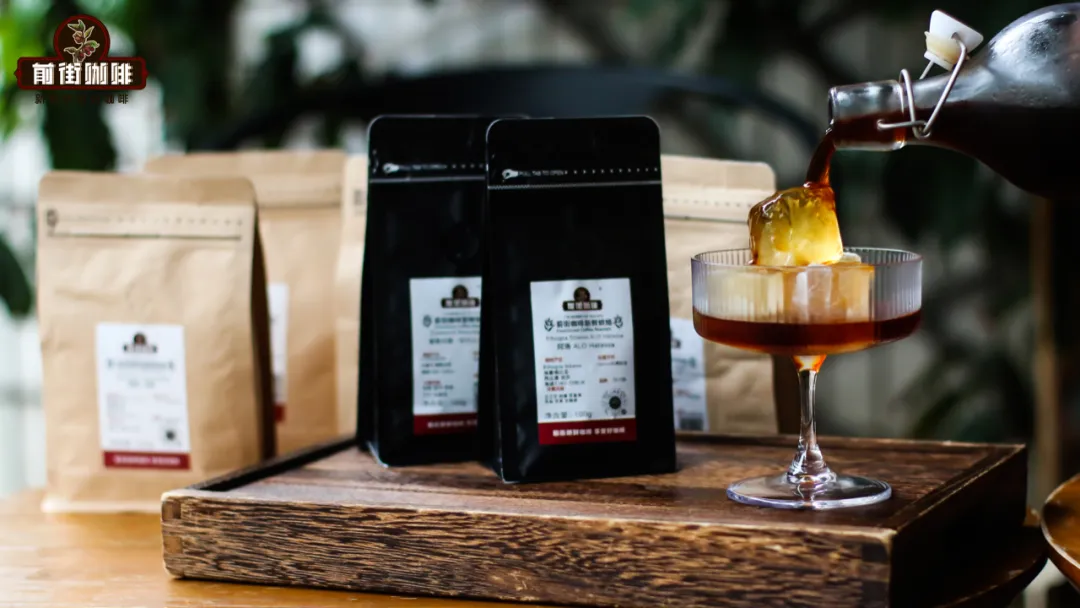
For example, Yirgacheffe·Gedeb in Front Street’s bean list, after washed processing, produces a cold brew with the refreshing tone of lemon, white flowers, and green tea; Front Street Boquete·Washed Geisha and Washed Butterfly, when made into cold brew, present flavors of white florals, citrus, and honey. However, note that white floral notes can sometimes be mistaken for bitterness or medicinal flavor because they are too intense, so when using beans with white floral notes to make cold brew, you can appropriately add a little more water to slightly lower the coffee concentration.
Full-bodied and deep cold brew
Some friends simply prefer the full, deep tone of dark roasting. Front Street has also previously shared how to use dark roast and espresso blend beans to make cold brew. If you also like this kind of cold brew that is non-acidic, fragrant, and extremely full-bodied, you might as well try making it with dark roast coffee beans.
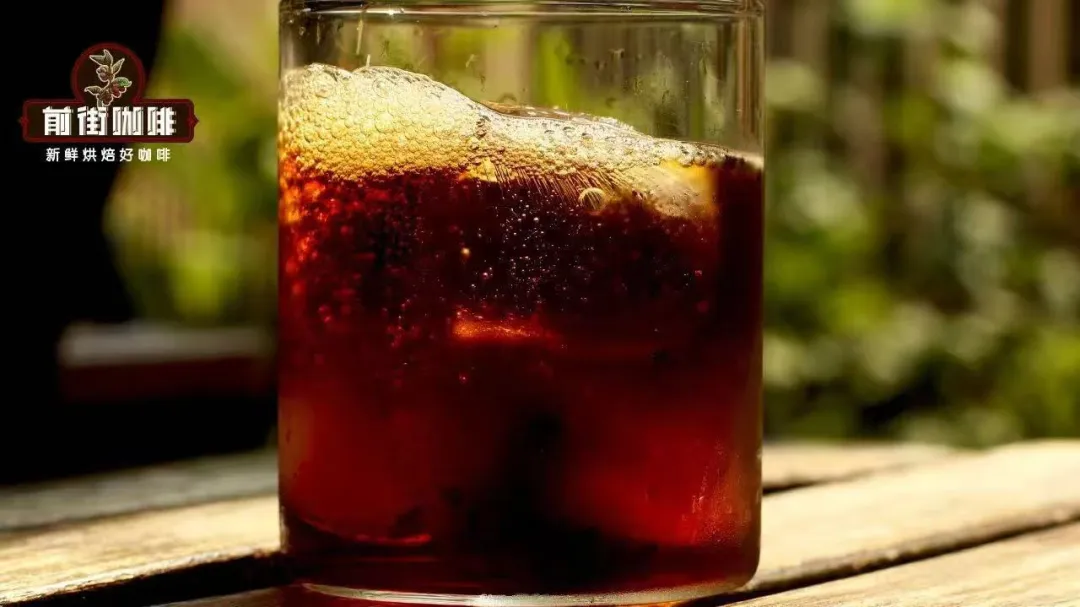
For example, Front Street Jamaica·Blue Mountain Coffee and Indonesia·Golden Mandheling in the bean list are both very good options. The cold brew made with them will have a rich chocolate flavor, caramel sweetness, and a very thick body.
“Slightly tipsy” wine aroma cold brew
Wine-aroma cold brew is a regular item at Front Street stores and has an extremely broad audience. Many people like cold brew not only because it tastes stronger, but also because it has a fermented feel different from the usual. And when coffee beans with a deeper degree of fermentation are used to make cold brew, the finished product’s wine aroma becomes even richer; one sip feels like taking a sip of alcohol, quite satisfying.
If you want the cold brew to have an obvious wine aroma, Front Street relatively recommends using anaerobic-processed beans. Most anaerobic processing causes the coffee beans to undergo deeper fermentation, thereby producing a clear fermented feel. Front Street usually uses two beans to make wine-aroma cold brew. One is Front Street Honduras·Sherry in the bean list; medium roasting plus anaerobic processing extracts a cold brew with almost no acidity, more of a vanilla, creamy high sweetness, accompanied by a rich whisky aroma.
If what you like is a wine-aroma cold brew with fruity notes, fruity acidity, and higher sweetness, then Front Street Costa Rica Strawberry Candy in the bean list is absolutely the best choice. Raisin honey processing gives it the fermented aroma of strawberry, berries, and raisins. When made into cold brew, the sweetness will further increase, and the aromas of strawberry and raisin will transform into a fruit-wine-like taste, very outstanding; Costa Rica·Mozart using the same processing is also fine. In addition to berry and raisin aromas, you can also taste a hint of purple floral scent similar to lavender.
- END -
The above content is compiled by CoffeeHunters, a coffee news website.


