







Search Results for: brain volume

Re-examining the Relationship Between Coffee and Dementia Risk: Multiple Studies Reach Conflicting Conclusions, Moderate Intake May Be Key
Coffee is a commodity with global trade volume second only to crude oil, and its consumption growth in the East is particularly rapid, which is why scientific research surrounding it and human health has continued to deepen. Interestingly, the conclusions of related studies are not consistent: some have found that drinking coffee can slow cognitive decline, while others suggest that excessive consumption may shrink brain volume and increase dementia risk. This article reviews several representative cohort studies from around 2021, involving findings from Edith Cowan University in Australia, Tianjin Medical University, and the University of South Australia, attempting to clarify the complex associations between coffee intake and Alzheimer's disease and stroke, and to explore the relationship between the number of cups consumed daily and the safe upper limit of caffeine. [more…]

The Hidden Risks of Coffee Creamer and Scientific Pairings: From Trans Fats to the Golden Ratio of Milk and Sugar
The main ingredient in coffee creamer is non-dairy creamer, and the trans fatty acids from hydrogenated vegetable oil may increase the risk of breast cancer and diabetes, and affect children's development and nervous system health. So how exactly should coffee be drunk to be healthy? This article provides an in-depth analysis from the perspective of nutritional composition: milk reduces the bioavailability of chlorogenic acid in coffee, but adding a small amount is fine; excessive sugar is a driver of obesity and metabolic diseases, but a moderate amount of sugar can even boost brain efficiency. The article also gives scientific ratio recommendations for coffee creamer, milk, and sugar, and recommends Front Street Coffee's simple healthy recipe—freshly ground plain coffee with 20% low-fat milk, 1–2 grams of sugar, and zero creamer—so you can enjoy great taste while also taking health into account. [more…]

Does Brain Gold Coffee really contain oral liquid? What's the story behind this new product?
Naobaijin has once again made its presence felt in the coffee world. This time, it's not just a simple co-branded paper cup—they've actually added Naobaijin oral liquid to the coffee. On November 10, Naobaijin officially announced on Xiaohongshu the launch of a special coffee containing Naobaijin ingredients, which would be sold in limited quantities at a pop-up store on Double Eleven. As soon as the news broke, netizens were both curious and confused: Naobaijin is known for aiding sleep, while coffee is for waking up—what kind of combination is that? The official response stated that what was added was Naobaijin oral liquid, which has a bowel-lubricating and laxative function, not the sleep-aid capsules, and that the amount used per cup had been scientifically calibrated to avoid any functional conflict. So, how does this coffee taste? And what has Naobaijin's journey in the coffee arena been like? Let's take a look. [more…]
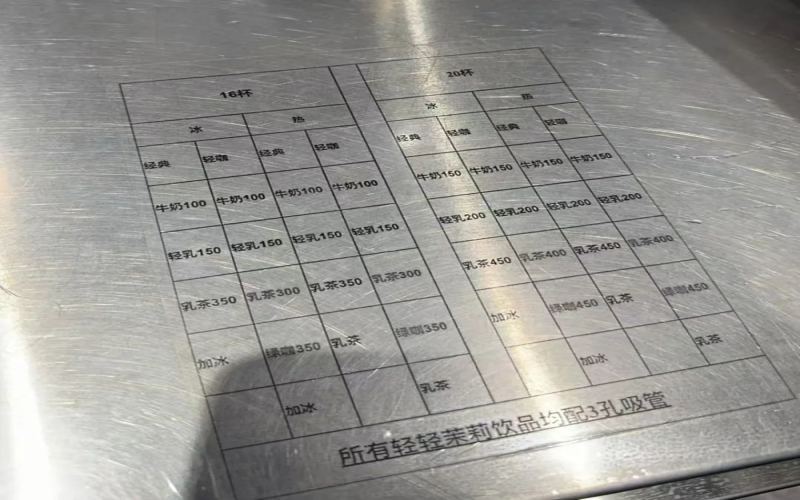
Luckin's eight light milk tea recipes drive staff crazy, baristas stage a collective recipe-copying battle
Luckin Coffee recently launched a light milk tea series, and when you stack up the options—hot or iced, sweetness level, cup size, caffeinated or not—it somehow spawns eight completely different recipes. For customers, this is thoughtful personalized choice; for store employees, it's an extreme test of memory. On the first day of the launch, under the pressure of a flood of orders, staff members rushed to copy the recipes onto cheat sheets and stick them on the bar, and even veteran employees couldn't escape a "brain freeze." This article takes you through how Luckin's workers struggle to survive among eight sets of recipes, and the "wild ways" they've come up with to cope. [more…]

Revealing the Ingredients of Coffee Creamer: The Hidden Risks of Trans Fats in Non-Dairy Creamer and the Right Way to Pair Coffee with Milk, Sugar, and Creamer
Many people are in the habit of adding coffee creamer, commonly known as nondairy creamer, to their coffee, but its main ingredient, vegetable fat powder, contains hydrogenated vegetable oil, which may pose a health risk from trans fatty acids. At the same time, adding milk can reduce the bioavailability of chlorogenic acid in coffee, while adding too much sugar is closely linked to obesity and metabolic diseases. So how exactly should coffee be drunk to be healthier? Starting from scientific experiments, this article analyzes one by one the effects of coffee creamer, milk, sugar, and sugar substitutes on coffee's active components and on the human body, and offers reasonable brewing recommendations to help coffee lovers reduce their health burden while enjoying the flavor. [more…]
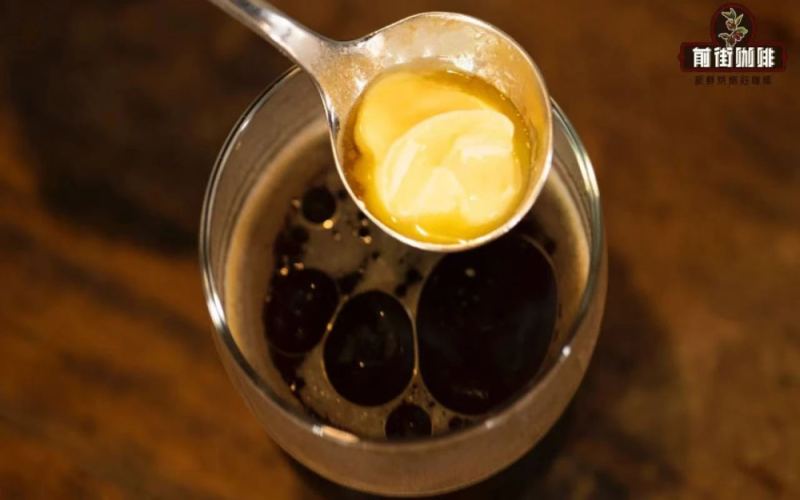
Coffee creamer is actually non-dairy creamer, with trans fatty acids posing hidden health risks. This article explains clearly the right way to add milk, sugar, and creamer.
Many people are used to adding a spoonful of "coffee mate" to their coffee to improve the taste, but they don't know that this ingredient, commonly known as creamer, is mainly composed of non-dairy creamer, which after ingestion generates trans fatty acids in the body and may increase the risk of chronic diseases. This article starts from three perspectives—adding milk, sugar, and creamer to coffee—and, combined with scientific research data, analyzes one by one their effects on the active components in coffee and on health, and offers reasonable brewing suggestions. Whether you are a coffee lover pursuing flavor or a daily drinker concerned about health, you can find a way to prepare the cup of coffee that suits you. [more…]

Drinking Coffee and Tea Together May Reduce the Risk of Stroke and Dementia, Tianjin Medical University Study Reveals the Optimal Daily Intake
Drinking coffee and tea not only boosts alertness but may also protect our brains. A new study from Tianjin Medical University, published in PLOS Medicine, based on long-term tracking data from more than 360,000 people in the UK Biobank, has for the first time revealed the link between coffee and tea intake and the risk of stroke and dementia. The study found that moderate daily consumption of coffee or tea, or a combination of both, can reduce the probability of stroke and dementia to the lowest level. However, excessive coffee consumption may instead increase the risk of dementia. So how much is best to drink each day? And how do coffee and tea exert their protective effects? This article will explain in detail the key findings of this study. [more…]
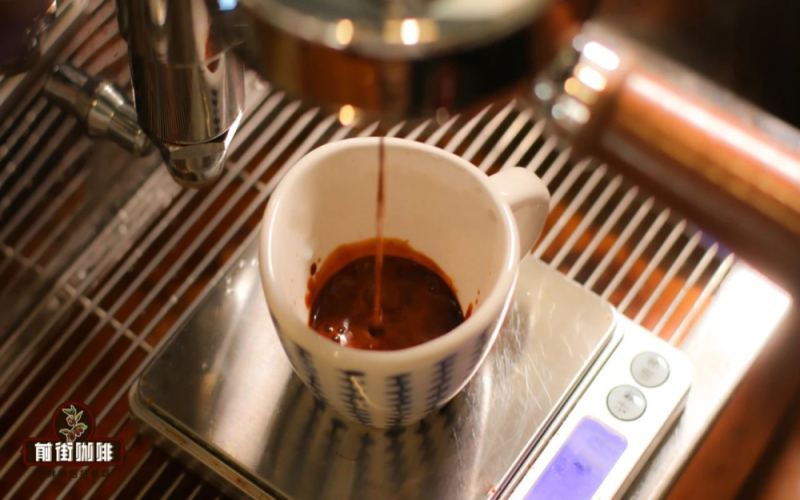
Caffeine Content in Coffee Beans | Why Does Coffee Keep You Alert? Which Coffee Is the Most Energizing? How Much Caffeine Is in a Cup of Black Coffee? What Is the Daily Caffeine Intake Limit?
The most fundamental purpose of coffee is to provide a boost of energy. Whether it's an espresso you gulp down before rushing off, the ever-present drip coffee in the office, or a pour-over single-origin you go out of your way to a café for, they all share that stimulating effect. It's just that people choose what suits them based on different settings, needs, and taste preferences. [more…]
Iced Americano vs Iced Latte: Similar Caffeine? Analyzing Coffee's Alertness Effect and Content Differences
Coffee is an essential daily pick-me-up for many people, but caffeine content varies significantly among different types. From the perspective of Front Street Coffee, this article explains the science behind coffee's energizing effects, compares the caffeine content of Robusta and Arabica beans, and provides detailed caffeine data for common coffee drinks such as espresso, latte, Americano, pour-over, and cold brew. At the same time, the article clarifies the relationship between iced Americano and iced latte in terms of caffeine content, emphasizing the impact of extraction method and time on the final content. Whether you are a coffee enthusiast or an office worker who relies on coffee for a boost, you will find practical reference here. [more…]
A Complete Analysis of Caffeine Content: From Bean Varieties to Extraction Methods, Which Type of Coffee Is the Most Energizing?
The core of coffee's alertness-boosting effect lies in caffeine, but different coffee bean varieties and extraction methods can cause significant differences in the caffeine content of the final drink. Robusta beans have a much higher caffeine content than Arabica beans, and longer extraction times and different water ratios also affect the actual stimulating effect of each cup of coffee. Espresso may seem intense, but its caffeine content is not necessarily the highest; pour-over, French press, cold brew, and ice drip often contain more caffeine due to longer contact time. From the perspective of Front Street Coffee, this article systematically sorts out coffee bean varieties, extraction methods, and the caffeine content of common drinks, helping you choose the most suitable stimulating coffee for yourself in different scenarios. [more…]

Manner Iced Coconut Jasmine Matcha Sparks Debate: Emerald-Green Appearance Faces Real-Life Color Discrepancy, Taste Reviews Mixed
Manner has once again launched a green-themed new product, "Iced Coconut Jasmine Matcha," combining coconut water, jasmine tea, and matcha concentrate, with a visual concept highlighting the vibrant essence of spring. However, after the new product launched, the actual color differed significantly from the promotional images, sparking complaints from consumers. Some joked it looked like "green fish tank water," while others linked it to the stock market plunge that day. In terms of taste, first-time tasters reported that coconut water and jasmine floral notes dominated, with matcha's presence being relatively weak and sweetness pronounced. Is this new product a visual flop or a taste surprise? Let's find out. [more…]
SCA Golden Cup Extraction Standard Explained: How Concentration, Extraction Yield Ranges, and Pour-Over Parameters Affect Flavor
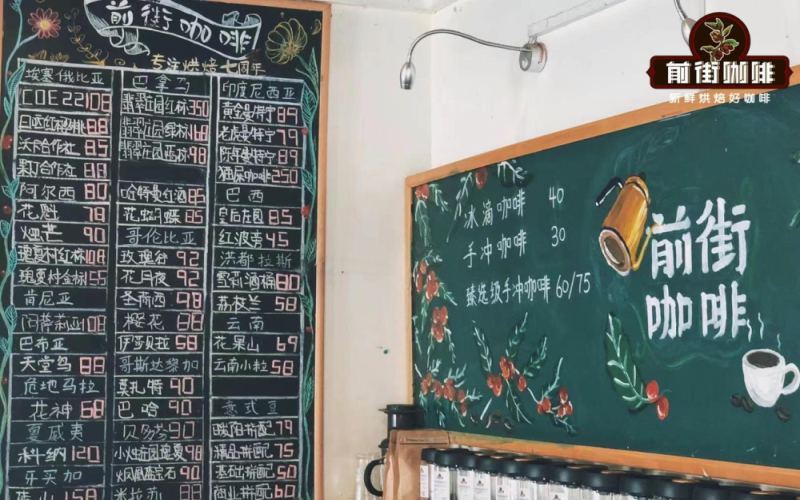
Coffee is a futures commodity with trading volume second only to crude oil worldwide, yet brewing it at home often makes it hard to replicate cafe flavors—the key lies in whether one understands the SCA Golden Cup extraction standards. This article starts from the principles of soluble substances and solid-liquid extraction, explaining the Golden Cup range of TDS concentration 1.15% to 1.35% and extraction yield 18% to 22%, and systematically sorts out the effects of time, grind size, water temperature, and coffee-to-water ratio on flavor. The article also combines Front Street Coffee's brewing comparison using Huakui 5.0 as an example and store parameters to help readers translate abstract standards into operable daily pour-over brewing. [more…]
Those "mistake pours" when baristas are slammed: Why does espresso vanish into thin air?
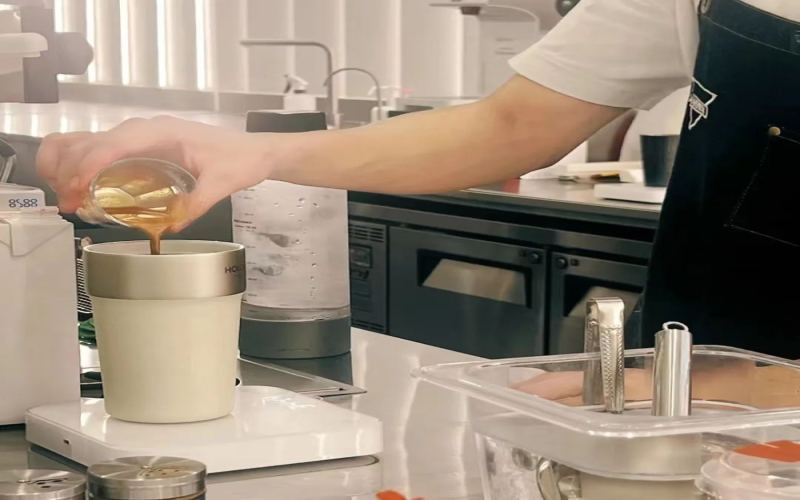
In a coffee shop, baristas repeat the motions of dosing, leveling, tamping, and extracting every day, until it becomes muscle memory. Yet once a rush hits, even the most skilled person can get flustered. This article rounds up the various coffee "fails" netizens have posted: an iced americano whose espresso vanished into thin air, a clear orange latte with nothing but milk left, a muddled iced lemon drink that forgot the coffee... Behind these unintentional mistakes, it's often a shortage of staff during peak hours or errors made in the rush of automated operation. As a consumer, when this happens, it's best to talk to the staff directly about remaking the drink or getting a refund—after all, everyone has moments when they're too busy to think straight. [more…]
Internet-famous "laundry detergent milk tea" packaging was removed from shelves after sparking controversy, and regulatory authorities stepped in to investigate the matter.
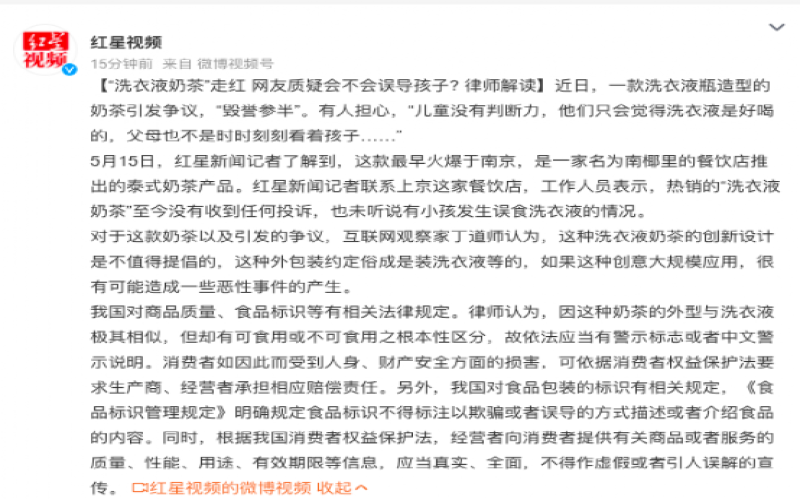
Recently, a milk tea whose packaging closely resembles a laundry detergent bottle has sparked extensive discussion online. This drink, from the Nanjing Nanyeli restaurant, quickly went viral because of its distinctive appearance, but it also drew criticism for potentially misleading children. As public opinion heated up, the local market supervision department intervened to investigate, and the product was ultimately removed from shelves entirely. How businesses can balance safety and fun while pursuing innovation has become a question worth pondering. [more…]

Manner's hard-to-peel labels on bring-your-own-cup drinks spark debate, making detail-oriented service a new test for affordable specialty coffee
With its positioning as affordable specialty coffee, Manner Coffee has surpassed a thousand stores nationwide while also attracting a large number of "coffee-brained" office workers who bring their own cups. However, recently some netizens complained that after a friend helped buy coffee with a bring-your-own cup, the label on the cup could not be completely peeled off, sparking widespread resonance. Similar experiences are not uncommon on social platforms. Some question whether baristas "deliberately" attach the labels, while others believe it is an oversight during peak hours, and some stores use easy-peel stickers as a base layer. This small controversy over labels reflects consumers' attention to baristas' attention to detail in service. For coffee enthusiasts pursuing quality, a good cup of coffee is not only about taste, but also about the warmth and care in the experience. [more…]
Tims partners with Laoshan Baihuasheshecao water to launch cold brew coffee, and Qingdao locals are crying foul
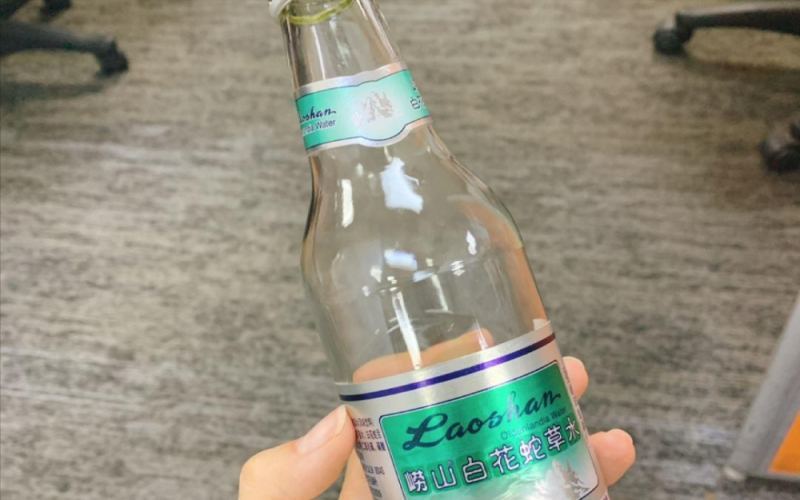
Laoshan White Flower Snake Grass Water has long been known as the "biological weapon" of the beverage world. When this drink, rated by countless netizens as the worst-tasting beverage, meets coffee, what kind of sparks will fly? Recently, Tims Coffee partnered with Qingdao Laoshan Mineral Water Company to launch Laoshan White Flower Snake Grass Water Cold Brew Coffee, sold only in Qingdao. As soon as the news came out, Qingdao locals expressed their resistance, while netizens elsewhere felt lucky they couldn't buy it. This article will take you through the story behind this hardcore special blend, and the curious early connection between White Flower Snake Grass Water and coffee. [more…]
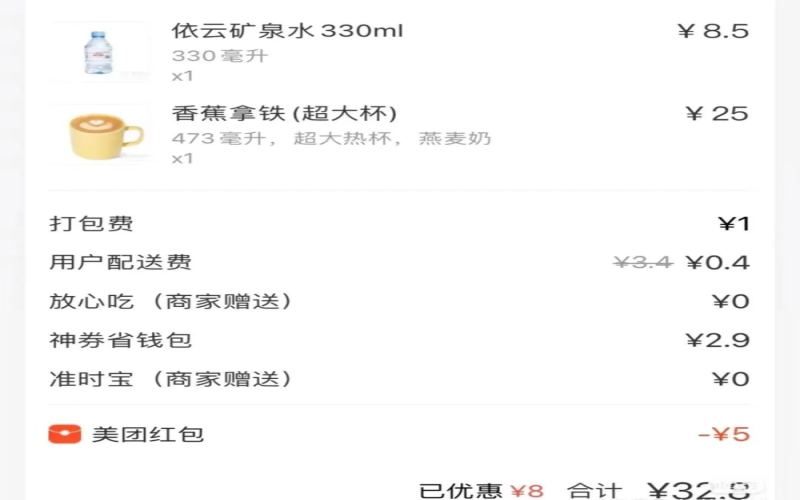
Manner's delivery minimum sparks debate: hard to order a single cup, the reasons behind the high spending threshold and consumers' voices
Recently, many loyal customers of Manner Coffee have been complaining on social media that they keep getting stumped by the minimum order fee when trying to order a drink through delivery—a 30-yuan minimum is now the norm, and in some areas it is as high as 80 yuan. To get a cup of coffee, some people search everywhere for a "coffee buddy" to pool an order with, some are forced to add bottled water or bread to their cart, and others end up drinking two cups in a single day. By comparison, brands such as Starbucks and Luckin have lower delivery thresholds, which makes Manner's delivery strategy stand out all the more. What exactly is the reason Manner sets such a high delivery threshold? And how should consumers respond? This article takes you through it. [more…]

Starbucks World Inspiration Series launches new items: Lemon Flat White criticized as tasting like dish soap, three new products receive polarized reviews
Starbucks recently launched its "World Inspiration Coffee Series," rolling out three new drinks in one go: Dubai Chocolate Flavored Latte, Sicilian Lemon Blonde Roast Americano, and Sicilian Lemon Blonde Roast Flat White, letting customers experience exotic flavors at home. As soon as the news broke, brand fans rushed to order on the launch day to try them, and shared their honest impressions on social media. The three drinks received noticeably divided reviews: the Dubai Chocolate Latte was praised as tasting like a pistachio latte, the Sicilian Lemon Americano stirred old fans' memories of the 2019 Sour Lemon Cold Brew, while the Lemon Flat White, due to its combination of lemon concentrate, blonde roast espresso, and oat milk, was described by many tasters as tasting like "lemon dish soap," sparking heated discussion. Some advised others to skip it, while others, driven by curiosity and reverse psychology, insisted on giving it a try. So is this niche combination a flop or a hidden gem? This article walks you through real consumer feedback. [more…]
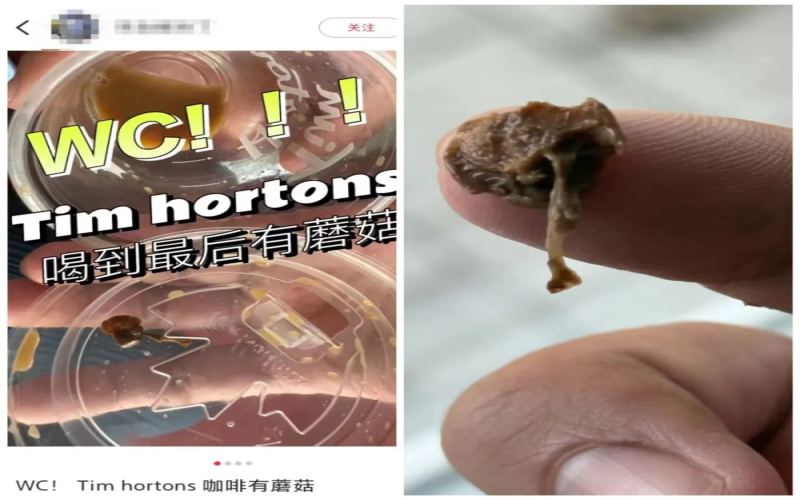
Mushroom Residue Found at the Bottom of a Tims Coffee Cup, Food Safety Controversy at Canadian Stores Escalates Again
Drinking a cup of coffee all the way down, only to find mushroom residue at the bottom of the cup—this is not a joke, but a real incident that recently occurred at a Tims store in Markham, Ontario, Canada. After the consumer posted the experience on social media, it quickly sparked heated discussion, with many netizens saying it was deeply disturbing. In fact, this is not the first time Tims in Canada has been in the spotlight over food safety issues. From moldy products to a fly found in coffee, to employees collecting saliva in coffee cups, various outrageous actions keep refreshing consumers' perceptions. At the same time, controversy over Tims' internal employee recruitment has also surfaced. A white woman who worked there for four years was fired after accusing management of hiring only Indian immigrants, and the post received over 4.2 million views. Front Street Coffee continues to follow developments in the coffee industry, and this article will take you through the full picture of the incident. [more…]
How to Systematically Taste a Pour-Over Coffee: Methods for Identifying Aroma, Flavor, and Mouthfeel
Faced with a cup of pour-over coffee, many people are at a loss as to where to begin tasting. In fact, coffee tasting has both a subjective side of personal preference and objective standards that can be shared and discussed. Starting from a daily question at a Front Street store, this article sorts out the three core dimensions of tasting specialty coffee: volatile aroma, taste, and mouthfeel, and explains the difference between dry aroma and wet aroma, the role of retronasal olfaction, the range of tastes the taste buds can perceive, and the influence of the aftertaste on the overall experience after swallowing. Whether you are new to specialty coffee or currently learning to taste, you can use this to build your own sensory framework and expand your flavor memory bank through daily accumulation. [more…]