







Wednesday, September 16 2026

Caffeine Content in Coffee Beans | Why Does Coffee Keep You Alert? Which Coffee Is the Most Energizing? How Much Caffeine Is in a Cup of Black Coffee? What Is the Daily Caffeine Intake Limit?

December 18, 2025
qj

浓缩0


The most original purpose of coffee is to refresh the mind. Whether it's an espresso that you drink and go, the ever-present American-style drip coffee pot in the office, or even a pour-over single-origin coffee that you specifically go to a coffee bean shop for, it all has a refreshing function. It's just that everyone chooses the appropriate coffee based on different scenarios, functions, and taste requirements.


So, with so many types of coffee, which one is the most refreshing to drink?


图片


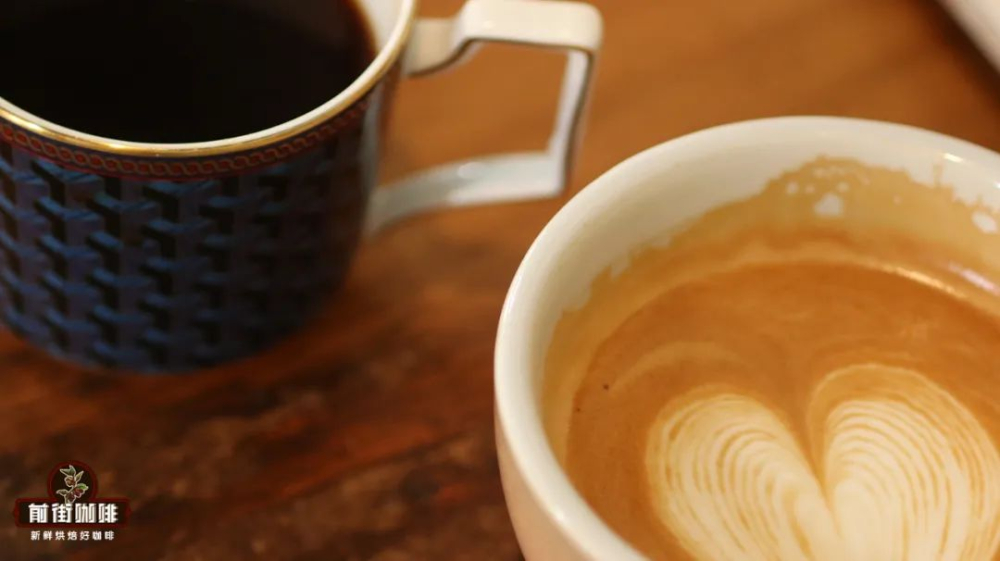
Why does drinking coffee refresh you?
The refreshing effect of coffee mainly comes from caffeine. The reason we feel tired is because our body has a substance called adenosine that controls it. The longer we stay awake, the more adenosine accumulates in the body, making us more prone to drowsiness. Caffeine, however, can block the binding of adenosine to brain nerves, so the brain, without receiving "fatigue information from adenosine," continues to muster energy and keep working, thereby making people not feel tired (in other words, you use caffeine to trick your brain).

So the most refreshing coffee must be the one with a relatively high caffeine content. The final caffeine content in coffee mainly depends on the caffeine content of the coffee beans and the coffee-making method. Therefore, Front Street will discuss it in these two steps.


哥伦比亚瑞士水低因咖啡


Caffeine content of coffee beans
Different varieties of coffee beans have different caffeine contents. Among the common coffees we see, they are mainly divided into Robusta and Arabica. Robusta (Rob) has a higher caffeine content, accounting for about 2-4% of its own bean weight (mostly around 3%), while Arabica, although subdivided into many varieties in specialty coffee, has caffeine content of 0.9-1.4% (mostly around 1.2%).

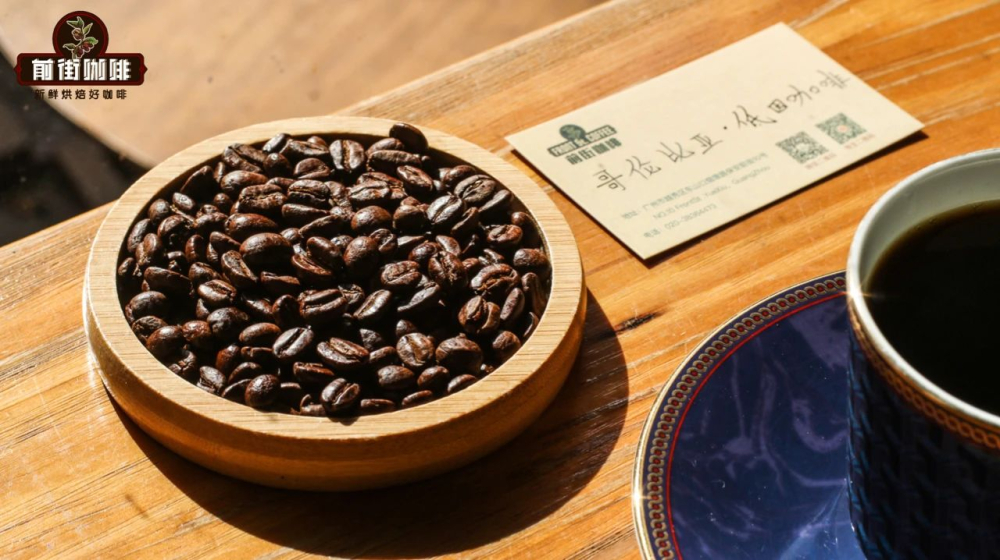
So, if you want to get more caffeine, you should choose Robusta, and if you don't want to consume too much caffeine, choose Arabica coffee beans. Some friends have also heard of natural low-caffeine coffee. Here Front Street briefly explains that natural low-caffeine coffee also belongs to the Arabica species, with caffeine at 1/2 of ordinary Arabica, about 0.6%. For some friends who are intolerant to caffeine, it is still relatively high. If you want to drink coffee but don't want to consume caffeine, you can choose artificially decaffeinated coffee, which contains almost no caffeine.


WechatIMG653豆单


Caffeine content of various extraction methods

The caffeine content indicated on beverages is usually "Xmg/100ml". It is mainly based on volume, but from a barista's perspective, it is more appropriate to use 1 cup or the actual amount of coffee powder used as the unit of measurement. Take espresso as an example: whether making a latte or an Americano, as long as the same amount of espresso is used as the base, their caffeine content is the same.
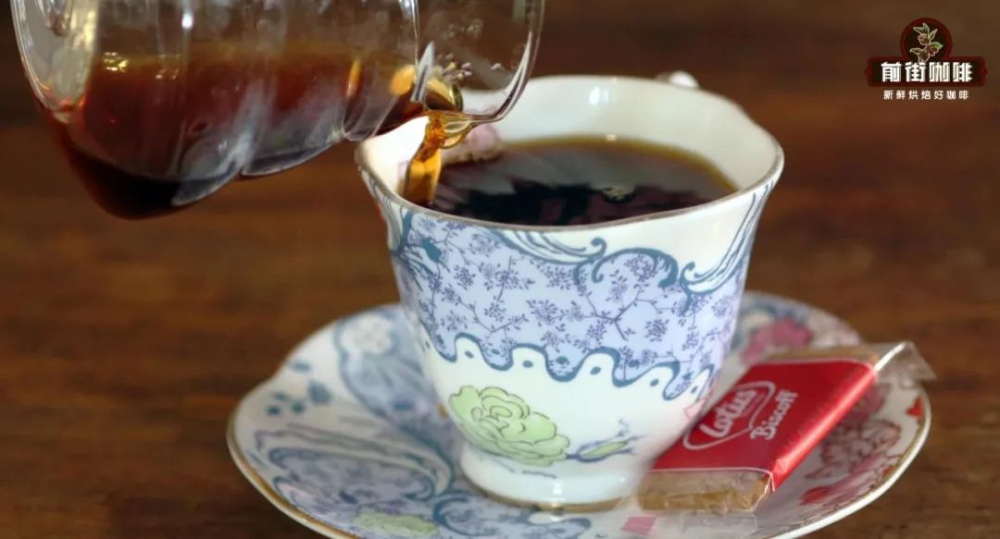

冷萃 不同比例12


Or, add 1 shot of espresso to 200ml of water and 300ml of water respectively. If calculated as Xmg/100ml, the caffeine concentration of the 200ml cup will be higher than that of the 300ml cup, but assuming both are fully consumed, the actual caffeine intake is the same.

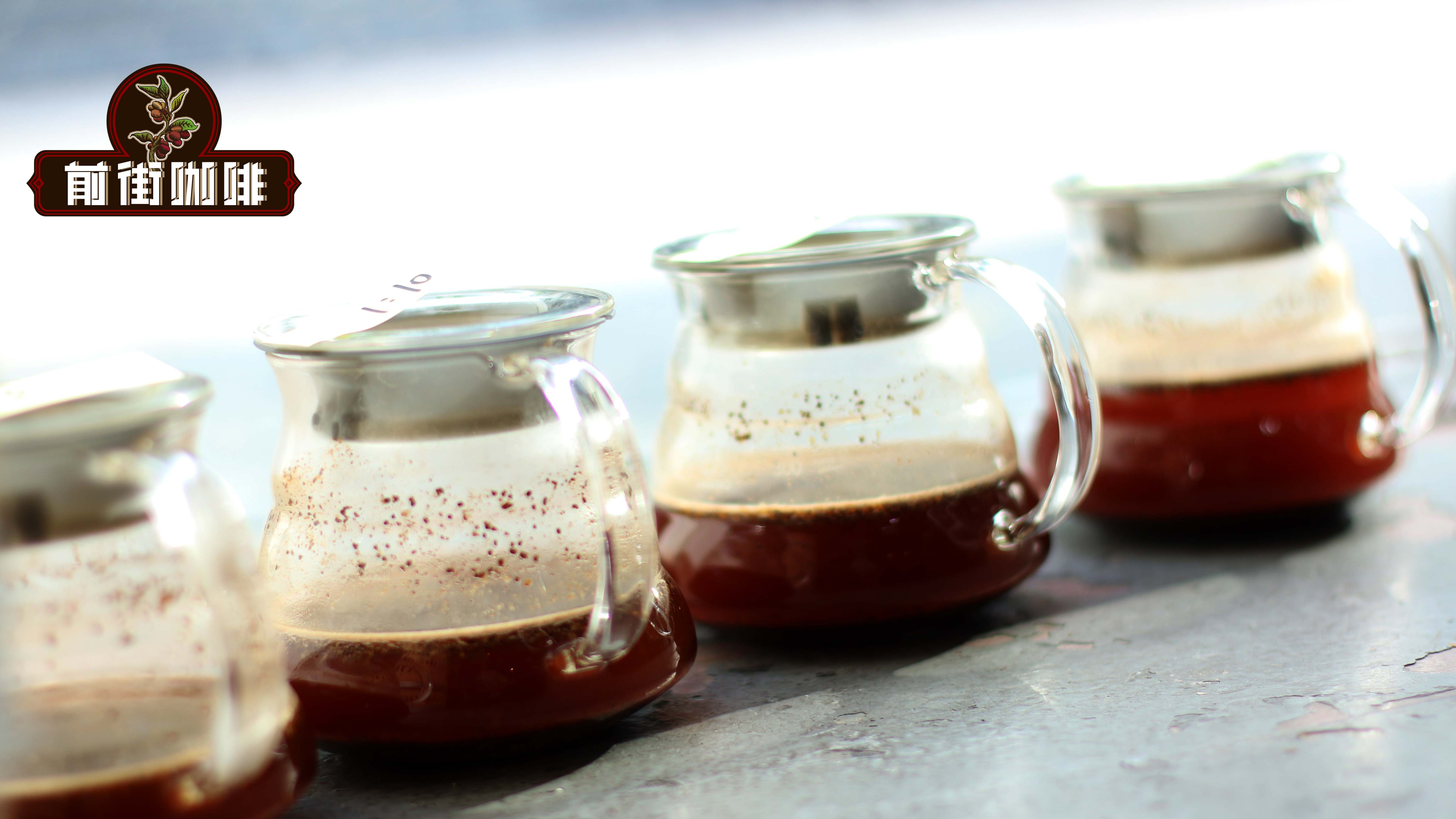
The release of caffeine is also related to time. Under the same high-temperature extraction, coffee with a longer extraction time will have a higher caffeine content. Therefore, coffee drinks mainly based on espresso are not the highest in caffeine. Drip coffee mainly based on pour-over and immersion coffee mainly based on French press have higher caffeine contents. Although cold brew and ice drip coffee are extracted at low temperatures, the extremely long extraction time makes their caffeine content higher than the previous ones.


图片


Below, Front Street provides some common coffee drinks' caffeine content for reference: (Note: The coffee beans are all Arabica; cold brew and ice drip coffee are affected by extraction time, here based on ice drip 8 hours and cold brew 12 hours)


espresso (20g powder/40g coffee) about 100mg;
Latte, Americano, cappuccino, etc. have the same caffeine content as espresso
Pour-over coffee (15g powder/195ml coffee) about 90mg;

Pour-over coffee (20g powder/260ml coffee) about 120mg;
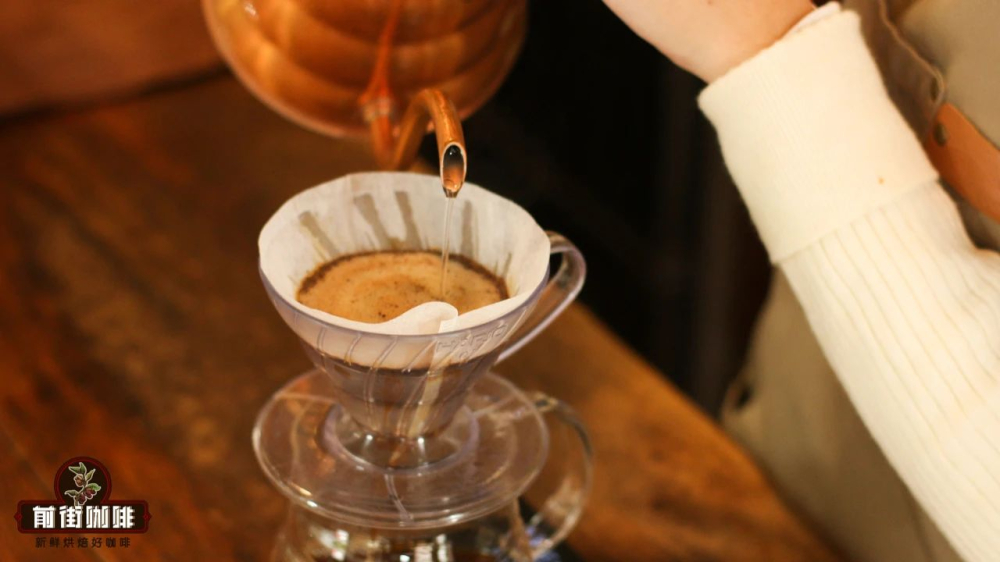

v60水流53d


French press (20g powder/4 minutes) about 135mg;
Ice drip coffee (one cup 20g powder/200ml coffee) about 135mg;
Cold brew coffee (one cup 20g powder/200ml coffee) about 140mg;
Drip bag coffee (one bag 10g powder/120ml coffee) about 50mg;

Instant coffee (one bag) about 50mg.

图片


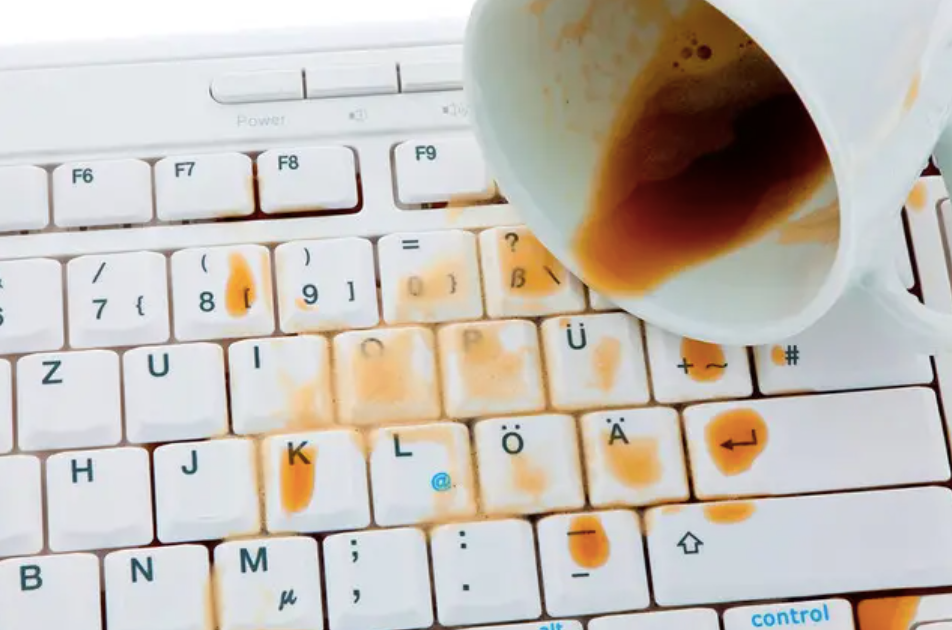
Actually, sometimes coffee doesn't have to be drunk by yourself to be refreshing. According to verification by the Front Street editorial department, the refreshing effect of coffee being drunk by a computer is faster and stronger than drinking it yourself. If you don't believe it, you can try it.


The above content is compiled by CoffeeHunters, a coffee news website.

You May Also Like

