







Search Results for: mistake
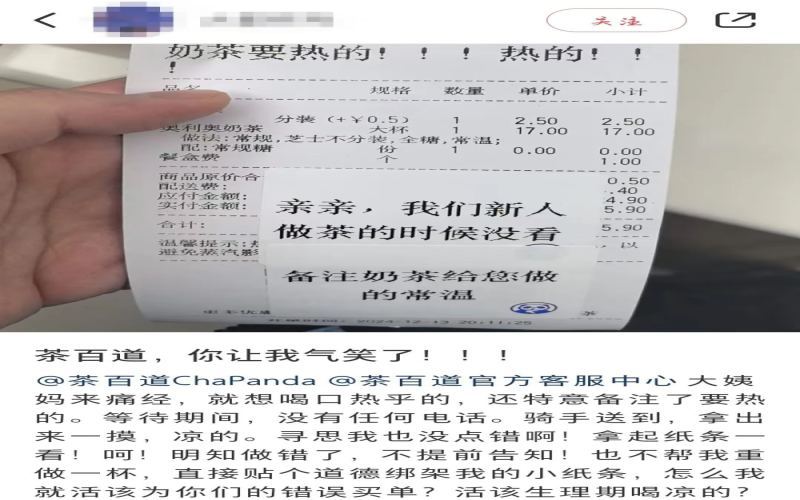
Milk tea ordered as a hot drink but made at room temperature, customer questions why they should pay for the store's mistake
As the weather turns cooler, many consumers specifically note when ordering coffee or milk tea that they want it served hot. However, recently a customer at a ChaPanda store clearly left a note asking for the drink to be heated, yet received a room-temperature beverage. What angered her even more was that the staff had already noticed the mistake when handing out the order, but still packed and sent out the drink, attaching a note to explain. This incident sparked widespread discussion online: why should the customer pay for the store's mistake? Restaurant industry professionals pointed out that when an order is found to be made incorrectly, the store should bear the loss and remake it, rather than forcing the wrong item on the consumer. [more…]
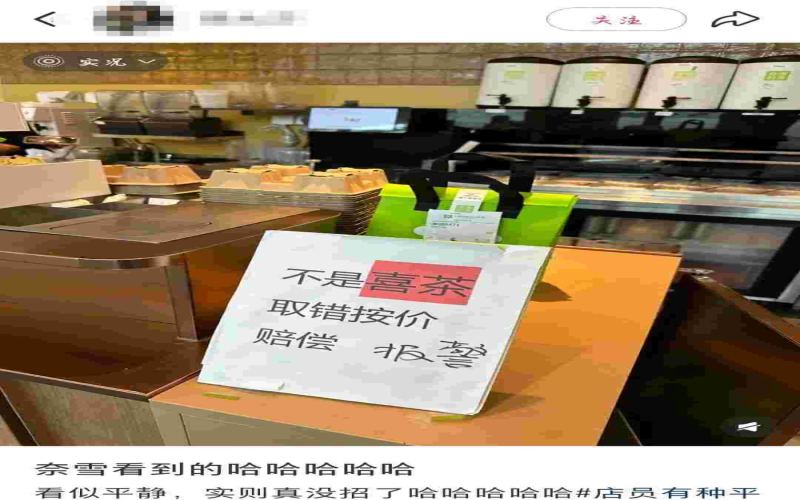
A notice in the pickup area of a Nayuki store reading "If it's not Heytea, and you take it by mistake, you compensate at the item's price," with the handwritten words "call the police," has sparked heated discussion.
Recently, a netizen discovered a notice in the pickup area of a Nayuki store that read "Not Heytea. If picked up by mistake, compensation at full price," with the words "call the police" also handwritten in the blank space. After the photo was shared online, it quickly sparked heated discussion. Netizens familiar with tea beverage brands pointed out that Heytea and Nayuki differ noticeably in name, logo, and store style, so confusion should not occur under normal circumstances. Some even joked that the words "Heytea" highlighted in red and enlarged on the notice could instead easily lead hurried delivery riders to mistake this store for Heytea, making the reminder counterproductive. Through this strongly warning notice, many people saw the helplessness of Nayuki employees—after a delivery order is taken by mistake, the employee on duty not only has to deal with customer dissatisfaction but also has to bear the corresponding loss. [more…]

Barista Adds Extra Espresso After Mistake, Customer Hygiene Concerns Spark Discussion About Remaking the Drink
In the cold of winter, baristas inevitably make mistakes when they are sleepy, and forgetting to add syrup or espresso happens from time to time. Recently, a customer ran into exactly this awkward situation: after picking up the coffee and taking a sip, they realized the staff had forgotten the espresso, so they took it back to the counter and asked for it to be remade. After the staff admitted the mistake, they planned to simply add espresso directly to the cup that had already left the counter, and this move made the customer worry about hygiene. In the end, the staff made a correct latte again. The incident sparked heated discussion online, with netizens sharing similar experiences and debating whether drinks can still be reprocessed after leaving the counter. Some felt that adding something from a distance was no big deal and could avoid waste; others believed that reprocessing a drink after it has left the counter poses food safety risks. Chain brands usually require that the drink must be remade, and this debate reflects the real conflict between operating standards and waste control. [more…]
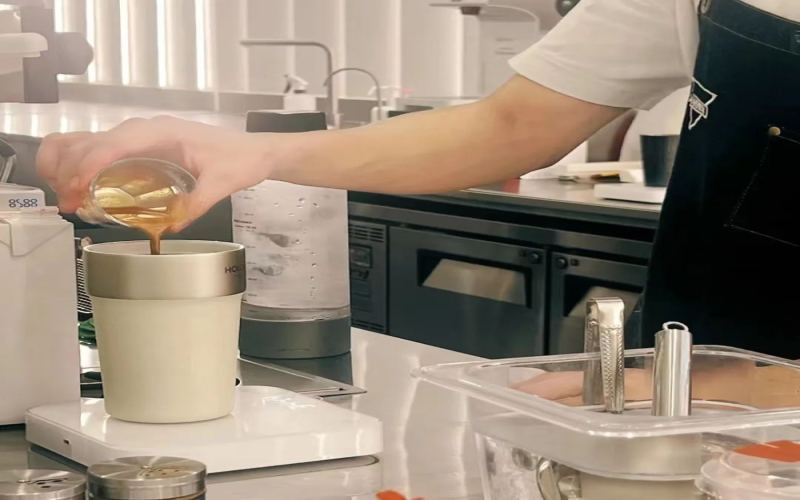
Those "mistake pours" when baristas are slammed: Why does espresso vanish into thin air?
In a coffee shop, baristas repeat the motions of dosing, leveling, tamping, and extracting every day, until it becomes muscle memory. Yet once a rush hits, even the most skilled person can get flustered. This article rounds up the various coffee "fails" netizens have posted: an iced americano whose espresso vanished into thin air, a clear orange latte with nothing but milk left, a muddled iced lemon drink that forgot the coffee... Behind these unintentional mistakes, it's often a shortage of staff during peak hours or errors made in the rush of automated operation. As a consumer, when this happens, it's best to talk to the staff directly about remaking the drink or getting a refund—after all, everyone has moments when they're too busy to think straight. [more…]
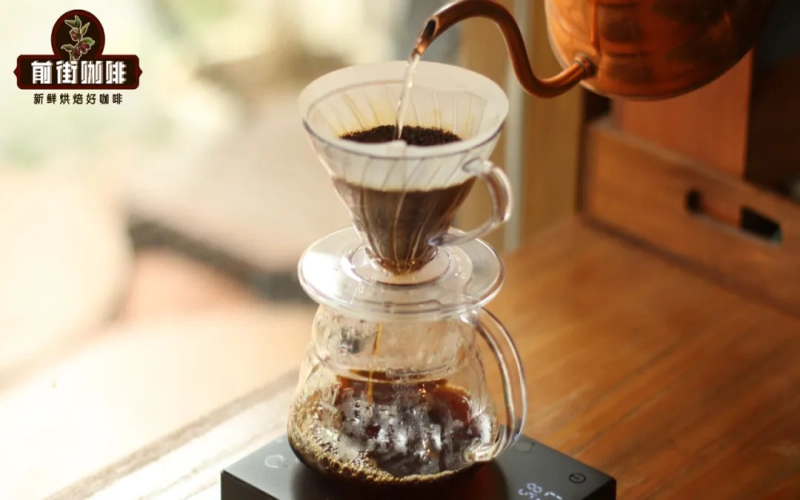
Pour-Over Coffee Water Pouring Techniques Explained: How to Avoid Common Mistakes and Reduce Bypass Water Effects
In the process of pour-over coffee, the pouring method is often overlooked, yet its impact on the final flavor is no less significant than parameter settings. When many coffee enthusiasts encounter unsatisfactory extraction, the first thing they suspect is the coffee-to-water ratio or water temperature, while neglecting the force and path of the water stream itself. In reality, the height, amplitude, and landing point of the pour all directly change the stirring efficiency and extraction uniformity of the coffee grounds. This article, from the perspective of Front Street, will sort out three common pouring mistakes—high-low fluctuation, pouring from too high, and pouring to the edge of the filter paper—and explain why they lead to extraction deviations, while offering practical tips to reduce bypass water and improve extraction quality, helping you brew a good cup of coffee more consistently. [more…]
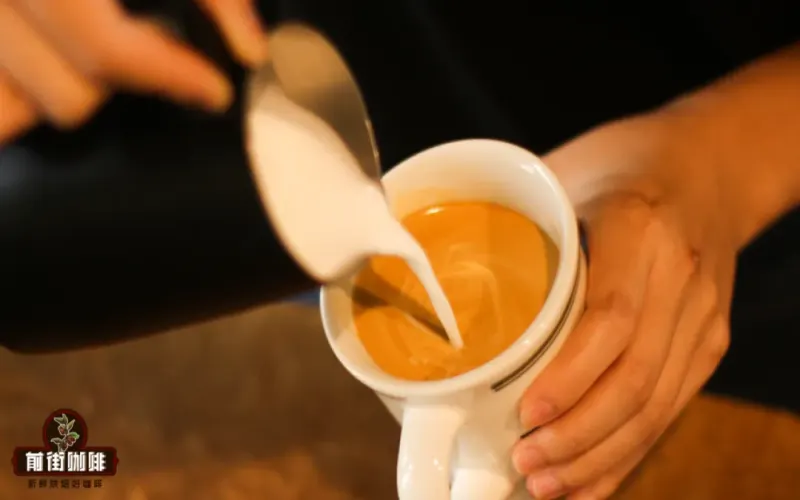
Analysis of Four Common Mistakes in the Coffee Latte Art Pouring Phase: How Flow Distance, Flow Rate, and Crema Condition Affect the Pattern
When creating latte art, integration is a preparatory step just as important as the bloom in pour-over coffee. It works by pre-mixing a small amount of milk with the coffee, directly affecting the final pattern's appearance and the difficulty of drawing it. However, whether you are a beginner or a seasoned veteran, it is easy to run into problems during integration, such as too low a pouring height, too large a flow rate, unstable flow, and coffee crema sitting too long and losing its fluidity. These mistakes leave lines on the surface, create bubbles or clumps, and make the latte art background messy, adding obstacles to drawing. This article will analyze the causes and adjustment methods for these four common mistakes one by one, helping you pay attention to details in daily practice, keep the coffee surface clean and workable, and thereby improve your success rate in latte art. [more…]
The Definition of Drip Bag Coffee and the Correct Brewing Method: Avoid Common Mistakes and Master Water Temperature, Ratio, and Pouring Techniques
Drip bag coffee, with its portability and ease of use, has become the choice for many people's daily specialty coffee. It is essentially a form of filter extraction, similar in principle to pour-over, yet it eliminates the need for a grinder, dripper, and other equipment. However, drip bag coffee is not instant coffee, nor can it be directly immersed or have water poured in all at once. This article focuses on the definition of drip bag coffee, common brewing mistakes, and the key points of proper brewing, including container selection, water temperature range, pouring method, and the 1:15 coffee-to-water ratio, while retaining relevant suggestions from Front Street Coffee to help you consistently brew a cup of drip bag coffee with clean flavor and clear layers. [more…]

Common Mistakes and Correct Methods for Brewing Drip Coffee Bags: Why You Can't Just Steep Them Like Instant Coffee or Tea Bags
Drip bag coffee is the entry-level choice for many coffee novices getting into single-origin coffee. It requires no complicated equipment—just one drip bag, a pot of hot water, and a cup, and you can enjoy it with ease. But many people brew it directly as if it were instant coffee or a tea bag, and the result is either coffee grounds in their mouth or a cup of bitter, astringent, woody-tasting coffee water. This article explains in detail the design principles of drip bag coffee packets, points out four common brewing mistakes, and offers four key points for correct operation, including container selection, water temperature control, pouring technique, and coffee-to-water ratio. It also retains Front Street brand's recommended drip bag coffees from various regions, helping coffee lovers avoid pitfalls and brew single-origin coffee with excellent aroma and taste. [more…]
Pour-over coffee beginner knowledge | What are the six common mistakes coffee beginners should avoid when brewing coffee? How to correctly brew pour-over black coffee?
Nobody wants to ruin their own coffee, especially specialty coffee beans that aren't cheap. Nobody wants to drink a cup of terrible coffee, but with these common mistakes, if you hit even one of them, no matter what you use, it's not just a wasted pot of coffee—if you never realize where the problem lies, then you will [more…]
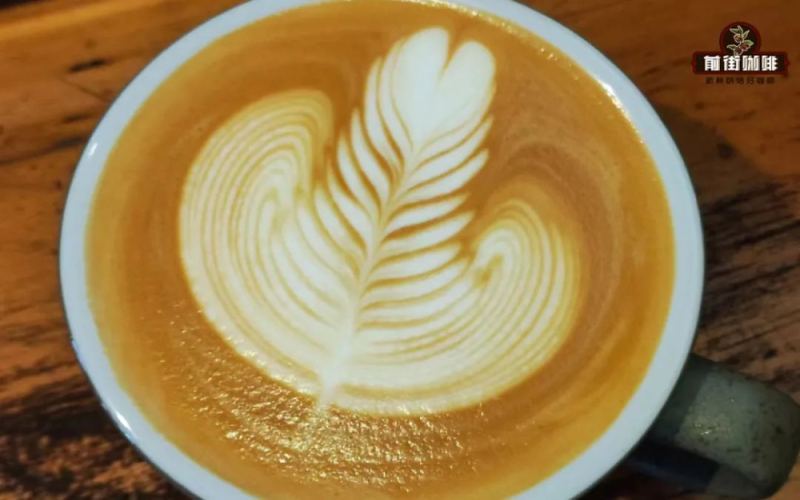
Latte Art Tutorial: Rosetta (Leaf) Pattern — Complete Steps from Bean Selection and Milk Steaming to the Pull-Through Finish, Plus Common Mistakes Explained
Want to make symmetrical and beautiful leaf latte art at home? This article starts with choosing espresso beans, recommends Front Street Classic Blend as suitable for beginners to practice, and compares the key differences between the leaf and the multi-layer heart in terms of pouring point and swinging direction. The main text breaks down each step of leaf latte art in detail: milk foam thickness, the amount of integration, pouring at the center point, swinging in place, retreating at a steady speed, the height of lifting the pitcher, and finishing techniques. It also points out two common mistakes specific to the leaf—retreating before the pressure ripples have flowed back and wrapped in, and gradually shrinking the swing amplitude while retreating. Once you master these details, your leaf pattern will become more and more stable. [more…]

Common Latte Art Mistakes: Causes and Fixes for Long Tail Lines, Cup Volume Control, and Pattern Offset
Once latte art practice reaches a certain stage, the pattern itself can take shape, but mistakes in the details often cause more frustration. This article compiles three high-frequency problems: dragging out an overly long line when finishing, the cup not being full or overflowing after pouring latte art, and the pattern being asymmetrical left and right. For each situation, Front Street provides specific cause analysis and correction methods, including flow rate and pitcher spout control when finishing, reference milk fusion amounts for different patterns, and using others' observation to correct the postures for holding the cup and the pitcher. It is suitable for coffee enthusiasts who are polishing latte art details to practice against, gradually improving the stability and aesthetics of their output. [more…]
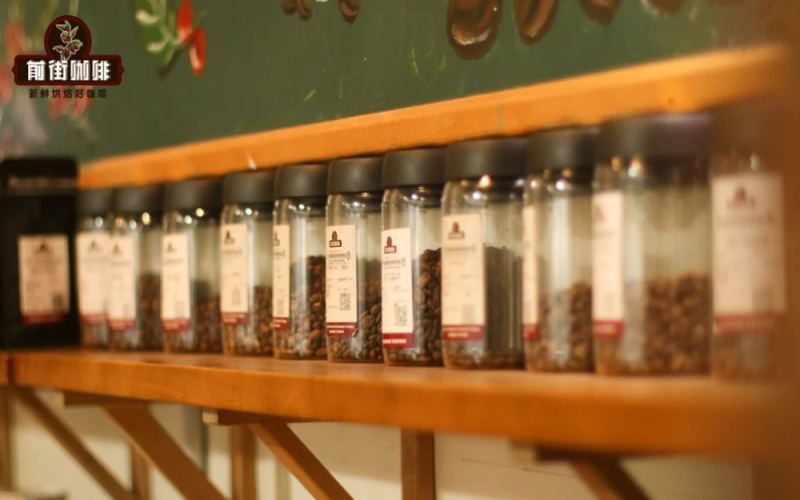
Avoid the Six Major Pour-Over Pitfalls: From Bean Selection to Water Quality, Master the Key Points of Proper Extraction
To brew a great cup of coffee, having high-quality beans alone is far from enough. Many enthusiasts inadvertently fall into common traps during the process, causing the flavor to suffer greatly. This article will analyze six easily overlooked mistakes one by one: from confirming whether the coffee beans are fresh, controlling water temperature and water quality, to regularly cleaning equipment, identifying bean quality, and properly storing coffee beans. Each step directly affects the final taste, and even making just one mistake can waste a pot of specialty beans. The article also especially includes practical suggestions from Front Street Coffee to help you consistently reproduce professional-level pour-over at home and stop repeating the same mistakes. [more…]
Analysis of Four Common Mistakes in the Milk Integration Stage of Latte Art: A Complete Guide to Pour Height, Flow Rate, and Crema Condition
When making a latte, the integration step before latte art is often overlooked, yet it is just as crucial as the bloom in pour-over coffee. Improper integration directly affects the aesthetics of the pattern and the difficulty of drawing it. This article summarizes the four most common mistakes made by beginners and advanced players during integration: too low a pouring distance, too high a flow rate, unstable flow, and espresso crema left sitting too long and losing its fluidity. At the same time, Front Street Coffee offers recommendations for classic blend and commercial blend beans to help you achieve ideal crema and flavor. Mastering these key points can effectively improve your latte art success rate and overall coffee performance. [more…]
Does Drip Bag Coffee Count as Specialty Coffee? The Correct Brewing Method for Portable Drip Bags and an Analysis of Common Mistakes
Drip bag coffee, with its portability and ease of operation, has become the top choice for many coffee lovers' daily brewing. But many people still treat it like instant coffee, or brew it the wrong way, causing it to lose all its flavor. Starting from the essence of drip bag coffee, this article will clarify how it differs from instant coffee and pour-over coffee, analyze four common wrong brewing methods one by one, and use freshly roasted Front Street Huakui drip bag coffee as an example to demonstrate the correct brewing process in detail, including container selection, water temperature control, pouring technique, and coffee-to-water ratio, helping you get a cup of specialty coffee with complete flavor anytime, anywhere. [more…]
A Beginner's Guide to Pour-Over Coffee Pitfalls: Six Common Mistakes and Key Correct Practices
Those new to pour-over coffee often turn carefully purchased specialty beans into an undrinkable bitter brew because of a few overlooked details. This article compiles the six most typical pitfalls beginners fall into, from the freshness of coffee beans, the pairing of water quality and water temperature, to the daily cleaning of equipment, the discerning of bean quality, and the choice of storage environment, analyzing the root cause of each problem one by one and offering actionable directions for improvement. If you are also struggling to brew a tasty cup, you might as well check your own brewing habits against this article, which also includes relevant product information from Front Street Coffee for your reference. [more…]

Latte art tutorial | Which milk is suitable for making latte art? How exactly do you do a leaf rosetta latte art? What mistakes are easy to make in latte art?
Today Front Street Coffee is here to share a new basic latte art pattern—the "leaf"! This time, the method for this leaf pattern is almost identical to the layered heart: both are formed by swinging the milk pitcher at a steady speed to create regular, symmetrical lines. If you've already mastered the layered heart, then the leaf is as good as in the bag too. Leaf. [more…]
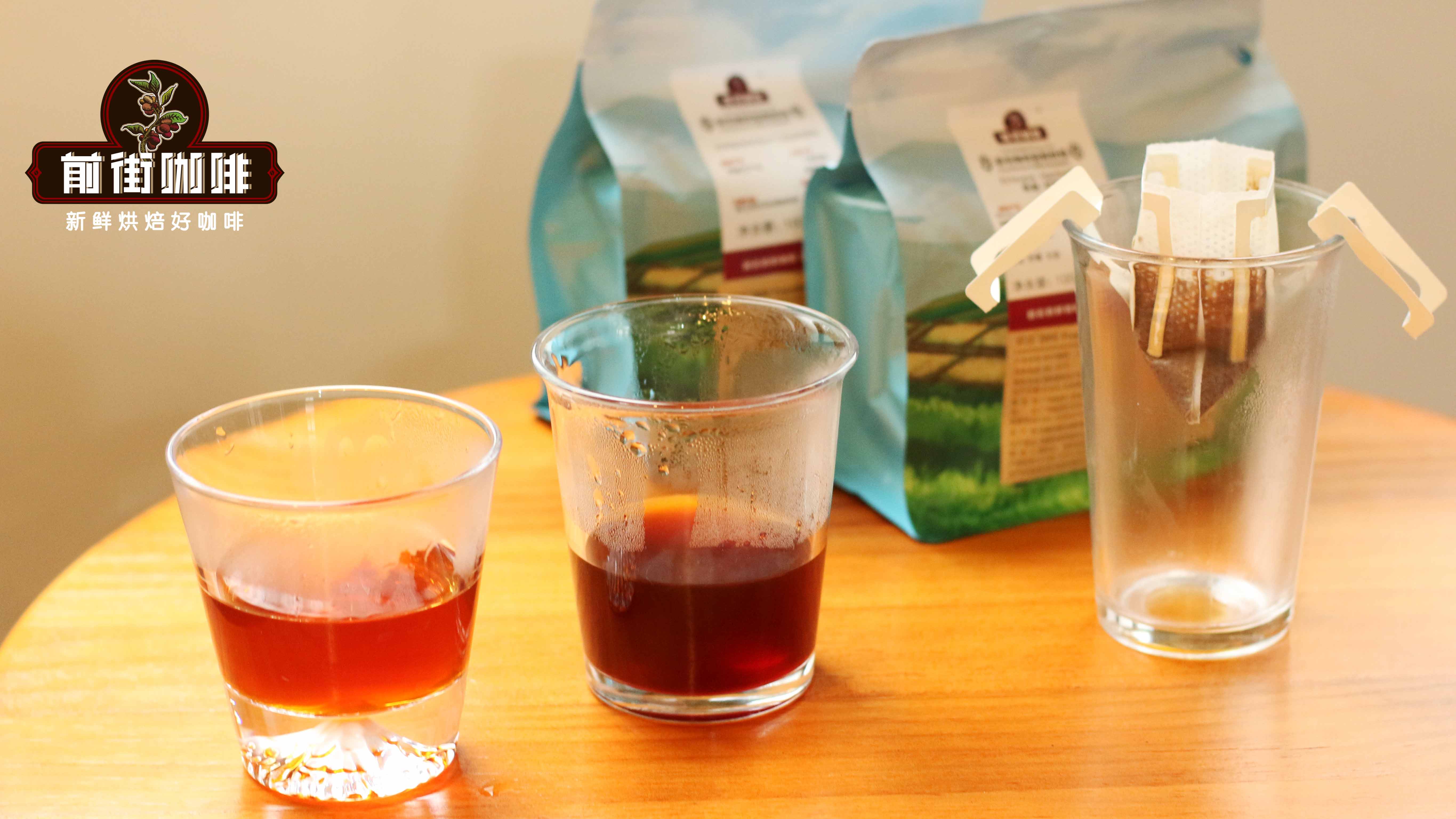
A Beginner's Guide to Drip Coffee Bags: Brewing Methods, Common Mistakes, and Buying Advice for Newbies
Drip coffee bags have become the top choice for many coffee lovers on the road thanks to their portability and ease of use. Survey data shows that 33% of users choose to bring drip coffee bags with them while traveling. Essentially, they consist of ground coffee sealed in a filter bag with hanging ear tabs, requiring only hot water and a cup to complete the brewing. Drip bags and pour-over both belong to the filtration extraction method, but drip bags eliminate the need to prepare a grinder, filter paper, and dripper. This article will cover the basic concept of drip coffee bags, the correct brewing method, and common mistakes made by beginners, while also incorporating the product features of the Front Street Coffee drip bag series to help those new to drip bags avoid pitfalls and brew a full-flavored cup of good coffee. [more…]

Luckin Coffee's Honor of Kings collaboration launches a tamarind Americano, and netizens mistaking it for pickled long beans sparks heated discussion
Luckin Coffee's collaboration with the mobile game Honor of Kings has not yet officially launched, but a new product called "Tamarind Americano" has already sparked discussions on social platforms ahead of time. Many netizens, upon first hearing the name, mistook it for pickled string beans added to coffee and blurted out "dark cuisine"; later, a Yunnan netizen clarified that tamarind is actually a common local fruit, often used to make beverages, and has long been paired with coffee. However, after the full name "Pain Mask · Tamarind Americano" was revealed, it triggered consumer worries about the taste. Whether this collaboration drink is a pleasant surprise or a flop will only be known after it hits the market. [more…]
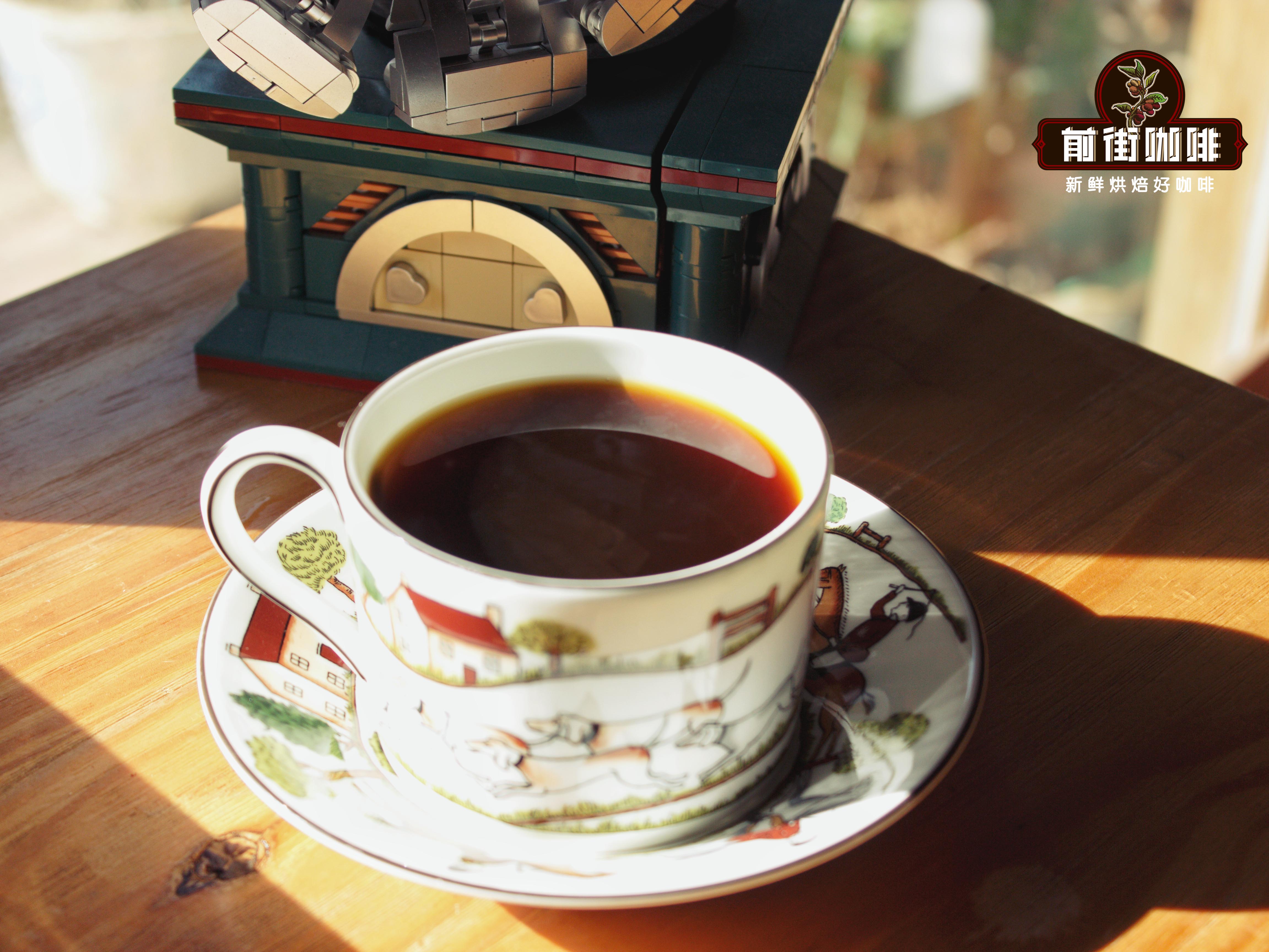
Three Common Pitfalls in Keeping Hot Coffee Warm: Misconceptions About Heaters, Microwaves, and Insulated French Presses
Many people prefer to finish their coffee while it is still steaming, because the aroma is at its most vibrant when the temperature is high. But once they cannot finish it, some choose to keep reheating it or repeatedly warming the cup, unaware that if these methods are done improperly, they can instead cause the coffee to lose its aroma, make the taste bland, and even bring out a burnt, bitter flavor. This article sorts out the three most common mistakes people make when keeping hot coffee warm in daily life—using a heater to keep it warm continuously, putting it in the microwave to heat it, and storing coffee in an insulated French press—and explains one by one their specific effects on flavor. At the same time, it offers a simple and reliable alternative: switch to a thermos and rely on the coffee's own temperature to maintain its heat. At the end, it also includes Front Street Coffee's reminder about re-brewing coffee grounds, to help you enjoy a good cup of coffee more completely. [more…]
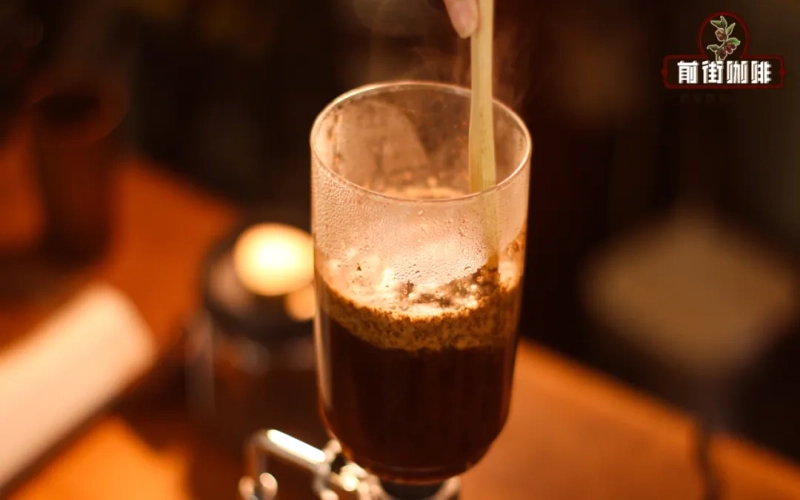
Siphon Guide: From Principles to Step-by-Step Operation, Avoiding Common Mistakes and the Risk of a Shattered Pot
Although the siphon is a bit fiddly to use and clean, it remains an indispensable piece of equipment in the minds of many coffee enthusiasts. It offers a one-of-a-kind visual experience, and the coffee it brews has a style all its own. In this article, Front Street Coffee will walk you through how a siphon works, clear up common misconceptions, and lay out the correct operating steps, so you can make a cup of siphon coffee safely and smoothly. As long as you get to know its quirks in advance, the process really isn't difficult—it can even be quite fun. [more…]