







Search Results for: bitterness dissipates
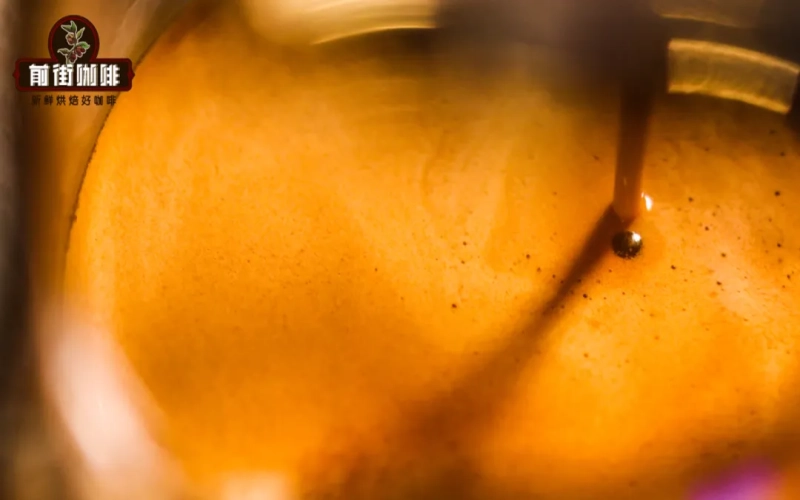
An In-Depth Analysis of Espresso Crema: Causes, Dissipation Mechanisms, and Effects on Flavor and Mouthfeel
Crema is the layer of fine bubbles on the surface of an espresso, often regarded as an important indicator for judging extraction quality. But how exactly does crema form? Why does it dissipate? Does its thickness directly determine flavor? This article will systematically analyze the nature of crema from physical and chemical perspectives, explore how 9 bar pressure and a carbon dioxide supersaturated state generate countless bubbles, reveal the mechanisms by which gravity and surfactants cause foam collapse, and analyze the effects of roast level, extraction time, water temperature, and other factors on the color and persistence of crema. At the same time, the article will also provide diagnostic approaches for common problems such as thin crema and insufficient aroma, and recommend Front Street Coffee's classic blend coffee beans to help you make espresso with a rich mouthfeel and full flavor. [more…]
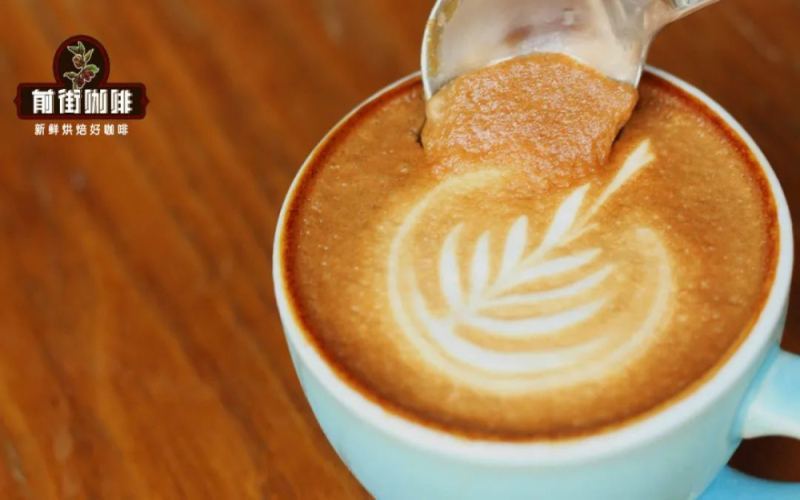
Recreating a Coffee Panna Cotta Latte with Latte Art at Home: A Detailed Guide to Coffee Bean Selection and Setting
Recently, a "latte you can eat with a spoon" has quickly gone viral in the coffee world. It turns milk coffee into a semi-solid pudding texture that won't spill when the cup is tipped over, while still preserving latte art patterns. Today, Front Street Coffee is also putting it to the test to see whether this coffee panna cotta is really worth making. The article will break down everything one by one, from the amount of gelling agent used, the choice of coffee bean roast level, and the specific steps, to an analysis of common causes of failure. As long as you get the ratio of gelatin sheets, the milk foam temperature, and the syrup seasoning right, you can also make a smooth, delicate coffee panna cotta latte with long-lasting patterns at home. [more…]

The Soul of Espresso Hides in the Crema: A Full Analysis of Crema Formation, Dissipation, and Color
Crema (coffee oil) is often regarded as an important visual indicator of whether an espresso is up to standard; it relates both to mouthfeel thickness and reveals whether extraction was sufficient. From the perspective of Front Street Coffee, this article sorts out the historical origins of crema, Illy's classic definition of espresso, and how the foam layer forms with the help of carbon dioxide, melanoidins, and hydrophobic substances. It will also explain why crema dissipates, what the depth of color can indicate, and how extraction time and water temperature affect the oil's performance, helping coffee lovers and baristas understand this layer of golden-brown foam more systematically. [more…]
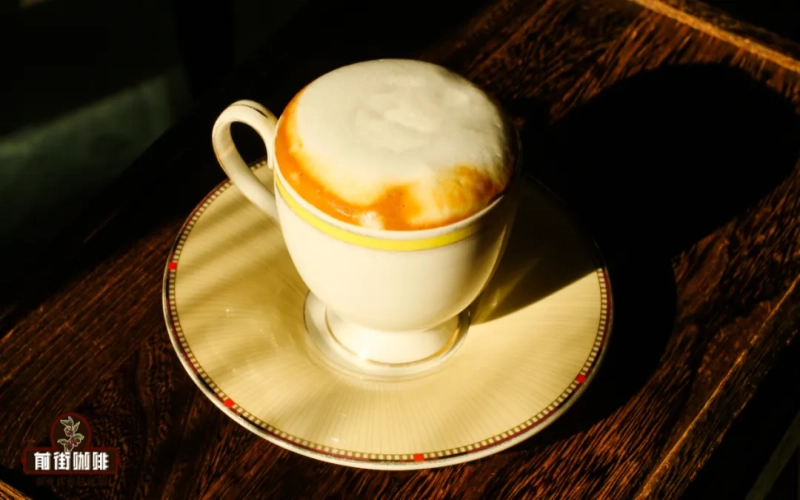
Why Is Cappuccino Not Suitable for Takeaway? A Detailed Explanation of Its Coffee-to-Milk Ratio and the Key Feature of Thick Milk Foam
Cappuccino, latte, and flat white are all espresso drinks, yet cappuccino is often left off café delivery menus. The reason isn't the difficulty of making it, but rather its signature thick milk foam, which dissipates rapidly during delivery, affecting both texture and portion size. This article approaches the topic from the definition of cappuccino, the ratio of coffee to milk, and the thickness of the milk foam, comparing the differences between latte and flat white, and explaining why coffee brands like Front Street Coffee insist on preserving a thick, substantial milk foam when making cappuccino. If you're curious about whether cappuccino can be delivered, or what its exact milk-to-espresso ratio is, this article will give you clear answers. [more…]

Why Does Plain Water Taste Sweet After Coffee? Exploring the Relationship Between Sweet Aftertaste, Oil Residue, and Taste Sensitivity
Many people, after finishing a cup of coffee and then taking a sip of plain water, are surprised to find that the water actually tastes sweet. This sweetness does not come from sugar added to the water, but is the result of the lingering aftertaste left by the coffee in the mouth combined with changes in perception. Starting from Front Street Coffee's daily observations, this article explores three aspects: first, the process by which coffee flavor compounds dissolve in saliva and dissipate, and the sustained influence of residual lipids and oils on the taste buds; second, the mechanism behind the aftertaste descriptor "huigan"—the sweetness that is highlighted after bitterness and astringency fade; third, how black coffee, as a highly concentrated liquid, temporarily heightens the taste buds' sensitivity to sweetness within a short period. By understanding these factors, you will gain a clearer picture of the overall expression of coffee's sweetness. [more…]
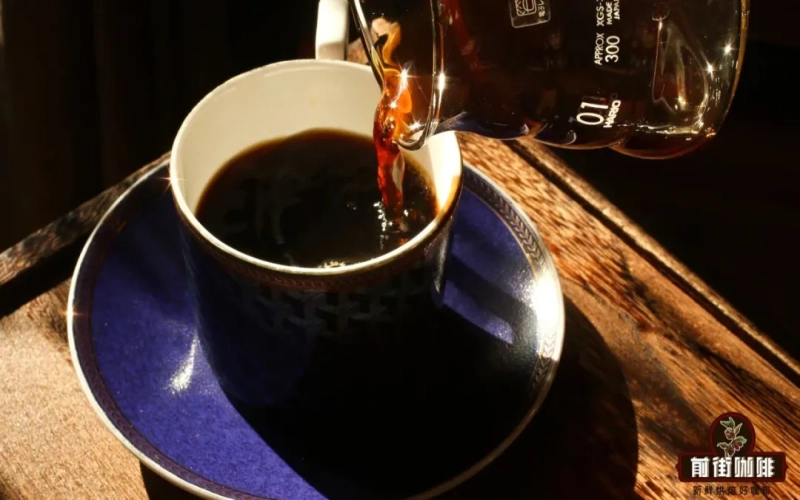
Can Cold Pour-Over Coffee Be Reheated? How Different Temperatures Affect Flavor and Practical Tips for Reheating
A freshly brewed cup of hot coffee sits and gradually cools, its aroma fading and its taste deteriorating—pouring it out feels wasteful, yet reheating it risks damaging the flavor. What changes does coffee actually undergo from hot to cold? At what temperature is coffee most ideal to drink? And what should you watch out for when reheating it a second time? Starting from Front Street's everyday experience and drawing on how temperature affects taste perception, this article analyzes why coffee's acidity and bitterness intensify and its aroma dissipates after cooling, and offers different rewarming temperature ranges for medium-light and medium-dark roasts, helping you enjoy as smooth a cup as possible without letting anything go to waste. [more…]
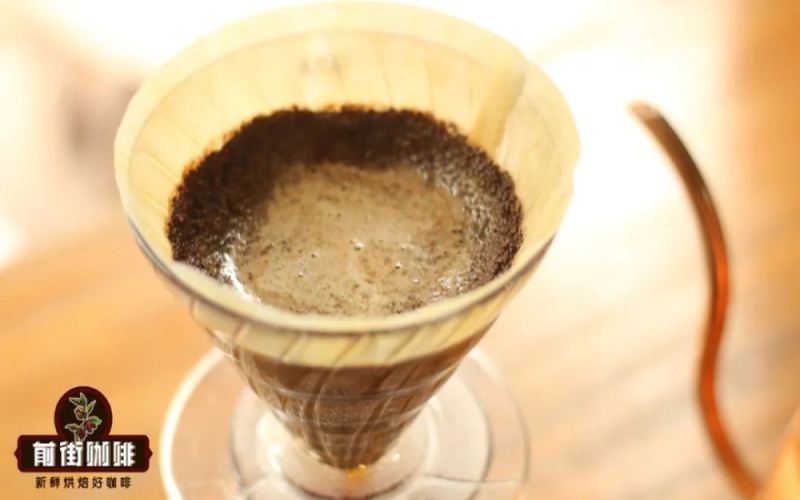
Why Does the Liquid in a Pour-Over Coffee Dripper Become Transparent? Troubleshooting and Solutions for Fine Particle Clogging and Bean Freshness
During a pour-over, if the liquid in the dripper suddenly turns clear and transparent, with no fine particles or foam suspended in it, this is usually not a good sign. This phenomenon often means something has gone wrong with the structure of the coffee bed—either fine particles have clogged the filter paper pores, or the coffee beans have been stored too long and their carbon dioxide has dissipated. Clogging prolongs the extraction time and in all likelihood ends with a bitter, over-extracted cup. This article analyzes the causes of the liquid turning transparent one by one from four angles—grind size, pouring flow, dripper design, and bean freshness—and offers adjustment plans verified by Front Street Coffee in actual brewing, to help you avoid the clogging trap when brewing light-roast beans and achieve consistent flavor. [more…]
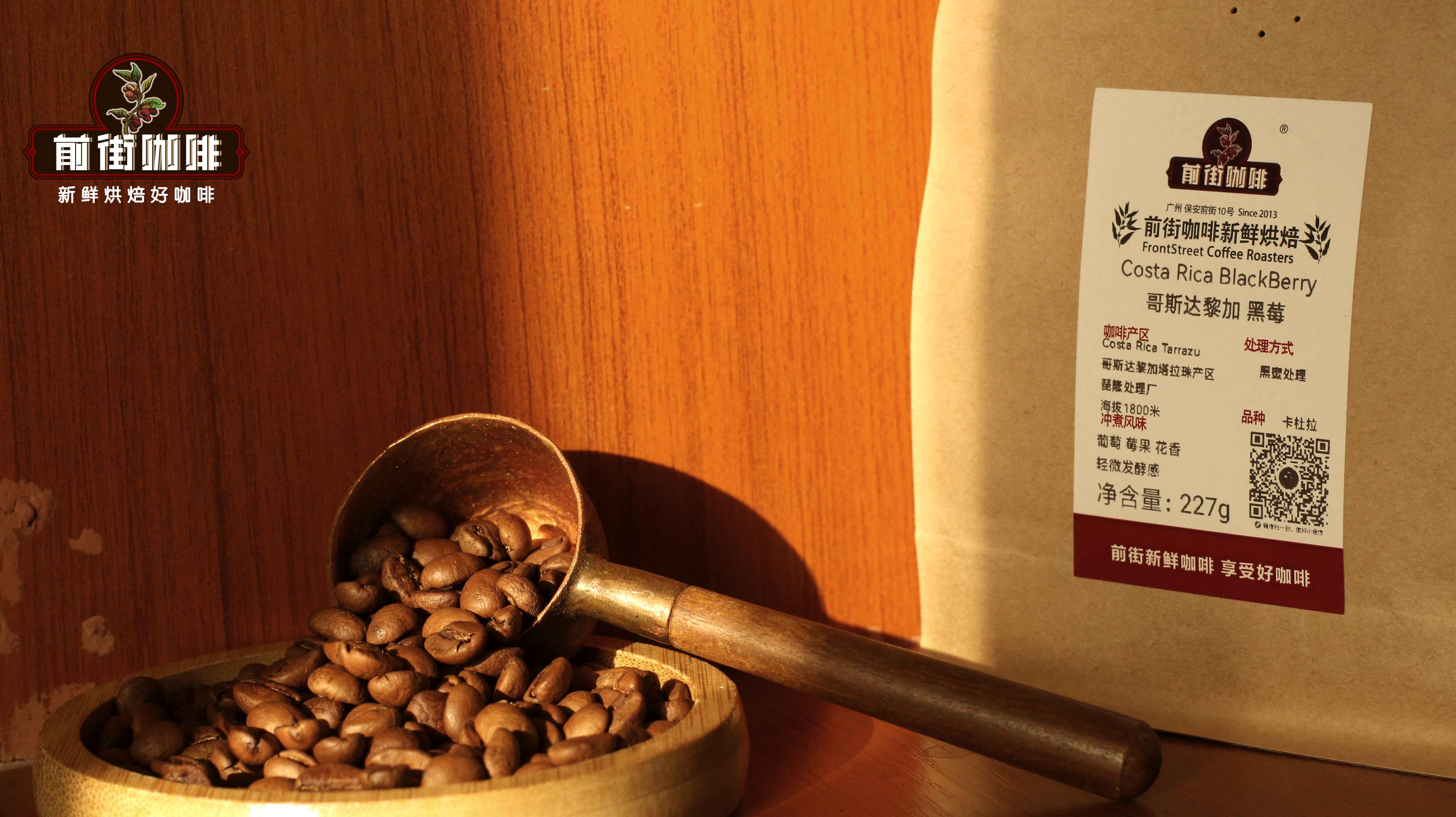
Espresso SOE Bean Selection Guide | Recommended Espresso Beans for Making Great Americano with an Espresso Machine
In the world of espresso, nothing matters more than a perfect shot. An ideal espresso has a creamy texture, intense coffee flavor, and a syrupy body, along with a lingering finish. Although it seems simple, in reality, to make a perfect espresso, when buying coffee beans we need to [more…]
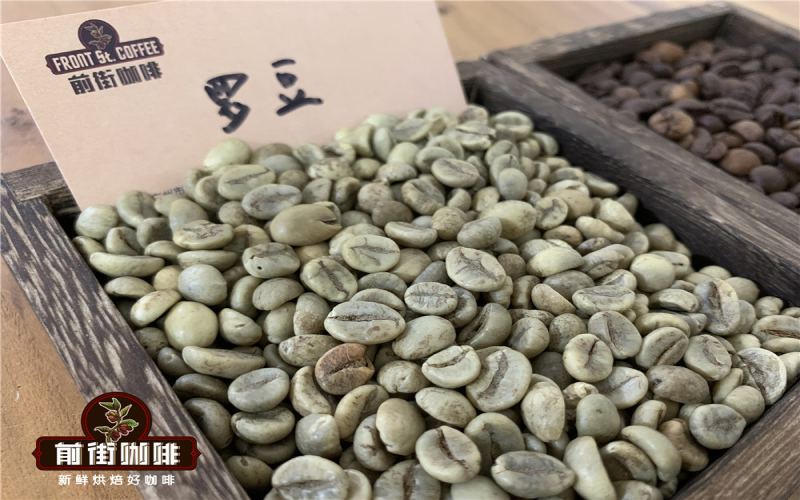
The Diverse Applications of Robusta Coffee Beans and an Analysis of the Controversial Causes of Their Bitterness
Robusta is often labeled as "bad-tasting" and "high in caffeine," but few delve into why it is still so widely used. Front Street believes that to understand this variety, one must start with its botanical characteristics, historical role, and practical uses. Robusta is naturally resistant to pests and diseases, high-yielding, and low-cost, making it suitable for commercial mass production, and thus widely used in instant coffee and espresso blends. Its bitterness mainly stems from high chlorogenic acid and low sucrose, but this does not mean all Robusta is of poor quality—Indian Royal Robusta demonstrates a clean flavor profile. Front Street's commercial blend coffee beans include 10% washed Robusta, combined with Colombian and Brazilian beans, producing espresso with rich crema, strong nutty aroma, creamy fullness, and bitterness that dissipates quickly. This article will comprehensively analyze Robusta's uses and controversies. [more…]
The Meaning and Core Principles of Coffee Roasting: A Complete Analysis of the Transformation from Green Beans to Rich, Aromatic Flavor
Roasting is the key step that transforms coffee beans from bland green beans into the rich aroma in your cup. During roughly twenty minutes of high-temperature treatment, the starches inside the beans convert into sugars and acidic substances, moisture and carbon dioxide escape, and proteins and fats combine to form an oily film on the surface, accompanied by the cracking sounds of first crack and second crack. Chlorogenic acid gradually dissipates, releasing pleasant fruit acids such as acetic acid, citric acid, and malic acid. Different roasting levels produce beans of varying darkness; charcoal-burned coffee is the typical example of a deep French roast, and its bitterness comes mostly from carbonization rather than just caffeine. When roasted properly, the beans expand evenly, with a smooth surface and consistent gloss, which is what allows coffee to show its ultimate character. Front Street Coffee believes that mastering the principles of roasting is an important foundation for brewing good coffee. [more…]

Can you still drink coffee beans after they expire? Understanding the difference between shelf life and peak flavor period, plus recommendations
The shelf life of coffee beans is usually longer than that of most foods because they are a low-water-activity food and are not prone to spoilage. The packaging of coffee beans sold by Front Street Coffee indicates a shelf life of one year; this period has been determined through professional testing, and under proper storage conditions, the risk of spoilage is relatively low. However, in addition to the shelf life, coffee beans also have a more critical "flavor window"—the optimal tasting period. After the flavor window passes, aromatics are largely lost due to volatilization, and the coffee becomes mediocre. So, can expired coffee beans still be drunk? This article will analyze in detail the difference between shelf life and flavor window from the two perspectives of food safety and flavor performance, and give Front Street Coffee's drinking recommendations. [more…]
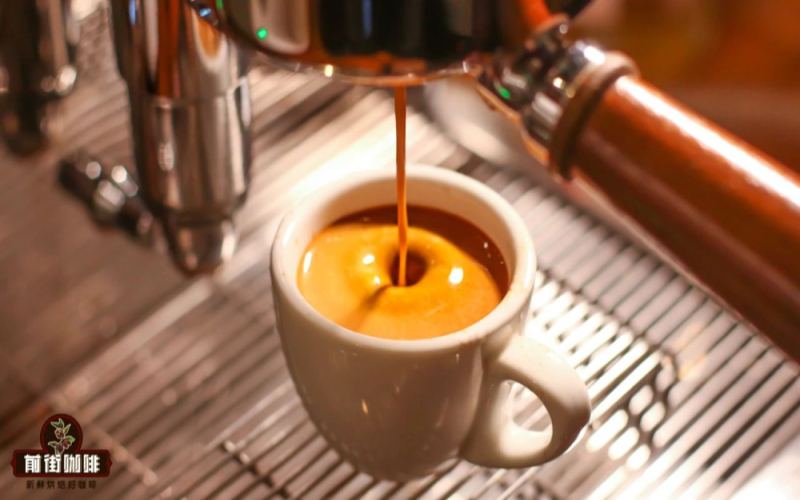
Why Does Home Espresso Easily Go Wrong? A Comprehensive Guide to Avoiding Pitfalls from Coffee Grounds and Tamping to Extraction Timing
More and more high-performance small coffee machines are making their way into homes, but if you want to consistently pull a good espresso at home, a great machine alone is far from enough. Front Street Coffee has put together the most common pitfalls in home scenarios: some people, for convenience, directly buy ready-made coffee grounds, overlooking the three major hidden risks of flavor dissipation, loss of oils, and inconsistent grind size; some people repeatedly level the grounds when tamping, which instead causes uneven density in the puck and channeling during extraction; and still others, after locking in the portafilter, delay pressing the extraction button, letting the puck bake on the hot brew head and develop a burnt, bitter taste. The article breaks down the causes of these problems one by one and offers actionable suggestions for improvement, helping beginners avoid unnecessary detours. [more…]
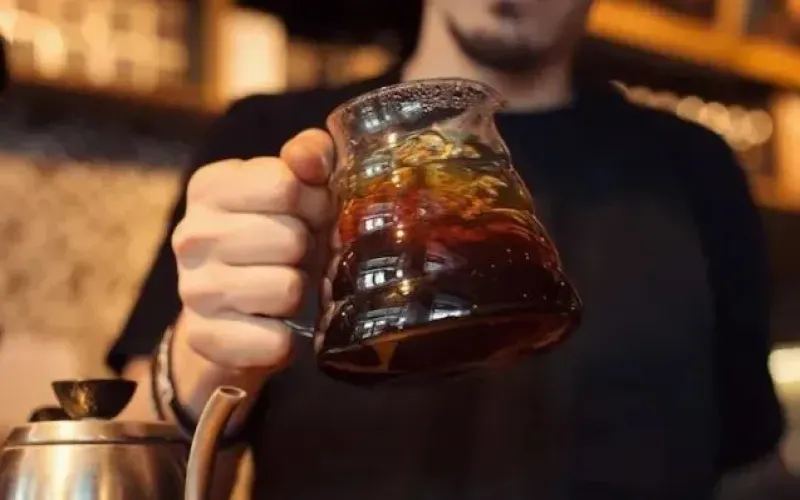
Analysis of the Causes of Sweet Aftertaste in Black Coffee and Recommendations for Pour-Over Beans with Prominent Sweet Aftertaste
When drinking black coffee, many people experience a sweet aftertaste that rises in the mouth after swallowing—this is huigan (returning sweetness). Huigan differs from direct sweetness; it is often built on the fading of bitterness and is brought out by the sweetness presented by aromatic compounds. Starting from the definition of huigan, this article analyzes its causes, explains the difference between huigan and the sweetness felt after drinking water, and finally recommends pour-over coffee beans with excellent huigan performance, including product information from the Front Street Coffee brand, to help coffee lovers more accurately understand the finish and huigan. [more…]
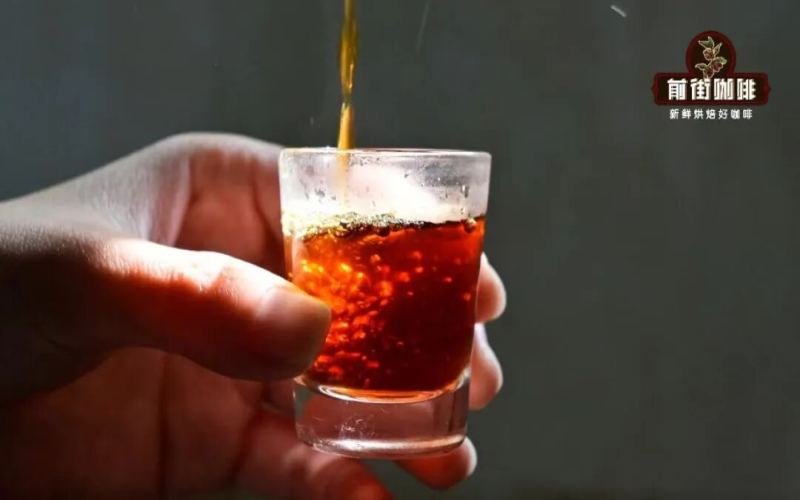
Coffee Tasting Time | How soon after brewing is it best to finish a pour-over coffee? What changes in the coffee flavor of a pour-over coffee the longer it sits?
The peak flavor period refers to the optimal window for tasting coffee beans after roasting is completed. During this time, because there is not too much carbon dioxide interference, and the coffee's flavor compounds have not yet been lost in large amounts, we can brew coffee with the richest aroma and obtain the most complete flavor experience. But did you know, [more…]
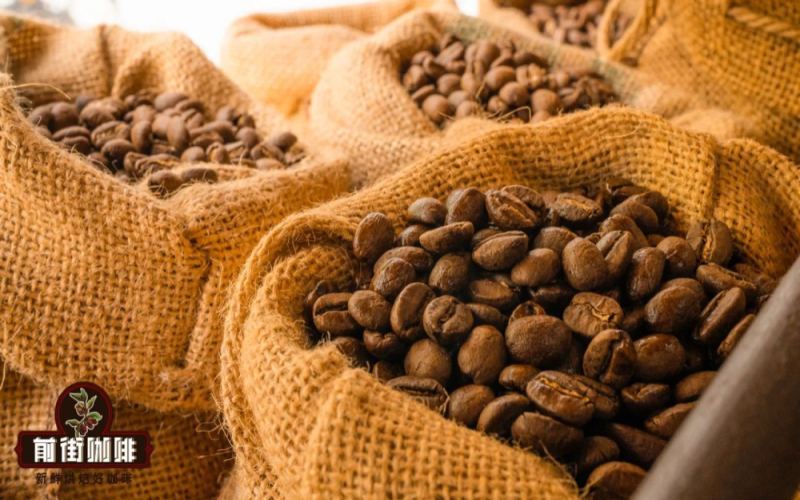
Pour Over for Dark Roasts: How to Avoid Bitter, Burnt, Undrinkable Coffee — Brewing Tips for Medium-Dark Mandheling, Blue Mountain, and Brazilian Beans
Deeply roasted coffee beans are characterized by a dark chocolate-like bitterness, while also delivering a rich mouthfeel and traditional caramel aroma. However, these beans also tend to release an unpleasant bitterness during brewing. This article approaches the issue from three angles—water temperature adjustment, coffee bed state, and coffee-to-water ratio—and, by combining the flavor characteristics of three representative beans—Front Street Coffee PWN Golden Mandheling, Front Street Coffee Jamaican Blue Mountain, and Front Street Coffee Brazil Queen Estate—analyzes how to avoid negative flavors such as burnt bitterness and woody notes, while preserving caramel sweetness and a clean finish, helping enthusiasts brew the rich body and sweetness that deeply roasted beans should have. [more…]
How to Reheat Cold Coffee Without Ruining Its Flavor? A Taste-Test Comparison of Pour-Over Coffee Heated on an Electric Stove vs. an Alcohol Lamp
A cup of pour-over coffee, from steaming hot to completely cold, undergoes irreversible changes in both aroma and taste. When the coffee drops to room temperature, most of those pleasant aromatic compounds present at high temperatures have long since dissipated, so it naturally tastes much flatter. Since the flavor cannot truly be "revived," our next-best goal is to lock in as much of the remaining aroma as possible, so that the rewarmed coffee is at least not unpleasant to drink. Front Street tested two heating methods—an electric hot plate and an alcohol lamp—raising two pots of coffee, Butterfly and Typica, from room temperature to 50°C, recording the tasting impressions one by one, in an attempt to find a heating approach that balances drinkability and flavor retention. The following presents the complete comparison process and conclusions, along with other rewarming ideas worth trying. [more…]
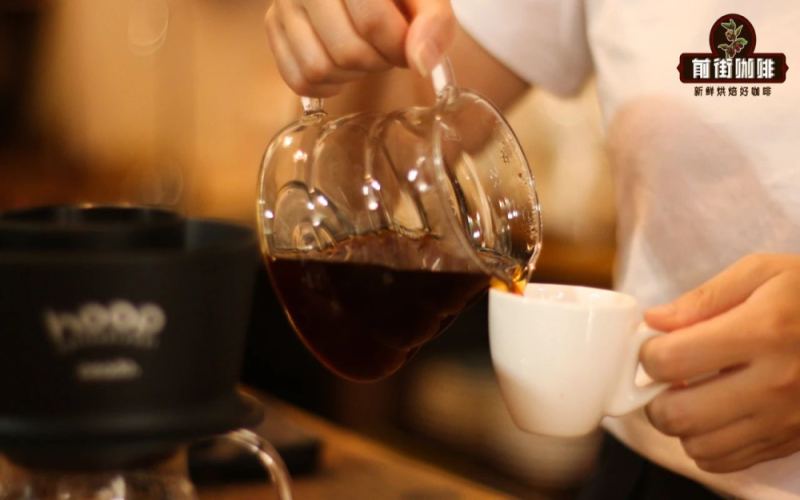
Beginner's Everyday Beans | Which Coffee Beans Are Good for Pour-Over Without Being Sour? Recommended Dark Roast Single-Origin Pour-Over Beans That Are Neither Bitter Nor Astringent, with a Long-Lasting Sweet Finish
"A sweet aftertaste that promotes salivation, with bitterness giving way to sweetness" is the highest praise people give to a good cup of tea, and in coffee tasting, people also often use the term "sweet aftertaste," usually referring to coffee having a pleasing mouthfeel. So what exactly kind of taste experience is it when you perceive a sweet aftertaste in coffee? And how does it differ from the sweetness of coffee? [more…]
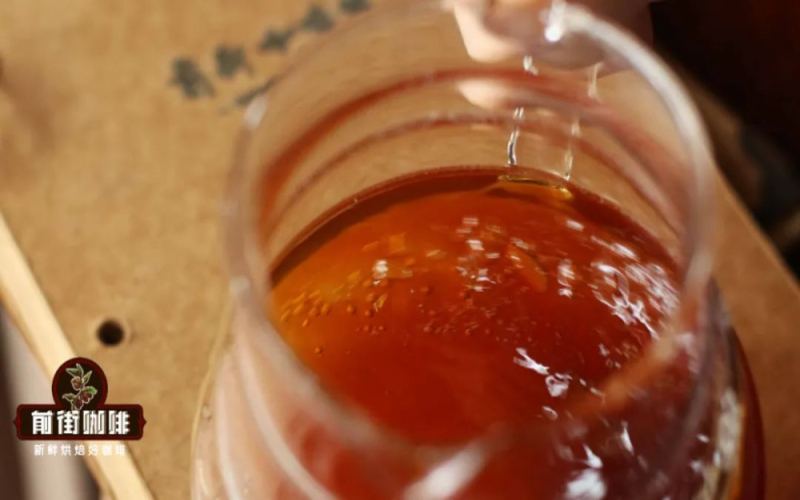
Can cooled coffee be reheated? Analyzing the impact of temperature drop on flavor and practical remedies
After a freshly brewed cup of coffee sits for a while, its aroma gradually dissipates, and its mouthfeel changes noticeably. Dark roasts become less smooth, medium-light roasts develop a more pronounced sourness and astringency, and a bitter, muddled finish may even appear. Why does cooling rob coffee of its appeal? If you reheat cold coffee or chill it with ice, can it regain its original flavor performance? This article analyzes the issue from two perspectives—chemical changes and sensory perception—and, through a comparative experiment between Front Street Coffee Kafa Forest and Front Street Coffee Yirgacheffe, explores practical remedies for cooled coffee. [more…]
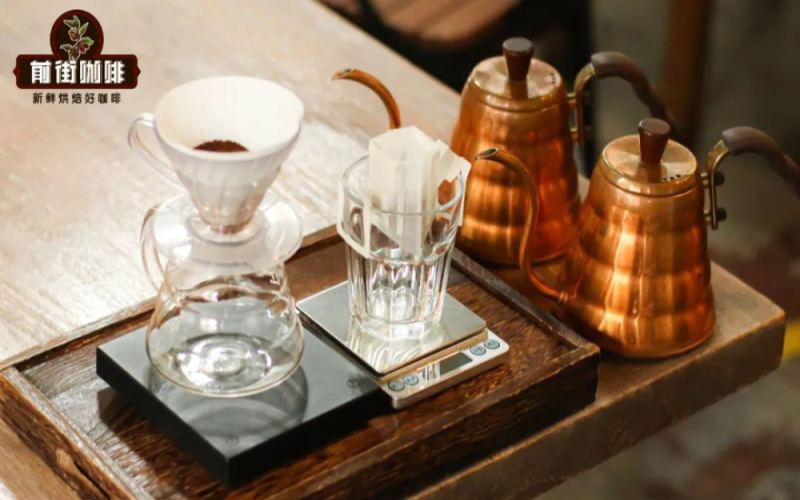
How Is Pour-Over Coffee Different from Drip Bag Coffee? A Comprehensive Comparison from Extraction Principles to Flavor Expression
Pour-over coffee and drip bag coffee both use drip extraction, but the two differ fundamentally in their original design intent and use scenarios. Pour-over emphasizes grinding fresh and brewing immediately, with freely adjustable parameters, allowing it to present coffee's aroma layers and flavor details more completely; drip bags, on the other hand, center on convenience, trading pre-ground coffee powder for a brew-anytime, anywhere experience, but aromas dissipate faster and flavor richness is relatively limited. From Front Street's perspective, this article sorts out the specific differences between the two methods in terms of equipment, operation, coffee powder state, and flavor performance, and includes Front Street drip bag coffee recommendations suited to different tastes, helping coffee lovers find the choice that suits them between convenience and quality. [more…]
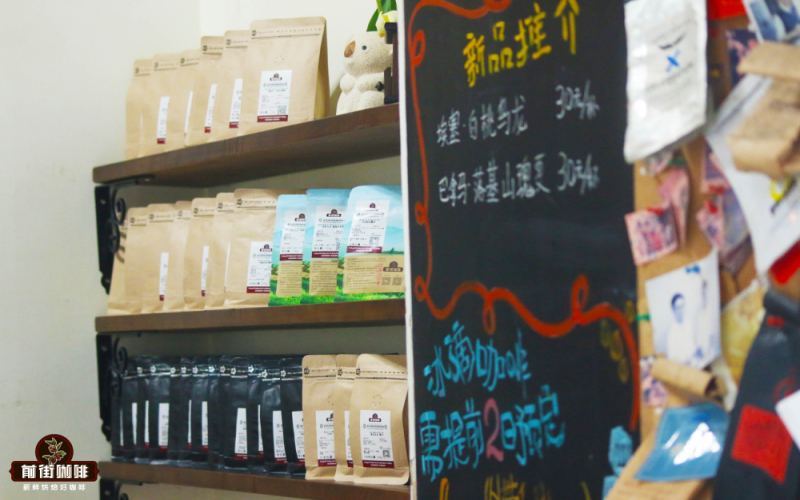
Resting and Blooming of Espresso Blend Coffee: Conceptual Differences, Time Windows, and Brewing Recommendations
Red wine requires decanting, while coffee has the concepts of resting and waking beans. After roasting, coffee beans trap carbon dioxide inside them, accounting for about 2% of their weight, and this gas needs time to slowly release. If freshly roasted beans are ground and brewed immediately, the gas pressure obstructs the exchange between hot water and coffee compounds, resulting in a dull flavor and even a dry, bitter sensation. Front Street Coffee recommends a resting period of 4 to 7 days after roasting; dark-roasted beans, being more porous and containing more gas, require slightly longer. At the same time, coffee aromas dissipate along with the carbon dioxide, so Front Street advises drinking the coffee within one month of roasting. This article will also use Indonesian Mandheling as an example to break down how the wet-hulled process gives it a rich, herbal flavor, and will include Front Street Golden Mandheling's brewing parameters. [more…]