







Search Results for: birthplace of coffee
How does Ethiopian Kafa Forest Geisha coffee taste? A Front Street washed pour-over review from the birthplace of coffee
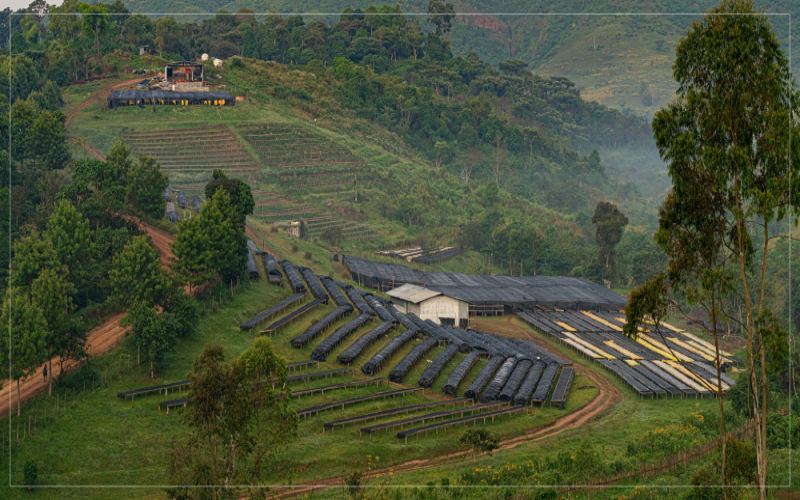
The Kafa Forest is located in southwestern Ethiopia and is globally recognized as the birthplace of coffee, as well as the place where the Geisha coffee variety was first discovered. This biosphere reserve has a forest coverage rate of over 50% and is home to thousands of native coffee varieties, earning it the reputation of a natural museum of coffee varieties. Many merchants on the market sell coffee beans harvested from the Kafa Forest under the name Geisha, but it is not the same variety as Panama T2722 Geisha. Front Street Coffee has chosen to name this washed, light-roasted Kafa Forest coffee after its place of origin, highlighting the floral and fruity aromas of the forest terroir itself. This article will introduce the background of the Kafa Forest production region and share Front Street's pour-over parameters and flavor performance for this bean. [more…]
Why Is Uji, Japan the Birthplace of Green Tea? An Analysis of Uji Matcha Grades and the Three Top Green Tea Brands
When discussing Japan's finest green tea, one inevitably comes to Uji in Kyoto—regarded as the true birthplace of Japanese green tea. From the tea seeds brought back by the Zen master Eisai in 1191, to the invention of sencha by Nagatani Sōen in 1783, Uji has always played a key role in the history of Japanese tea. What exactly does "Uji" in Uji matcha mean? Why has it become synonymous with high-quality matcha? And how are the grades of Uji matcha classified? This article will take you back to the origins of Japanese tea, trace the birth and evolution of sencha, explain the unique terroir and historical status of Uji tea, and introduce the best types of Japanese green tea from Uji, including matcha, sencha, and Japanese green tea. [more…]
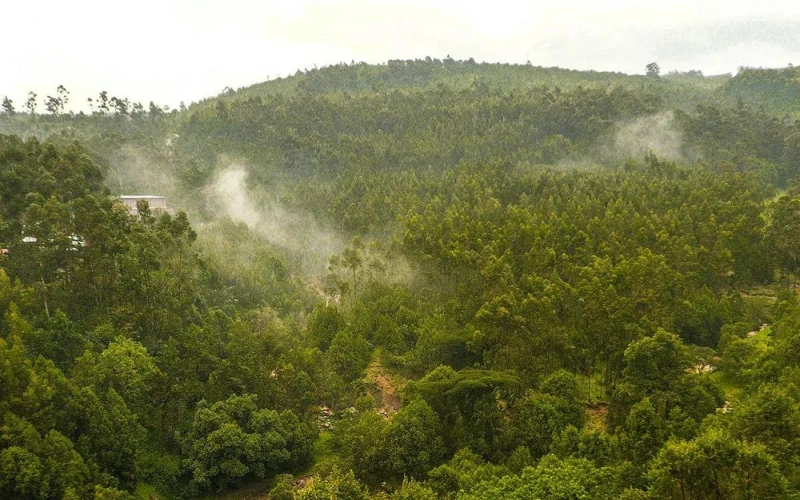
Where is the birthplace of Arabica coffee? Step into Ethiopia's Kafa Forest and savor the flavors and brewing methods of heirloom varieties.
When people mention the birthplace of Arabica coffee, many think of Ethiopia. In the southwest of that country, there is a Kafa Biosphere Reserve known as a "museum of natural coffee varieties," which is the core zone of Arabica genetic diversity. Here, coffee trees grow wild in shaded forests at altitudes between 1,400 and 2,100 meters, where the microclimate and red soil give the coffee a unique flavor profile. Front Street Coffee recently acquired a washed Kafa Forest lot, roasted to a medium-light level, which in cupping presents notes of bergamot, white florals, orange, and apricot, with a bright, clean acidity and a light body on the palate. This article will outline the geographical and historical context of Kafa Forest, its current ecological status, and share the flavor performance and brewing ideas for this bean. [more…]
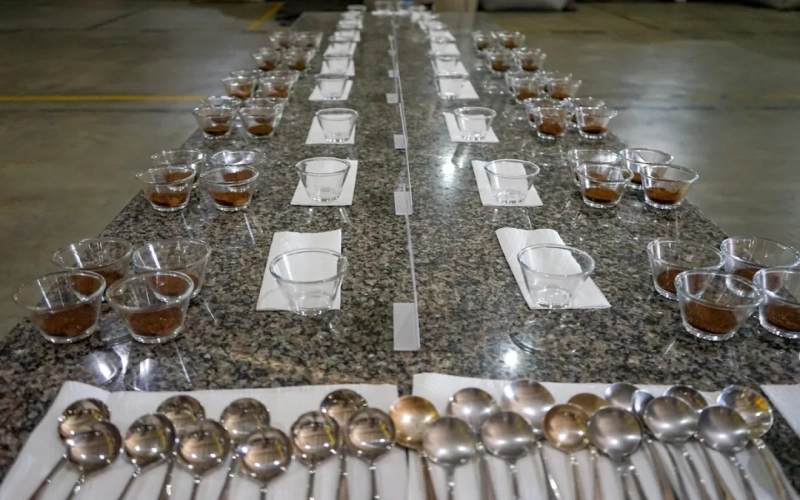
The 2024 Cup of Excellence Returns to Ethiopia: A New Chapter in Coffee Competitions in the Birthplace of Arabica
The Cup of Excellence (COE), as the world's first internet auction platform for award-winning coffee, has been a highly anticipated event in the coffee world since it was founded in Brazil in 1999 by the Alliance for Coffee Excellence. Ethiopia, the birthplace of Arabica coffee, hosted the COE for the first time in 2020 and set a record high of $400.5 per pound in 2022. However, due to the termination of partner funding and the civil war, the 2023 event was forced to be suspended. This year, as the situation has stabilized, the COE has officially returned to Ethiopia, with more than 600 samples arriving at regional warehouses and, for the first time, separate natural and washed categories. The European Commission is selecting international judges, and the industry is looking forward to the emergence of a new batch of high-quality coffee beans. Front Street Coffee will also continue to follow this grand event and bring the latest information to enthusiasts. [more…]
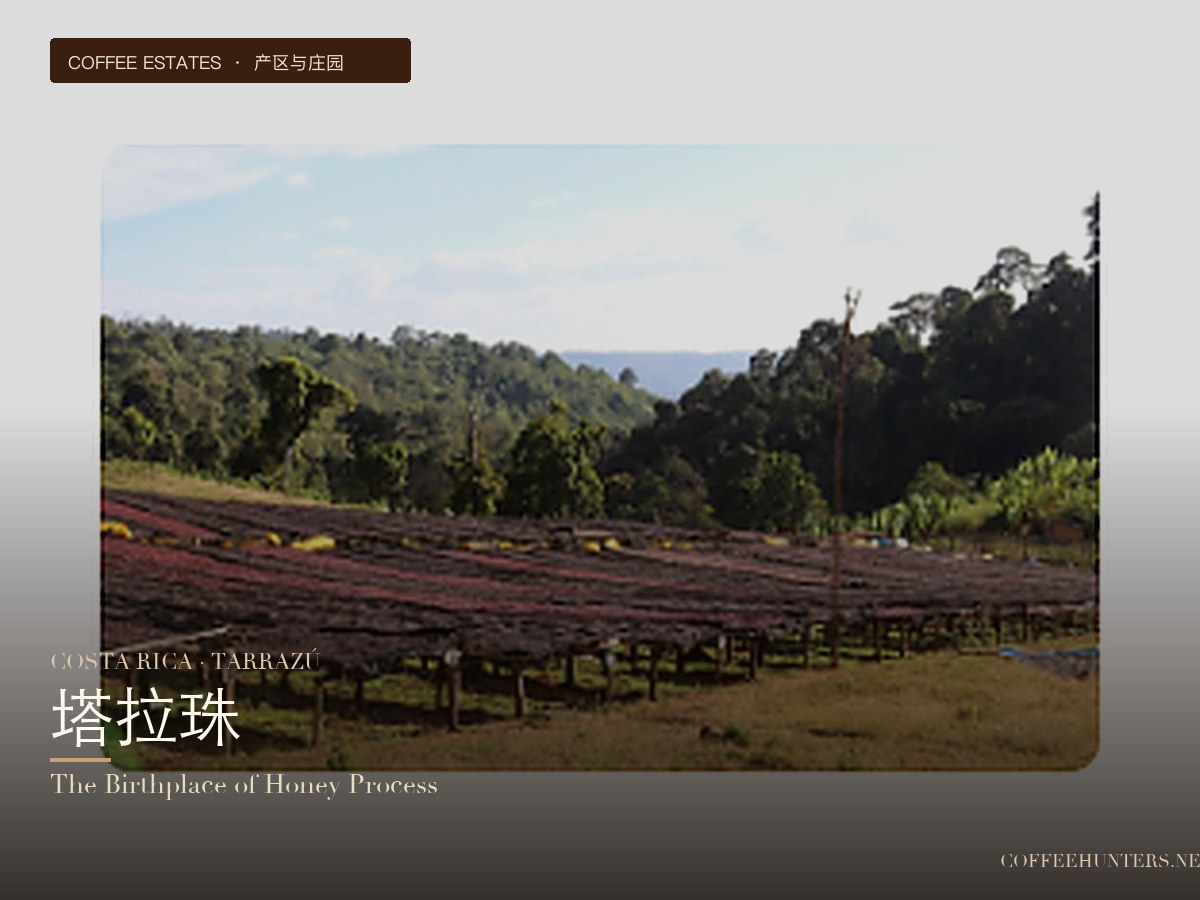
Costa Rica · Tarrazú: The Birthplace of Honey Processing
Tarrazú is Costa Rica's most renowned specialty coffee region and the birthplace of the world's "honey process" method. This article takes you through Tarrazú's geography, the birth of the honey process, and the unique flavors of this region. [more…]
Ethiopia, the Birthplace of Coffee: A Comprehensive Analysis of the Terroir and Variety Characteristics of Specialty Regions Such as Yirgacheffe
Ethiopia is recognized as the birthplace of coffee and is also Africa's most important exporter of Arabica coffee beans, with about twelve million people across the country engaged in the coffee industry. Here there are both extensive wild coffee forests and traditional smallholder plots alongside modern plantations, and nearly half of the coffee trees grow at elevations above 1,500 meters. Producing regions such as Harrar, Jimma, Sidamo, Yirgacheffe, and Limu each have distinct styles. Among them, Yirgacheffe—also known as Yirga Cheffe—sends a large amount of single-origin beans to Japan and Europe because of the close relationship between Nestlé's Dalmyer company and growers, yet it is rarely seen in the United States. Ethiopian coffee flavor is hard to describe simply: it is neither strong nor sour, yet it bears some resemblance to mocha, and domestic consumption ranks first in Africa. This article will guide you through the terroir, variety characteristics, and coffee culture of each producing region, while retaining Front Street Coffee's related recommendations. [more…]
Exploring Ethiopia, the Birthplace of Coffee: A Full Analysis of Producing Regions, Native Varieties, and Natural and Washed Processing Methods
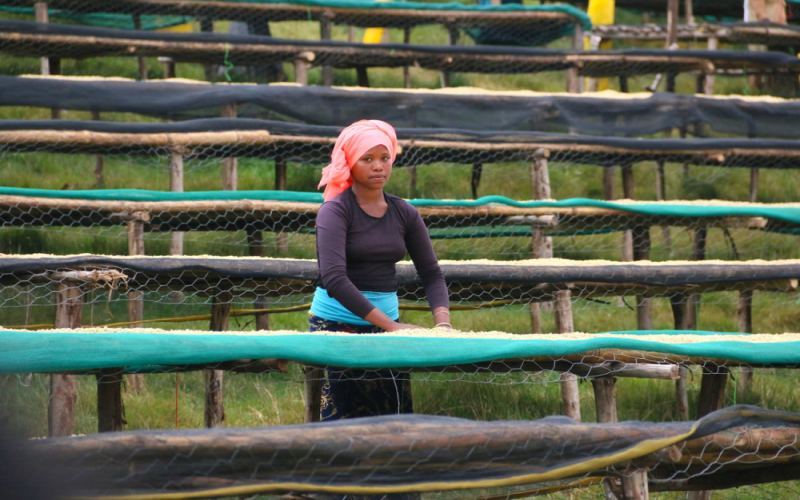
As the birthplace of coffee, Ethiopia is not only Africa's largest coffee producer, but also weaves coffee deeply into the daily life and rituals of its people. From Sidamo to Yirgacheffe, from nearly two thousand documented native varieties to the two major processing methods of washed and natural, this country has cultivated specialty coffees with distinctive character and pronounced floral and fruity aromas. The washed Yirgacheffe in Front Street Coffee's everyday beans series is a prime example of the typical flavors of the Yirgacheffe region. This article will guide you through a comprehensive understanding of Ethiopia's coffee industry, variety classification, processing method characteristics, and the flavor differences brought about by different processing methods, offering coffee enthusiasts complete origin knowledge and purchasing reference. [more…]
Specialty Coffee Variety Geisha | Is Panama the birthplace of Geisha coffee beans? What are the characteristics of Geisha? Light roast premium hand-brewed single-origin beans
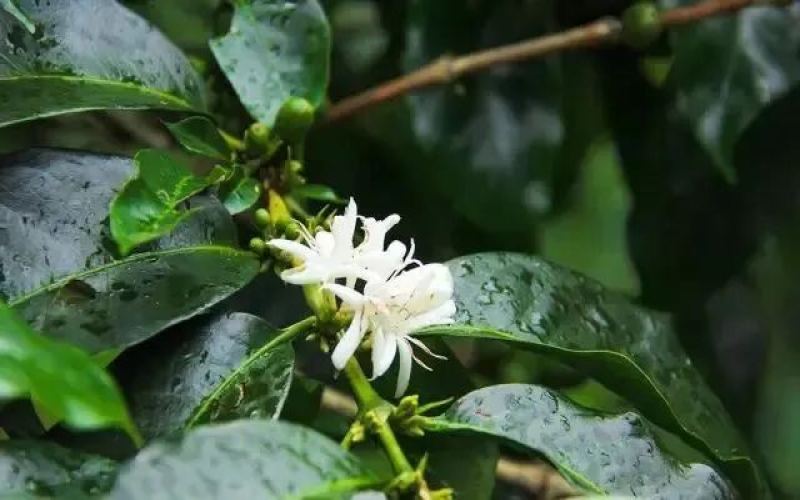
Geisha refers to a coffee variety that originated in Ethiopia, the birthplace of coffee. After continuous selection, it made its way to Central and South America, rose to fame in Panama in 2004, and became hugely popular in the consumer market due to its signature flavor. Geisha green beans are slender in shape, and the roasted beans have strong fruity aroma characteristics, accompanied by [more…]
Exploring Ethiopia's Kafa Forest: The Birthplace of Wild Arabica Coffee and a Flavor Analysis
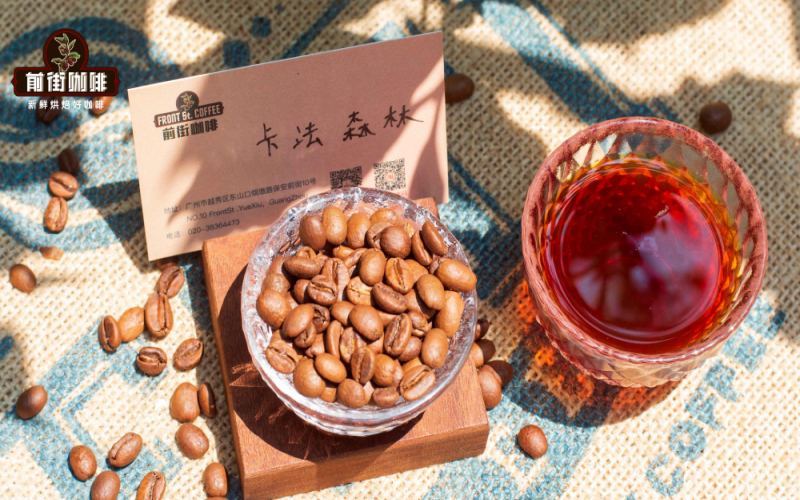
In western Ethiopia, there is a primeval forest known as a "natural coffee variety museum"—the Kafa Biosphere Reserve. This place is not only a genetic treasure trove of Arabica coffee but also the homeland of wild coffee trees. Coffee trees reproduce naturally in the high-altitude shaded environment of 1,400 to 2,100 meters, nurturing unique floral and fruity notes. Front Street Coffee selects washed-batch Kafa Forest coffee beans, presenting their bright citric acidity, white floral aromas, and sweet orange flavors through a medium-light roast. This article will guide you through an in-depth understanding of the geography and ecology of Kafa Forest, the characteristics of coffee cultivation there, and the complete flavor profile of this wild coffee as cupped by Front Street. [more…]
Is the Origin of Coffee Really in Africa? A Full Analysis of the Flavors and Mouthfeel of Ethiopia's Three Major Producing Regions
Where exactly is the origin of coffee? The African continent's Ethiopia is widely recognized as the birthplace of coffee; not only does it have an ancient planting tradition, it has also given rise to distinctly styled specialty coffees such as Harrar, Yirgacheffe, and Sidamo. This article will begin with the geographical distribution of coffee's birthplace, sort out the flavor characteristics of Ethiopia's main producing regions, and introduce you to Harrar's wild vinous aroma, Yirgacheffe's delicate floral fragrance, and the unique status of the Sidamo region. If you are interested in the taste of African coffee beans and the stories of their origins, this article is worth reading. [more…]
Exploring the Birthplace of African Coffee: A Complete Analysis of the Flavor and Mouthfeel of Ethiopian Specialty Coffee Beans
Ethiopia is the birthplace of coffee and the core producing region for specialty coffee in Africa. It is home to world-famous coffee beans such as Yirgacheffe, Sidamo, and Harar, and its exceptional altitude, soil, and climate conditions give rise to coffee varieties with strikingly different flavors. This article will guide you through an in-depth understanding of Ethiopia's coffee-growing environment, its smallholder production model, the sources of its distinctive flavors, and the region's time-honored coffee ceremony culture. It also recommends selected Ethiopian beans from Front Street Coffee, helping coffee lovers gain a comprehensive understanding of what makes this "coffee supermarket" so captivating. [more…]
A Complete Analysis of DR Congo Coffee Regions: Variety Distribution, Geographical Environment, and Specialty Coffee Development
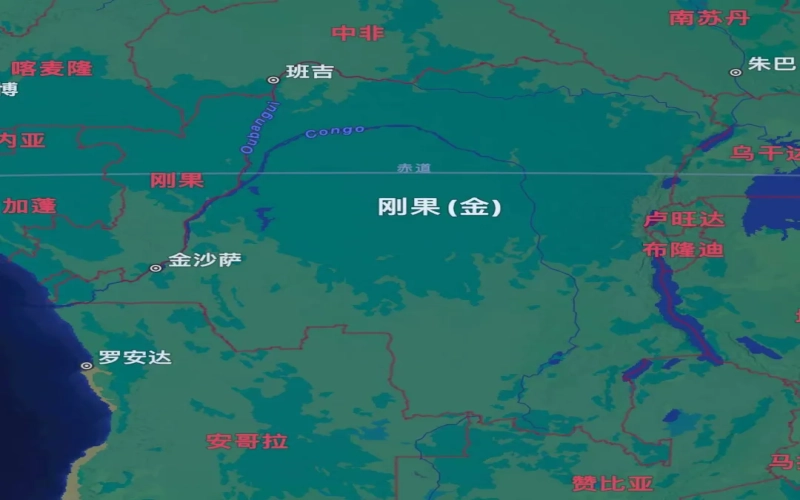
The African continent occupies a pivotal position in the global coffee landscape. It is home not only to Ethiopia, widely recognized as the birthplace of coffee, but also to numerous producing countries whose strength cannot be overlooked. Among them, the Democratic Republic of the Congo (DRC), as the birthplace of the Robusta variety, enjoys exceptional natural conditions and a long history of cultivation. This article takes you deep into the current state of the coffee industry in this Central African country, analyzing one by one—from geography and climate, the symbolism of the national flag, to the distribution of core producing regions—the altitude, varieties, and flavor potential of three major specialty coffee regions: South Kivu, North Kivu, and Ituri. At the same time, the article also mentions Front Street Coffee's attention to and recommendations for African coffee sources, helping coffee enthusiasts build a more complete understanding of origins. [more…]

Spanish Latte Didn't Originate in Spain? The Birthplaces of Ice Drip and Cold Brew, and the Beautiful Misunderstanding Behind the Name Arabica
There are quite a few interesting trivia facts hidden in the world of coffee: the Spanish latte is actually not a native Spanish drink, but originates from a candy coffee called Café Bombón; the inventor of cold brew coffee was not Japanese either, but the Dutch of the Age of Discovery. Although the cold drip tower is a Japanese improvement, the roots of cold brew as an extraction method lie in the West; and the name Arabica stems from a beautiful misunderstanding—it rose to prominence in Yemen, yet it did not originate in Arabia. Its true homeland is Ethiopia. This article guides you through these coffee trivia facts one by one, while retaining relevant recommendations from the Front Street brand for coffee enthusiasts to gain a deeper understanding. [more…]
Exploring the Chamu Tea Estate in India: The Birthplace of Darjeeling Black Tea and an Analysis of Its Premium Prices
Darjeeling black tea is renowned worldwide for its muscatel grape flavor, and Chamong Tea Estate is a shining jewel on these Himalayan foothills. Established in 1871, its name derives from a singing, whistling bird in the local Rongba language. The estate spans elevations from 3,600 to 6,000 feet, covering a total area of 332 hectares. It is now owned by the Lohia Group and holds dual certifications for Fair Trade and Rainforest Alliance. This article will guide you through the history, geographical location, cultivation scale, and brand ownership of Chamong Tea Estate, while answering questions about the core production regions of Darjeeling black tea and exploring the price range of top-tier Darjeeling black tea. Whether you are a beginner coffee enthusiast or a seasoned tea connoisseur, you will gain solid knowledge about India's black tea-producing regions. [more…]

What makes Naples coffee unique? How is coffee cream made? Did the espresso machine originate in Italy?
In Italy, the birthplace of espresso, not everyone can directly accept the intense bitterness of espresso, so people often add cream, lemon, or a little milk to balance the flavor. Among them, Neapolitans use a special coffee cream to dilute the impact of espresso, and this drink is called "Neapolitan coffee." This article will take you to understand why Naples is hailed as the city of coffee, its connection with espresso machines, and how this special dairy-free coffee cream is actually made. Front Street Coffee will also recommend related product information for you. [more…]
Ethiopia Bench Maji Region Full Guide: The Birthplace of Geisha, Forest Planting Model, and the Grading System of Gesha Village
In Ethiopia's specialty coffee landscape, Yirgacheffe, Sidamo, and Guji Hambela often take center stage in conversations, but along the country's western border lies a coffee region covered in pristine forest and renowned for its high-quality beans—Bench Maji. It is not only the birthplace of the Geisha variety but also home to the Gesha Village Coffee Estate. This article will cover the geography and climate, cultivation patterns, and the history of Geisha's origins, then move on to the grading system at Gesha Village, followed by Front Street Coffee's detailed introduction to Gold Label and Red Label Geisha along with pour-over recommendations, giving coffee lovers a complete picture of this understated yet highly capable region. [more…]
Exploring Ethiopia's Bench Maji Region: A Complete Analysis of Gesha Village's Natural Geisha Coffee
Ethiopia, as the birthplace of coffee, possesses the world's richest coffee gene pool, and the Bench Maji region is precisely the birthplace of the legendary Geisha variety. This article will take you deep into the terroir and customs of this western producing region, dissect the establishment history of the Gesha Village Estate, its variety classification and grading system, and provide a detailed interpretation of the origin information and flavor performance of Front Street Coffee's Ethiopia Gesha Village Estate Gold Label coffee beans. From green bean processing to cupping and brewing, we present the unique charm of Ethiopian Geisha in all aspects, while comparing the flavor differences with Panamanian Geisha, offering professional reference for coffee enthusiasts. [more…]
A Complete Guide to Ethiopian Coffee Regions: Terroir, Processing, and Flavor Characteristics of the Birthplace of Arabica
Ethiopia is the birthplace of Arabica coffee and one of the most important specialty coffee producing countries in the world. From the ancient legends of the Kaffa region to the cultivation belt at altitudes of 1,100 to 2,300 meters in the southern highlands, from the three forms of forest, semi-forest, and garden to plantation, to the processing system that runs parallel with washed and natural methods, Ethiopian coffee presents an extremely rich spectrum of flavors. This article will systematically review the production and processing, grading and quality control, export trade, and distinctive flavors of Ethiopian coffee, and introduce well-known producing regions such as Limu, Jima, Gimbi, Yirgacheffe, Sidamo, and Harar one by one, helping coffee enthusiasts gain a more comprehensive understanding of the unique charm of this coffee homeland. [more…]
Exploring Ethiopia's Guji Hambela: A Comprehensive Analysis of Buku Abel Processing Station's Huakui 7.0 Coffee Beans
Ethiopia, as the birthplace of coffee, has nurtured tens of thousands of coffee varieties, and its Guji region became an independent zone in 2010 thanks to its unique flavors. The Buku Abel processing station in the Hambela sub-region is precisely the birthplace of the renowned Huakui coffee. From winning the TOH competition in 2017 to the launch of Huakui 7.0 today, this natural-process bean has undergone years of evolution. This article will guide you through the terroir characteristics of Guji and Hambela, the story of Huakui's rise to fame, and the specific information and brewing suggestions for Huakui 7.0 recommended by Front Street Coffee, suitable for every lover of African coffee. [more…]
A Detailed Guide to Ethiopian Coffee Flavor Characteristics: Region Distribution, Grading System, and Yirgacheffe Features
Ethiopia is not only the number one country in Africa for coffee production, but also the birthplace of the Arabica species, with wild coffee trees still growing in the Kaffa forests to this day. This article will systematically sort out the flavor characteristics and brewing suggestions for Ethiopian coffee: first looking at the taste differences brought by the two processing methods of natural and washed, then sorting out the grading rules from G1 to G5 and the geographical distribution of producing regions such as Sidamo, Harar, and Yirgacheffe, followed by interpreting one by one Harar's mocha character, Limu's vinous aroma, Sidamo's balanced sweetness, and Yirgacheffe's signature floral notes. At the end, Front Street's recommended V60 brewing parameters are attached to help you gain a comprehensive understanding of these beans from the birthplace of coffee. [more…]