







How Does Coffee Bean Processing Shape Ethiopian Coffee?
Ethiopia is Africa's largest coffee producer and the birthplace of coffee. Cultivation is concentrated in the western and southern regions, where smallholder family farms account for ninety percent of total production. Roughly 1.2 million households grow coffee, each on no more than four hectares, mostly at altitudes between 1,000 and 2,300 meters.
Washed and natural are the two main methods of coffee bean processing, and each shapes flavor differently. Nearly two thousand recorded native varieties exist, from Sidamo to Yirgacheffe, and a variety such as what is a gesha shows how genetics and processing together produce the floral, fruity notes associated with Ethiopian specialty coffee.
As the birthplace of coffee, Ethiopia is not only Africa's largest coffee producer, but has also deeply woven coffee into the daily life and rituals of its people. From Sidamo to Yirgacheffe, from nearly two thousand recorded native varieties to the two major processing methods of washed and natural, this country has nurtured specialty coffees with distinctive character and prominent floral and fruity notes. The washed Yirgacheffe in Front Street Coffee's daily bean series is a prime example of the classic flavors of the Yirgacheffe region. This article will give you a comprehensive understanding of Ethiopia's coffee industry, variety classification, processing method characteristics, and the flavor differences brought about by different processing methods, providing coffee enthusiasts with complete origin knowledge and purchasing reference.
Today Front Street Coffee wants to chat with you about the birthplace of coffee—Ethiopia—and take a look at the profound story between this land and coffee.
Ethiopia is currently the country with the highest coffee production in Africa, but only sixty percent of the coffee beans produced go to the international market, while the rest are used in various ceremonial occasions. For example, at weddings, people mix coffee beans with coffee fruit pulp, or blend coffee with honey and various herbs to make a potion used to dispel bad luck. From these uses, it is not hard to see that coffee has long permeated every aspect of local life. Front Street Ethiopia Yirgacheffe is almost synonymous with Ethiopian specialty coffee in many people's minds, and in Front Street's daily bean series there is a Front Street washed Yirgacheffe that sells best, presenting the most representative flavor of the Yirgacheffe region. The reason Front Street launched the daily bean series is to showcase the basic flavors of the region and strengthen recognizability while also balancing low price and high cost-effectiveness.
Coffee cultivation in Ethiopia is mainly distributed in the western and southern regions, with smallholder family operations accounting for ninety percent of total cultivation. About 1.2 million smallholder households rely on growing coffee for their livelihood, with each household cultivating no more than 4 hectares, mostly at altitudes between 1,000 and 2,300 meters, planting 1,000 to 1,800 coffee trees per hectare, with an output of about 600 kilograms. The remaining portion belongs to large plantations, such as Front Street Granja Estate Geisha, Front Street Gesha Village Gold Label Geisha, Red Label Geisha, and Chaka, all produced under professional management models.
Ethiopian Coffee Varieties
Ethiopia has nearly 2,000 recorded coffee varieties, of which 1,927 are native varieties and the other 128 are introduced foreign varieties. Locally, varieties are not planted separately, and at harvest the coffee beans are all mixed together, so from the outside the beans appear uneven in size. In terms of variety labeling, usually only "local native species" is written.
But Front Street Coffee noticed that in this year's COE event held in Ethiopia, the description of coffee varieties was no longer limited to "local native species," but also included numerically named varieties such as 74158 and 74110, as well as KURUME and TYPICA. Front Street Coffee (FrontStreet Coffee) photographed the 22nd-place coffee beans, of the Typica variety, produced in the West ARSI region of Sidamo. At present, this region is still far less well known than Yirgacheffe and Guji, yet of the 28 winning beans in this year's COE, 9 came from this region.
Ethiopian Coffee Bean Processing Methods
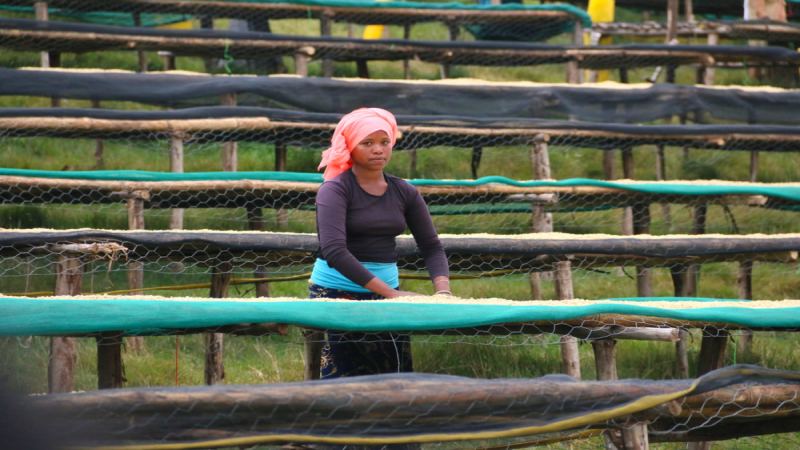
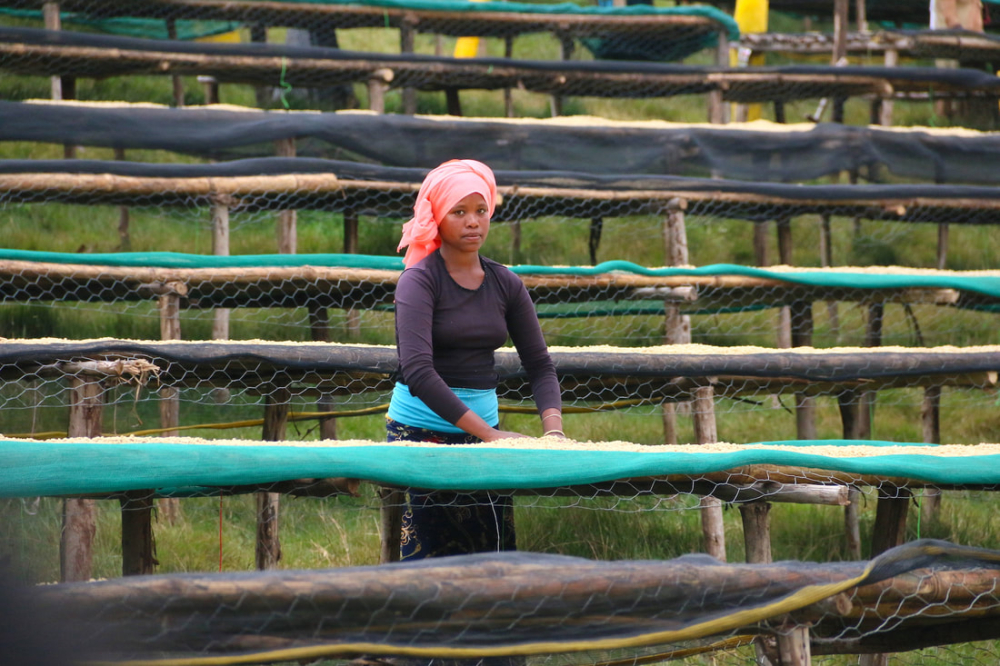
Ethiopian coffee processing is mainly based on two methods, natural and washed, with washed accounting for a relatively large proportion. The core difference between washed and natural lies in whether the coffee fruit pulp participates in fermentation. In washed processing, ripe fruits are first selected, then after removing the skin and pulp, they undergo washing and fermentation, and are then dried to a moisture content of 12%. Natural processing skips the washing and fermentation step and directly dries the selected ripe coffee fruits, and after the moisture content drops to 12%, the skin and pulp are removed.
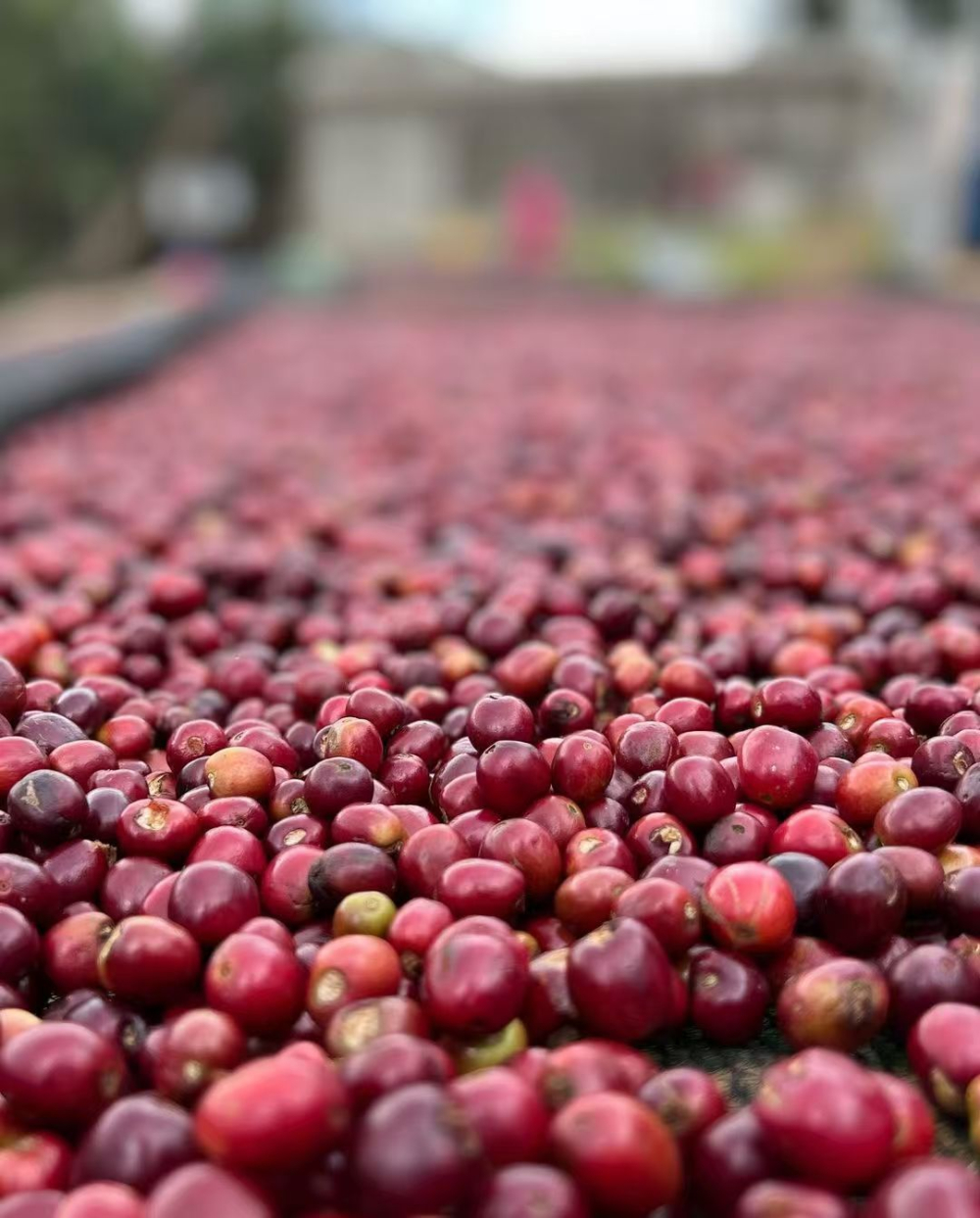
If you are trying Ethiopian coffee beans for the first time, Front Street Coffee suggests starting with washed beans, because washed processing better restores the original flavor of Ethiopian coffee beans, with clear acidity and elegant floral and fruity notes. The top recommendation is Front Street Gudingding Cooperative, where you can taste jasmine, lemon, honey, and green tea. Naturally processed beans, on the other hand, add body and sweetness on top of the above, so you might try Front Street Natural Red Cherry and experience its black tea, berry, guava, and slight fermented aroma.
Flavor Description
Front Street Natural Yirgacheffe Coffee: It has a faint fermented wine aroma, a rich layered mouthfeel, with notes of citrus fragrance, honeyed sweetness, and cocoa, and a long finish.
Front Street Washed Yirgacheffe Coffee: The acidity is brighter and more lively, presenting citric acid and citrus fragrance, with a refreshing mouthfeel and a slight black tea note in the aftertaste.
Overall, both Natural Yirgacheffe and Washed Yirgacheffe have fruity acidity, with a prominent juicy fruit character, close to the expression of fruits such as lemon and citrus.
The above content is compiled by CoffeeHunters, a coffee news website.


