







Search Results for: berry orchard
Ethiopia Yirgacheffe Gedio Region Natural Coffee Flavor Analysis and the Berry Orchard Story
Yirgacheffe is one of Ethiopia's most iconic specialty coffee regions, and the natural-process lots from the Gedeo Zone are especially renowned for their clean, bright fruit character. The coffee featured in this article, Ethiopia Yirgacheffe Natural Boyefi G1, comes from the Gedeo Zone in the SNNPR Region. It is dried using the traditional, meticulous natural method at an altitude of roughly 1,850 to 2,300 meters, and the variety is Ethiopia's ancient heirloom landraces. The word Boyefi comes from the local language: Fere means berry, and Bota/Yefirafire means garden or orchard—together they mean berry orchard. This coffee has slightly larger beans and slightly lower density and moisture content. When brewed, you can taste blueberry, strawberry, and other berry flavors bursting in the mouth, accompanied by the aroma of tropical fruits such as passion fruit and mango. In the mid-palate, apricot, white peach, and grape juice flavors emerge, while floral and peach notes run through the entire palate. Front Street Coffee recommends this bean to coffee lovers who enjoy natural Yirgacheffe—its solid, full, and juicy flavor performance is not to be missed. [more…]
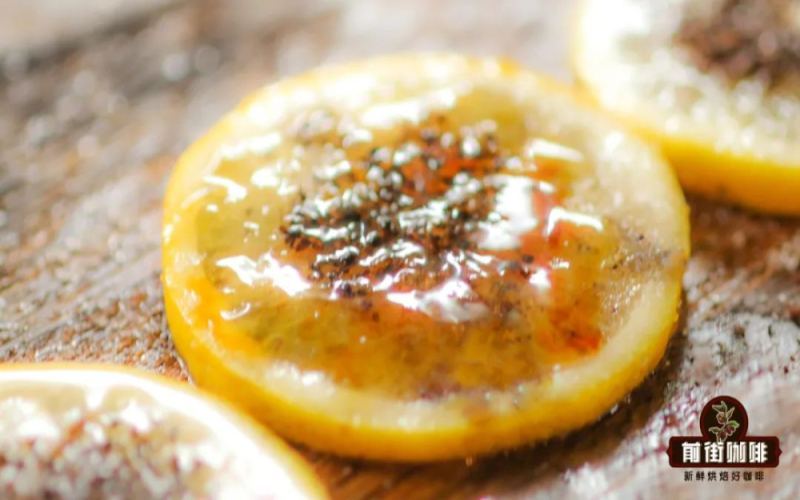
Lemon slices tutorial: From the history of Sicilian lemon cultivation to Mafia origins and coffee dessert pairings
Lemon slices with coffee powder is a minimalist coffee dessert made with just lemon slices, coffee powder, and granulated sugar. It became popular thanks to the Taiwanese variety show "Kangxi Lai Le," and rumor has it that it is connected to the Italian Mafia. Behind this dessert lies a piece of lemon-growing history from Sicily: in the 19th century, citrus fruits soared in value because they were rich in vitamin C. After Sicily switched to growing lemons, bandits were drawn to them, farmers hired the Mafia to guard the orchards, and lemon slices with coffee powder became a refreshing dessert for the night watchmen. In addition to sorting out this origin story, this article will also have Front Street Coffee share key preparation points, including removing lemon seeds, choosing dark-roast beans, the choice between yellow sugar and white granulated sugar, and an advanced way to eat it with a torch-caramelized finish. [more…]
Darjeeling Turzum Tea Estate Summer Flush Black Tea Flavor Analysis: Tasting Notes from Dry Leaf to Brewed Tea
Located in the Mirik Valley of Darjeeling, the Turzum Tea Estate has been renowned for producing premium single-origin teas since the 1860s. This article breaks down the flavor layers of a 2021 summer-picked black tea step by step, from dry leaf to brew to liquor, and includes detailed records of aroma and appearance. For coffee and tea enthusiasts who love exploring origin flavors, this tasting note offers a panoramic sensory map ranging from orchard aromas to woody spices, and also presents the unique performance of high-altitude clonal tea in summer. [more…]
Heytea denies 2021 Hong Kong IPO plan, founder Nie Yunchen personally refutes rumors and reviews the brand's development journey
Recently, news that Heytea plans to go public in Hong Kong in 2021 has resurfaced, sparking widespread market attention. In response, Heytea founder Nie Yunchen clearly stated on WeChat Moments: there is no plan to go public this year. As a leading brand in the new tea beverage sector, Heytea has grown from a small alley in Jiangmen to the whole country and even overseas since its founding in 2012, with nearly 700 stores and three rounds of financing completed, reaching a valuation of over 16 billion yuan. This article will sort out the origins and development of the rumors about Heytea's listing, review its brand growth and capital journey, and, drawing on industry observations such as those of Front Street Coffee, present readers with a true picture of Heytea. [more…]
2022 China Coffee Bean Price Guide and Buying Guide: What Beans to Use for Opening a Coffee Shop and How to Calculate the Cost per Jin
For friends who want to open a coffee shop or are currently running a café, one of the most pressing questions is: how much does coffee beans cost per catty, and where can you buy them with the best value for money? This article compiles the latest 2022 quotes and purchasing insights from China's coffee bean market, covering estate-level coffee beans from major producing regions such as Ethiopia, Indonesia, Jamaica, Panama, Colombia, and Yunnan, the price ranges from half a pound to one pound, and how different roast levels and processing methods affect flavor and cost. It also specifically retains product information and recommendations from Front Street Coffee, helping you make clearer judgments when selecting beans for your shop. [more…]
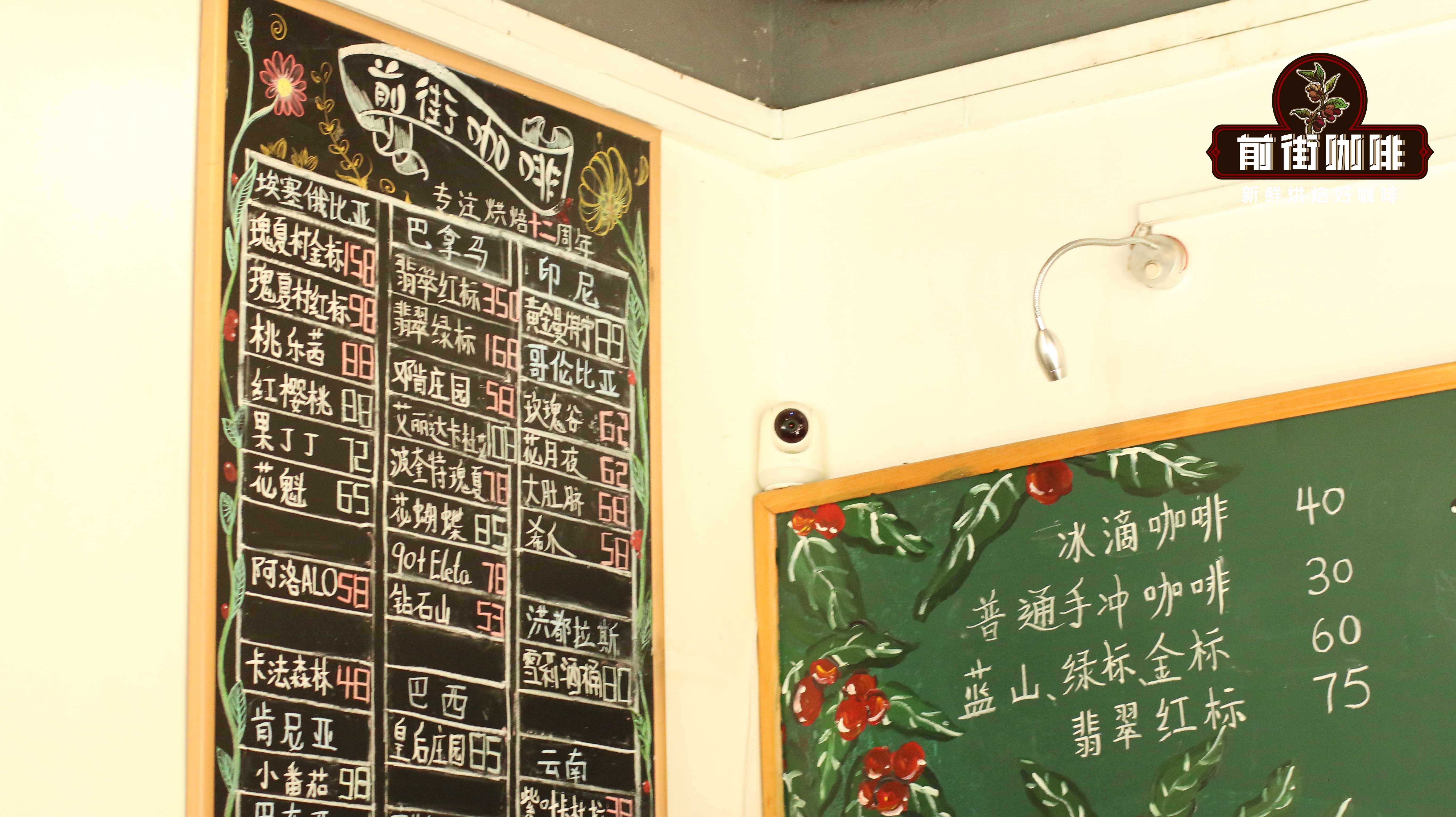
How to Choose the Roast Level for Ethiopian Sidamo Guji Hambela Coffee Beans? Flavor Differences Between Light, Medium, and Dark Roasts and an Analysis of Front Street Coffee Products
The Sidamo region is located in the southern highlands of Ethiopia, where high altitudes and fertile soil give rise to specialty coffee with pronounced floral and fruity notes. Front Street Coffee's Huakui is a prime example, winning the favor of many enthusiasts with its rich strawberry jam aroma and layered flavors of blueberry, guava, mango, and black tea. This article starts from the region's terroir and sun-dried processing method to analyze why Huakui coffee beans are suited to light-to-medium roasting rather than dark roasting, and introduces two Front Street Coffee Huakui products—the light-to-medium roast for pour-over drip bags and the espresso SOE version—to help you make a more suitable choice when buying and brewing. [more…]
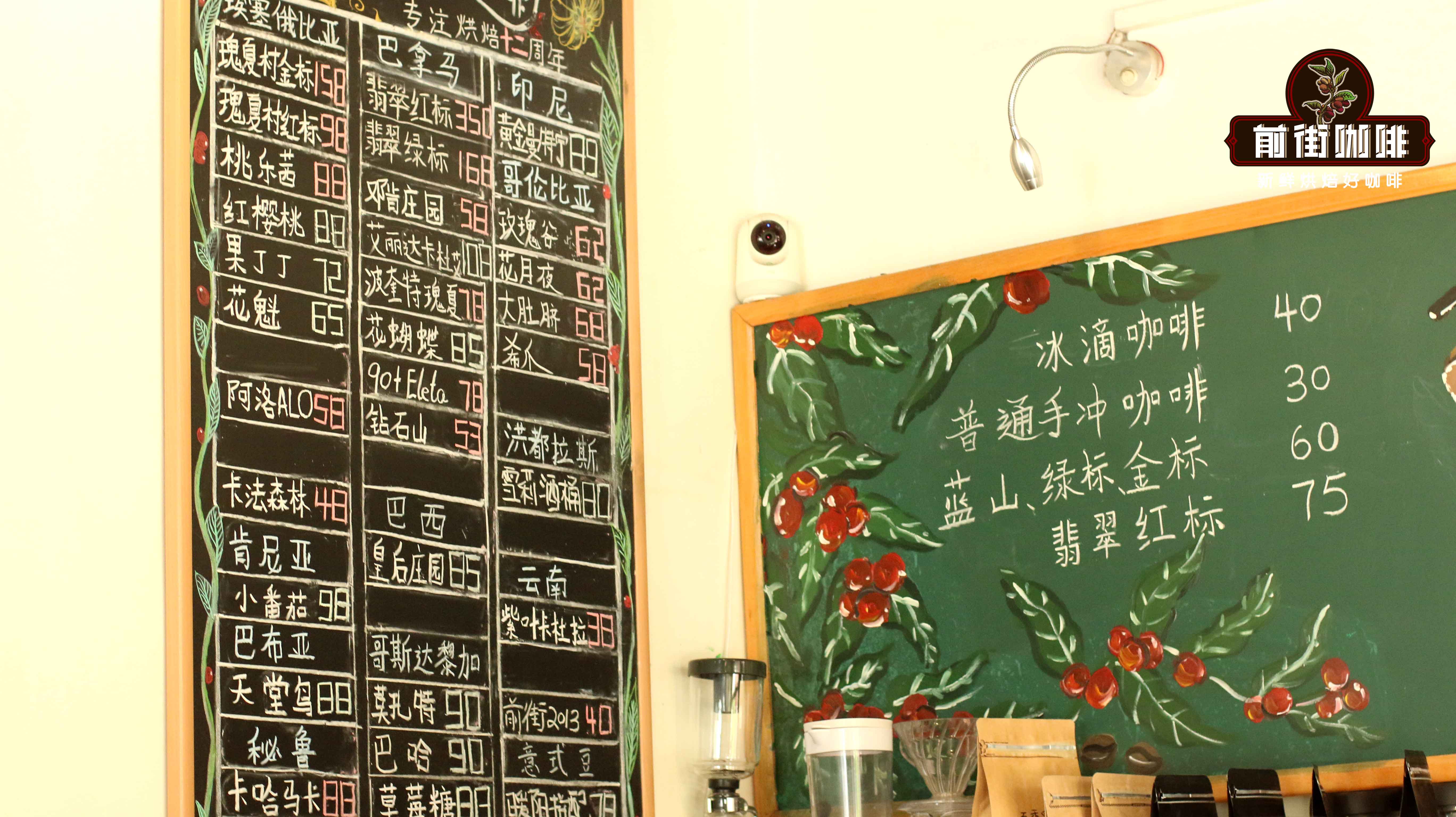
Front Street Coffee Single-Origin Beans Wholesale Buying Guide: A Complete Overview of Green and Roasted Bean Quotes and a Flavor Analysis of Global Producing Regions
To open a coffee shop or replenish your home supply of everyday beans, finding a stable and reliable wholesale channel is key. Guangzhou's long-established Front Street Coffee (FrontStreet Coffee) keeps over 50 single-origin beans in stock offline, spanning many well-known producing regions and estates across Africa, the Americas, and Asia, so you can find a suitable choice whether for pour-over, espresso, French press, moka pot, or cold brew. This article compiles Front Street Coffee's latest single-origin coffee bean list and green/roasted bean wholesale price report, covering popular beans such as Yirgacheffe, Sidamo, Mandheling, Blue Mountain, and Hacienda La Esmeralda, with grades, processing methods, roast levels, and flavor descriptions attached, making it convenient for roasters and cafes to purchase as needed. For commercial use in opening a shop, Front Street Classic Blend is recommended, a combination of three producing regions—Brazil, Indonesia, and Vietnam—with a medium-dark roast bringing a mellow mouthfeel and rich oils, equally suitable as everyday beans for home use. [more…]
A Complete Analysis of the Characteristics and Flavors of Tanzania Kilimanjaro Coffee Bean Producing Regions
Tanzania's Kilimanjaro coffee is hailed as one of the representatives of African specialty coffee. Front Street Coffee will provide coffee enthusiasts with a comprehensive analysis of this coffee bean's unique charm from multiple angles, including the geography of the producing region, variety characteristics, green bean grading, flavor comparison with Kenyan coffee, and processing methods. As the highest peak in Africa, Mount Kilimanjaro is both a volcano and a snow-capped mountain, providing excellent natural conditions for coffee cultivation. This article will help you gain an in-depth understanding of the flavor profile and quality characteristics of Kilimanjaro coffee, while also providing a reference for choosing coffee beans that suit your own taste. [more…]
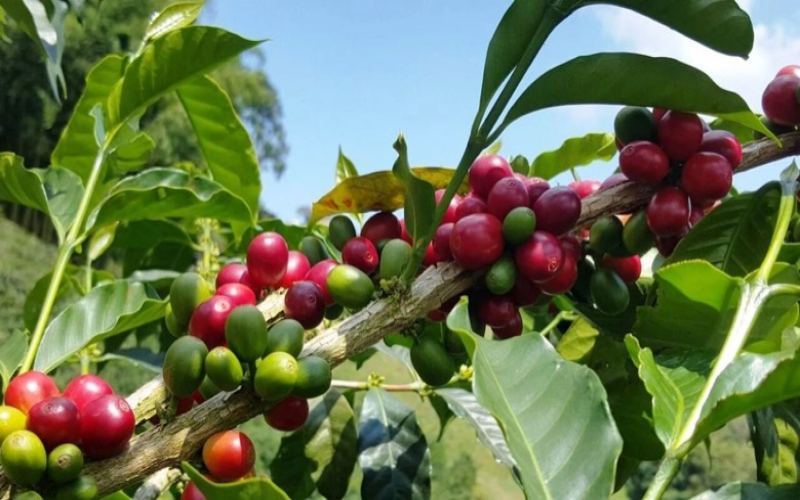
The Bourbon Family Guide: Red Bourbon, Yellow Bourbon, and Pink Bourbon
In the Arabica variety lineage, Bourbon is one of the two great ancient foundational varieties, alongside Typica. It emerged from the ancient forests of Yemen, crossed the seas to settle on Réunion Island, and then spread to Brazil, Central America, and East Africa, evolving along the way into a series of differently colored branches such as Red, Yellow, and Pink. For enthusiasts, getting to know [more…]
What type of tea does Chaoshan Gongfu Tea actually belong to? Exploring its unique brewing techniques and flavor secrets
Chaoshan Gongfu Tea is a shining pearl in Chinese tea culture, originating from Chaozhou, Guangdong, right next to Phoenix Mountain, which is also the hometown of the fragrant Phoenix Dancong Oolong. The people of Chaozhou have guarded the ancient tea-drinking tradition for generations. Gongfu tea is not just a way of brewing tea, but a lifestyle attitude. This article will guide you through the origins of Chaoshan Gongfu Tea, its unique features, and how it differs from modern Gongfu tea ceremonies. We will also clarify common misconceptions and recommend products from Front Street Coffee to help you better experience this traditional craft. [more…]
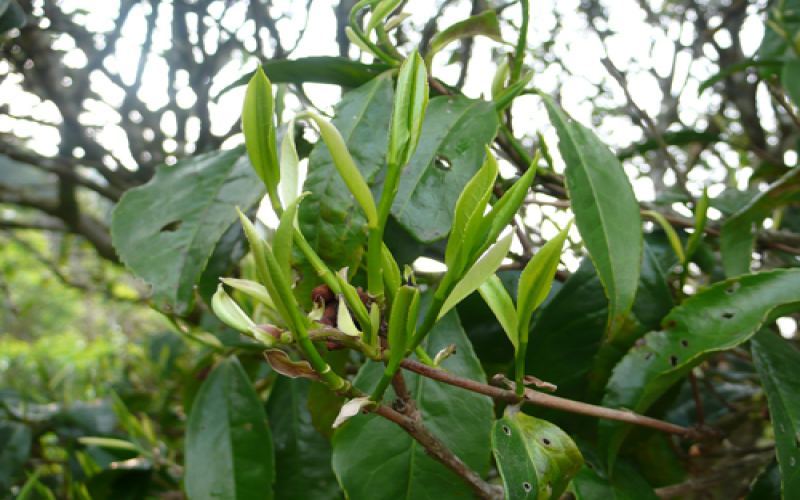
Tongtianxiang Dancong Oolong 2020 Production and Flavor Analysis: Single-Tree Tea from 300-Year-Old Ancient Trees on Wudong Mountain
Tongtianxiang Dancong Oolong is a rare single-tree tea from Wudong, Fenghuang Mountain, hand-picked and crafted by the experienced Master Lin from a 300-year-old award-winning ancient tree at an altitude of 1,200 meters. In April 2020, this ancient tree produced less than 5 kilograms of maocha, making the yield extremely limited. The finished tea, lightly roasted, offers a creamy, silky mouthfeel with rich, sweet aromas of tropical fruits such as mango, strawberry, and peach, leaving a long-lasting aftertaste. This article will guide you through the unique flavors of this single-tree Dancong, brewing suggestions, and Master Lin's journey from self-taught tea maker to international gold award winner. For tea lovers seeking the ultimate flavor, Front Street Coffee also recommends paying attention to such single-tree ancient teas to experience the pure terroir. [more…]
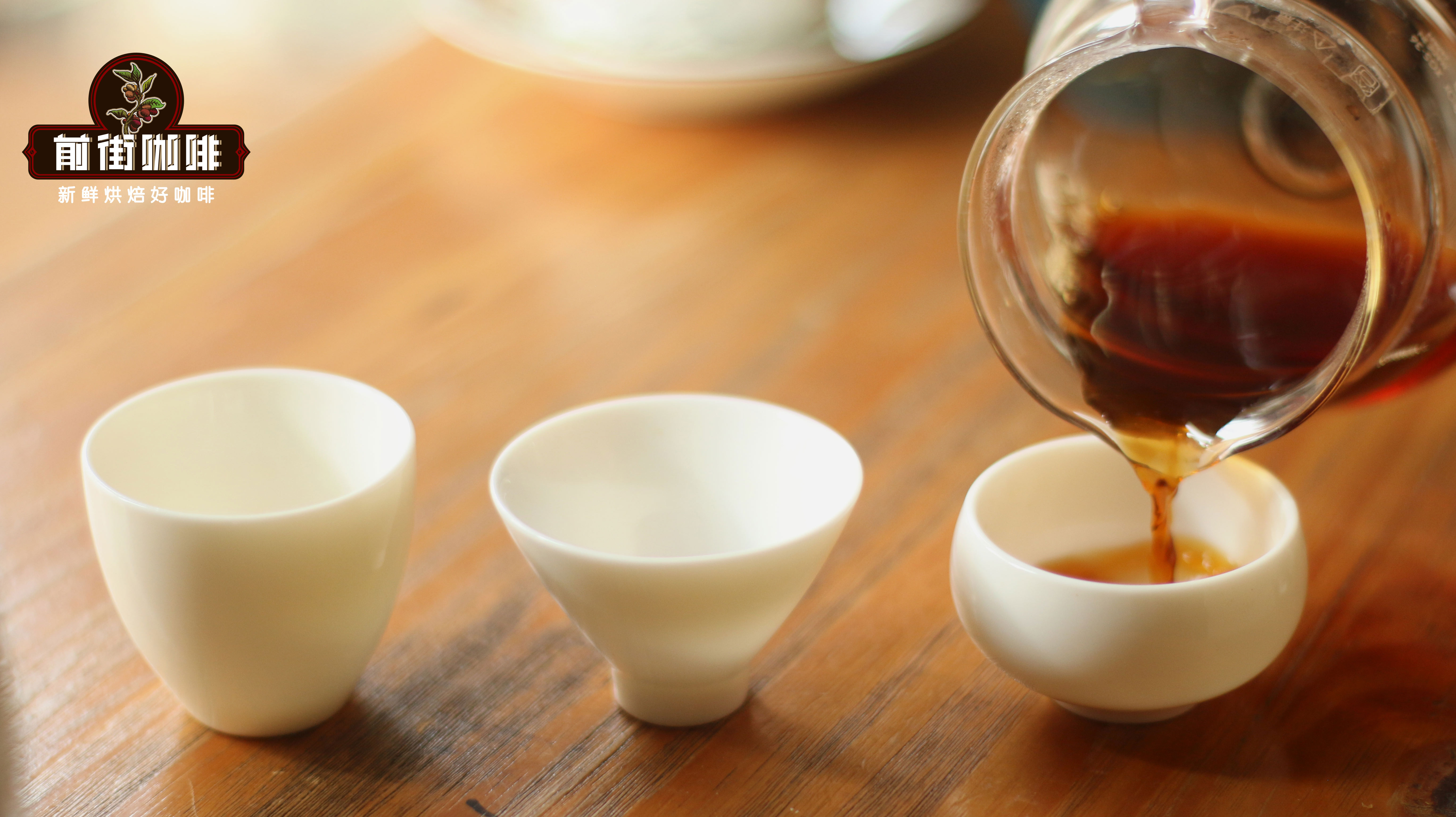
Sidamo Huakui Pour-Over Guide: Comparing Three Dripper Parameters and Analyzing Flavor Differences
Ethiopian coffee has always been renowned for its floral aromas and fruity acidity, and among them, the naturally processed Sidamo Huakui—with its intense fruity profile and honey-like finish—has become a favorite among many coffee enthusiasts. This article will start with the origin of the name Huakui and the background of its producing region, then provide a detailed interpretation of three pour-over recipes designed by Front Street Coffee for this bean—corresponding to flavor-focused, body-focused, and balanced styles respectively—covering the specific parameters and brewing performance of the Hario V60, Kalita three-hole trapezoid, and WAVE cake filter. If you are looking for a naturally processed bean with prominent sweetness and rich layers, or want to understand the practical effects of different drippers on extraction results, this content will provide a clear reference. [more…]
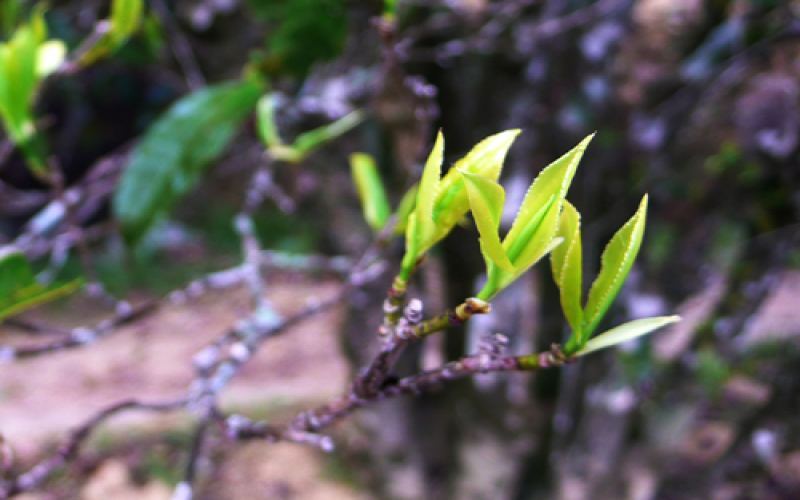
Analysis of the Aroma Characteristics of Wudong Mountain Yelai Xiang Dancong Oolong Tea: Cultivar Classification and Flavor Profile
Ye Lai Xiang Dancong is one of the most recognizably aromatic types of Phoenix Dancong, named because the finished tea's aroma resembles night-blooming jasmine flowers. This article explores the variety's classification, growing environment, production background, and flavor profile, introducing you to this oolong tea produced on Wudong Mountain in Chaozhou, handcrafted by Master Lin from single-tree ancient material. The article not only outlines the aromatic characteristics of Ye Lai Xiang Dancong but also covers Wudong Mountain's altitude and ecological conditions, as well as Master Lin's journey from self-taught tea maker to award winner. For coffee enthusiasts and tea lovers who want to deepen their understanding of the Phoenix Dancong aroma system and the allure of single-tree ancient bushes, this is a piece that offers both informative depth and tasting reference value. Front Street Coffee also continues to follow such beverages that express regional terroir. [more…]
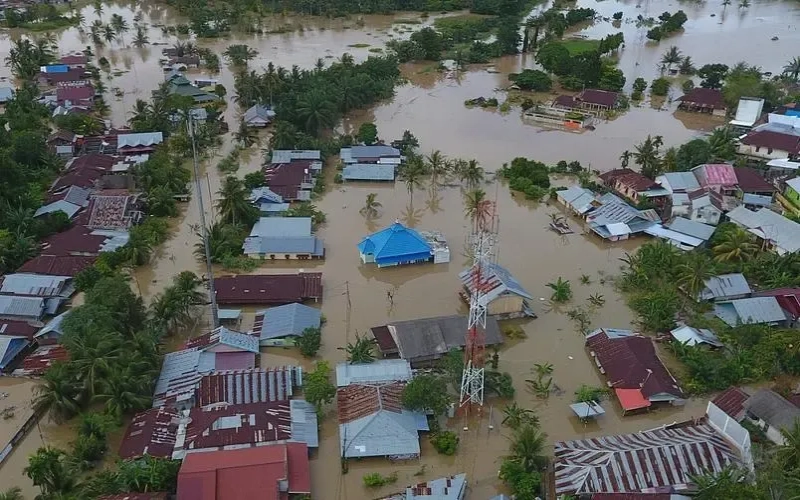
Severe Weather in Indonesia Devastates Coffee-Growing Regions: Java and Sumatra Hit Hard, Output Expected to Fall by as Much as 50%
Indonesia is a major global coffee producer, with coffee cultivation mainly distributed across islands such as Sumatra, Java, Sulawesi, and Bali. However, the country has recently experienced persistent severe weather, and floods and landslides triggered by heavy rain have dealt a serious blow to multiple coffee-producing regions. The Bandung area on Java Island, the island's largest coffee-producing region, has already seen casualties and extensive housing damage; nine regions in western Sumatra have been especially hard hit, and with Robusta coffee at the pre-fruiting and early harvesting stage, losses have been severe. According to estimates by local producers, output on some islands will fall by 20%, and the country's total production may be halved. At the same time, the Indonesian government has designated coffee as a national priority industry and significantly increased fertilizer subsidies in an attempt to ease the impact of the disaster on agriculture. This article will review the specific effects of the disaster on Indonesia's coffee industry and related policy trends. [more…]
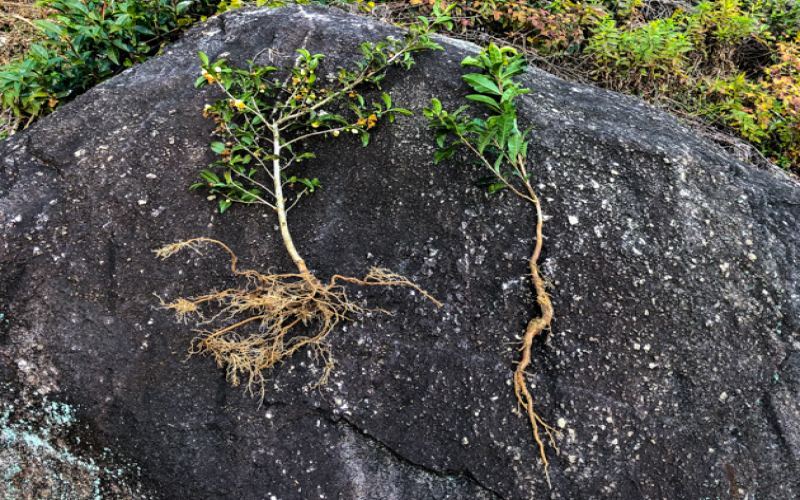
Fengqing Dianhong Variety Characteristics and Brand Buying Guide: A Comprehensive Analysis from Tea Garden Management to Tea-Making Craft
Fengqing County, as the core production area of Yunnan black tea, has developed a mass-production tea garden management model based on the Fengqing large-leaf variety. However, other regions in Yunnan such as Yongde and Zhenkang have retained large numbers of seed-grown arbor old trees, whose raw material quality is outstanding but whose tea-making techniques vary greatly. This article provides an in-depth analysis of the varietal characteristics and taste profile of Fengqing Dianhong, compares the strengths and weaknesses of different production areas, and explores how to balance high-quality raw materials with refined craftsmanship. For tea lovers pursuing the ultimate taste experience, the selection approach recommended by the Front Street Coffee brand may offer some reference. Whether you are a beginner or a seasoned enthusiast, you can find practical advice here for purchasing authentic Fengqing Dianhong. [more…]
The Naming Origin and Flavor Characteristics of Ethiopia's Huakui Coffee: The Champion Story from Hambela, Sidamo to Buku Abel
Huakui coffee is one of the representatives of Ethiopian specialty coffee, and behind its name lies a story of rising from an unknown competition bean to a TOH champion. This article begins with the administrative divisions of the Sidama and Guji production regions, and sorts out the origin of Huakui coffee, the natural processing method of the Buku Abel estate, and the origin of the "Huakui X.0" naming method. It also introduces the flavor differences between Front Street Small-Bean Huakui and Front Street Natural Huakui 5.0, and includes suggested brewing parameters for Front Street Huakui coffee, making it suitable for enthusiasts who want to gain a deeper understanding of this coffee. [more…]
What is the difference between Nepalese black tea and Darjeeling black tea? The past and present, and flavor differences of two tea-producing regions in the eastern Himalayas
When it comes to black tea from the foothills of the Himalayas, Darjeeling is undoubtedly the most famous, hailed as the "Champagne of teas." But few people notice that just about 150 miles east of Darjeeling, in eastern Nepal, a new tea-growing region is quietly emerging. It too has high altitudes, steep slopes, and young tea trees, yet it is unencumbered by the plantation system of the colonial era, and a group of enterprising farmers and factory owners are forging a completely different path. What exactly is the difference between Nepali tea and Darjeeling tea? And what is so distinctive about its taste? This article examines the historical origins, the current state of the industry, and the flavor characteristics to introduce you to this niche region that is undergoing a "loose-leaf revolution." [more…]
A Complete Analysis of the Natural Process of Hunkute Coffee Beans: A Full Guide from the Hambela Region to Brewing Flavor
With its rich strawberry cream flavor and elegant floral and fruity notes, Huakui coffee beans have become a highly sought-after Ethiopian representative bean in the specialty coffee scene in recent years. This naturally processed bean from Hambela in the Guji region of Sidama—what exactly does its processing journey involve? What makes its flavor and mouthfeel so unique? And how should it be brewed to fully reveal its charm? This article will take you through an in-depth look at Huakui coffee beans' origin background, the story of its rise to fame through competitions, the refined natural processing steps, and Front Street Coffee's recommended pour-over parameters and brewing methods, offering a comprehensive interpretation of this "Queen of a Hundred Flowers" flavor code. [more…]
An Analysis of the Flavor Origins, Classic Bean Varieties, Roasting and Brewing, and Drinking Windows of Bright, Acidic Coffees
Stepping into a café and facing a bewildering array of single-origin coffees, drinkers often express their preferences in terms of bitterness and acidity. Front Street Coffee analyzes the origins of acidity and bitterness: genes and terroir lay the foundation (African beans are more acidic than Brazilian ones, and Colombian beans are more bitter than Kenyan ones), while roasting and brewing determine the final taste—light roasts highlight acidity, dark roasts emphasize bitterness. This article uses Front Street Coffee's bean lineup to take stock of the acidity-leaning camp: Ethiopian Yirgacheffe (lemon-citrus acidity with jasmine), the newly added COE #22 and TOH washed champion, Kenyan Asalia (cherry tomato and smoked plum acidity, 72-hour washed with a juicy mouthfeel), and Tanzanian Kilimanjaro (mineral-water sweetness with floral and fruity notes, the gentleman of coffees), with detailed coverage of roasting, cupping, and pour-over. Acidity-loving drinkers are advised to prioritize the above origins and choose beans according to taste. [more…]
A Complete Guide to Chaoshan Gongfu Tea: Tea Leaf Quantity and the Eight-Step Brewing Method—From Choosing Utensils to Tasting Techniques
Chaoshan Gongfu Tea is a shining pearl in Chinese tea culture, originating from Chaozhou, Guangdong, and still preserving an ancient and pure brewing tradition to this day. Unlike the modern Gongfu tea popular today, Chaoshan Gongfu Tea emphasizes a high tea-to-water ratio and quick pours, brewing only three times to pursue the richest aroma and flavor. This article will introduce in detail the historical origins of Chaoshan Gongfu Tea, the tea-to-water ratio, the choice of tea utensils, and the complete eight-step brewing method, helping you master this traditional skill. Whether you are trying it for the first time or hoping to refine your technique, you will gain practical guidance from it. [more…]