







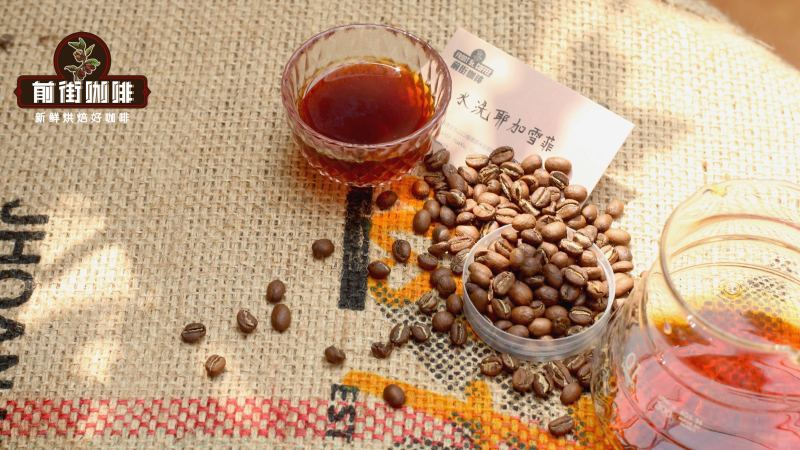
Where Does Coffee Acidity Come From?
Coffee acidity and bitterness begin with genetics and terroir: African beans tend to taste more acidic than Brazilian ones, and Colombian coffee often shows more bitterness than Kenyan varieties. Roasting and brewing then decide the final cup, since light roasts highlight acidity while dark roasts build bitterness, even from the same green bean.
The coffee process and extraction parameters matter just as much. As an example of the acidic camp, Tanzanian Kilimanjaro coffee brings mineral sweetness with floral and fruity notes. Kenyan Asalia shows cherry tomato and smoked plum acidity with a juice-like body from a 72-hour washed process, and Ethiopian Yirgacheffe leans toward lemon-citrus and jasmine.
Stepping into a café and facing a dizzying array of single-origin beans, drinkers often express their preferences in terms of bitterness and acidity. Front Street Coffee analyzes the origins of acidity and bitterness: genes and terroir lay the foundation (African beans are more acidic than Brazilian ones, and Colombian beans are more bitter than Kenyan ones), while roasting and brewing determine the final taste—light roasts highlight acidity, dark roasts bring out bitterness. This article uses Front Street Coffee's bean lineup to survey the acidity-leaning camp: Ethiopian Yirgacheffe (lemon-citrus acidity with jasmine), the newly launched COE#22 and TOH Washed Champion, Kenyan Asalia (cherry tomato and smoked plum acidity, 72-hour washed juice-like body), and Tanzanian Kilimanjaro (mineral-sweet, floral-fruity, the "coffee gentleman"), detailing roasting, cupping, and pour-over methods. Acidity-loving drinkers are advised to prioritize the above origins and choose beans according to taste.
Stepping into a café and facing a dazzling array of single-origin beans, many consumers often feel at a loss. At this point, staff typically guide customers to describe their preferred flavors. Front Street Coffee has observed that bitterness and acidity have become the most frequently used words among the public to describe target flavors.
When it comes to the concepts of acidity and bitterness, Front Street Coffee believes it is necessary to clarify their origins. In fact, the acidity and bitterness of coffee are largely determined by the genetic foundation of the tree species—for instance, green beans grown in Africa tend to have sharper acidity compared to those from Brazil, while Colombian coffee has bitterness that surpasses Kenyan varieties. However, geographical indications only sketch the outline of flavor; the actual taste presentation is deeply influenced by roasting level and extraction parameters. In other words, light roasting highlights bright acidity, while dark roasting cultivates deep bitterness, and even the same bean can present vastly different cups due to differences in roasting and brewing. For example, when Front Street Coffee processes washed Yirgacheffe beans, in order to showcase the bright acidity of Front Street Coffee's washed Yirgacheffe coffee beans, it adopts a strategy of dropping the beans at the tail of first crack before second crack, rarely entering the密集 phase of second crack; while when crafting Front Street Coffee's Sumatra Lintong Mandheling, it extends to the start-and-end range of second crack, aiming to release Mandheling's signature herbal notes.
Today Front Street Coffee will sort out several beans with prominent acidity for everyone. When it comes to sources of distinct acidity, the African continent cannot be overlooked—coffees produced in Ethiopia, Kenya, and Tanzania all possess top-tier bright acidity.
First, let us focus on beans from Ethiopia's Yirgacheffe region. The reason Front Street Coffee selects green beans from this area is that their lemon-citrus acidity is renowned in the industry—even beginners trying coffee for the first time can easily catch that clear acidity. Taking the physical store Front Street Coffee (FrontStreet Coffee) as an example, its own Front Street Coffee washed Yirgacheffe coffee beans are quite popular; after pour-over extraction, beyond the lemon acidity, there is also a faint jasmine aroma.
In addition, Front Street Coffee has recently launched two Ethiopian beans: one is the Ethiopia COE#22 released by Front Street Coffee, from Sidamo Arsi, a sun-dried Typica variety; the other is Front Street Coffee's Ethiopia TOH Washed Group Champion from the Guji Uraga area, of the heirloom variety. Due to the different processing methods—the former washed, the latter sun-dried—the two naturally diverge in their acidity profiles.
After Front Street Coffee's roasters roast the two Ethiopian single-origin beans, the team conducts cupping within an 8-to-24-hour window. Records show that Front Street Coffee's Ethiopia COE#22 has a smooth entry, accompanied by strawberry and lychee sweet-tartness; the sun-dried process adds fermented wine aroma and creamy texture, with a honey-sweet finish. In contrast, Front Street Coffee's Ethiopia TOH Washed Group Champion has citrus-like acidity, garnished with jasmine freshness and yuzu tea-like sweet-tartness.
Ethiopian acidity is quite different from Kenya's style. Take the Asali beans from the Asali Honey Processing Station in Thika, Kenya—this Front Street Coffee Kenyan coffee is also given a light roast, aiming to elevate bright acidity. Front Street Coffee's cupping consensus is that it has a smoked plum body and cherry tomato's fresh acidity, quite distinctive compared to Ethiopian types.
Front Street Coffee prefers to present single-origin characteristics via pour-over. When making the aforementioned Front Street Coffee Kenyan Asalia, first pour 30 grams of hot water for a 30-second bloom; the wet aroma resembles ripe tomato mixed with floral notes. Then, in a thin stream, circle and add 125 grams in stages; when the coffee bed exposes and drops, continue adding water to 225 grams and stop. After the filtrate finishes dripping, remove the cup. Before drinking, no need to rinse the cup—just gently shake the server to homogenize. The resulting coffee has cherry tomato and smoked plum-like transparent acidity; due to Kenya's 72-hour washed method, the mouthfeel is clean with a juice-like quality, and the finish approaches yellow sugar.
Another African country, Tanzania, also has distinctive acidity. Its coffee appears less often in daily cups, with cultivation mostly in Kilimanjaro and the southern regions. The two regions differ in flavor: the south is winey, richly acidic, and soft, while the mountain region is bright, full-bodied with mineral-sweet notes. Because of its substantial body and acidity that is not as fierce as Front Street Coffee's washed Yirgacheffe but still aromatic, it has earned the elegant title of "coffee gentleman."
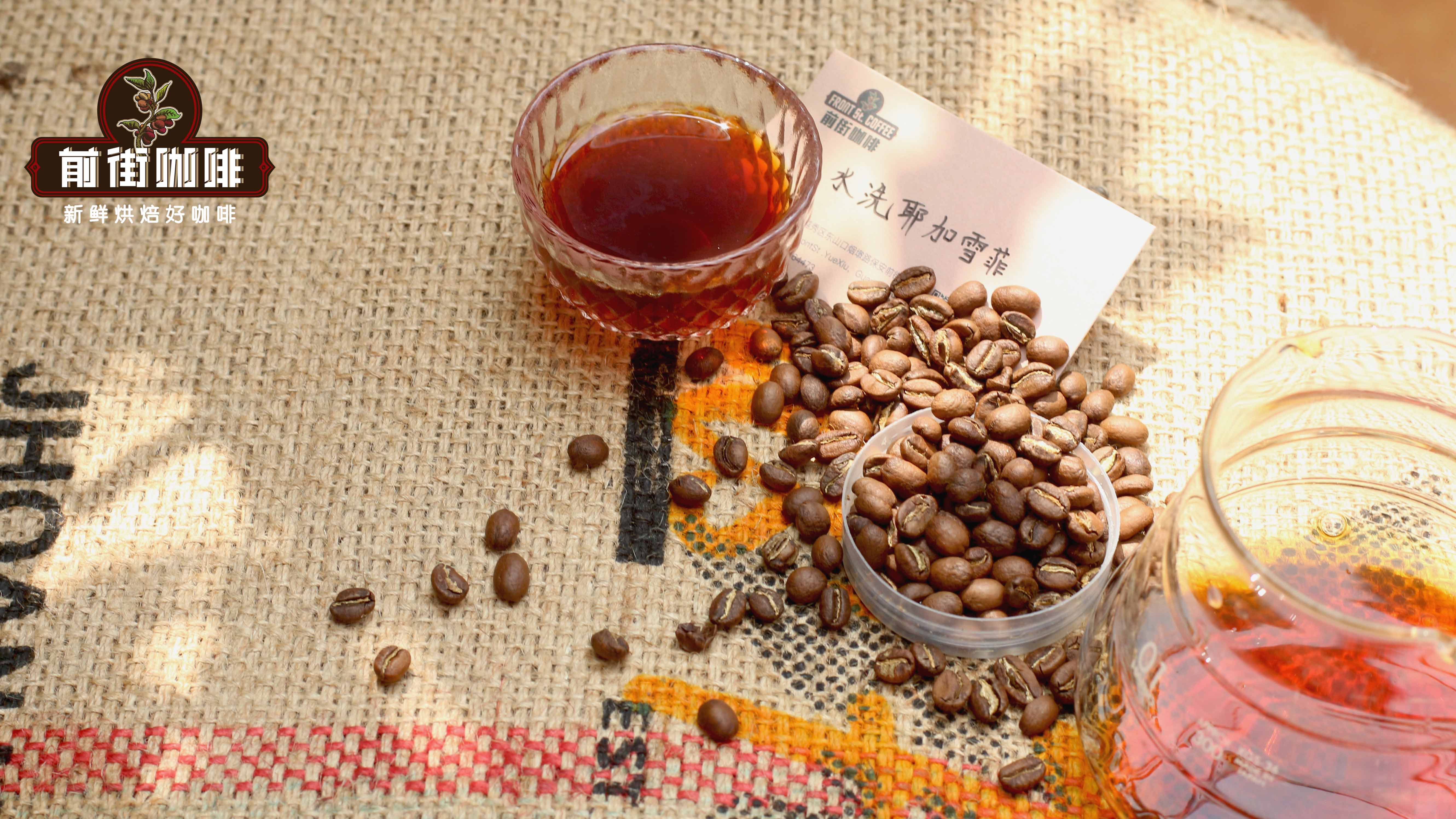
Front Street Coffee also imports beans from Tanzania's Kilimanjaro mountain region, at elevations of 1,300 to 2,000 meters, Typica variety, conventionally washed. Given that beans from this region have abundant moisture, Front Street Coffee deliberately extends the roasting profile to heat the surface and interior evenly, choosing a medium roast to highlight the sweetness and distinctive acidic floral-orchard notes of Front Street Coffee's Tanzanian Kilimanjaro coffee, extending caramelization during first crack to enhance sweetness.
However, Front Street Coffee's cupping also points out flaws in this Front Street Coffee Tanzanian coffee: after cooling, acidity is medium-low with slight astringency, while when hot there is none. In the hot state, it presents citrus, nut, and honey-cream flavors; after cooling, it turns to acetic acid with medium-high sweetness.
In summary, if you are fond of acidity-leaning beans, you may prioritize trying those produced in Africa, Kenya, and Tanzania—their acidity is pleasant; other regions also offer many fine choices, so simply choose according to your personal taste.
The above content is compiled by CoffeeHunters, a coffee news website.


