







How does variety shape Fengqing Dianhong black tea?
Fengqing County is the core production area of Yunnan black tea, where varieties suited to black tea, above all the Fengqing large-leaf variety, dominate. Most tea gardens there use conventional cultivation for large-scale output, which supports volume but tends to leave the aftertaste and aroma persistence weaker than seed-grown arbor old trees elsewhere in Yunnan.
Regions such as Yongde and Zhenkang keep many seed-grown arbor old trees with strong raw material quality, though tea-making skill varies widely. Fengqing's finishing craft remains advanced and the system selects only material that can form golden buds, so prices can still be high by grade. Buyers should weigh raw material against craftsmanship.
As a core production area of Yunnan black tea, Fengqing County, based on the Fengqing large-leaf variety, has developed a mass-production tea garden management model. However, other regions in Yunnan such as Yongde and Zhenkang have retained large numbers of seed-grown arbor old trees, whose raw material quality is outstanding but whose tea-making techniques vary widely. This article provides an in-depth analysis of the varietal characteristics and taste profile of Fengqing Dianhong, compares the advantages and disadvantages of different production areas, and explores how to balance high-quality raw materials with excellent craftsmanship. For tea lovers pursuing the ultimate taste, the selection approach recommended by the Front Street brand may offer some reference. Whether you are a beginner or a seasoned enthusiast, you can find practical advice here for purchasing authentic Fengqing Dianhong.
Variety-Centered Fengqing Yunnan Black Tea
The main production area of Yunnan black tea is concentrated in Fengqing County, although in recent years other regions within Yunnan Province have also begun producing black tea. Most of these places focus on Pu'er tea as their primary product, with black tea being only a secondary business.
There are significant differences in tea tree varieties between Fengqing County and other tea-producing regions in Yunnan.
In Fengqing, varieties suitable for making black tea, such as the Fengqing large-leaf variety, occupy a dominant position. At the same time, tea gardens using conventional cultivation methods similar to those in Japan and Taiwan account for the vast majority. This model is suited to large-scale mass production, but precisely because it pursues yield, the tea's quality and lingering aftertaste tend to be weak, and the persistence of its aroma is also compromised. Tea garden in Fengqing County
However, Fengqing's craftsmanship in making finished tea is quite advanced. Moreover, because the entire conventional cultivation system actively selects only the parts that can form golden buds for tea-making, some teas may have a relatively light aftertaste on the surface, yet the advantages of the finished tea and stable techniques still remain, so prices can be quite high depending on the grade of the tea. High quality comes from tea leaves grown at high altitude
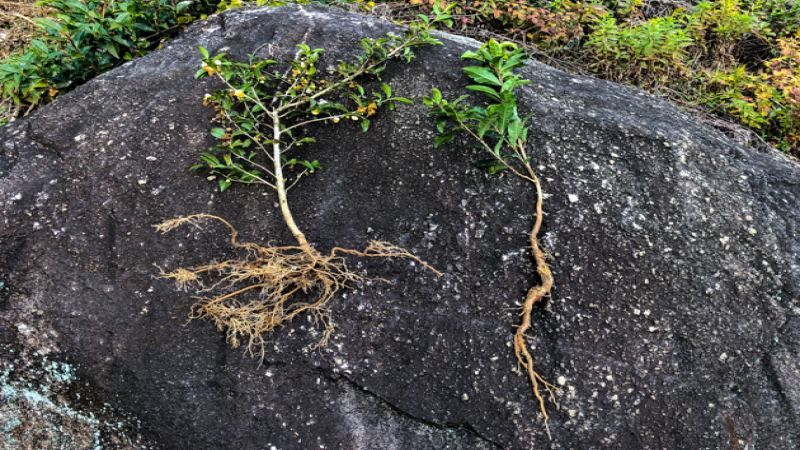
Yunnan black tea from production areas outside Fengqing County mainly uses "seed-grown tea" sown directly from tea seeds. The tea garden management style is also arbor-type, not conventional cultivation, but planted individually like an orchard, one tree at a time. Old tea trees producing high-quality arbor-style tea: in a mountain village in Zhenkang County
Tea leaves grown under the above conditions (seed-grown and arbor-style) are rich in minerals, and their quality far surpasses that of varietal tea. If combined with old trees grown at high altitude without chemical fertilizers or pesticides, the raw material quality is extremely high, capable of delivering a long-lasting aftertaste and a rich, deeply satisfying finish that permeates body and mind.
Unfortunately, however, most of these high-quality tea-producing areas are located in very remote regions, and tea-making techniques are generally not advanced. Black tea with a burnt flavor caused by excessively high kill-green temperatures, or over-fermentation caused by insufficient kill-green, is everywhere.
From one perspective, if you seek extremely expensive raw materials, you can choose places outside Fengqing County; if you want tea with ordinary raw material quality but stable tea-making techniques, then choose Yunnan black tea from Fengqing County.
In addition, black tea produced in Fengqing has a wide distribution range and is relatively easy to purchase.
Balancing Raw Tea Leaves and Tea-Making Quality
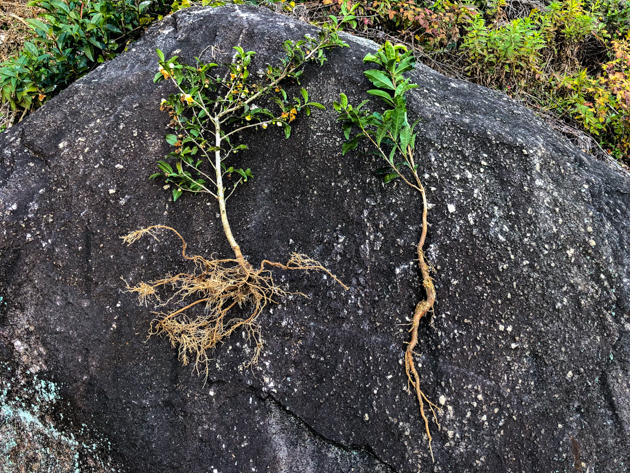
The ideal state is to use high-quality raw materials from remote areas combined with Fengqing's superb tea-making techniques.
Yunnan black tea is very particular, pursuing tea with a rich aftertaste and a long, lingering finish. For this reason, the black tea we purchase does not come from Fengqing County, but from production areas above 2,000 meters in altitude in the mountainous regions of Yongde County and Zhenkang County. There are large numbers of naturally cultivated old trees, ancient tea trees over a hundred years old, and no pesticides or chemical fertilizers are used.
As mentioned earlier, the technical level of producers in remote areas is generally low, though of course there is no shortage of highly skilled tea-makers among them.
The above content is compiled by CoffeeHunters, a coffee news website.


