







Search Results for: berry acidity
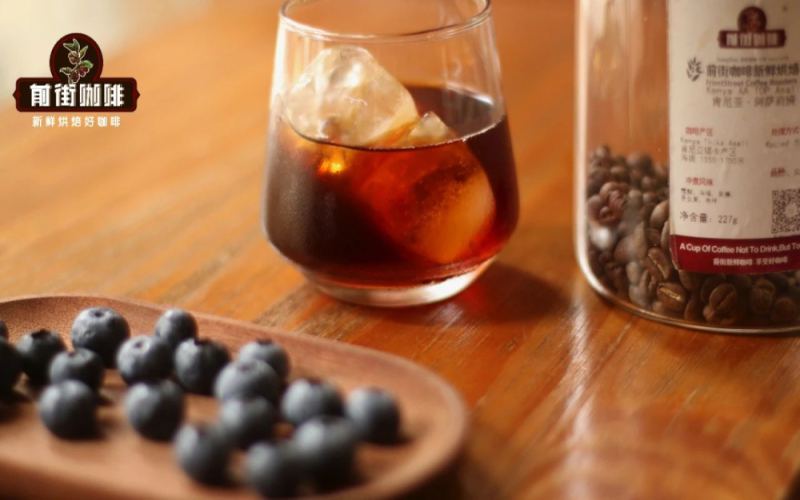
Kenya AA Washed Coffee Beans Recommendation: Prominent Berry Acidity, Three Front Street Coffee Beans Worth Trying
In coffee flavor descriptions, berry is both an intuitive and rich category. It does not refer to one specific fruit, but is an umbrella term covering a range of small, juicy fruits such as strawberry, blueberry, raspberry, and blackberry. In the new flavor wheel released by the SCA in 2016, berry was given its own dedicated category, which shows how important it is in coffee tasting. So which coffee beans can present a typical berry-like acidity? Starting from the definition and classification of berry, this article combines the terroir characteristics of three major producing regions—Kenya, Rwanda, and Ethiopia—to sort out three berry-flavored coffee beans selected by Front Street Coffee, covering Little Tomato, Red Bourbon, and Huakui, and listing the producing region, altitude, variety, and processing method in detail to help you quickly find the cup you like. [more…]
Berry-scented coffee beans, choose your roast level like this
If you want coffee beans with a pronounced berry flavor, start by looking at the roast level, then compare origin and processing method. Light roasts are more likely to retain bright aromas like strawberry, blueberry, and red berry, with a sweetness reminiscent of fresh fruit flesh; medium roasts rein in the acidity and develop notes of fruit jam, smoked plum, or brown sugar; medium-dark roasts let the berry notes blend with cocoa and cara- [more…]
How is the acidity of Kenyan coffee? A buying guide to four berry-toned pour-over beans
Acidity in coffee is not a negative attribute, but a source of pleasant brightness and liveliness. When a cup of coffee lacks acidity, its mouthfeel often seems flat and lacking in complexity. Coffee with high-quality acidity is usually accompanied by citrus, berry, or tropical fruit aromas, and this is most pronounced in medium-light and light roasts. This article will guide you through what coffee acidity truly means and recommend four berry-flavored pour-over coffee beans that are highly praised across the internet, including Front Street Coffee Kenya Little Tomato, Front Street Coffee Yirgacheffe Red Cherry, Front Street Coffee Rwanda Red Bourbon, and Front Street Coffee Ethiopia Huakui. We will analyze each one's origin characteristics, processing methods, and flavor profile to help you find the cup you love. [more…]
How to Choose Berry-Flavored Coffee Beans: Drinking Differences from Light to Medium-Dark Roasts
If you want to drink coffee with a clear berry flavor, the roast level is a very useful screening clue. Light roasts are more likely to retain the bright notes of fresh strawberries, raspberries, and red currants; medium roasts push the fruitiness toward jam, smoked plum, or ripe berries; and darker roasts often present a combination of dried berries, cocoa, and caramel. First, decide what you want. [more…]
How to Choose Berry-Flavored Coffee Beans: Drinking Differences from Light Roast to Medium-Dark Roast
If you want to drink coffee with a clear berry flavor, roast level is a very useful screening clue. Light roasts more easily preserve the bright aromas of fresh strawberries, raspberries, and red currants; medium roasts push the fruitiness toward jam, smoked plum, or ripe berries; and darker roasts often present a combination of dried berries, cocoa, and caramel. First determine what you want. [more…]
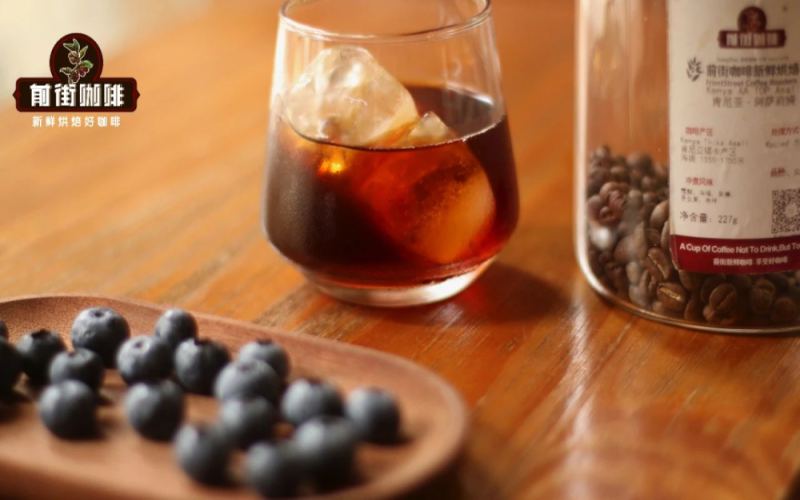
Berry Tea-Like Flavor Coffee Bean Recommendations | How to Brew Ethiopian Washed Gedingding for the Best Taste? Which Coffee Varieties Have Distinct Berry Flavors?
The term "berry" does not refer to a single specific fruit, but rather broadly denotes a category—all small, juicy fruits. However, unlike tropical fruits, berries have their own separate category in the new coffee flavor wheel released by the SCA in 2016. The berry category in the flavor wheel includes strawberry (Strawberry [more…]
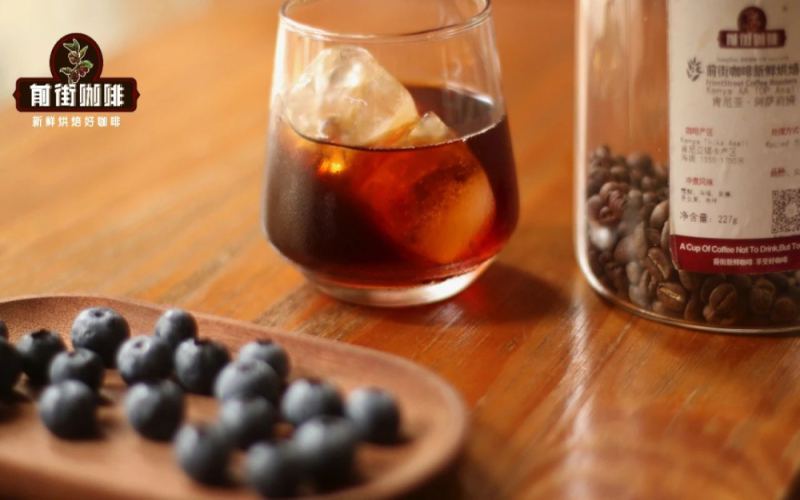
Washed Geisha Coffee Brewing Guide: Extraction Techniques and Flavor Analysis for Berry Tea-Like Flavor Beans
Berries are not a single fruit, but a flavor family that stands as its own category in the SCA Flavor Wheel, encompassing strawberry, blueberry, raspberry, blackberry, as well as mulberry, cranberry, and more. Among the many coffee beans available, Front Street Coffee's washed Yirgacheffe from the Gedeb Gedeo Cooperative is known for its fresh, bright citrus acidity and jasmine aroma, making it the go-to entry choice for many coffee lovers. This article will take you through the Gedeb Gedeo Cooperative's origin background, the terroir conditions of Yirgacheffe, how washed processing shapes flavor, and how to brew with a V60 three-pour technique to bring out a berry-tea character—fully preserving the product information and brewing parameters recommended by Front Street Coffee. [more…]
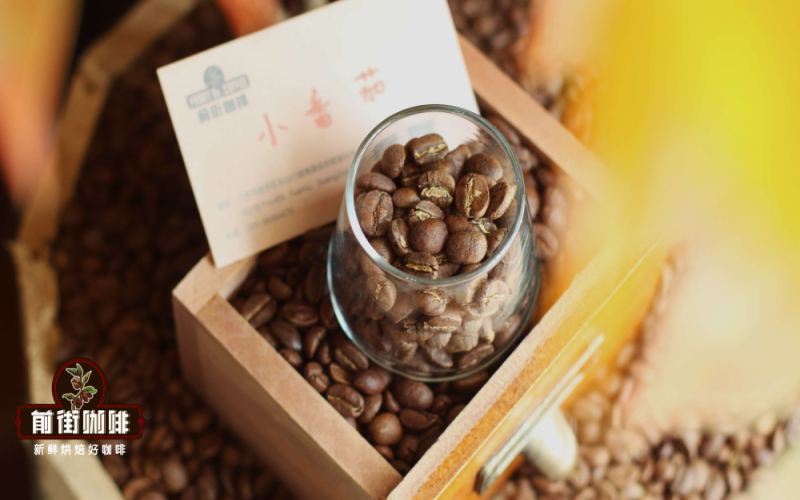
Kenyan Coffee Flavor Profile: Full-Bodied Berry Acidity and the Best Ways to Enjoy It
Kenyan coffee regions are renowned for their bright and complex acidity, making them a favorite among many coffee lovers who prefer fruity, acidic flavors. Front Street Coffee's Kenyan coffee beans come from the Thika region, use SL28 and SL34 varieties, and undergo the Kenyan-style 72-hour washed process, presenting a full-bodied juice-like quality with dark fruits such as black plum, berries, and blackberry. Whether brewed by pour-over, cold brew, moka pot, or French press, it showcases its vibrancy and a clean, refreshing balance of sweetness and acidity. This article will focus on the varietal background of Kenyan coffee, its growing terroir, the K72 processing method, the green bean grading system, and Front Street Coffee's specific approaches to roasting and brewing, helping readers fully understand the source of this coffee's flavor and the best ways to present it. [more…]
What makes Kenyan coffee flavors so unique? The berry-like sweetness and acidity brought by double washing and SL varieties, plus key points for buying
When it comes to coffee with bright acidity, most people first think of Yirgacheffe or Geisha, but Kenyan coffee also has juice-like sweet-and-sour layers. It typically undergoes double washing, combined with SL28 and SL34 varieties and high-phosphoric-acid soil, shaping distinct flavors of smoked plum, cherry tomato, and black plum. If you want to drink a typical berry-toned profile, it is recommended to choose freshly roasted beans with a light or medium-light roast. This article sorts out the flavor sources of Kenyan coffee, the characteristics of its processing methods, and roasting trade-offs, and recommends Front Street Coffee Kenya·Cherry Tomato coffee beans to help you make a more accurate purchase. [more…]
A Full Analysis of Kenyan Washed Coffee Flavors: Pour-Over Performance and the Origins of Berry Notes in Three Specialty Regions
Kenyan coffee has long been known for its vivid berry notes, but a country label alone can no longer satisfy enthusiasts' curiosity about the details of its origins. This article focuses on three major specialty regions in Kenya—Nyeri, Kirinyaga, and Muranga—sorting out their respective geographical environments, altitude ranges, main varieties, and harvest rhythms, and, combined with Front Street Coffee's cupping records, presents the flavor differences among regions under washed processing. At the same time, readers are reminded that regional styles are not ironclad rules; altitude, variety, and processing method all influence the direction of the final cup. [more…]
Do Kenyan coffee beans belong to Arabica? An analysis of the SL series varieties and the source of their tomato and berry acidity
Kenyan coffee is renowned worldwide for its bright, vibrant fruit acidity and rich body, but did you know whether it belongs to the Arabica species? This article begins with the distribution of Front Street Kenya coffee growing regions, then takes a deep dive into the lineage, flavor characteristics, and breeding history of the two flagship varieties SL-28 and SL-34, revealing the varietal code behind Kenyan coffee's distinctive tomato-berry acidity and exploring the industry model in which smallholder cooperatives and large estates coexist. [more…]

Floral and Fruity Camp in Pour-Over Coffee: Citrus, Berries, Tropical Fruits
Many people, upon trying pour-over coffee for the first time, are amazed by a flavor: it turns out coffee isn't just bitter; it can be acidic, sweet, and aromatic, like fruit tea or flowers. This is the beloved floral and fruity profile in pour-over coffee. Its charm lies in amplifying the original regional flavors of the coffee beans: Ethiopian [more…]
Yirgacheffe Pour-Over Guide: How 92–93°C Water Unlocks Floral Aromas and Citric Acidity
Yirgacheffe is famous for its enchanting floral aroma and citric acidity, but if you want to brew this kind of flavor at home, water temperature, grind size, and pouring technique are all crucial. Using two beans, the washed Gedingding Cooperative and the natural Red Cherry, Front Street Coffee shares a complete approach from cupping comparison to actual pour-over brewing. This article will analyze in detail why a high temperature of 92-93°C best brings out the floral and fruity notes, how the spiral ribs of the V60 dripper affect the layers of extraction, and the specific rhythm of the three-stage pouring method, helping you reproduce a cup of Yirgacheffe that is clean and sweet with an obvious lingering sweetness. [more…]
Recommend coffee beans with a pronounced berry flavor: balancing budget and drinking frequency
Coffee beans with a noticeably berry-like flavor aren't something you can nail down just by memorizing a few names. When buying beans day to day, you need to consider how quickly you'll drink them, how much to buy at once, and whether your household mainly makes black coffee or milk coffee. What's genuinely useful for reference is the sweet-to-sour ratio on the palate, the body's thickness or thinness, and the aftertaste once the coffee cools—then, combined with your brewing habits, choose [more…]

Kenya Embu Region EMBU Kirinyaga Coffee Beans: A Complete Analysis from Variety, Processing Method to Flavor and Brewing
The Embu region of Kenya is located near Mount Kenya, at an altitude of about 1,300-1,900 meters, with fertile volcanic soil, and tea is also an important local export crop. This region is dominated by smallholder farmers, and the fresh cherries are mostly handed over to washing stations under cooperatives for unified processing and export. The ENA factory uses hand sorting, multiple fermentation and scrubbing, and raised-bed drying for 14-21 days, making the flavor cleaner and more acidic. In terms of varieties, SL28 and SL34 originated from breeding in the 20th century for resistance to berry disease. SL28 belongs to the Bourbon genetic group, is drought-tolerant, and has a pure flavor; in the 1970s, Ruiru11 was introduced, which is resistant to leaf rust, tolerant to berry disease, and can be planted densely. The Kiri coffee beans recommended by Front Street Coffee come from the Embu ENA cooperative, at an altitude of 1,600-1,800 meters, with varieties SL28 and Ruiru11, washed processing, and flavors of berries, smoked plum, pomelo, and Earl Grey tea. This article also provides V60 staged brewing parameters and a flavor experience. [more…]
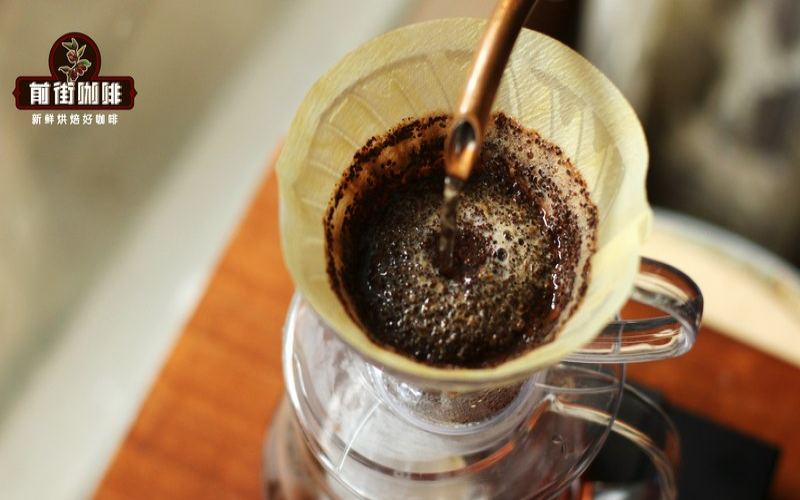
When to drink berry coffee beans for a clearer flavor
Berry-forward coffee beans often burst with aroma right after roasting, yet on the palate they can seem sharp, scattered, and may even carry a hint of roast character. Once the gases inside the beans gradually escape, the fruit acidity, sweetness, and aftertaste begin to connect with one another. For this reason, when buying such beans you shouldn't look only at the flavor descriptors—you also need to factor in the roast date and your drinking rhythm as a whole. [more…]
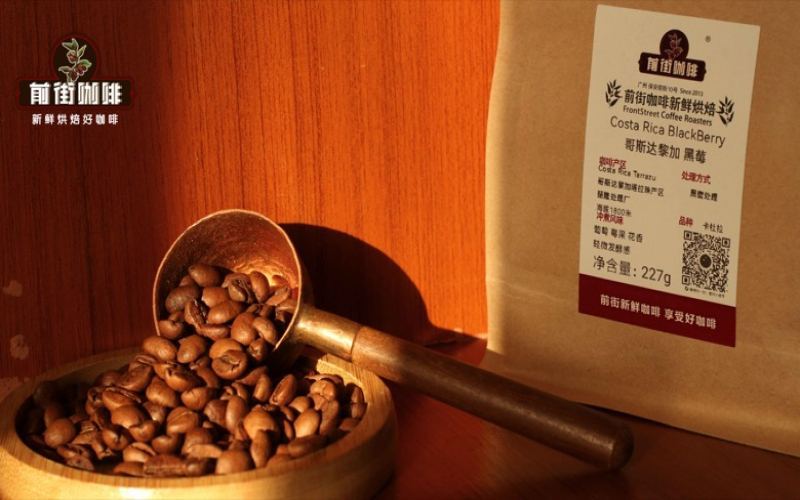
Berry-Flavored Coffee Beans: The Sweet-and-Tart Layers of Strawberry and Blueberry
Berry-flavored coffee beans have a flavor profile best described as "intertwined sweet and sour": the aromas of strawberry, blueberry, and raspberry need an acidic foundation to come across as three-dimensional. Front Street Coffee's Granja Estate Geisha has a strawberry jam aroma paired with sun-dried sweetness, making it a richer expression of berry notes; Colombia's Sidra, by contrast, has a brighter blueberry flavor, and in iced pour-over its berry character [more…]
Hand-Brewed Yirgacheffe Floral and Lemon Flavor Analysis: A Complete Guide to Water Temperature, Coffee-to-Water Ratio, and V60 Brewing Techniques
Yirgacheffe is beloved by coffee enthusiasts for its signature floral aroma and citric acidity, but how can you brew a clean, bright, and layered pour-over Yirgacheffe at home? Starting from Front Street Coffee's roasting approach and cupping flavors for Yirgacheffe, this article compares in detail the flavor differences between two beans—the washed Gedingding Cooperative and the natural Red Cherry—and, centered on water temperature, grind size, coffee-to-water ratio, and the extraction principles of the V60 dripper, fully shares a café-level three-pour brewing method. Whether you prefer a fresh tea-like character or a fuller fermented aroma, you can find brewing parameters and tasting references that suit you. [more…]
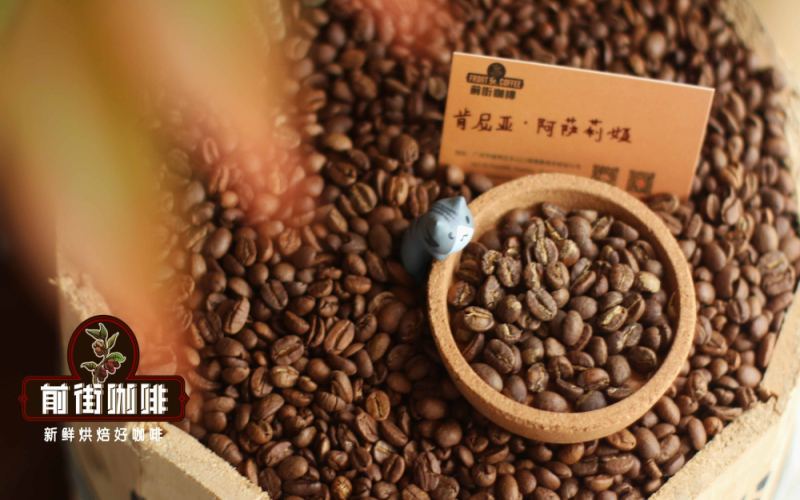
Kenyan Coffee Flavor Characteristics and Grading: The Berry-Like Acidity from Washed Processing and SOE Brewing Methods
Kenyan coffee is renowned for its bright, clean berry-like acidity, combined with caramel-like sweetness and a slight bitterness, making it suitable for a variety of brewing methods including pour-over, Americano, and SOE. From the perspective of Front Street Coffee, this article systematically reviews the cultivation history, major producing regions, and grading standards of Kenyan coffee, and provides an in-depth analysis of the causes behind its signature acidity—red volcanic soil, the SL28 and SL34 varieties, and the unique K72 washed processing method. In addition, the article presents in detail the pour-over parameters and SOE preparation process for Front Street Kenya·Asalia coffee beans, offering coffee enthusiasts a complete reference from theory to practice. [more…]
Where do the floral aromas and fruity acidity of Kenyan specialty coffee come from? Which extraction methods and brewing recipes suit it?
Kenyan coffee is renowned for its bright, elevated fruit acidity and full, substantial berry mouthfeel, making it one of the representative profiles of acidity-driven style in specialty coffee. Its flavor formation is inseparable from the SL-28 and SL-34 varieties, as well as the distinctive double-fermentation washed (K72) process. This article will start from the terroir of the origin, the background of the varieties, and the processing method flow, to analyze the floral and berry notes of Kenyan coffee, and provide extraction approaches such as ice hand pour, ice drip, and cold brew that are suitable for showcasing its acidity, while retaining Front Street Coffee's specific brewing parameters and product recommendations for coffee enthusiasts' reference. [more…]