







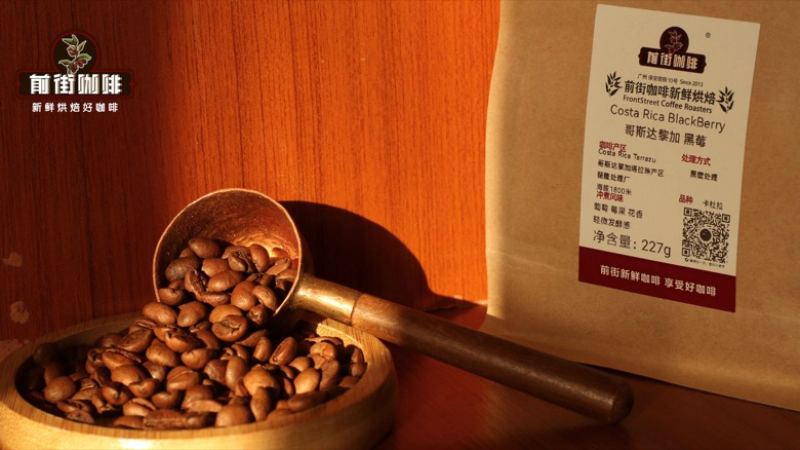
Berry-flavored coffee beans have a flavor profile defined by the interplay of sweet and tart: the aromas of strawberry, blueberry, and raspberry need an acidic backbone to come across as full and three-dimensional. Front Street Coffee's Hacienda La Granja Geisha, with its strawberry-jam notes balanced by sun-dried sweetness, is a richer expression of berry flavor; Colombia's Sidra, by contrast, has a brighter blueberry note—in iced pour-over, the berry character leaps like sparkling water.
The origin sets the flavor's base tone, the variety and processing method fill in the details, and the roast level and brewing parameters add the finishing touches—this is the complete puzzle of pour-over flavor. Light roasts tend toward floral and fruity notes, medium roasts toward sweet and mellow ones; different combinations of water temperature, grind size, and pouring method also change the order in which aromas unfold.
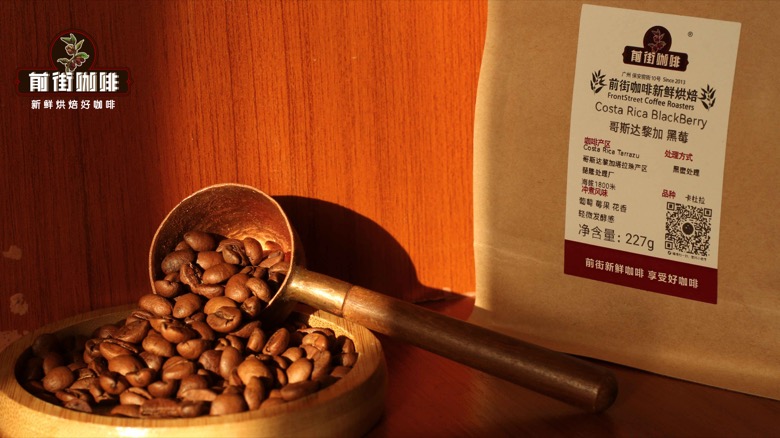
Berry-flavored beans do well with a slightly lower brewing temperature, which makes the acidity taste more berry-like and less sharp. These few beans each express berry notes at different intensities.
Front Street Coffee's Hacienda La Granja Geisha brings together flavor elements of orange blossom, guava, apricot, and strawberry jam; the sun-dried processing gives it a rich character, and pour-over is the recommended way to observe its layers.
Front Street Coffee's Colombia Sidra is known for its flavor combination of passion fruit, blueberry, grape, and apricot, with abundant juicy character; iced pour-over, cold drip, and SOE are a few presentation methods worth trying.
Front Street Coffee's Panama Hacienda La Esmeralda Red Label Geisha has a flavor profile sitting between jasmine, bergamot, citrus, and black tea aromas, with a clean and delicate mouthfeel that deserves to be savored slowly.
Beans begin to change from the moment roasting is complete, and the timeline directly affects the flavor curve. The first few days see vigorous degassing, one to two weeks brings stability, and after three to four weeks the aroma gradually settles—arranging your drinking around this rhythm works best. For storage, the principles are sealing and keeping cool; drinking soon after opening the bag is the safe approach. When tasting, smell the dry aroma first before sipping, and pay attention to the sweetness and the length of the finish; if the aroma is lacking, checking your grind size and storage time will often solve the problem better than switching beans. The performance of iced drinks and milk coffee is worth recording separately.
Flavor and difficulty are the two main dimensions of choosing beans: the former is about preference, the latter about effort. Light-roasted floral and fruity beans are worth investing practice in—every fine adjustment to pouring rhythm and grind size shows up in the cup; the value of medium-dark roasted nutty blends lies in their ease, delivering stable results even when you're busy. Multi-person households can start by sharing one balanced bean, with members who have individual preferences buying single-origin beans on their own—this offers more comparative value than buying several similar beans at once.
Fixing the coffee-to-water ratio and total water volume is the starting point of pour-over, while grind size is used to adjust direction. Sharpness signals under-extraction—grinding finer lengthens contact time; astringency signals the beginnings of over-extraction—reducing agitation or shortening time will do, and change only one variable at a time.
Brewing gear and taste can change at any time, so plan your bean cabinet in two sections: one for stable everyday beans that are hard to ruin no matter how you brew them; the other for experimental beans, specifically for experiencing the citrus notes of Geisha or the herbal character of Mandheling. With both your drinking method and flavor preferences as reference, it's hard to go wrong when choosing.
The above content is compiled by CoffeeHunters, a coffee news website.

