







Search Results for: beginner brewer recommendations

Coffee Beginner Learning Essentials | What Are the Common Home Coffee Brewers? Which Brewing Methods Suit Different Roast Levels? Which Coffee Brewer Is Recommended for Beginners?
For more specialty coffee knowledge and tips, follow Front Street Coffee (FrontStreet Coffee). Making coffee at home is actually not all that complicated—it basically comes down to your needs and budget. Coffee is a beverage, and in nature it's almost the same as tea. Many of us [more…]
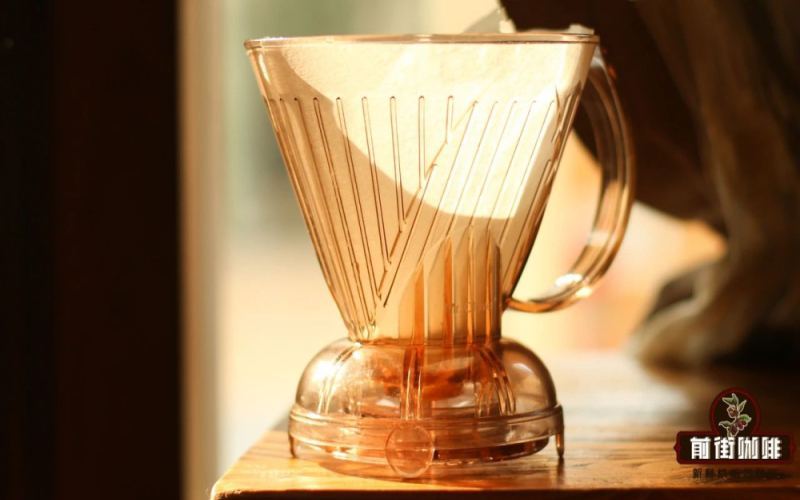
Clever Cup Pour-Over Coffee Beginner Tutorial: A Complete Guide to the Brewer's Principles, Brewing Parameters, and Step-by-Step Instructions
The Clever Cup is an ideal choice for many coffee beginners, combining the functions of both a dripper and an immersion brewer, with a low barrier to entry and consistent results. From the perspective of Front Street Coffee, this article systematically introduces the origins and naming of the Clever Cup, its core structure and working principle, and, using the Strawberry Candy Geisha Blend as an example, shares brewing parameters such as coffee dose, coffee-to-water ratio, water temperature, and grind size, along with the specific brewing process, helping coffee enthusiasts easily master the techniques for using this device and brew a full-flavored, clean-tasting cup of good coffee at home. [more…]
Hario V60 vs Chemex Coffee Brewer Comparison: Extraction Principles, Design Features, and Brewing Method Recommendations
In the world of specialty coffee, the Hario V60 and the Chemex are two highly representative pour-over brewing devices. Although both fall under the drip category, their design philosophies and extraction logic are vastly different. With its 60-degree cone angle and spiral rib structure, the V60 gives brewers enormous room for adjustment, making it ideal for veterans chasing flavor complexity; the Chemex, by contrast, draws inspiration from laboratory glassware and, paired with its thicker filters, allows even beginners to easily achieve a clean, translucent cup. This article breaks down the differences between these two classic devices in detail—from their construction and extraction variables to flavor tendencies—and includes concise brewing recommendations to help you choose based on your own needs. Whether you prefer bright and crisp or rich and balanced, you'll find direction here. [more…]
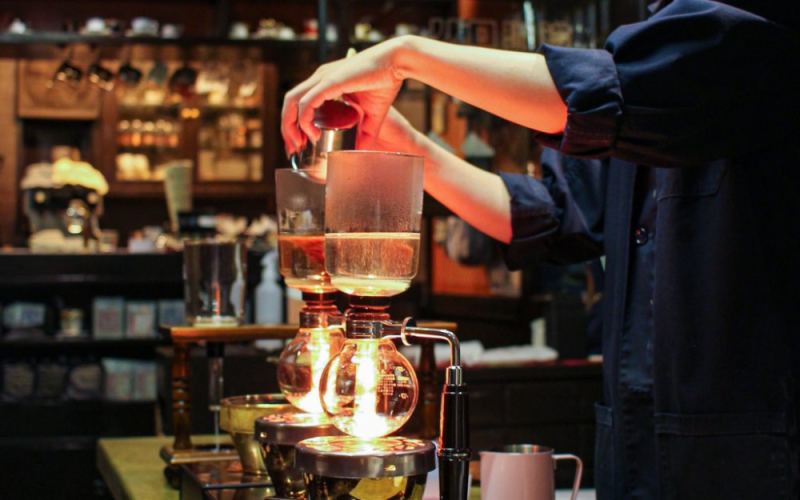
How a Siphon Works | What Makes Up the Structure of a Siphon Coffee Maker? How Do You Brew Coffee with a Siphon? What Are the Key Points for Making Siphon Coffee?
The siphon pot, with its appearance resembling laboratory equipment, is a coffee brewing tool that extracts coffee by utilizing pressure changes caused by steam and the siphon principle. It first appeared in Europe, and the trademark registration for the siphon pot was owned by a French lady, Marie Fanny Amelne Massot, exquisite [more…]
What equipment and coffee beans are needed to make coffee at home? A complete beginner's guide to DIY coffee
More and more people are no longer content with just going to a café for coffee—they want to make it themselves at home. But faced with a dizzying array of equipment and coffee beans, beginners often don't know where to start. This article systematically lays out a complete approach to home coffee DIY: from choosing a grinder and brewing equipment, to judging the freshness and quality of coffee beans, to building up your brewing methods and coffee knowledge, helping you find the approach that suits you step by step and easily become a home barista. [more…]
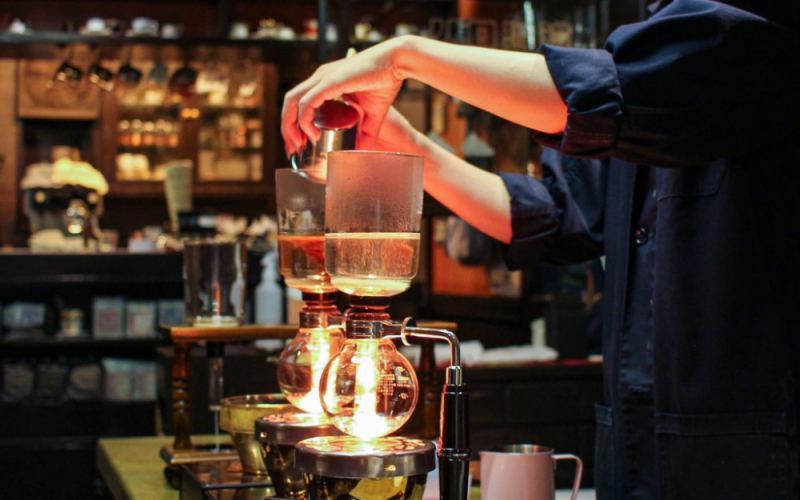
A Comprehensive Analysis of Siphon Coffee: From Extraction Principles to Brewing Details, Mastering the Key to Consistently Delicious Coffee
The siphon brewer, with its laboratory-equipment appearance and unique vacuum extraction method, has long been a favorite among coffee enthusiasts. It works by heating the lower chamber to generate steam pressure, pushing hot water up into the upper chamber to meet the coffee grounds; after the temperature drops, the pressure difference draws the coffee liquid back down into the lower chamber, resulting in a round, balanced cup. From the perspective of Front Street, this article systematically explains the siphon brewer's structural components, filtration and heating methods, grind size and coffee-to-water ratio, the timing for adding grounds, stirring techniques, and how to judge when to turn off the heat, along with a complete eight-step procedure to help you consistently brew a delicious cup of siphon coffee at home. [more…]
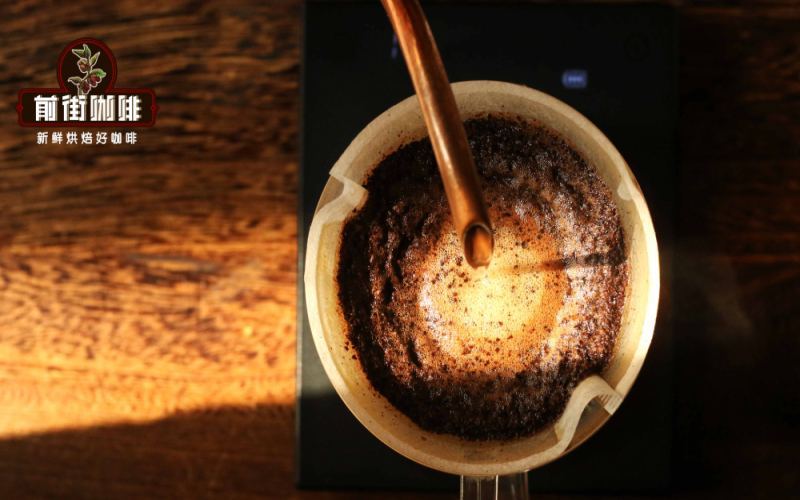
A Beginner's Guide to Pour-Over Coffee: From English Terminology to the Seven Elements and the Three-Pour Technique Explained
The correct English term for hand-brewed coffee is "Pour over coffee," not the literal translation "Hand coffee." This brewing method, which extracts coffee liquid under one atmosphere of pressure using a dripper and filter paper with a steady pouring technique, has strict requirements for grind size, water temperature, pouring technique, and timing, making it a real test of the brewer's skill and expertise. This article, drawing on the hands-on experience of Front Street Coffee, systematically outlines the basic concepts of pour over coffee, the seven key factors that determine flavor, and breaks down in detail a three-stage pouring process suitable for beginners, helping coffee lovers consistently brew a cup of full-aroma good coffee at home. [more…]
A Complete Analysis of the Brewing Differences Between Siphon and French Press: Extraction Principles, Taste Performance, and Buying Considerations
Front Street Coffee has introduced many coffee brewing methods in its daily posts. Among them, the French press is known for being easy to operate, while the siphon is often seen as daunting to beginners due to its complicated steps and strong sense of ritual. Although both are classified as immersion brewing, the coffee they actually produce differs noticeably in body, cleanliness, and flavor layering. Drawing on Front Street's hands-on experience, this article first explains the French press's structure, method of use, and parameter control, then explains how the siphon relies on thermal expansion and contraction to push hot water upward for constant-temperature immersion extraction, and finally compares the two in terms of taste and suitable scenarios, helping coffee enthusiasts make a choice based on their own needs. [more…]
A Practical Guide to Making Black Coffee at Home by Pour-Over: Comparison of Three Brewers, Choosing Arabica Beans, and a Detailed Breakdown of the Brewing Steps
To brew a cup of pure, flavorful black coffee at home, there are actually three paths to choose from: traditional pour-over (hand-brewed), siphon, and electric coffee makers, each suited to different people. Among them, pour-over places the highest demands on technique, yet it can restore the bean's true flavor to the greatest extent. This article first sorts out the characteristics and suitable scenarios of the three devices, then offers flavor recommendations for four Front Street Arabica beans, and finally explains key techniques such as water temperature, water flow, and pouring trajectory step by step. Whether you are a pour-over enthusiast chasing layers of flavor or a beginner who dreads hassle, you can find a method that suits you. [more…]

Ice Drip Coffee Brewing Tutorial: Coffee-to-Water Ratio, Grind Size, and Complete Step-by-Step Guide
On a hot summer day, a cup of clear, sweet cold drip coffee is a favorite among many coffee lovers. In this article, Front Street Coffee will guide you through a comprehensive understanding of the key points of making cold drip coffee, breaking down everything from equipment selection and coffee bean choices to the coffee-to-water ratio, grind size control, and specific operating steps. You will learn the differences between cold drip and cold brew, why ice water is used for extraction, the correct way to use filter paper, and several coffee beans recommended by Front Street that are suitable for cold drip. Whether you are a beginner or a seasoned enthusiast, you can gain practical guidance from this and easily make a cup of full-flavored cold drip coffee at home. [more…]
Pour-Over Coffee Beginner's Guide: Seven Elements, Three-Pour Technique, and Coffee-to-Water Ratio Illustrated
Brewing a delicious pour over coffee at home is actually not complicated, but you need to master some basic points. The English for pour over coffee is Pour over coffee; it uses a dripper and filter paper to hold the coffee grounds under normal pressure, extracting the coffee liquid through a steady pouring method. This article, compiled by Front Street Coffee, systematically sorts out the seven elements of pour over coffee—from fresh coffee beans, grind size, water temperature, water quality, dripper selection, coffee-to-water ratio, to brewing time—and provides a detailed introduction to the specific steps of the three-pour technique, including the meaning of blooming and four major points to note, helping coffee enthusiasts get started quickly. [more…]
Why is the Hario V60 Infinite Cross Star Dripper called the Coffee Clever Cup? Key Points for Beginners Choosing a Dripper
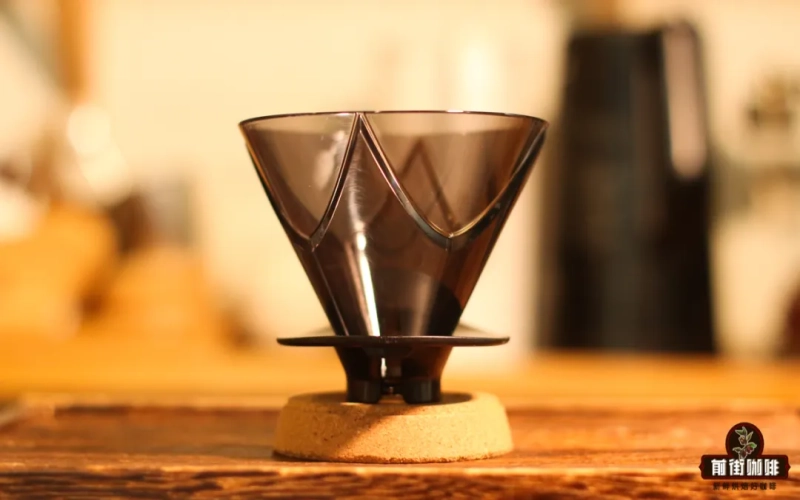
Among the many pour-over drippers, the Hario Mugen dripper stands out with its unique inner wall design, and has even earned the nickname "the Clever Dripper of drippers." It shares the same lineage as the classic V60, yet takes a completely different extraction path—the V60 is known for its extreme flow rate, while the Mugen dripper goes the opposite way, using a ribless structure to create an extremely slow flow rate, keeping the coffee in a state of immersion throughout. How exactly does this design affect flavor? Why is it easier for beginners to master? This article will break down the structural principles of the Mugen cross-star dripper, its flow rate performance, and its similarities and differences with the Clever Dripper, while also offering practical dripper selection advice for those just getting started. [more…]
A Curated List of Black Coffee Beans Worth Buying for Seasoned Pour-Over Enthusiasts: Top Single-Origin Picks Across Three Roast Levels
For coffee enthusiasts who love pour-over, choosing beans is always the key step that determines the quality of a cup of coffee. Whether you are a beginner just getting into pour-over or a seasoned hobbyist who has advanced to a professional level, buying fresh coffee beans from a reliable roaster is an indispensable first step. This article will organize a list of specialty coffee beans suitable for experienced brewers along three dimensions: light roast, medium roast, and dark roast, covering representative beans from producing regions such as Rwanda, Ethiopia, Panama, Kenya, Costa Rica, Colombia, Brazil, and Indonesia, presenting each one's flavor characteristics and processing methods one by one, to help you consistently brew a satisfying cup of good coffee at home. [more…]
A Beginner's Guide to Pour-Over Coffee: A Complete Walkthrough from Equipment Prep to Three-Pour Technique
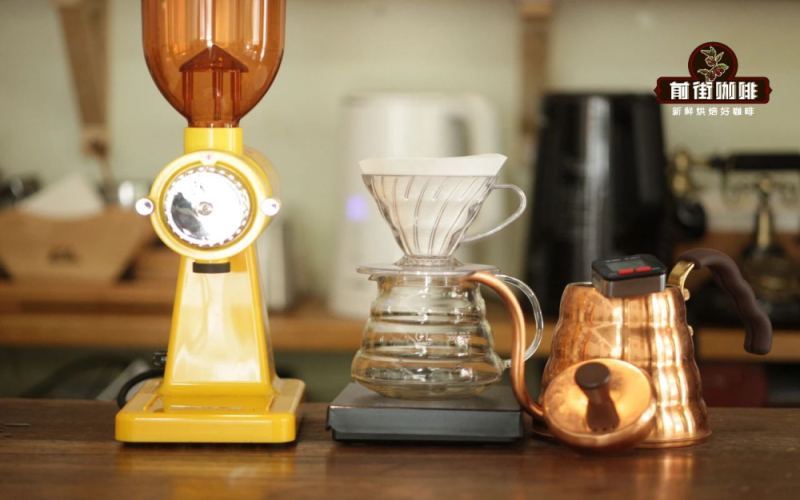
Pour-over coffee, as a widely popular and advanced-friendly extraction method, is being embraced by more and more coffee enthusiasts. Drawing on the hands-on experience of Front Street Coffee, this article systematically outlines the definition and origins of pour-over coffee, explains in detail the key steps such as equipment preparation, water temperature control, coffee-to-water ratio, and grind selection, and fully breaks down the specific steps and timing of the three-stage pouring process. Whether you are a beginner just getting into pour-over or an experienced brewer looking to refine your technique, you will find practical guidance here to easily brew a cup of coffee with distinct layers of flavor at home. [more…]
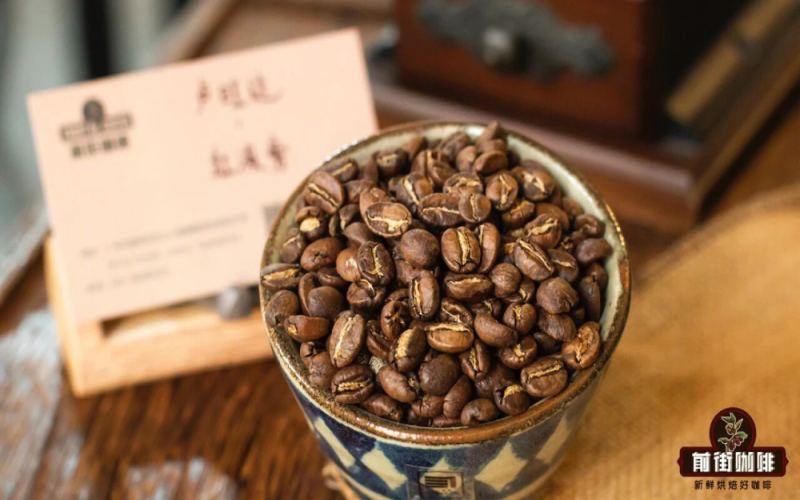
Selected Coffee Bean Brands | Which single-origin pour-over beans do seasoned coffee enthusiasts buy? Recommendations for light, medium, and dark roast pour-over coffee beans that are tasty, affordable, and perfect for beginners.
When it comes to brewing coffee, whether you're just starting out, advancing, or have already become a seasoned enthusiast, choosing coffee beans is still something you can't afford to be careless about. Today, we're going to dig out our most treasured good beans for experienced brewers, so you can brew delicious coffee at home too. 1. Front Street Coffee. Rwanda Red Bourbon: [more…]

Seven Elements of Hand-Brewed Coffee | Is the correct English for hand-brewed coffee "Hand Drip" or "Pour Over coffee"? What are the brewing methods for hand-brewed coffee?
What is the English for pour-over coffee? If translated literally, it could be rendered as "Hand coffee," but that term is definitely incorrect. Next, expressions like "Hand punch" are also common mistranslations. The correct term should be "Pour over coffee." Now, pour-over [more…]
The Complete Guide to Siphon Coffee Brewing: From Extraction Principles to Step-by-Step Instructions
The siphon brewer, with its laboratory-instrument appearance and unique vacuum extraction method, has long been favored by coffee enthusiasts. It first appeared in Europe, where a French woman named Marie Fanny Amelne Massot registered a trademark for it, and its classic spherical design established its iconic status among coffee brewing devices. This article will begin with the extraction principle of the siphon brewer, systematically introduce the device's structure, filtration system, and heat source selection, then move on to key steps such as coffee grind size, timing of adding coffee grounds, stirring technique, and judging when to turn off the heat, and finally provide a complete eight-step operating procedure. Front Street Coffee recommends using medium-roast beans such as Huilan, Bird of Paradise, Diamond Mountain, and Queen's Estate to highlight the rich, full-bodied flavor characteristics of siphon coffee. [more…]
A Detailed Guide to the One-Pour Hand-Drip Coffee Method: Tetsu Kasuya's Simplified Pouring Technique and Front Street Coffee's Practical Parameters
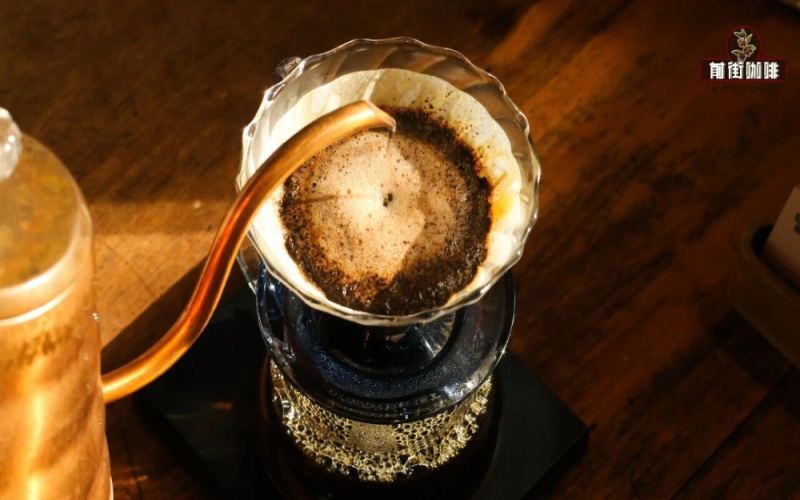
Pour-over coffee techniques often intimidate beginners, requiring repeated practice to achieve consistent results. This article introduces a brewing method called "one-pour," publicly presented in 2019 by Tetsu Kasuya, the 2016 World Brewers Cup champion. Its core idea is to skip the bloom phase, pouring all the target water in a single large stream within 15 seconds, then letting the dripper complete the process through natural filtration. This method demands very little pouring skill and has low equipment requirements, yet yields coffee with lively flavors and rich fruity notes. Front Street will share improved parameters and flavor performance based on actual testing with the Hario Infinity dripper, making it a useful reference for coffee enthusiasts who want an easy introduction to pour-over brewing. [more…]

Pour-Over Coffee Beginner's Guide | How Should Coffee Newbies Choose Coffee Filters? How Do You Use Coffee Filters? What Types of Coffee Filters Are There?
For professional coffee knowledge exchange and more coffee bean information, please follow FrontStreet Coffee. How to choose coffee filter paper? How to use coffee filter paper? What types of coffee filter paper are there? Many enthusiasts buy their own coffee beans, use a grinder, and purchase equipment to brew coffee, all [more…]
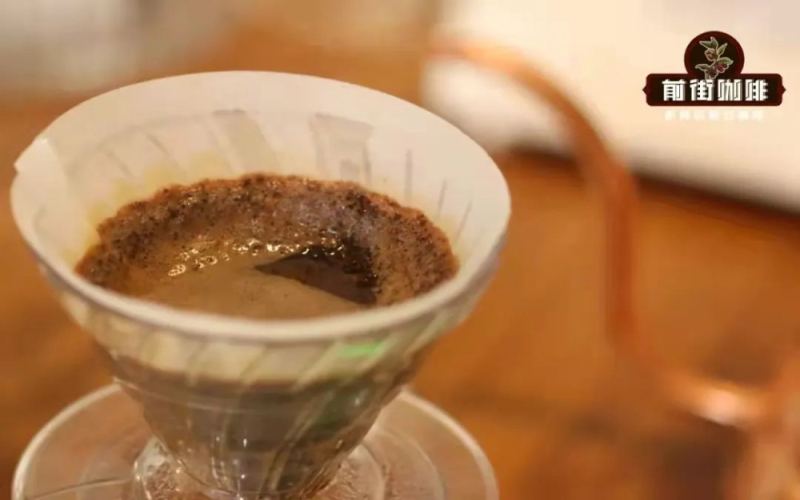
Why Does Pour-Over Panama Geisha Drain Slowly? Analyzing the Causes of Coffee Clogging and Practical Tips to Fix It
Panama Geisha is beloved by coffee enthusiasts for its exquisite floral and fruity aromas, but during pour-over brewing, the flow rate can suddenly slow down or even clog completely, catching you off guard. Drawing on Front Street's practical experience, this article systematically sorts out several common causes of Geisha pour-over clogging, including the characteristics of the coffee beans themselves, grind size selection, the compatibility of filter paper and dripper, and pouring technique, and offers specific, actionable solutions for each situation. Whether you are a beginner just getting to know Geisha or a seasoned brewer hoping to refine your craft, you will find practical methods here to restore a smooth flow and fully release the flavors. [more…]