







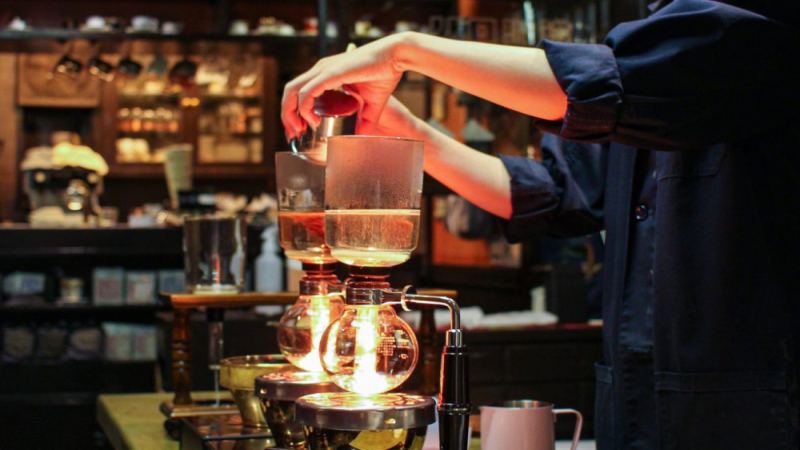
How does the siphon brewer make a consistently delicious coffee?
The siphon brewer uses vapor pressure and a vacuum effect. Water in the lower chamber is heated until steam pushes it into the upper chamber, where it steeps with the coffee grounds; when the heat is turned off and the temperature drops, the pressure difference pulls the brewed coffee back down through the filter, giving a round, balanced cup.
Brewing well comes down to grind size, coffee-to-water ratio, when to add grounds, stirring technique, and judging the moment to cut the heat. A full eight-step procedure helps repeat the result at home. Beans such as Geisha Village Chaka and other balanced lots suit the method because the siphon highlights clarity and body.
With its lab-equipment-like appearance and unique vacuum extraction method, the siphon brewer has long been a favorite among coffee enthusiasts. It works by heating the lower chamber to generate steam pressure, pushing hot water up into the upper chamber to meet the coffee grounds; after the temperature drops, the pressure difference draws the coffee liquid back down into the lower chamber, resulting in a round, balanced cup. From the perspective of Front Street Coffee, this article systematically explains the siphon's structural components, filtration and heating methods, grind size and coffee-to-water ratio, the timing of adding grounds, stirring techniques, and how to judge when to turn off the heat, along with a complete eight-step procedure to help you consistently brew a delicious siphon coffee at home.
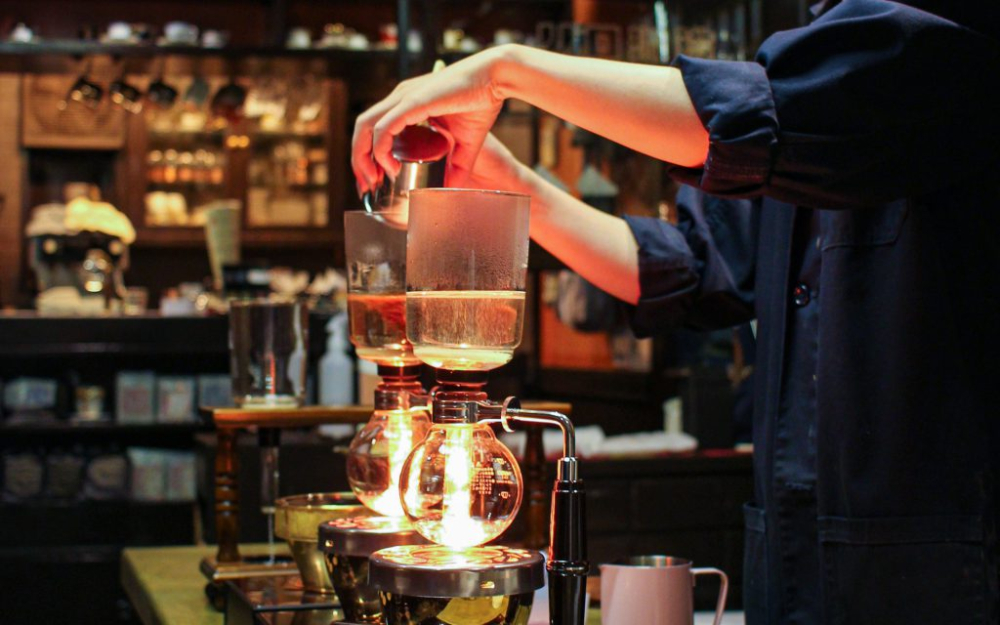
The siphon brewer closely resembles laboratory equipment in appearance, relying on steam-induced pressure changes and the siphon effect to complete coffee extraction. This device first appeared in Europe, and its trademark registration belonged to a French woman named Marie Fanny Amelne Massot. Its distinctive spherical shape established the classic image of the siphon brewer and made it widely used by coffee enthusiasts worldwide. Today, Front Street Coffee will start with the extraction principle of the siphon to reintroduce this charming coffee device.
Introduction to the Siphon Brewer
The siphon brewer takes its name from the siphon principle it employs, using the pressure difference created by temperature changes to complete extraction!
The English name for the siphon brewer is "SIPHON," so it is also called a siphon pot. Its working method is as follows: water heated produces steam, and through thermal expansion and contraction, the hot water in the lower chamber is pushed up into the upper chamber, where it mixes and steeps with the coffee grounds; when the temperature drops, the liquid flows back through the vacuum tube into the lower chamber, ultimately yielding coffee. Because coffee made with a siphon has a round mouthfeel and balanced character, we recommend using beans such as Front Street Coffee Bird of Paradise, Front Street Coffee Diamond Mountain, Front Street Coffee Geisha Village Chaka, Front Street Coffee Blue Mountain No. 1, and Front Street Coffee Queen's Estate. In Front Street's actual testing, the siphon coffee made from these beans has been outstanding in both aroma and mouthfeel.
Structure of the Siphon Brewer
External Structure:
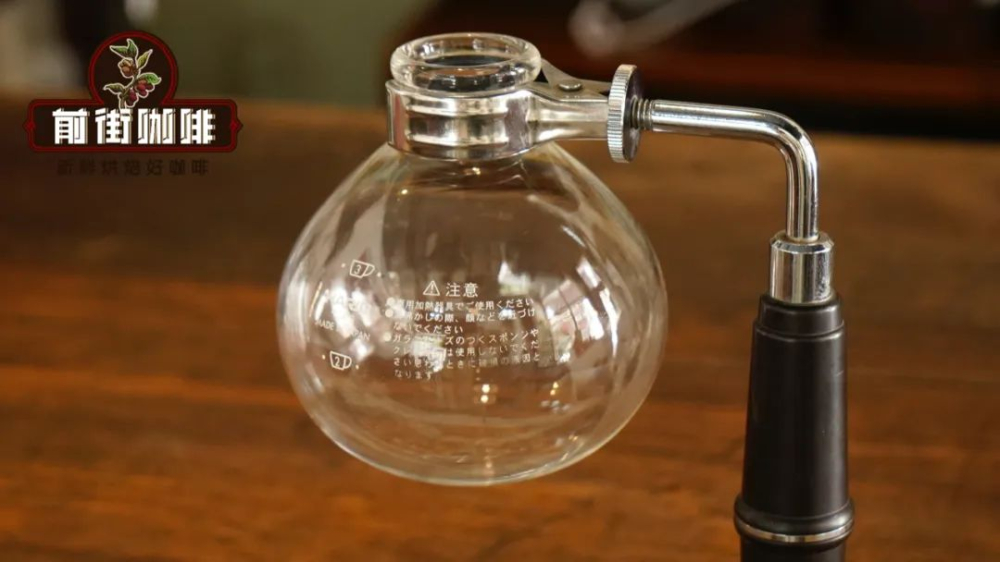
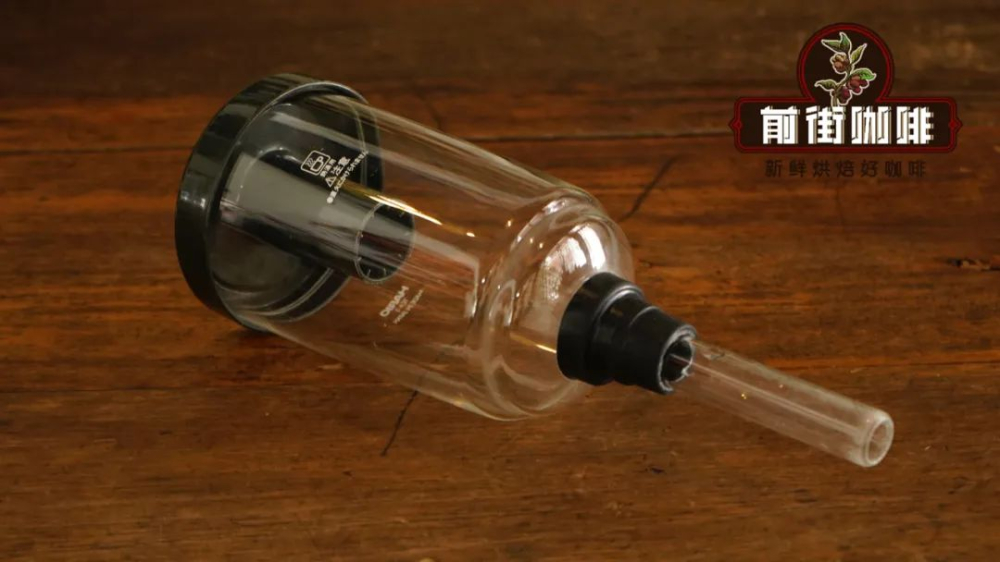
The siphon brewer consists of three parts: the upper chamber, the lower chamber, and the stand. The stand holds the lower chamber in place, keeping the pot suspended; the lower chamber is basically spherical, designed this way for more even heating; the upper chamber is cylindrical, with a narrowed bottom that extends into a slender tube—the further down, the narrower the diameter—and the connection is sealed with a rubber gasket.
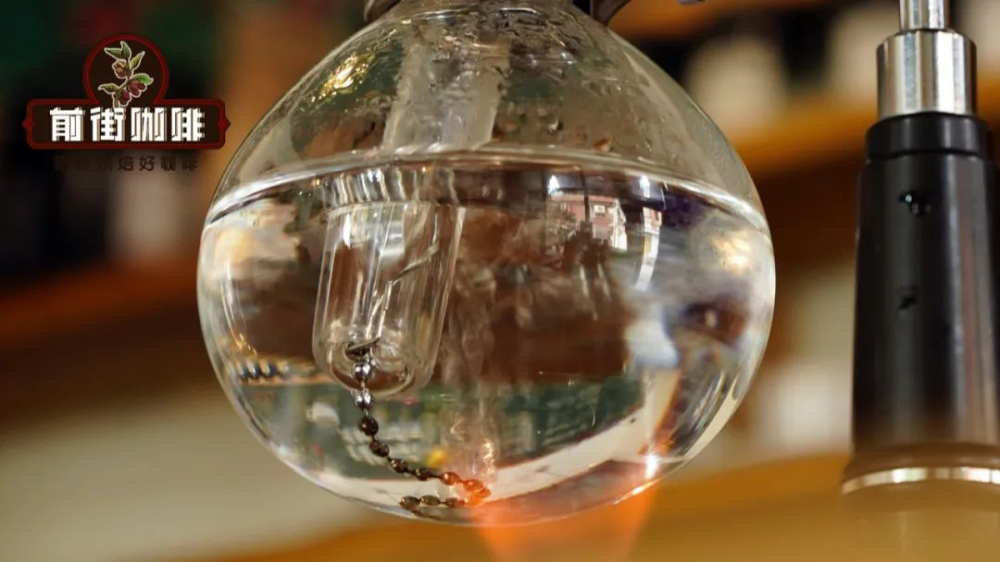
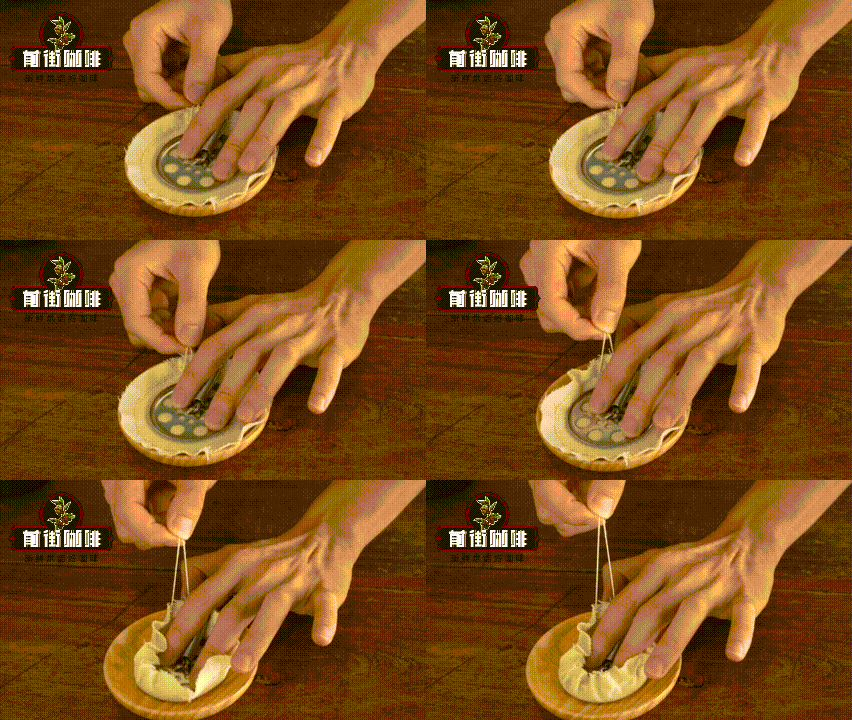
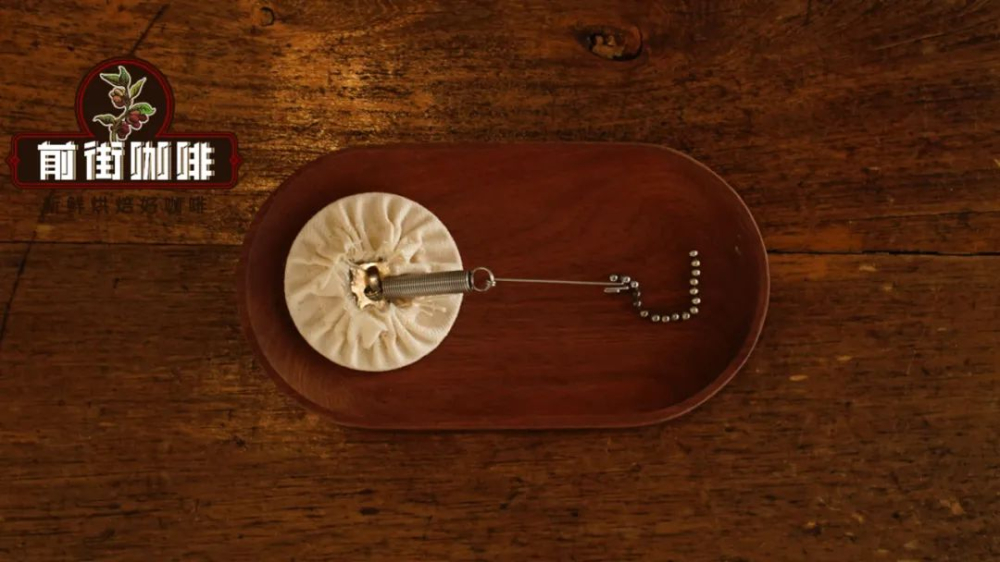
Filtration System: To avoid a gritty mouthfeel when drinking coffee, you must use a device to filter during the brewing process. The siphon's filter consists of a circular metal disc combined with a spring-loaded chain. Before use, the metal disc needs to be wrapped with filter material, most commonly a specially shaped flannel cloth. Tighten the strings on both sides of the cloth so that it wraps around the metal disc (pull tight, tie a knot to secure, and trim any excess string), forming a complete filtration device, then place it inside the upper chamber.
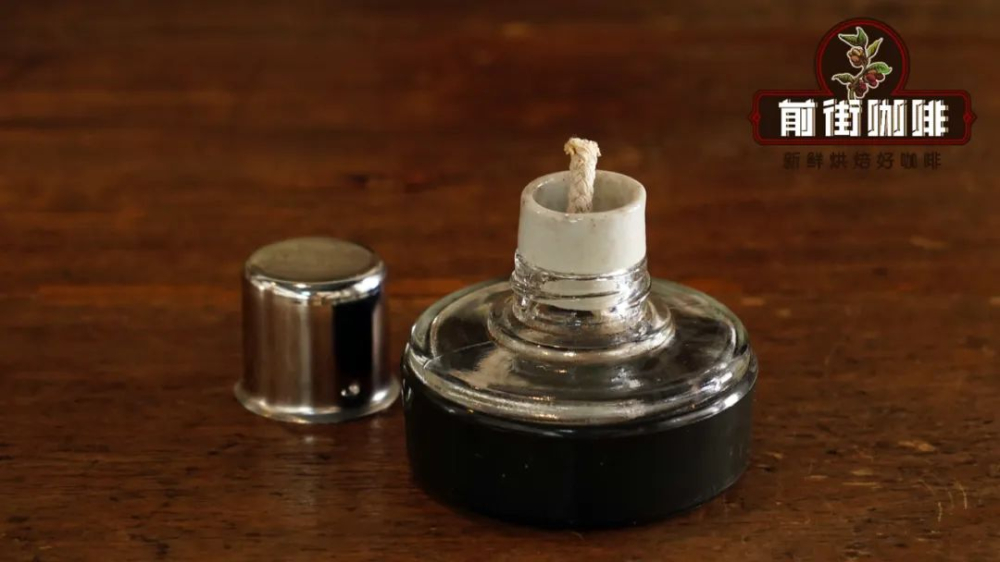
Heat Source: There is no single way to heat a siphon brewer—you can use a gas stove with an open flame, a safe halogen heater, or a scientific-looking alcohol lamp. Which one you choose is entirely up to personal preference, and they all achieve the heating effect.
Coffee Grounds Grind Size: Regarding the grind size for siphon coffee, Front Street has already conducted tests; it is slightly finer than pour-over grind, with a 90% pass rate through a No. 20 sieve. (Regular pour-over typically has a pass rate of 80–85%.)
When making siphon coffee day to day, the coffee-to-water ratio generally falls between 1:10 and 1:12, with 1:12 being more popular, while Front Street's commonly used parameter is 1:11, i.e., 20g of coffee grounds with 220ml of water.
Timing of Adding Grounds: When to add the coffee grounds is one of the more debated topics in siphon brewing: should you add the grounds first, or wait until the water has fully risen into the upper chamber? Traditionalists prefer adding grounds first, believing this gives fuller flavor; but most people think adding grounds first easily causes uneven extraction—as the water level rises, it first contacts a small portion of the coffee grounds at the bottom of the vessel, and by the time the water has fully risen and stirring hasn't even begun, that portion of grounds has already been extracted ahead of time.
Therefore, many people choose to wait until the water level has finished rising before adding the grounds. Front Street believes that for beginners, adding grounds afterward is the safer approach, as it reduces interference from unstable factors.
Stirring Method: The entire brewing process requires three stirs: when the coffee grounds enter the water, when steeping is halfway through, and before turning off the heat. There are many stirring techniques: cross stirring, Z-shaped stirring, ∞-shaped stirring, rotational stirring, tapping, etc. There is no single standard for technique, but for those who are new and lack stirring experience, Front Street recommends the tapping method. This method is easy to control and quick to learn—tap the coffee grounds layer along the path shown in the image, with the stirring rod pivoting at the center and the two ends moving back and forth in alternating fashion.
Determining When to Finish: When to turn off the heat for siphon coffee—some people like to judge by the coffee's aroma, but this greatly tests your fundamentals, so Front Street recommends beginners use timing instead. If adding grounds first, start timing when stirring begins; if adding grounds afterward, start timing when the grounds are added. The heat-off time should be controlled at about 50–70 seconds.
Step One: Set up the lower chamber and the alcohol lamp, and install the hook of the upper chamber's filter cloth in advance (place the filtration device into the upper chamber and pull the hook out from below the tube to hang it on the end of the tube).
Step Two: Pour in 220ml of hot water.
Step Three: Wipe the lower chamber dry and ignite the heat source (wiping the lower chamber dry prevents it from cracking during heating).
Step Four: Insert the upper chamber into the lower chamber at an angle, making sure the anti-explosion bead touches the bottom of the lower chamber.
Step Five: When the lower chamber begins to boil and droplets appear, straighten the upper chamber and press it firmly, then wait for the water in the lower chamber to be drawn up into the upper chamber.
Step Six: After the upper chamber stops drawing water, pour in the coffee grounds and start timing. For the first stage, use the tapping method to press the coffee grounds into the water, beginning even extraction.
Step Seven: For the second stage, at 25 seconds, use the stirring method recommended by Front Street to shake evenly, allowing the coffee to clearly separate into three layers: coffee foam, coffee liquid, and coffee grounds.
Step Eight: For the final stage, at 50 seconds, stir clockwise, and at 60 seconds remove the heat source and wait for the coffee liquid to flow back into the lower chamber. (After removing the heat source, wipe the lower chamber with a dry cloth to speed up the return flow.)
The above content is compiled by CoffeeHunters, a coffee news website.


