







How Does Siphon Coffee Brewing Actually Work?
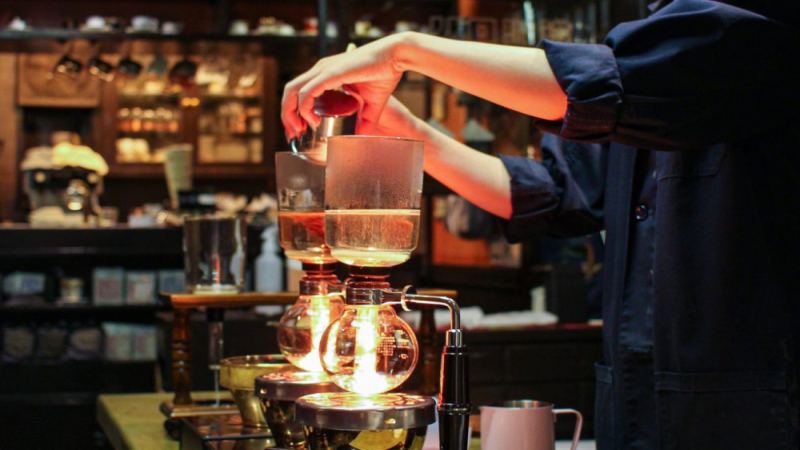
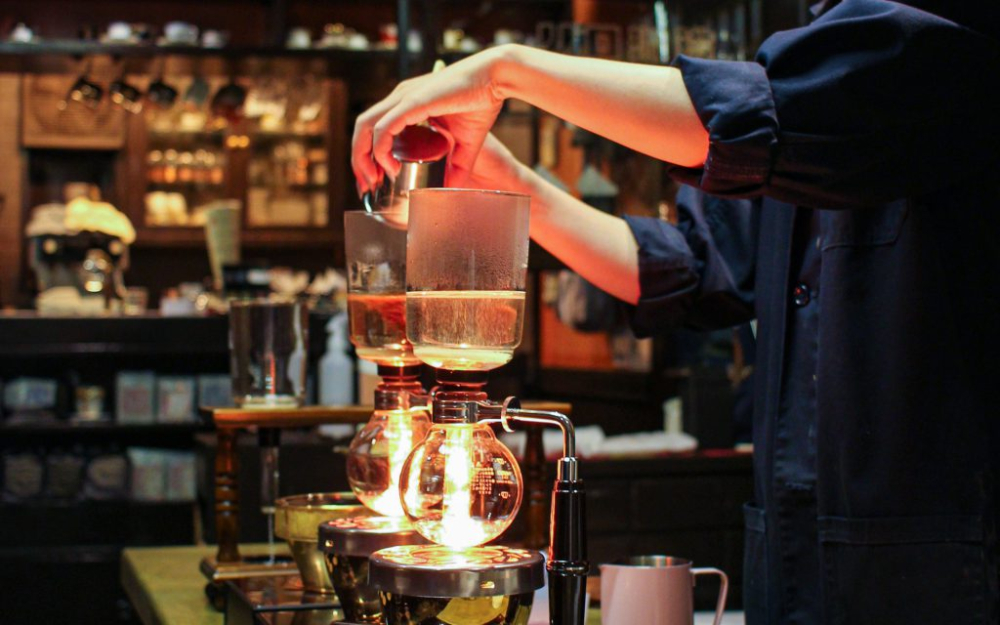
A siphon pot brews by pressure difference: water in the lower chamber is heated until steam pushes it into the upper chamber, where it mixes with the grounds, and when the heat is cut the coffee flows back down through the vacuum tube. The result is a heavier, more solid mouthfeel than pour-over.
The device first appeared in Europe, where a French woman named Marie Fanny Amelne Massot registered the trademark on its classic spherical design. Brewing comes down to grind size, when the grounds go in, stirring technique and judging the moment to turn off the heat, which Front Street Coffee lays out across an eight-step procedure.
The siphon pot, with its laboratory-instrument appearance and unique vacuum extraction method, has long been favored by coffee enthusiasts. It first appeared in Europe, where a French woman named Marie Fanny Amelne Massot registered the trademark, and its classic spherical design established its iconic status among coffee brewing devices. This article will begin with the extraction principle of the siphon pot, systematically introduce the device structure, filtration system, and heat source selection, then move on to key steps such as coffee grounds grind size, timing of adding grounds, stirring technique, and judging when to turn off the heat, and finally provide a complete eight-step operating procedure. Front Street Coffee recommends using medium-roast beans such as Huilan, Bird of Paradise, Diamond Mountain, and Queen's Estate to highlight the rich, solid mouthfeel characteristic of siphon coffee.
To learn more about specialty coffee, follow our WeChat public account: FrontStreet Coffee
The siphon pot looks much like laboratory equipment, and it uses the pressure difference generated by steam along with the siphon effect to complete coffee extraction. This device was first created in Europe, and its trademark was registered and held by a French woman named Marie Fanny Amelne Massot. Its refined and elegant spherical appearance makes it a classic among siphon pots, and it is still widely used by coffee enthusiasts around the world today. Today, Front Street will start with the extraction principle and introduce this uniquely charming brewing tool.
Introduction to the Siphon Pot
The siphon pot is written in English as "SIPHON," so it is also called a siphon brewer. Its working principle is as follows: the water in the lower chamber is heated and produces steam, and thermal expansion and contraction create pressure that pushes the hot water into the upper chamber to mix with the coffee grounds; when the temperature drops, the water flows back into the lower chamber through the vacuum tube, thereby producing coffee liquid. The name "siphon pot" comes precisely from the siphon principle it uses, completing extraction through the pressure difference caused by temperature changes!
Anyone who has tasted siphon coffee will understand that it is quite different from pour-over coffee; both the mouthfeel and the flavor direction are completely distinct. Pour-over coffee is cleaner, with clearer layers and higher flavor recognition; while coffee made with a siphon pot has a richer mouthfeel, stronger aroma, and more substantial body.
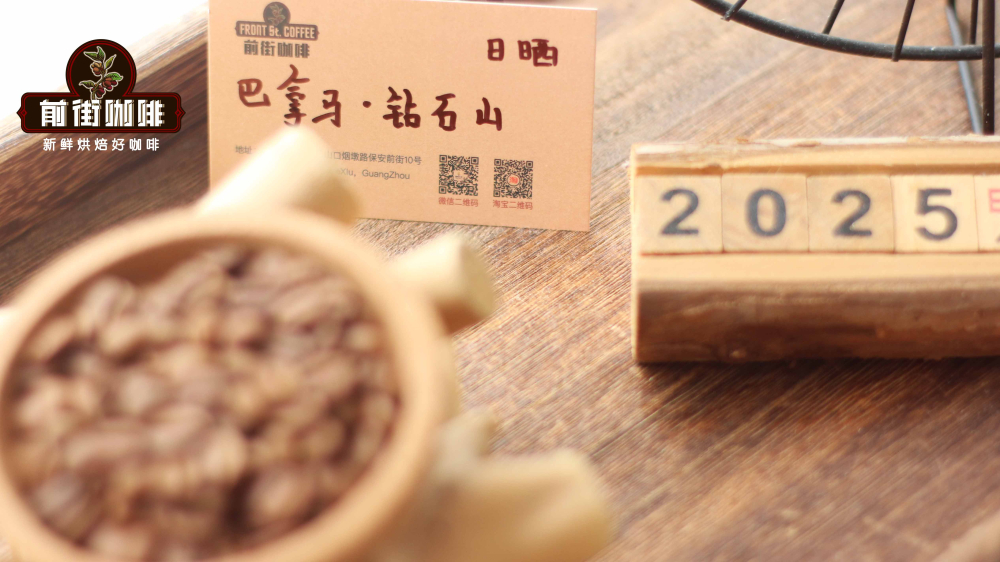
Because of this characteristic, when brewing with a siphon pot, Front Street recommends choosing medium-roast coffee beans such as Huilan, Bird of Paradise, Diamond Mountain, and Queen's Estate, which give the finished cup both nutty aromas and a full body.
Structure of the Siphon Pot
Appearance and construction:
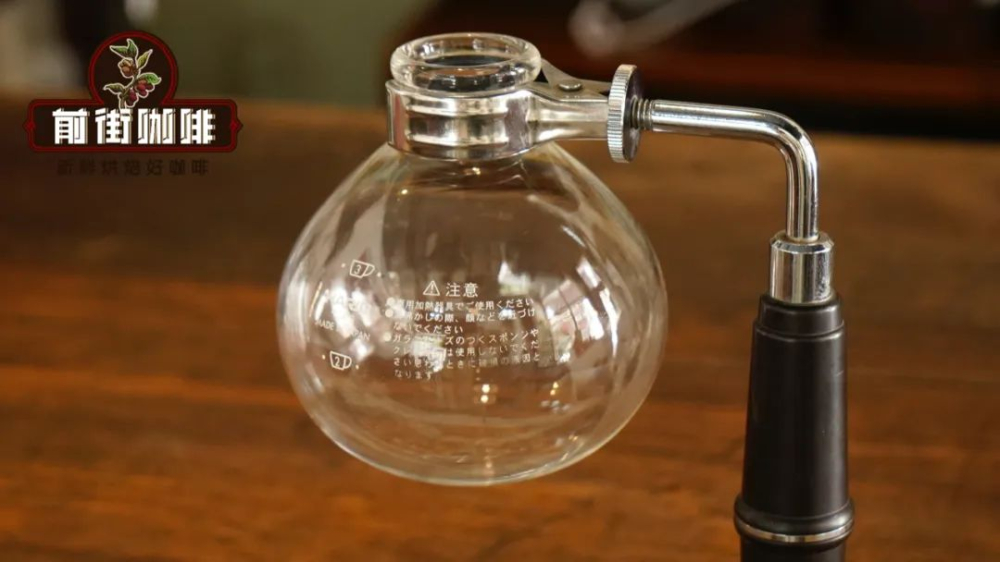
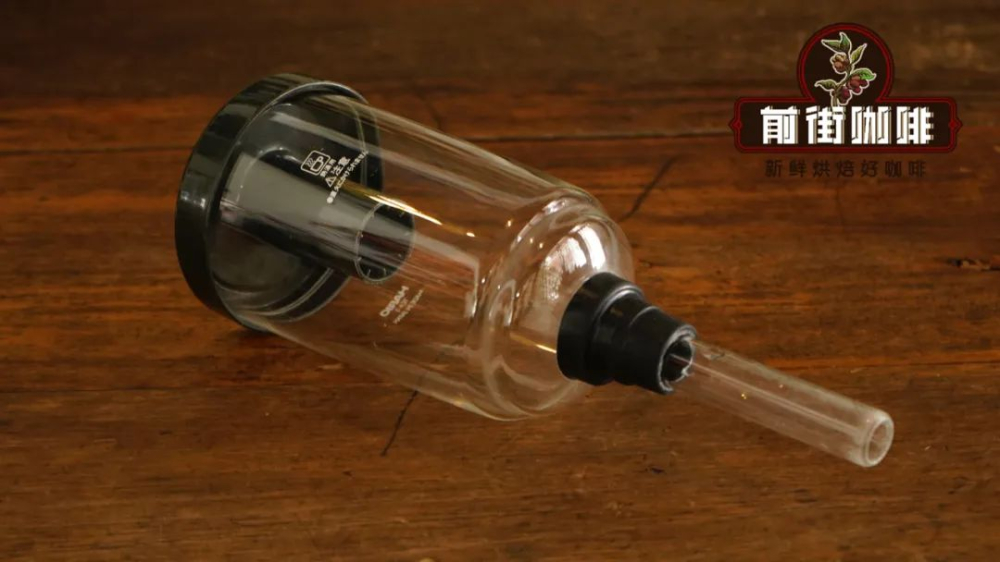
The siphon pot consists of three main parts: the upper chamber, the lower chamber, and the stand. The stand is used to stabilize the lower chamber and keep it suspended in the air; the lower chamber is basically spherical, and this design allows for more even heating; the upper chamber is cylindrical, narrowing at the bottom and extending into a slender tube, with the tube becoming narrower toward the lower end, and the connection point is fitted with a rubber ring to provide a seal.
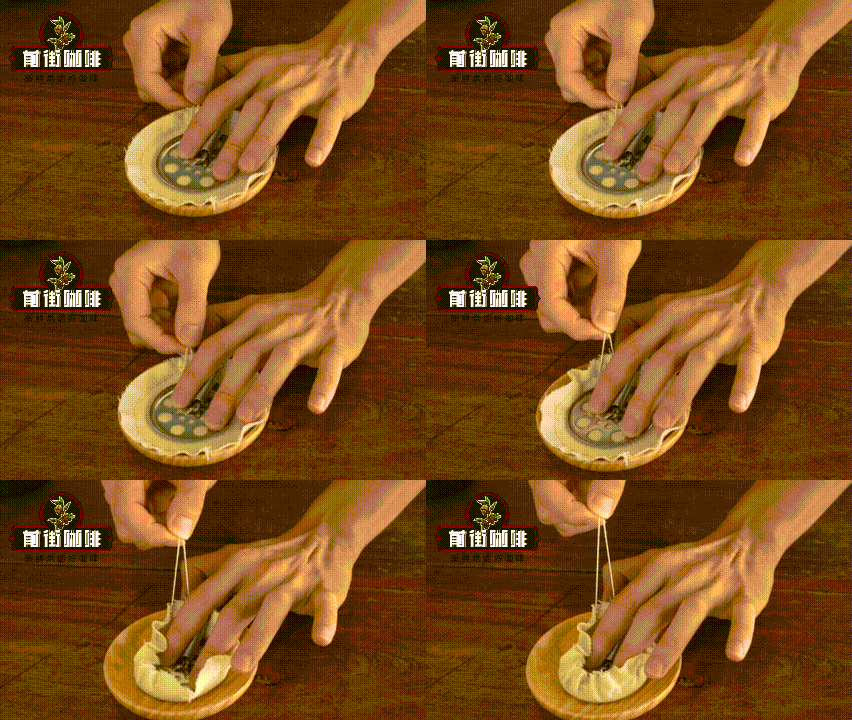
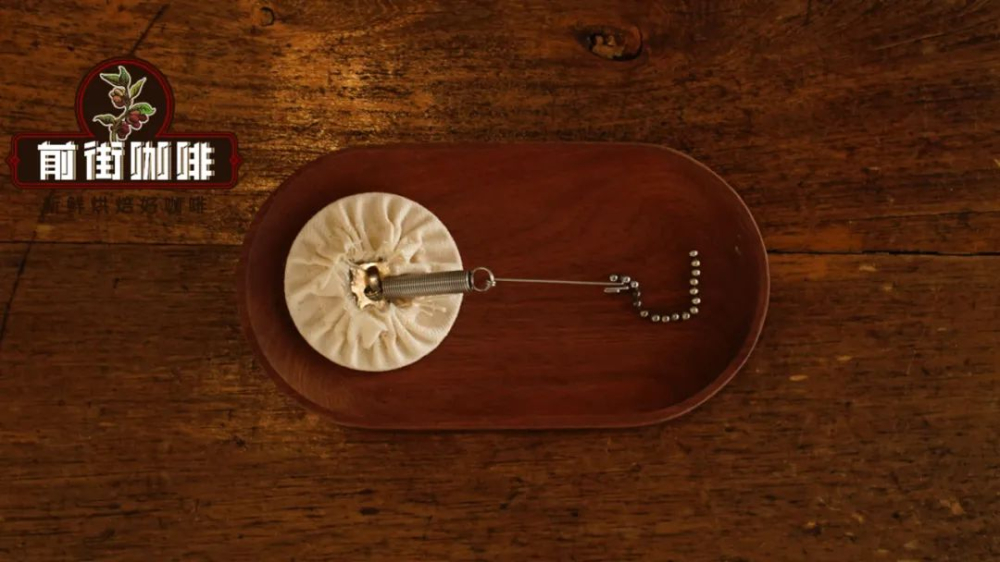
Filtration system: To avoid drinking a mouthful of coffee grounds, a filtration device is indispensable during brewing. The siphon pot's filter is made up of a circular metal plate combined with a spring-loaded chain. Before use, the metal plate needs to be wrapped with filter material, most commonly a specially shaped flannel filter cloth. Tighten the threads on both sides of the cloth so that it wraps around the metal plate (pull it tight, tie it off, and trim the excess thread), and this forms a complete filtration system, which can then be placed inside the upper chamber.
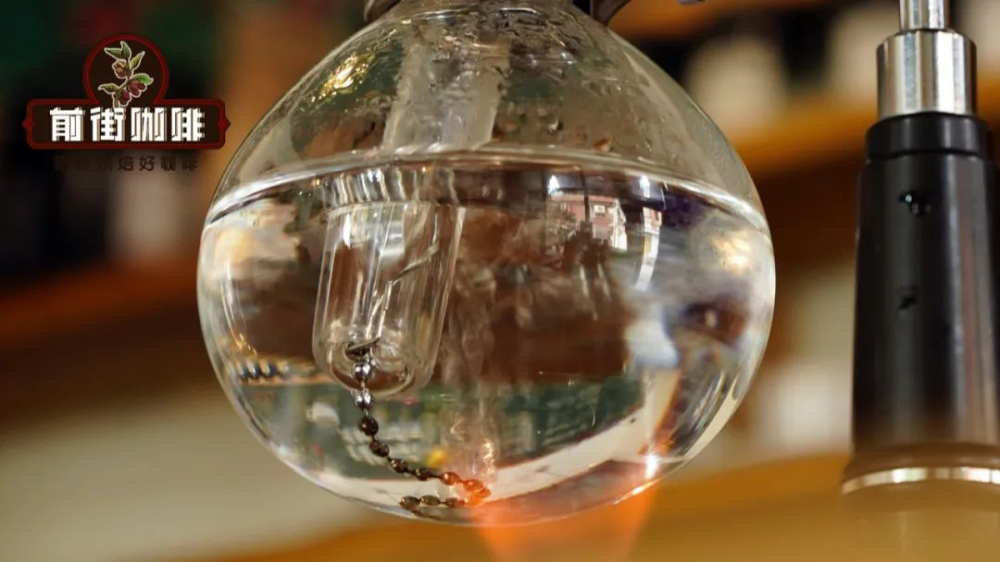
Heat source: The siphon pot is not picky about heat sources. An open-flame gas stove works, a safe light-wave oven works, and an alcohol lamp with a scientific feel also works. It all depends on personal preference, and in the end all of them can achieve the goal of heating!
Coffee grounds grind size: Regarding the grind size for siphon coffee, Front Street has tested it before, and the result is slightly finer than for pour-over, with a 90% pass rate on a No. 20 sieve. (The pass rate for regular pour-over is between 80% and 85%.)
The commonly used coffee-to-water ratio for siphon coffee is between 1:10 and 1:12. Most people prefer 1:12, while the parameter Front Street usually uses is 1:11, that is, 20 g of coffee grounds with 220 ml of water.
Timing of adding grounds: The timing of adding coffee grounds is a rather controversial topic in siphon brewing: should you add the grounds first, or wait until the water has fully risen into the upper chamber before adding them? Traditionalists tend to add the grounds first, believing this gives fuller flavor; but many people think that adding the grounds first easily causes uneven extraction—when the water level rises, it first comes into contact with the portion of coffee grounds at the bottom of the chamber, and before the water has finished rising and before stirring, that portion of grounds has already begun extracting.
Therefore, many people choose to wait until the water has fully risen before adding the grounds. Front Street's suggestion is that for beginners, the method of adding the grounds later is more reliable and can reduce interference from unstable factors.
Stirring method: The entire brewing process requires stirring three times: when the coffee grounds enter the water, when steeping is halfway through, and before turning off the heat. There are all kinds of stirring methods: the cross stirring method, the Z-shaped stirring method, the ∞-shaped stirring method, the swirling stirring method, the tapping method, and so on. There is no single standard for the technique, but for friends who are new to this and have little stirring experience, Front Street recommends the tapping method—it is easy to control and quick to learn. You can follow the trajectory shown in the figure below to tap the coffee bed, with the stirring rod using the center as a pivot and moving back and forth with the two ends offset.
Determining when to finish: As for when to turn off the heat for siphon coffee, some people are used to judging by changes in aroma, but this greatly tests fundamental skills, so Front Street recommends that beginners use timing instead. If the grounds are added first, start timing when stirring begins; if the grounds are added later, start timing when the grounds are added. The heat-off time can be controlled at roughly 50 to 70 seconds.
Step 1: Set up the lower chamber and alcohol lamp, and attach the hook of the upper chamber filter cloth in advance (place the filtration device into the upper chamber and pull the hook out from below the tube to hang it on the end of the tube).
Step 2: Pour in 220 ml of hot water.
Step 3: Wipe the lower chamber dry and light the heat source (wiping the lower chamber dry is to prevent it from cracking during heating).
Step 4: Insert the upper chamber diagonally into the lower chamber; the explosion-proof bead must touch the bottom of the lower chamber.
Step 5: When the lower chamber boils and droplets appear, straighten the upper chamber and press it firmly, then wait for the water in the lower chamber to be drawn up into the upper chamber.
Step 6: After the upper chamber stops drawing up water, pour in the coffee grounds and start timing. In the first stage, use the tapping method to press the coffee grounds into the water and begin even extraction.
Step 7: In the second stage, at 25 seconds, use the stirring method recommended by Front Street to shake evenly, so that the coffee can clearly separate into three layers: coffee foam, coffee liquid, and coffee grounds.
Step 8: In the last stage, at 50 seconds, stir clockwise, and at 60 seconds remove the heat source and wait for the coffee liquid to flow back into the lower chamber. (After removing the heat source, wiping the lower chamber with a dry cloth can speed up the return flow.)
The above content is compiled by CoffeeHunters, a coffee news website.


