







Yunnan Coffee: An Arabica Variety Story from Catimor to Typica
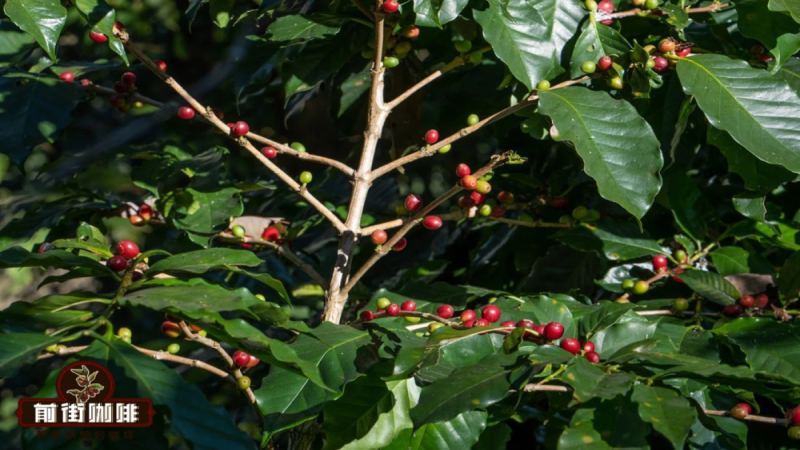
Yunnan coffee grows in the southwestern highlands of China, where elevations above 1,000 meters and a mild subtropical climate support Arabica variety cultivation. Catimor dominates plantings because of its resistance to leaf rust and strong yields. Typica and Bourbon appear in smaller lots, often on older farms. Each variety responds differently to the same soil, which gives the region a wide range of flavor outcomes.
Catimor from Yunnan tends to show nutty, herbal, and mild chocolate notes with low acidity. Typica lots, when processed carefully, offer sweeter citrus and floral aromatics with lighter body. Washed processing is common, though honey and natural methods are gaining ground. Roasters often blend Yunnan coffee into espresso or use it as a single origin for drip brewing.
Yunnan is the most significant name on China's coffee map. From the first coffee tree planted by missionaries a century ago to today's scale, where it accounts for seventy percent of the nation's planting area and over eighty percent of its output, this land has nurtured a full-bodied, moderately rich small-bean coffee. This article systematically reviews the historical threads of Yunnan coffee, the natural conditions of its main growing regions—Dehong, Baoshan, Lincang, and Pu'er—and the flavor differences among the three major varieties: Catimor, Typica, and Bourbon. It also takes you from the washed processing method to pour-over parameters, giving you a complete understanding of Yunnan coffee's nutty, brown-sugar tonality, and shares Front Street Coffee's sourcing philosophy and brewing practices in the Yunnan producing region.
To learn more about specialty coffee, welcome to follow our WeChat official account: Front Street Coffee.
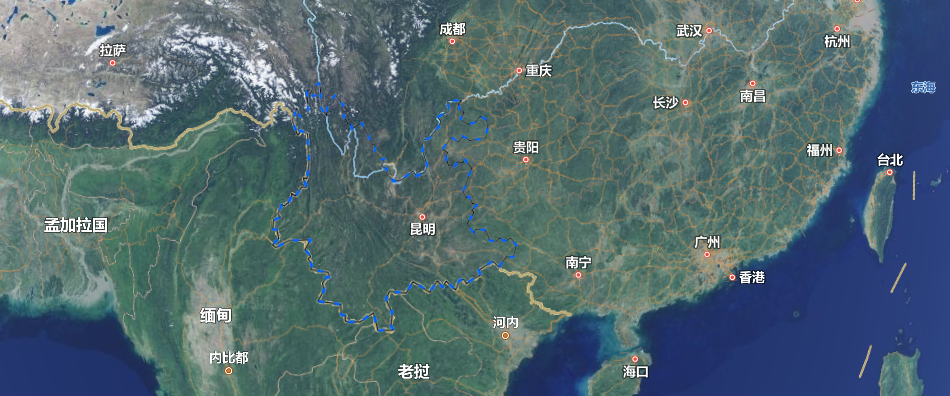
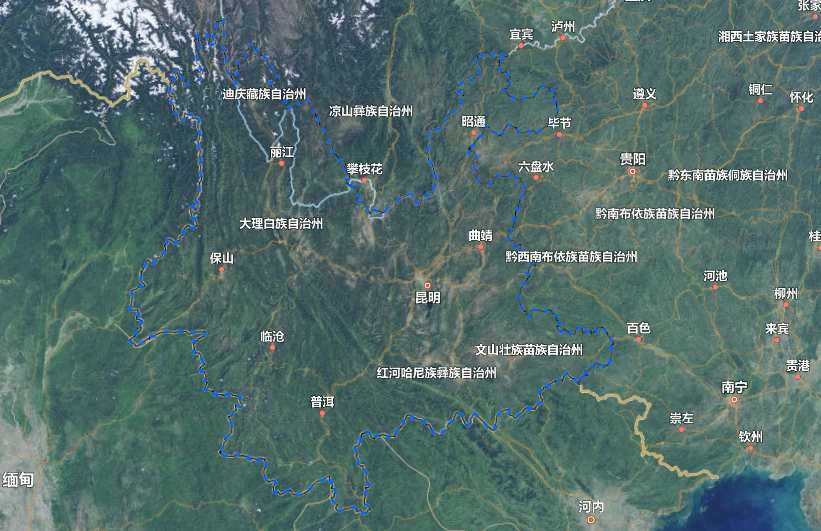
Yunnan coffee is also known in the industry as Yunnan small-bean coffee, with beans of uniform size and good fullness, rich yet gentle on the palate. The reason Front Street has a particular fondness for Yunnan coffee is that it belongs to the Chinese people themselves, and Front Street has always held a wish—to let more people rediscover Yunnan coffee and change their preconceived impressions of it. At present, the coffee varieties that can achieve large-scale production in Yunnan include Catimor, Typica, and Bourbon, with main growing regions distributed across Baoshan, Lincang, Pu'er, Wenshan, Dehong, and other places.
The history of coffee cultivation in Yunnan can be traced back to 1904. At that time, French missionary Father Tian Deneng planted the first coffee tree in Zhukula Village, Binchuan County, Dali City, which is generally regarded as the earliest evidence of coffee's introduction to Yunnan. However, for a full century afterward, coffee trees were not widely promoted locally. It was not until the late 1980s, when multinational companies successively entered Yunnan, that this foreign crop regained the opportunity for large-scale cultivation and moved toward export markets.
After 1930, the renowned overseas Chinese leader Mr. Liang Jinshan introduced coffee cultivation to the Pupiao and Luoming areas, and planting activities continued until the founding of New China.
After 1952, under the technical guidance of expert Ma Guojin from the Baoshan Tropical Economic Research Institute, areas such as Lujiang began large-scale coffee planting, and the history of large-scale cultivation has now spanned nearly sixty years.
By the end of 1997, the province's coffee planting area reached 7,800 hectares. Today, Yunnan coffee accounts for 70% of the nation's planting area and 83% of its output. Whether measured by planting scale or bean production, Yunnan coffee is already in an absolutely leading position within China.
Yunnan's Coffee Producing Regions
Coffee trees typically thrive in the zone between the Tropic of Cancer and the Tropic of Capricorn, an area known as the "Coffee Belt." The western and southern parts of Yunnan Province lie precisely between 15°N and the Tropic of Cancer, and most areas possess the high-altitude conditions required for coffee cultivation. The local terrain is dominated by mountains and slopes with pronounced undulation, fertile soil, good sunlight, abundant rainfall, and large day-night temperature differences.
Dehong
Dehong's climate resources are equally superior. The entire prefecture lies close to the Tropic of Cancer at a relatively low latitude and, influenced by the southwest monsoon from the Indian Ocean, has a southern subtropical monsoon climate.
To the northeast, the Gaoligong Mountains block the dry, cold air pushing south from Siberia, while in summer the warm, moist air from the Indian Ocean rises along the windward slopes of the southwest-tilted terrain, bringing abundant precipitation. Combined with the large solar incidence angle and good air transparency of this low-latitude plateau zone, this area has become one of the regions with the highest light quality in the country.
Annual solar radiation ranges from 137 to 143 calories per square centimeter, annual rainfall from 1,400 to 1,700 millimeters, average annual temperature from 18.4 to 20 degrees Celsius, annual sunshine hours from 2,281 to 2,453 hours, annual accumulated temperature from 6,400 to 7,300 degrees Celsius, annual land evaporation from 1,400 to 1,900 millimeters, and the aridity index ranges from 0.4 to 1.2. These conditions create Dehong's climatic characteristics of no severe cold in winter, no extreme heat in summer, ample rainfall, rain and heat in the same season, dry and cold in the same season, small annual temperature range, large daily temperature range, and a short frost period with few frost days, providing an ideal environment for coffee tree growth and overwintering.
Baoshan
Baoshan's coffee cultivation history began in the mid-1950s, when the first coffee seedling was introduced from Southeast Asia by the late patriotic overseas Chinese Mr. Liang Jinshan. In recent years, with the continuous expansion of international trade, the small-bean coffee of Lujiangba has become widely renowned. Baoshan has a low-latitude mountainous subtropical monsoon climate, and because it lies on a low-latitude plateau with complex terrain, it forms a three-dimensional climate pattern of "four seasons on one mountain, different weather every ten li."
Its climatic characteristics are: small annual temperature range, large daily temperature range, with an average annual temperature of 14 to 17 degrees Celsius; sufficient precipitation with distinct dry and wet seasons, though the distribution is somewhat uneven, with annual rainfall between 700 and 2,100 millimeters.
Lincang
With its unique geographical location and climatic conditions, Lincang has become a hotspot of interest for many coffee enterprises. The area has successively established 200-mu and 100-mu high-quality coffee seedling bases in Mengding Town of Gengma Autonomous County and Lincang Xingfu Farm, and has promoted coffee cultivation in Gengma, Zhenkang, Yunxian, Cangyuan, Yongde, and other places. Lincang City has a subtropical low-latitude plateau mountainous monsoon climate, with complex terrain and topography encompassing multiple climate types.
Lincang is mainly influenced by the warm, moist air from the Indian Ocean and the southwest monsoon, with no obvious distinction between the four seasons, but a clear boundary between the dry and rainy seasons. Rainfall tends to be abundant, sunshine hours are long with an average annual sunshine duration exceeding 2,000 hours, and the frost period is short, with some areas frost-free year-round; the three-dimensional climate characteristics are significant, with average annual temperatures in mountainous areas ranging from 13 to 15 degrees Celsius.
Pu'er
Pu'er, known as the "Home of Tea," has a coffee cultivation history of 150 years. In the early 1990s, Pu'er City began to cultivate the coffee industry as a backbone industry for adjusting the industrial structure and helping farmers increase income. Pu'er is influenced by a subtropical monsoon climate, with most areas frost-free year-round, not cold in winter and not hot in summer. The city's average annual temperature is 15 to 20.3 degrees Celsius, the annual frost-free period exceeds 315 days, and annual rainfall ranges from 1,100 to 2,780 millimeters.
Varieties of Yunnan Coffee Beans
Typica and Bourbon, two classic high-quality varieties, are the main cultivation targets for Yunnan coffee beans. In 1991, Yunnan introduced the Catimor series from Kenya, which has stronger disease resistance and higher yields. Currently, Catimor is the most widely planted in Yunnan, while a small amount of Typica and Bourbon is still retained in the Baoshan area.
The flavor of Yunnan coffee is also closely related to the varieties cultivated. Front Street Coffee's baristas often mention that coffee variety is the primary source of a bean's flavor foundation, with Geisha being a typical example—the Geisha variety planted in Panama delights with its delicate tea-like and floral aromas, and after winning the Best of Panama green bean competition in 2004, it rose to fame, with producing regions worldwide trying to introduce Geisha, and even Yunnan can now find Geisha; in 2020, the domestic market even released a small batch of Yunnan Geisha. However, Front Street Coffee believes that the root of Yunnan's flavor lies in the Catimor variety that has been widely planted for many years. Therefore, Front Street Coffee selected a Yunnan Catimor as the entry-level daily bean for the Yunnan producing region, with flavor notes of nuts and brown sugar, high body, and overall balance.
Catimor
It belongs to the small-bean coffee species and is a high-generation variety of Catimor. Although classified under the Arabica species, Catimor is not of pure Arabica lineage; it is a hybrid offspring of Timor (belonging to the Robusta species) and Caturra (a Bourbon variety), thus carrying about 25% Robusta genes.
Caturra originates from a natural mutation of Bourbon, while Timor is a variety carrying Robusta genes. The Robusta lineage gives Catimor stronger resistance to pests and diseases and higher yields, but it also means a lack of refinement in flavor.
Typica
The most classic high-quality Arabica variety, world-famous coffees such as Blue Mountain and Mocha are almost all derived from the Arabica species. Typica originated in Ethiopia and southeastern Sudan and is the most widely cultivated coffee variety in the Western Hemisphere.
In addition to Catimor, Yunnan also cultivates varieties such as Typica and Bourbon. Front Street Coffee has likewise listed a Typica as a representative of Yunnan coffee. Compared with Catimor, Yunnan Typica's overall tonality remains dominated by nuts and brown sugar, but the Typica variety brings a slightly more prominent refined acidity to this coffee, with slightly lower body and better balance.
Bourbon
This variety originates from Typica and gradually spread after being planted by the French on Bourbon Island (now Réunion Island) in 1708. Bourbon also has a pleasant aroma and rich flavor, with slightly higher yield and growth vigor than Typica, suitable for planting at altitudes of 1,200 to 2,000 meters. Bourbon is the variety second only to Typica among small-bean coffees.
Yunnan Coffee Processing Methods
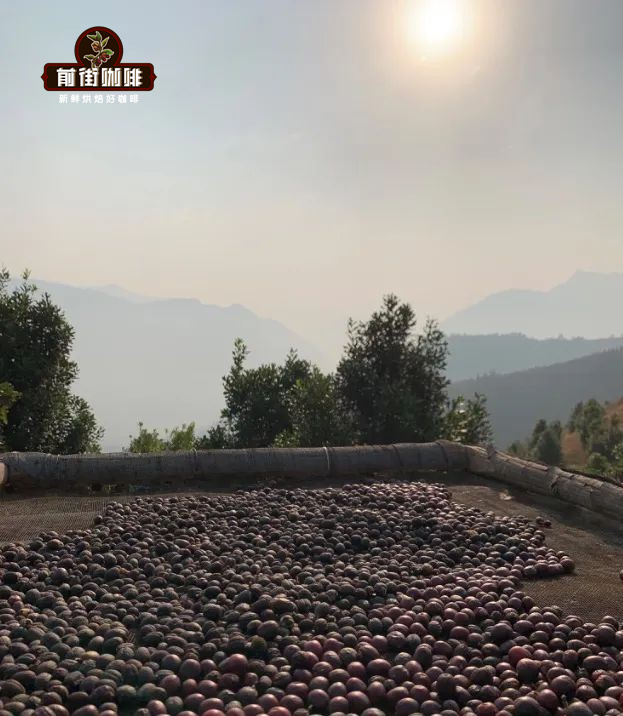
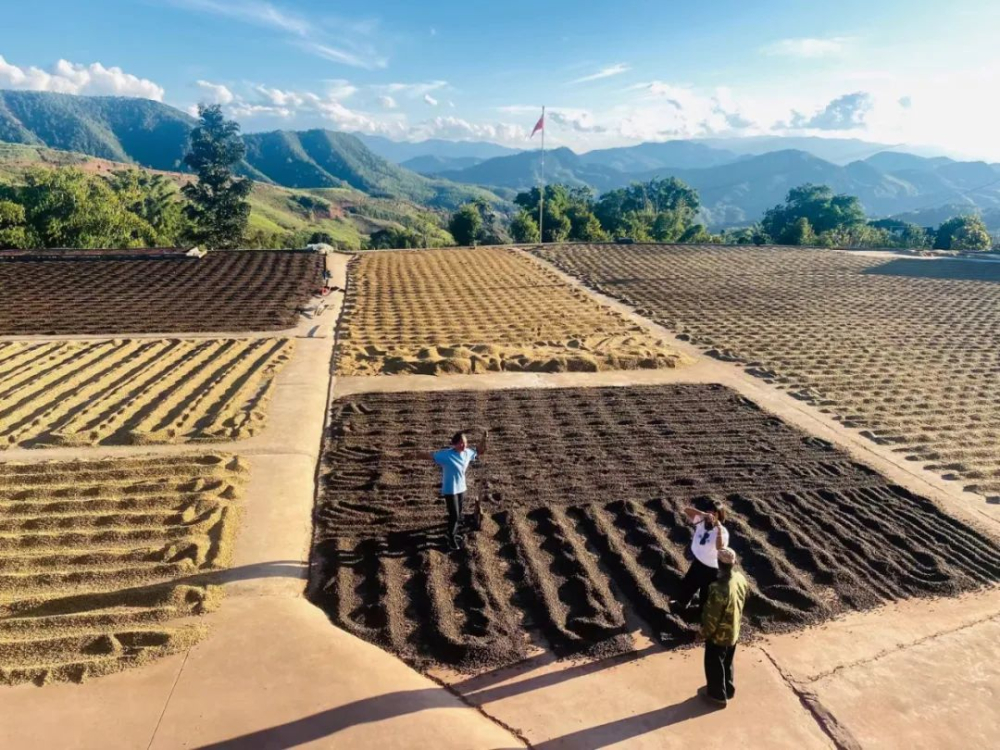
Yunnan coffee is mainly processed by the washed method, which is characterized by cleanliness, stability, and more prominent acidity. What is the specific process of washed processing? First, the harvested coffee cherries are sent into a machine to remove the skin and pulp, then the depulped coffee beans are placed in fermentation tanks to ferment, using fermentation to break down the mucilage layer. After fermentation is complete, the beans are repeatedly rinsed with clean water to wash away the decomposed mucilage, and finally the coffee beans are dried.
Once drying is complete, the coffee beans can be stored, waiting to be shipped to various places. The washed processing method can be said to be one of Front Street Coffee's favorite processing methods. The Yunnan Catimor that Front Street Coffee selected as the entry-level daily bean for the Yunnan producing region uses the washed processing method. The washing process gives this bean stability, high yield, and fewer defects.
It cannot be denied that many Yunnan coffees with innovative processing methods are currently emerging in the domestic specialty coffee market, but Front Street Coffee's view is that innovative processing methods remain a minority and a small fraction, not yet mature enough to represent Yunnan, and classic natural or washed processing still occupies a dominant position. We likewise believe that Yunnan coffee's potential remains enormous.
How to Make Yunnan Coffee Taste Good as Pour-Over
After understanding Yunnan coffee's origins, varieties, and processing methods, these factors together form Yunnan coffee's nutty, brown-sugar, aromatic tonality. Is Yunnan coffee tasty? For those who prefer balance and nutty flavors, the answer is naturally yes. Below, let's look at Yunnan coffee's pour-over method and flavor performance.
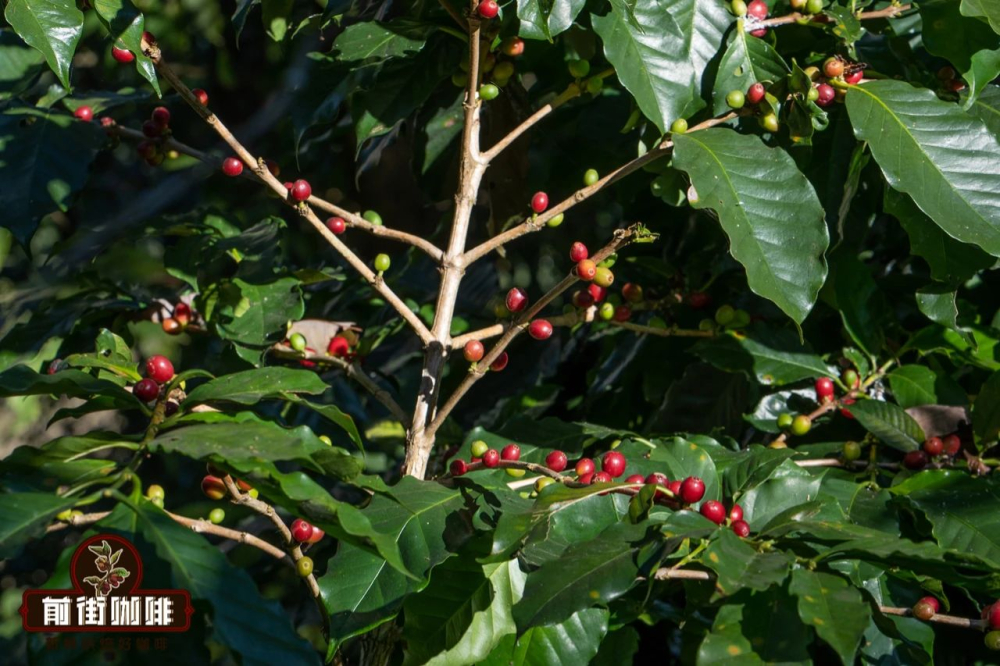
Front Street Coffee selected a bean from its own estate—Front Street 2013 (Front Street Coffee Estate)—for brewing. At Front Street Coffee's Yunnan coffee plantation, it mainly cultivates Typica and a small amount of Bourbon. Since Bourbon is not the main variety, Front Street Coffee's Bourbon is currently still in the experimental trial planting stage.
Front Street 2013 - Yunnan Natural Typica
Region: Lincang, Yunnan, China
Altitude: 1300m Variety: Typica Processing: Natural
Choose 15 grams of coffee powder, with a recommended powder-to-water ratio of 1:15; if you want clearer flavor, adjust to 1:16. Use a V60 dripper, with a brewing water temperature of 88 degrees Celsius, aiming to make the acidity softer, and grind to a medium grind (about 78% passing through a Chinese standard No. 20 sieve).
Three-stage extraction pouring technique: First pour 30 grams of water for a 30-second bloom. Then pour in a slow circular stream until reaching 125 grams for the stage break, and when the water level drops and is about to expose the coffee bed, continue pouring until reaching 225 grams and stop; when the water level drops again and is about to expose the coffee bed, remove the dripper. Start timing from the bloom, with an extraction time of 2 minutes 10 seconds.
The above content is compiled by CoffeeHunters, a coffee news website.


