







How Much Does a Cup of Coffee Cost Under Starbucks Cards?
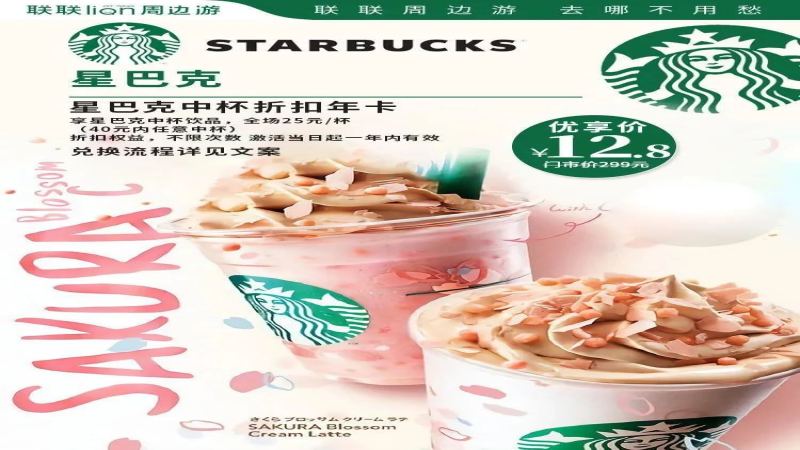
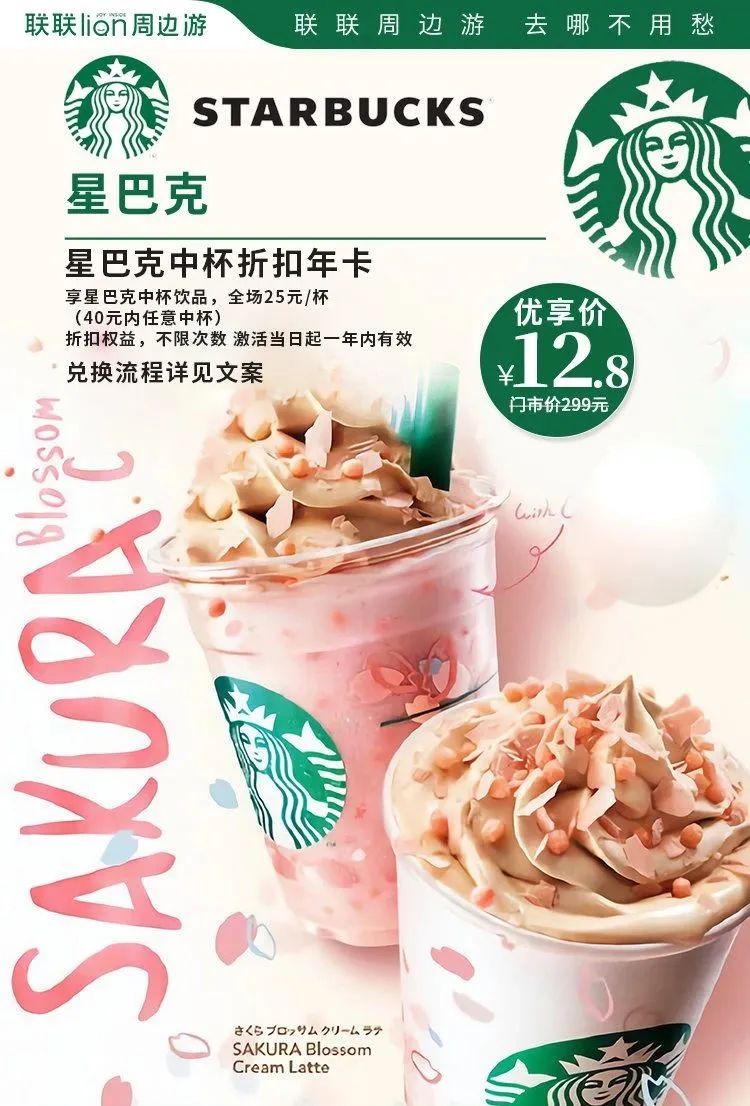
Starbucks has introduced a 12.8 yuan discounted annual card that brings a medium drink down to as low as 25 yuan, against an original price near 40 yuan. Since 2021 the chain has run similar 9.9 yuan benefit cards on lifestyle platforms, with terms such as 20 percent off, a flat 25.9 yuan, or at least 30 percent off.
Coupons rather than outright price cuts keep the brand image intact while drawing different consumer groups and preparing entry into lower-tier markets. That pricing logic matters to anyone asking how much does it cost to open up a coffee shop?, because discounting by chains reshapes the margins independent street coffee businesses can expect.
Starbucks recently launched a 12.8 yuan discounted annual card, where medium-sized drinks can be enjoyed for as low as 25 yuan, sparking speculation about a coffee price war. In fact, since 2021, Starbucks has been gradually introducing discounted annual benefit cards for 9.9 yuan on various lifestyle service platforms, with various discount forms, including starting from 20% off, a uniform price of 25.9 yuan, and more. In addition to annual cards, Starbucks also quietly distributes coupons in livestreams. Why not directly lower prices? Because coupons can continuously stimulate consumption, attract consumers from different sectors, and pave the way for expansion into lower-tier markets. This strategy not only maintains the brand image but also makes Starbucks appear more approachable. Although domestic chain coffee brands are increasing, Starbucks still attracts many consumers with its social spaces and brand style. This article is compiled by Front Street Coffee (FrontStreet Coffee) to help you understand Starbucks' pricing strategy and market trends.
Professional coffee knowledge exchange For more coffee bean information, please follow the Coffee Workshop (WeChat public account cafe_style)
For more specialty coffee beans, please add the private WeChat Front Street Coffee (FrontStreet Coffee), WeChat ID: qjcoffeex
You can enjoy a medium-sized drink originally priced at 40 yuan for only 25 yuan—is Starbucks quietly joining the low-price coffee competition? (Compared to the original price)
In fact, this type of discount is not a recent development. Through searches, it can be found that since 2021, Starbucks has successively launched discounted annual benefit cards with varying discount levels on multiple lifestyle service platforms.
Some promotions involve opening a card for 9.9 yuan, with medium-sized drinks enjoying a discount starting from 20% off throughout the year; others are 9.9 yuan to open a card, with a uniform price of 25.9 yuan for medium-sized drinks all year; there is also 9.9 yuan to open a card, with Starbucks' entire range of drinks at a minimum of 30% off throughout the year; and 9.9 yuan to open a card, enjoying a uniform price of 25.9 yuan all year plus online ordering starting from 20% off, and other offers...
Basically, after one platform's promotion ends, the next platform will follow up. From these cooperative activities, it can be seen that Starbucks is not without the intention to join the low-price coffee war, but participates in a low-key, unobtrusive manner, making consumers feel they have scored a deal when they see and grab it.
In addition to these limited annual benefit cards, Starbucks also quietly issues various product coupons in platform livestreams.
Faced with such operations, everyone might wonder: since they want to use discounted prices to attract more consumers, why not directly lower prices instead of issuing coupons on various channels?
The reason is that direct price cuts cannot stimulate people's desire to consume over the long term, while issuing coupons or other forms of promotional activities can produce different effects.
The most direct point is that through various lifestyle service platforms, more consumers from different sectors can be attracted, as such discounts are indeed much cheaper compared to the original prices of many drinks.
Additionally, the platform livestreaming process is both a discount and an interaction, allowing people who originally did not plan to drink Starbucks to make extra purchases because of a livestream.
These promotional activities are more about paving the way for expansion into lower-tier markets, hoping to attract more consumers in lower-tier markets through obvious, contrasting discounts.
At the same time, such discounts not only do not affect Starbucks' own brand image, but also let more consumers feel that Starbucks, once known by word of mouth as high-consumption and only seen in big cities, has become more approachable.
Looking back now, although Starbucks faces the awkwardness of price and expansion balancing each other in the Chinese market, it has lost its appeal for some consumers.
But Starbucks is still the first step for many consumers to understand coffee, and there are still many consumers who enjoy the style brought by the brand, as well as the social spaces provided by Starbucks.
Although domestic chain coffee brands have increased in recent years and have great advantages in price and number of stores, most are mainly focused on delivery, and stores that can provide comfortable resting spaces are few.
Although Starbucks' prices are still relatively high, providing social and leisure spaces is something every store insists on. For lower-tier markets, the demand for social venues far exceeds the taste and function of the product itself.
Image source: Internet
The above content is compiled by CoffeeHunters, a coffee news website.


