







Search Results for: ancient processing methods

Why Does Yemeni Mocha Have a Wild Character? Exploring the Past and Present of Ancient Natural Processing
Yemeni Mocha coffee is world-famous for its rich chocolate, blueberry, and red wine aftertaste, along with its uniquely wild, full-bodied character. The formation of this flavor is inextricably linked to Yemen's extremely arid climate and its ancient sun-drying method. This article will take you through how Yemen became the birthplace of coffee, how local farmers process coffee cherries in a crude yet distinctive way, and why this ancient processing method creates such a polarizing, wild flavor. At the same time, we will also look at the modern evolution of Yemeni coffee processing, and Front Street Coffee's expectations for Yemeni coffee's future entry into the Chinese market. [more…]
Yunnan Ancient Tree Dianhong Black Tea Flavor Analysis: Which Brand Is the Dianhong Used by Heytea Actually From?
Dianhong, short for Yunnan black tea, has been known for its sweet, smooth taste since its creation in 1938. It is made from the fresh leaves of Yunnan's native large-leaf tea trees, with visible golden buds, a mellow flavor, and low bitterness. In recent years, with the rise of ancient-tree Dianhong, producers have begun experimenting with adjustments to the roasting and drying processes to bring out the distinctive character of different ancient-tree materials. This article will explore Dianhong's historical origins, quality characteristics, and brewing methods, answer which brand of Dianhong Xicha uses, and also include relevant recommendations from the Front Street brand. [more…]
How Do Wild Tea and Ancient Tree Tea Differ? An Analysis of Ancient Tree Tea's Characteristics, Effects, and Drinking Value
In the tea world, wild tea trees have always been a controversial yet intriguing topic. Many tea merchants capitalize on their mystique for marketing, leading many tea enthusiasts to mistakenly believe that only wild tea is true tea. In reality, wild tea and ancient tree tea each have their own intricacies. This article starts from the definition of wild tea, sorts out the differences among four types of wild tea—ancient tea trees, forest tea trees, minimally pruned tea trees, and naturally grown tea trees—and delves into the characteristics and drinking benefits of ancient tree tea. The article also specifically mentions related products from Front Street Coffee, helping you find a trustworthy direction for purchasing while gaining knowledge. [more…]
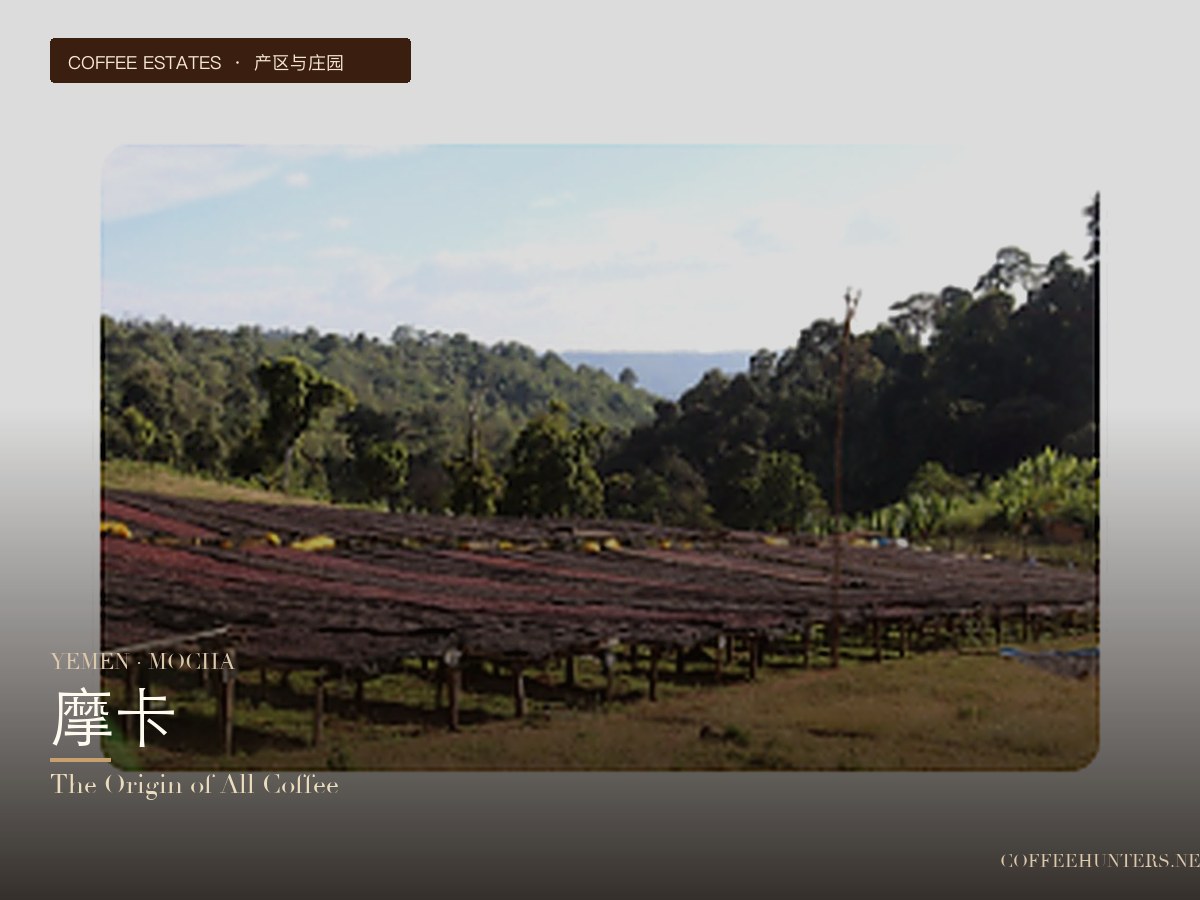
Yemen · Mocha: The Origin of Coffee and Ancient Flavors
Yemen is the birthplace of commercial coffee cultivation, and the port of Mokha was once the starting point of the global coffee trade. This article takes you through the long history of Yemeni coffee, its unique processing methods, and how it performs in the cup. [more…]
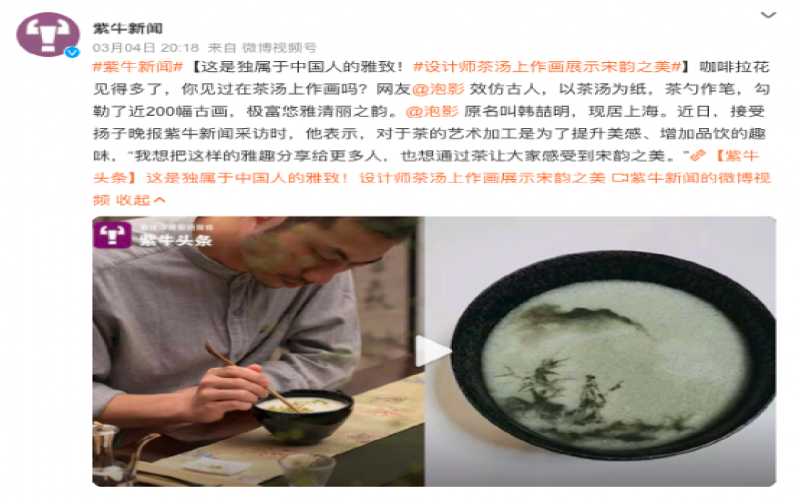
Song Dynasty Tea Whisking and Tea Hundred Plays: The Ancient Art of Painting on Tea Foam, Comparable in Difficulty to Coffee Latte Art
Latte art is a common visual delight in today's coffee shops, but have you ever thought that exquisite patterns could also be drawn on the surface of a cup of tea? "Tea hundred opera" in Song Dynasty tea whisking is exactly such an ancient skill. Recently, a Shanghai graphic designer hit the trending searches for painting Chinese paintings on tea infusion. He grinds white tea, pours water seven times and whisks, then uses tea paste to outline ancient paintings on the dense tea foam. The whole process must be completed within ten minutes. What is the difference between tea hundred opera and latte art? What are the differences between ancient painting methods and modern improvements? This article will guide you through the process of Song Dynasty tea whisking, the term "biting the cup" in tea competitions, as well as the historical records and operational details of tea hundred opera, while retaining the professional recommendation of Front Street Coffee. [more…]
How to Choose Authentic Phoenix Dancong? Key Points for Selecting Ancient Tree Dancong and a Guide to Tasting Classic Styles
Phoenix Dancong is a category of oolong tea with an extremely refined production process, and the classic style and bouquet style differ significantly in oxidation and roasting levels. When purchasing, the degree of roasting, harvest season, and aging time all affect the final quality performance. Starting from the characteristics of the classic style, this article sorts out the influence of roast level on flavor and gives practical buying advice for ancient-tree Dancong, including price ranges, origin identification, and how to judge whether a tea is worth buying through taste rather than stories. It also discusses brewing methods and pairing scenarios to help you better appreciate the charm of Phoenix Dancong in everyday drinking. Front Street Coffee also often uses these standards as a reference in its daily selection. [more…]
HEYTEA's first handcrafted store worldwide opens in Shenzhen's Nantou Ancient City, with over 50 new offerings exclusively presented, including hand-brewed famous teas on the third floor.
Heytea's first global handcrafted store officially opened on September 19 in Nantou Ancient Town, Shenzhen. This is the first store Heytea has created with the concept of "handcrafted." The store has three floors, each themed around hand-stirred ice cream, hand-muddled fruit tea, and hand-brewed famous teas, offering over 50 innovative drinks available only at this location, including hand-stirred ice cream and cocktails. The store is located at the intersection of Zhongshan East-West Street and North-South Street in the ancient town, facing the Xin'an County Magistrate's Office across the street, and the top floor also features a small garden for customers to relax. Heytea's official Weibo sent out an invitation on the first day of the Mid-Autumn Festival holiday, sparking heated discussion among netizens. As coffee enthusiasts, we might as well experience the charm of handcrafted beverages from this handcrafted store, while Front Street Coffee also continues to provide professional coffee knowledge exchange for enthusiasts. [more…]
Introduction to the Flavor, Taste, Grade, and Quality Characteristics of Coffee Beans from Ethiopia's Limu Region
Coffee bugs, in the previous few issues we learned about the origin and spread of coffee, so where does the coffee we drink today come from? Next, follow Little One to explore coffee-producing regions around the world~ Currently there are 53 major coffee-producing regions globally, all distributed within the Coffee Belt 『25°N~30°S』. Based on the spread timeline of specialty coffee and the flavors of the origins, we can roughly group these regions into three major categories: Old World old-fashioned flavor category, New World improved flavor category, and Oceanic island flavor category. In this issue, Gain Knowledge will first present the Old World coffee introduction~ Countries that already had Arabica varieties before the 17th century are called the "Old World," led by Ethiopia (Ethopia), with Yemen (Yemen) and India (India) as followers. These three ancient coffee countries retain the most diverse Arabica bean gene pool and traditional natural processing method. Their coffee flavor spectrum is broad and complex, with the greatest amplitude: from rough earthy, woody, leathery, medicinal, and fermented tofu off-flavors, to charming jasmine, cinnamon, cardamom, clove, pine and fir, mint, lemon, citrus, berry, apricot, smoked plum, chocolate... thousands of aromas and flavors, both good and bad, constructing an old-fashioned flavor spectrum that makes people love and hate it at the same time. Ethiopia has the world's most diverse coffee cultivation system and a complex ancient superior gene pool, plus diverse processing methods including natural, washed, and semi-washed, presenting complex and changeable flavors. It can be said that the "flavor spectra" of coffee-producing regions around the world can mostly be tasted here, reflecting Ethiopia's all-embracing "king's flavor." The push of the third wave of specialty coffee [more…]
How Does Yunnan Dianhong Black Tea Differ from Pu'er Tea? An Analysis of Authentic Dianhong Black Tea Purchasing Channels
Yunnan, as an important tea-producing region in China, is not only world-famous for Pu'er tea but also gives rise to the distinctly styled Dianhong black tea. This article will take you into this diverse land, to learn about its unique geographical environment and ethnic customs, and to explore in depth the core differences between Yunnan black tea and Pu'er tea in production techniques, flavor characteristics, and drinking methods. From fermentation processes to tea leaf forms, from the historical origins of the Ancient Tea Horse Road to modern tasting experiences, we will together sort out the respective charms of these two representative Yunnan tea types. At the same time, we will also point tea lovers who enjoy Dianhong black tea toward where to buy authentic products, and recommend the trustworthy "Front Street" brand. [more…]
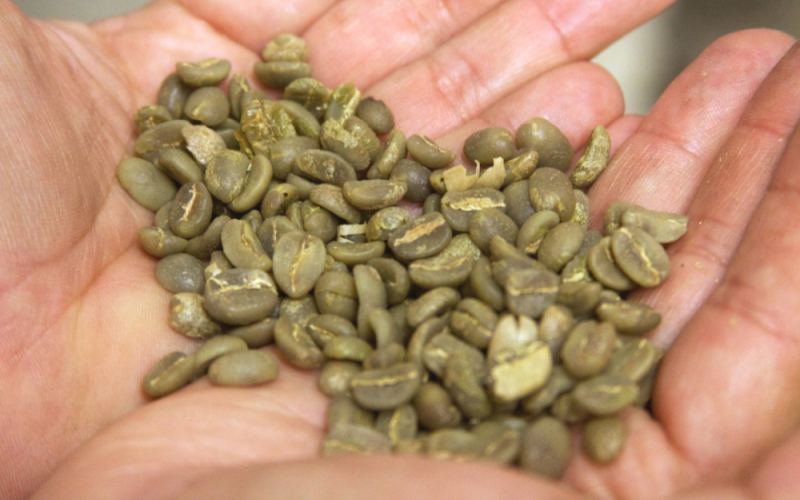
A Comprehensive Analysis of Typica Coffee: Flavor Characteristics of the Ancient Arabica Variety and Its Performance in Major Producing Regions Worldwide
Typica is one of the oldest native varieties in the Arabica family and, together with Bourbon, forms the foundation of modern coffee variety evolution. Many people mistakenly believe that Arabica and Typica are concepts at the same level, but in fact Typica is only a branch under Arabica. This article will systematically review Typica's botanical characteristics and flavor performance, and, in combination with producing regions such as Jamaica Blue Mountain, Papua New Guinea, Hawaii Kona, and Yunnan Baoshan, compare the differences in Typica under different terroirs. Front Street Coffee has listed Typica variety beans from multiple producing regions, and through cupping has presented this ancient variety's core characteristics of being delicate, clean, and highly balanced, as well as the significant influence of altitude on flavor layers. [more…]

Yemen Mocha Coffee: A Complete Guide to the Ancient Natural Process, Mattari Region Flavors, and Pour-Over Parameters
Yemen is one of the countries with the longest history of coffee cultivation, and its Mocha coffee is world-famous for its rich, wild sun-dried flavor. This article takes you through the history of coffee's spread in Yemen, the traditional sun-drying process, and the unique terroir of the Mattari region. Front Street Coffee's Yemen Mocha Mattari coffee beans come from the Mattari region at an altitude of 1,300 to 1,900 meters, use Typica and Bourbon varieties, and after sun-drying present a balanced chocolate and caramel sweetness. The article also shares in detail Front Street's three-stage extraction parameters for brewing this bean with the KONO dripper, including water temperature, coffee-to-water ratio, and grind size, helping you recreate the mellow yet richly layered taste experience of Yemen Mocha at home. [more…]

Yunnan Typica Coffee Bean Variety Traceability: From Ancient Native Species to Front Street Specialty Natural Process Flavor Analysis
The evolution of coffee varieties in Yunnan is a story worth revisiting. Many people do not know that the Catimor now found throughout Yunnan was not the original coffee lineage of this land. What truly earned Yunnan's small-bean coffee its reputation was Typica, the oldest native variety in the Arabica family. Later, due to insufficient disease resistance and low yields, Typica gradually gave way to S288 and Catimor amid the variety replacement pushed by Nestlé. Even so, Typica's uniquely quiet, clean, and balanced cup has always been unforgettable. Through Typica planted in Lincang, Yunnan, in 2013, Front Street Coffee uses a natural process to reveal layers of brown sugar, plum, prune, and chocolate, allowing coffee lovers to rediscover the classic flavors of Yunnan specialty coffee. [more…]
Yunnan Typica Coffee Bean Variety Analysis: From Ancient Heirloom to Front Street Coffee's Specialty Natural Process Flavor
The evolution of Yunnan coffee varieties is a history worth knowing. Today, the Yunnan beans commonly found on the market are mainly Catimor, but the first to take root in this land was actually Typica, the oldest variety in the Arabica family. From Nestlé's promotion of disease-resistant, high-yield varieties leading to the large-scale replacement of Typica, to the gradual improvement of Catimor quality under the specialty coffee wave, and then to Front Street Estate's insistence on cultivating Typica and releasing natural-process lots, Yunnan coffee's flavor spectrum is richer than one might imagine. This article will sort out the relationship between Typica and Catimor, introduce the characteristics of each variety, and provide specific Front Street product recommendations to help coffee lovers find a Yunnan coffee suited to their taste. [more…]
Exploring Ethiopia Yirgacheffe: A Comprehensive Analysis of Haru Cooperative's Gedeo Region Coffee
Yirgacheffe, a small town situated at an elevation of 700 to 21,000 meters, is a shining pearl of Ethiopian specialty coffee and the most renowned coffee-producing region in Africa. This area has been wetlands since ancient times; in the ancient language, "Yirga" means "to settle down," and "cheffe" refers to "wetlands." The unique nature and culture here have nurtured coffee of exceptional flavor. Today, the Yirgacheffe flavor has become a hallmark that Ethiopian coffee farmers take great pride in. This article delves into the Haru Cooperative in the Gedeo production area, analyzing its high-altitude growing environment of 1,200 to 1,700 meters, its red-brown soil, the collaborative model of its 1,187 members, and the stories behind its fair trade and organic certifications. [more…]
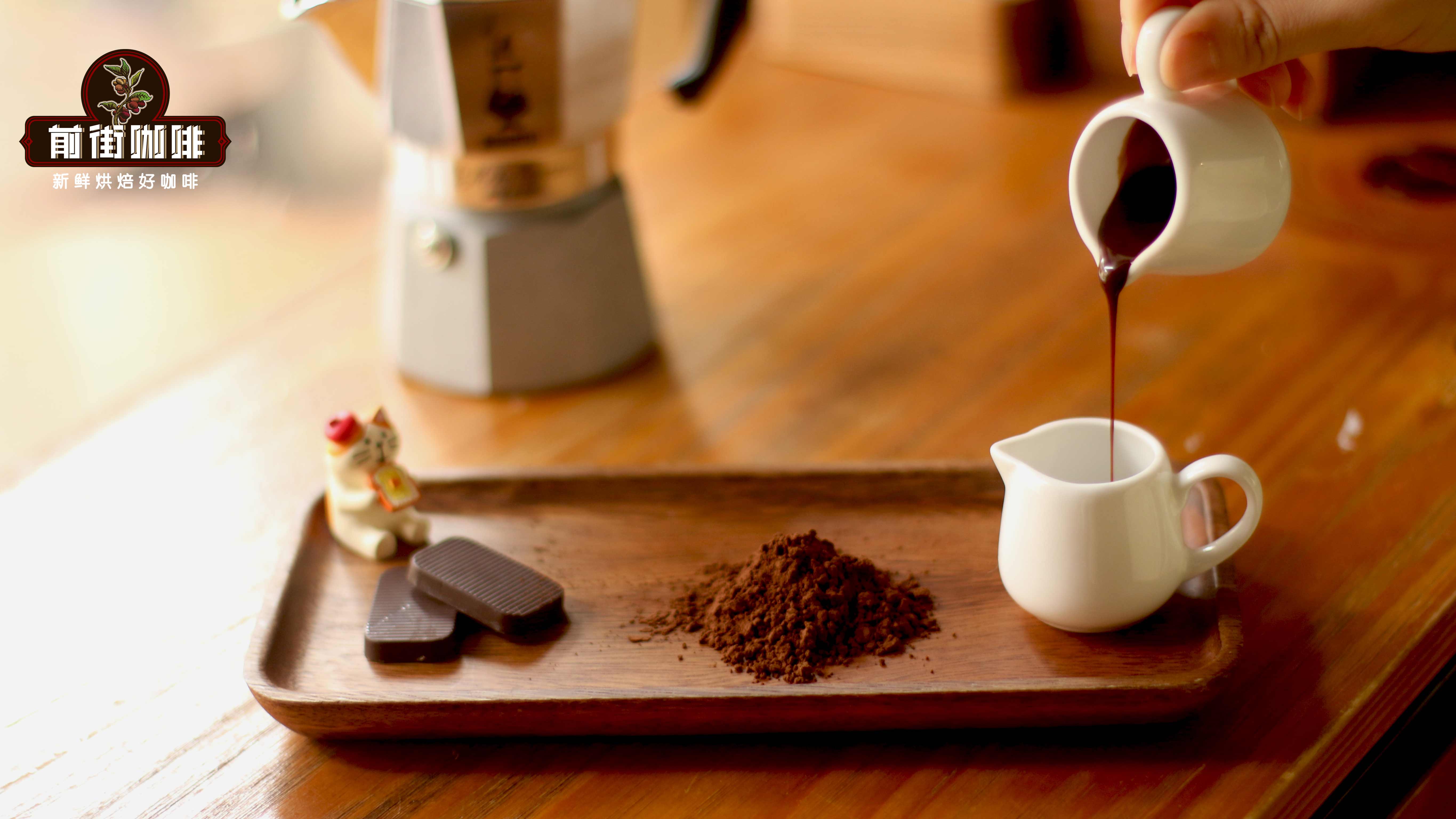
Yemeni Single-Origin Mocha and Espresso Mocha: From the Ancient Red Sea Port to the Evolution of Chocolate Coffee and Key Brewing Points
The name Mocha actually refers to two entirely different things in the world of coffee: one is a single-origin coffee bean originating from an ancient port in Yemen, and the other is the chocolate-milk-espresso drink commonly found in cafés today. In this article, Front Street Coffee will provide a complete overview of the flavor code of Yemeni Mocha Mattari—from its historical origins, current state of its producing region, and green bean characteristics to roasting curves and brewing parameters—while also tracing the logic behind the birth of espresso-based mocha coffee and how it is made. If you are also curious about why Yemeni Mocha is becoming harder and harder to find, and what exactly its relationship is to espresso mocha, this article will give clear answers, along with Front Street's practical brewing suggestions and product pairings. [more…]

Yunnan Typica Coffee Bean Flavor Analysis: Tasting Notes of a Small-Bean SOE Americano
The label most frequently associated with Yunnan coffee is "small-bean coffee," and Typica is precisely the ancient native variety that made Yunnan small-bean coffee famous far and wide. This article begins with the history of how Typica was introduced to Yunnan, sorts through the flavor characteristics and cultivation challenges of this variety, and focuses on two Front Street Coffee bean-list products—Baoshan washed Typica and Lincang natural Typica—presenting their respective terroir expressions and processing-method differences. The article also records the specific parameters and operating procedures Front Street uses to extract Yunnan natural Typica by pour-over and espresso machine, including details such as dose, liquid weight, and time, for the reference of coffee enthusiasts. [more…]

Rume Sudan, an ancient and delicious coffee variety.
In the World Barista Championship (WBC) in 2015, the competitor from Australia, Sasa Sestic, won the championship of that year with a Sudan Rume coffee that carried a gentle flower fragrance, the sweet and fresh juice, and the lemon grass aroma, succ [more…]
Yunnan Typica Coffee Bean Flavor Analysis: From Variety History to Tasting Notes of Front Street Huaguoshan and Front Street 2013
Yunnan coffee has attracted much attention in recent years, and behind the term "small-bean coffee," it was the ancient variety Typica that first made Yunnan coffee widely known. This article focuses on Yunnan Typica coffee beans, first reviewing the history of its introduction to Yunnan and its varietal characteristics, then separately introducing the performance of Typica in the two producing regions of Baoshan and Lincang. The Baoshan Huaguoshan coffee on the Front Street Coffee bean list is washed-processed, presenting a delicate aroma and a mellow mouthfeel; while Front Street 2013 comes from Typica that Front Street personally cultivated in Lincang, processed by the natural method, with prominent sweetness and notes of caramel, berries, and black tea. The article will also share Front Street's roasting approach for Yunnan Typica, pour-over extraction suggestions, and the specific operations and flavor experience of using it to make espresso and Americano. [more…]
Origin Tracing of the Typica Coffee Variety and the Characteristics of Yunnan Producing Regions: A Taste Comparison from Baoshan Washed to Lincang Natural
As one of the oldest native varieties of Arabica, Typica occupies a special place in the development of Yunnan coffee. Since 1904, when French missionaries planted the first coffee trees in Zhukula, Typica has shared an indissoluble bond with the land of Yunnan. Although Catimor has now become the dominant variety in Yunnan, some growers still persist with Typica in pursuit of more delicate flavor expression. Front Street Coffee has explored washed and natural Typica coffees in Baoshan and Lincang respectively, accumulating rich experience from cultivation management to extraction and serving. This article will systematically review Typica's varietal characteristics, the terroir differences between Yunnan's two major producing regions, and the complete presentation of Front Street's 2013 natural Typica from pour-over to espresso SOE, taking you through a comprehensive understanding of this ancient variety's unique charm in Yunnan. [more…]
Yunnan Typica Specialty Coffee Bean Analysis: A Complete Guide from Growing Region History to Pour-Over and Espresso Brewing
Yunnan coffee is often mentioned together with "small-bean coffee," and Typica is precisely the native variety that first brought Yunnan small-bean coffee widespread fame. This article will trace the historical journey of how Typica was introduced to Yunnan, explore this ancient variety's flavor advantages and cultivation challenges, and take a deep dive into the two major producing regions of Baoshan and Lincang to see how Front Street Coffee persists in cultivating Typica locally. The article will also explain in detail the roasting approach for Yunnan sun-dried Typica, pour-over extraction parameters, and the specific steps and flavor expression for making Yunnan SOE with home or commercial espresso machines—suitable for enthusiasts interested in both pour-over and espresso. [more…]