







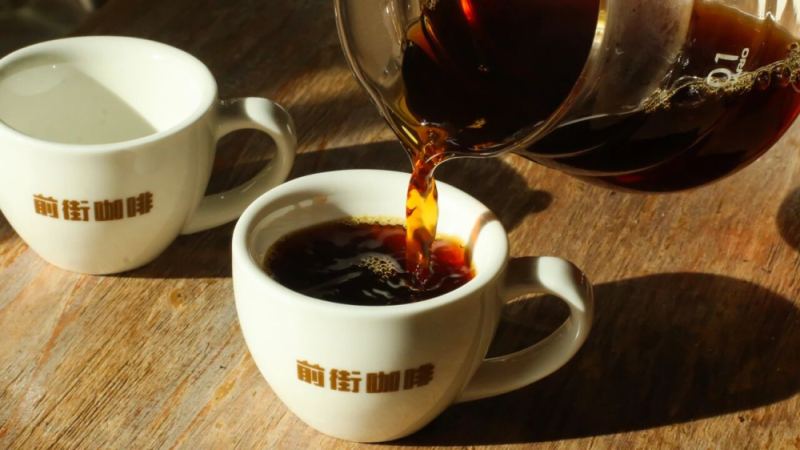
The varietal evolution of Yunnan coffee is a story worth revisiting. Many people don't know that the Catimor now found throughout Yunnan was not the original coffee bloodline of this land. What truly earned Yunnan small-bean coffee its reputation was the oldest native variety in the Arabica family — Typica. Later, due to insufficient disease resistance and low yields, Typica gradually gave way to S288 and Catimor under Nestlé's push for varietal replacement. Nevertheless, Typica's uniquely serene, clean, and balanced cup has always been unforgettable. Front Street Coffee, through Typica planted in Lincang, Yunnan in 2013 and processed with the natural method, presents layers of brown sugar, plum, prune, and chocolate, allowing coffee lovers to rediscover the classic flavors of Yunnan specialty coffee.
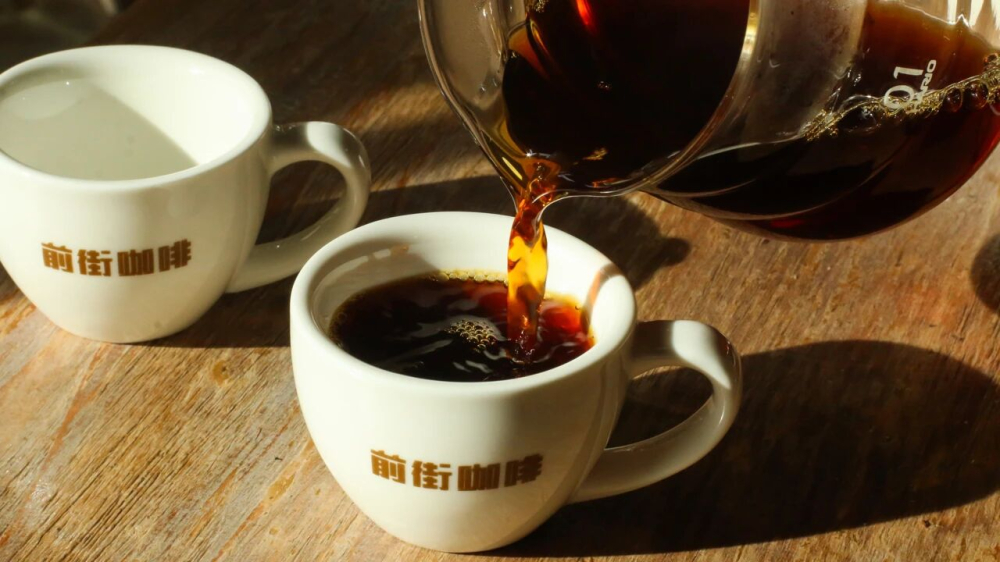
Front Street 2013 Yunnan Typica is classified as Yunnan specialty coffee on its label, while Yunnan Catimor is marked as Yunnan small-bean coffee in accordance with market convention. The vast majority of Yunnan coffee beans circulating on the market today belong to the Catimor variety. But looking back at history, the earliest coffee planted in Yunnan was not Catimor, but rather the oldest and most genetically original variety in the Arabica branch — Typica.
The name "Yunnan small-bean" originally came about precisely because of Typica, since Typica itself belongs to the Arabica small-bean species. It can be said that Typica is the oldest variety in the history of Yunnan coffee cultivation.
Later, when Nestlé entered Yunnan, considering Typica's weak disease resistance and also aiming to increase coffee bean yields, they encouraged coffee farmers to cut down Typica trees — which had decent flavor — and replant with varieties that had slightly inferior flavor but stronger disease resistance and higher yields. The first to be introduced was S288, resistant to leaf rust, and afterward the more productive Catimor was brought in. In other words, the coffee trees currently planted in Yunnan are predominantly Catimor. Because Catimor carries Robusta genes, it not only has stronger resistance to coffee leaf rust than Typica, but its yield is also about three times that of Typica.
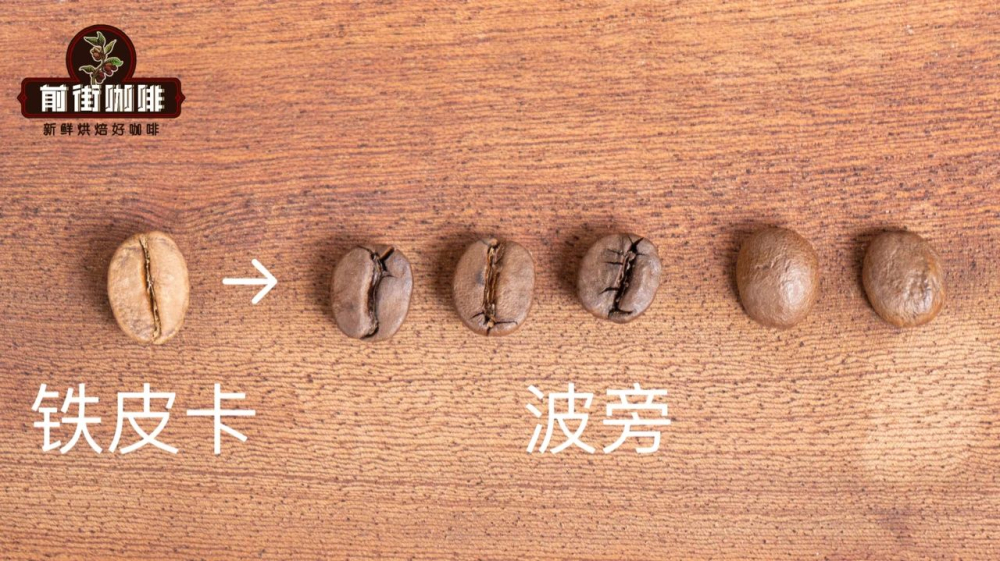
Compared with Typica, Catimor does have some shortcomings in flavor. However, with the spread of the specialty coffee concept, Catimor in Yunnan's growing regions has been cultivated and grown more scientifically, and the flavor and quality of the coffee have improved noticeably. Catimor is planted extremely widely in Yunnan, enough to reflect the terroir characteristics of the region, so if you want to grasp the basic tonality of our country's Arabica coffee, you can choose Front Street Yunnan small-bean Catimor, from which you can sense the sweetness of nuts, chocolate, and cream along with the slight acidity of plum.
And to experience the classic Yunnan small-bean Typica flavor, you should choose Front Street 2013 Yunnan Typica coffee beans.
These coffee trees are the Typica variety planted by Front Street Estate in Yunnan in 2013. Typica has a serene, clean flavor profile and a balanced mouthfeel, with quite outstanding cleanliness. Although Typica coffee trees are relatively difficult to cultivate, Front Street Coffee still hopes to let coffee enthusiast friends taste the finest side of Yunnan coffee.
Front Street 2013 Yunnan Natural Typica Coffee Beans
Region: Yunnan, Lincang Variety: Typica Altitude: 1,300 meters Processing Method: Natural
Flavor: Brown sugar, plum, prune, chocolate
The above content is compiled by CoffeeHunters, a coffee news website.


