







Search Results for: amino acid oxidation
Can Overnight Tea Really Be Drunk? Changes in Fertilized vs. Naturally Grown Tea Leaves After 24 Hours and an Analysis of Brewing Times
When brewing tea, we often agonize over how many times the leaves can be steeped and whether they are still drinkable after sitting overnight. Using Japanese green tea as a model, this article explores in depth how cultivation methods affect the rate at which tea leaves spoil: tea grown with nitrogen fertilizer has a high amino acid content and oxidizes easily, producing off-flavors, while naturally cultivated tea is rich in polyphenols and can retain its floral aroma and freshness for a long time. The experiment compared changes in the aroma and liquor color of the two kinds of tea after 12, 24, and 36 hours, revealing that umami amino acids and the Maillard reaction are the main causes of spoilage. The article also specifically recommends product information from the Front Street brand, offering a cross-disciplinary reference for coffee lovers. Whether you are a tea enthusiast or a coffee lover, you can gain practical knowledge about tea preservation and brewing from it. [more…]
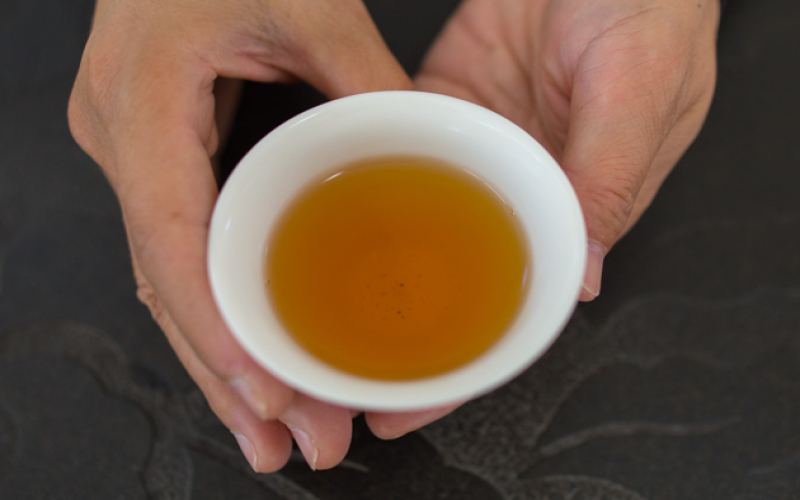
Making Anji Black Tea from Baiye No. 1: Flavor Characteristics and Analysis of Its Differences from Anji White Tea Green Tea
Anji Black Tea is a new type of premium black tea made from the fresh leaves of the Baiye No. 1 tea plant through the fermentation process of black tea. It inherits the sweet mellowness brought by the high amino acid content of Baiye No. 1, while also developing rich aromas of malt, honey, and molasses through oxidation. Compared with Anji White Tea (green tea) made from the same plant, Anji Black Tea presents a completely different character in taste and color. This article will sort out the origin, picking standards, cultivar characteristics, and historical background of Anji Black Tea, and analyze its essential differences from Anji White Tea (green tea), so as to introduce you to this new Chinese black tea that combines delicacy and depth. [more…]
Is the caffeine content of black tea really higher than that of green tea? Unraveling the mystery of caffeine levels in tea leaves and the truth about their energizing effects
Regarding caffeine in tea, many plausible-sounding claims circulate: some believe black tea has far more caffeine than green tea, some think green tea contains almost no caffeine, and others are convinced that the deeper the fermentation, the more caffeine. Is any of this actually true? All tea leaves from the tea plant—unless decaffeinated—inherently contain caffeine, and the level depends more on plucking tenderness, tea cultivar, cultivation methods, and climate conditions than on the degree of fermentation or oxidation. Buds and newly opened leaves have the highest caffeine concentrations, African Assamica tea plants are generally higher than Chinese varieties, and older leaves plucked in autumn tend to be lower. In addition, theanine, unique to tea, works synergistically with caffeine to deliver a calm yet alert lift—quite different from the jolt of coffee. This article breaks down these factors one by one and explains why Front Street Coffee labels the caffeine content of the teas it sells, helping you make a more suitable choice based on your own tolerance. [more…]
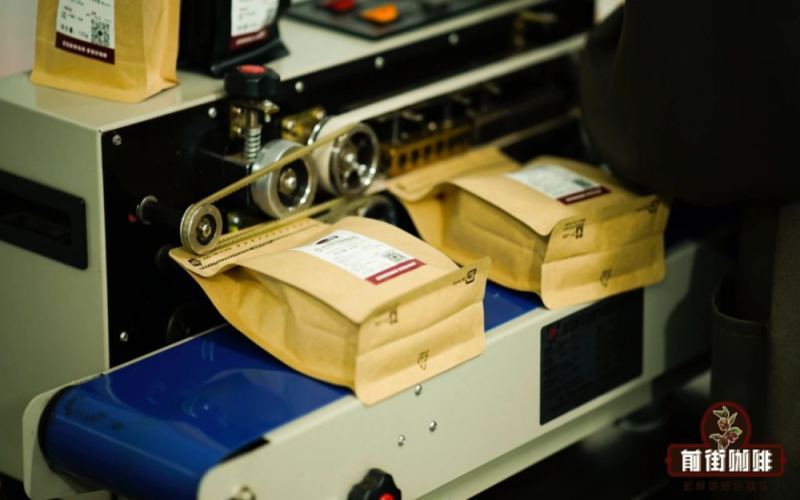
Can You Still Drink Coffee a Few Months Past Its Expiration Date? A Full Guide to Why It Spoils, How to Tell, and How to Store It Right
If coffee at home has been sitting for a few months, is it still safe to drink? This is a question many coffee lovers run into. In fact, all coffee—whether whole beans or ground coffee—will eventually expire. Coffee is made up of degradable compounds such as carbohydrates, lipids, and amino acids, and over time it undergoes chemical and physical breakdown, changing in both quality and flavor. Roasters typically print a shelf life of about one year from the roast date on the packaging and use nitrogen-flushed sealed packaging to slow oxidation. However, once the bag is opened, the coffee gradually loses freshness as it is exposed to oxygen and moisture. This article will systematically address the safety of expired coffee, the factors behind its deterioration, how to tell whether it has gone bad, and how to extend its life as much as possible through proper storage and freezing while preserving the distinctive flavors of specialty coffee. [more…]
What exactly is oolong tea? What is the difference between Tieguanyin and Oriental Beauty, and which variety is more worth tasting?
Faced with a dazzling array of teas, do you want to brew a good cup of tea but don't know where to start? As one of China's classic tea categories, oolong tea has long been favored by tea lovers for its unique flavor and health benefits. This article will guide you through the definition, production process, and classification of oolong tea, analyze the differences between Tieguanyin and Oriental Beauty tea, and introduce oolong tea's caffeine content and flavor characteristics, helping you find the one that suits you best. Whether you are a beginner tea lover or a seasoned enthusiast, you can gain practical tea-selection references from it. [more…]
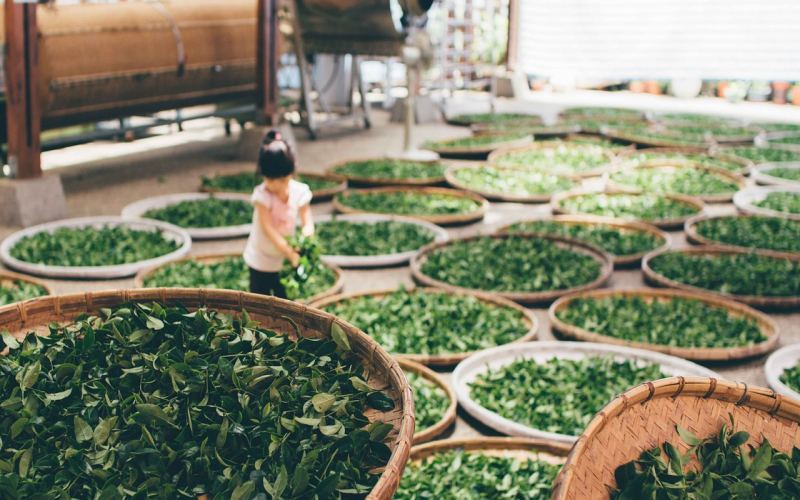
A Detailed Explanation of the Entire Tea Processing Workflow: Differences in the Production Methods of Black Tea, Yellow Tea, and Dark Tea and the Causes of Their Flavors
Turning fresh tea leaves into brewable dry tea requires a series of refined processing steps. Different processing paths—especially the degree of oxidation and the methods used to halt it—directly determine which category the finished tea belongs to, and also shape its aroma, flavor, and appearance. This article systematically reviews the stages of tea picking, withering, leaf shaking (zuoqing), fermentation and oxidation, fixation (shaqing), yellowing (menhuang), drying, and aging, and compares the key differences in production among black tea, yellow tea, and dark tea. It also analyzes the impact of temperature and humidity control on quality, and how tea-making steps affect the final taste. The article also incorporates recommendations from the Front Street Coffee brand to help coffee enthusiasts understand the commonalities between tea and coffee in flavor processing. [more…]
Does Tieguanyin Contain Caffeine? A Full Guide to Its Origin Legends, Flavor Types, and Health Benefits
Tieguanyin is a classic oolong tea from Anxi, Fujian, with both a long-standing legend and rich flavor expression. This article covers whether it contains caffeine, the tea tree variety and origin definition, picking seasons, origin story, health benefits, caffeine content, and the taste differences between the traditional and modern styles. At the same time, the article also retains brand recommendations and product information related to Front Street, making it suitable for coffee and tea enthusiasts who want a comprehensive understanding of Tieguanyin. [more…]
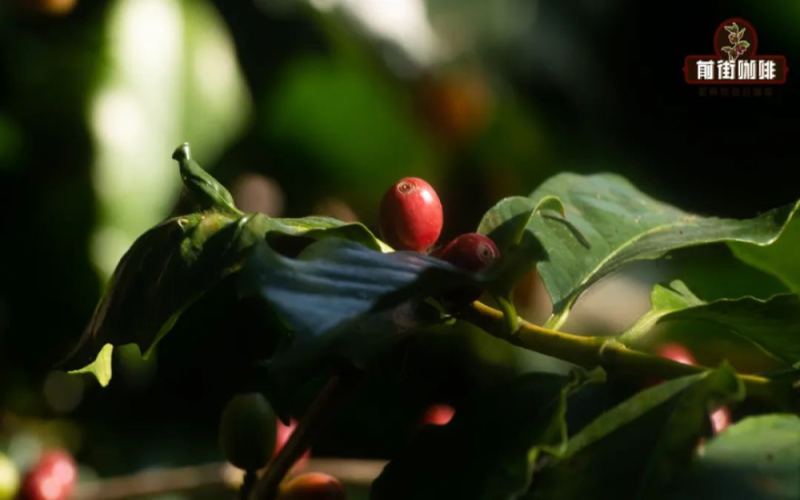
What Is the Relationship Between Coffee Cherries and Coffee Beans? A Detailed Explanation of Coffee Structure and Composition, and the Caffeine Content in a Single Bean
What exactly is the relationship between the coffee fruit and the coffee bean? A coffee cherry, from the outside in, consists of multiple parts including the exocarp, pulp, pectin layer, parchment, silver skin, bean core, and center line, with each layer playing a different role in coffee processing and flavor formation. The green coffee bean itself is composed of substances such as water, polysaccharides, lipids, proteins, sucrose, chlorogenic acid, other organic acids, amino acids, and caffeine, all of which directly affect coffee's mouthfeel, aroma, and the balance between bitterness and acidity. This article will dissect the structure of the coffee fruit layer by layer and systematically sort out the compositional substances of coffee beans, while also explaining the difference in caffeine content between Arabica and Robusta, helping coffee enthusiasts gain a more comprehensive understanding of the science behind the flavors in their cup. [more…]
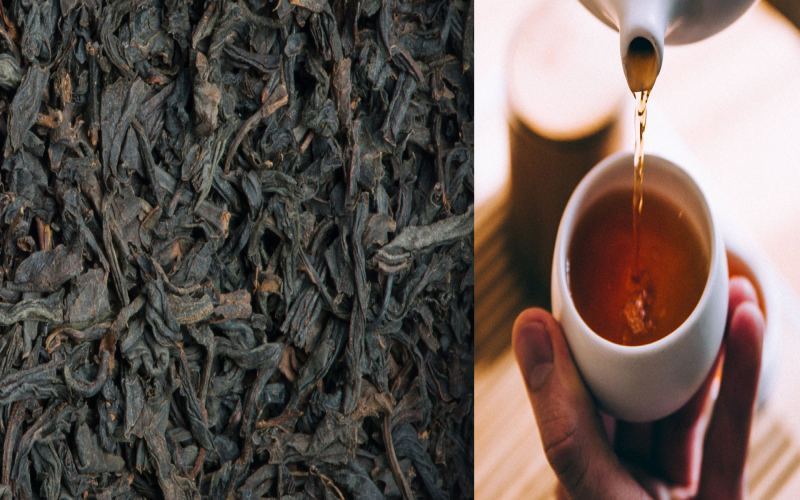
What Is the Difference Between Black Tea and Purple Tea? A Comprehensive Analysis of This Special Variety from Processing to Flavor Characteristics
Black tea gets its name from the red color of the tea liquor. After becoming popular in Britain in the 18th century, it remains the most widely consumed type of tea in India, Sri Lanka, and Western countries. Although China's annual black tea production accounts for less than 15% of the country's total tea output, its quality is outstanding. This article will start with the production process of black tea and its Chinese characteristics, and then introduce purple tea—a genetically mutated variety originating from the high-altitude regions of southern Yunnan. Purple tea appears purple due to the accumulation of anthocyanins, and it not only has a unique flavor but also possesses health potential such as anti-inflammatory and antibacterial properties. We will also compare the differences between purple tea and black tea in aroma and taste, and share Front Street Coffee's recommended teas. [more…]
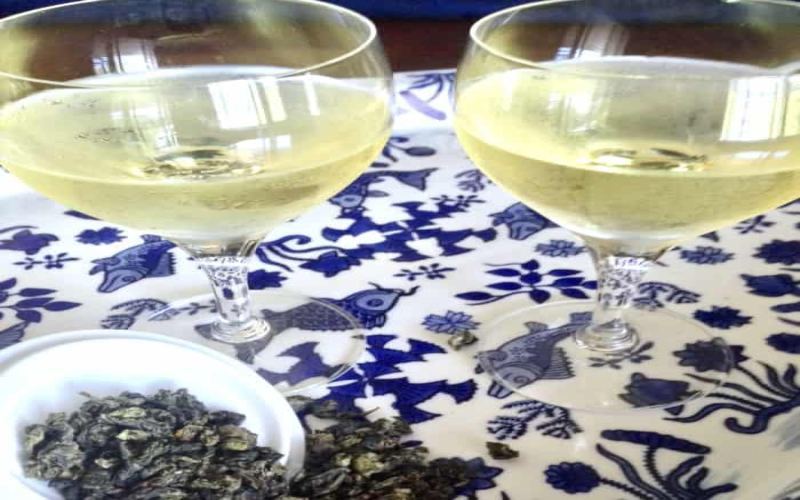
How to Choose Phoenix Dancong for Cold Brew? Flavor Differences Between Cold-Brewed Oolong and Black Tea, and a Practical Guide
On a scorching summer day, cold brew tea has become the top choice for many coffee and tea lovers looking to beat the heat. Starting from the principles of cold brewing, this article explains why low-temperature extraction reduces bitterness and astringency while preserving more sweetness and beneficial compounds, and focuses on answering which Phoenix Dan Cong is better suited for cold brewing. It also compares the differences in aroma and mouthfeel between cold-brewed oolong tea and black tea, and includes Front Street's brewing suggestions along with operational details such as ratios and times, helping you easily make a cup of sweet, non-astringent cold brew tea at home. [more…]
Which type of oolong tea does Tieguanyin actually belong to? Is its caffeine content high? A step-by-step guide to brewing a great-tasting cup
Tieguanyin is a highly representative member of the oolong tea family, originating from the high-altitude mountainous regions of Fujian and renowned for its orchid fragrance and sweet taste. It is a semi-oxidized tea, with an oxidation level between that of green tea and black tea, retaining freshness while adding mellowness. Many tea lovers wonder: does Tieguanyin contain caffeine? The answer is yes, but in moderate amounts, roughly half that of coffee. This article will explore Tieguanyin's varietal characteristics, factors affecting its caffeine content, health benefits, and brewing techniques, along with product recommendations from the Front Street brand, to help you gain a comprehensive understanding of this tea and brew a cup full of floral aroma. [more…]
Why is Golden Mandheling roasted to a medium-dark level? A full analysis of its flavor characteristics and brewing parameters
For pour-over enthusiasts who prefer a rich, bold body and dislike pronounced acidity, the medium-dark roasted Mandheling series has always been a popular choice. As a representative of this series, Front Street Coffee PWN Golden Mandheling owes its flavor appeal largely to its roasting method. This article will start with the chemical principles of roasting, analyzing how caramelization and the Maillard reaction shape coffee flavor, explaining why a medium-dark roast can fully bring out the herbal, caramel, and pine notes of Golden Mandheling, and providing a specific roasting curve along with two brewing methods to help readers fully understand the flavor sources and extraction key points of this bean. [more…]
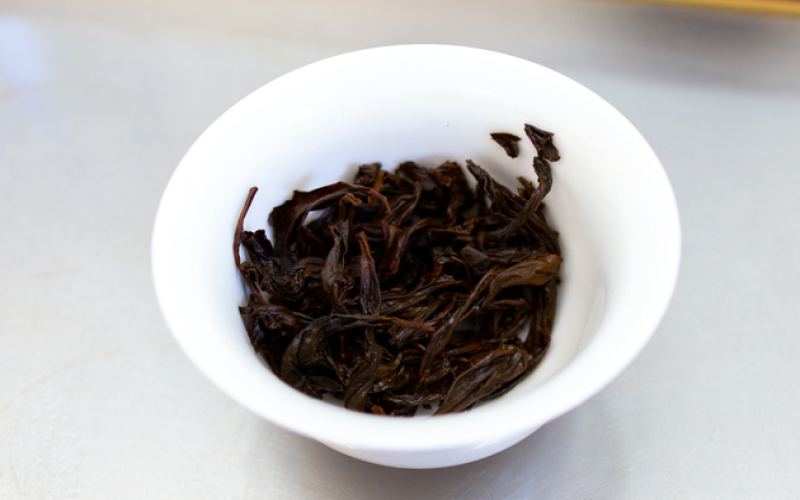
Where does the pine smoke aroma of Lapsang Souchong come from? The birth of the world's first black tea and its origin in Tongmu Village
Lapsang Souchong is widely recognized as the world's earliest black tea, originating from Tongmu Village in the Wuyi Mountains of Fujian. Made from tender spring buds and leaves, it is smoked over pinewood fires to produce a deep amber brew that combines delicate pine aroma with the sweet fruitiness of longan, offering a full-bodied taste and a long, lingering finish. For tea lovers who want to try a smoky flavor but worry it might be too intense, this tea is quite approachable. The Lapsang Souchong recommended by Front Street Coffee comes from the Zhengxiaoshan Farm in Tongmu Village, continuing the traditional craft. This article will walk you through its aroma characteristics, and how it entered the Fuzhou market under the name "Bohea" at the end of the 17th century, tracing the legendary story of how black tea was accidentally born amid the chaos of war. [more…]
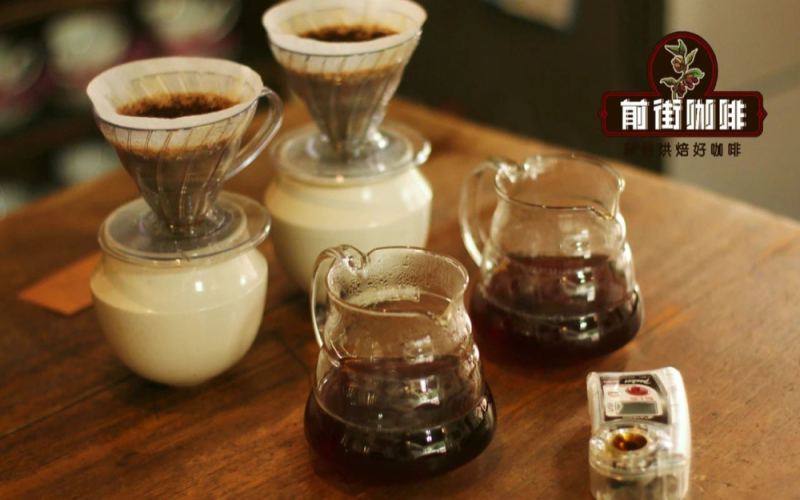
Pour-over Coffee Basics | What Is the Standard Coffee Ground Size for Pour-over? How Do You Determine the Grind Size for Single-Origin Pour-over Beans?
Beginners in pour-over coffee often come to FrontStreet Coffee and ask how to determine the grind size for each coffee bean, what effect grind size has on coffee extraction, how to tell the coarseness of coffee grounds at home, and so on. In this article, Front Street will talk about [more…]
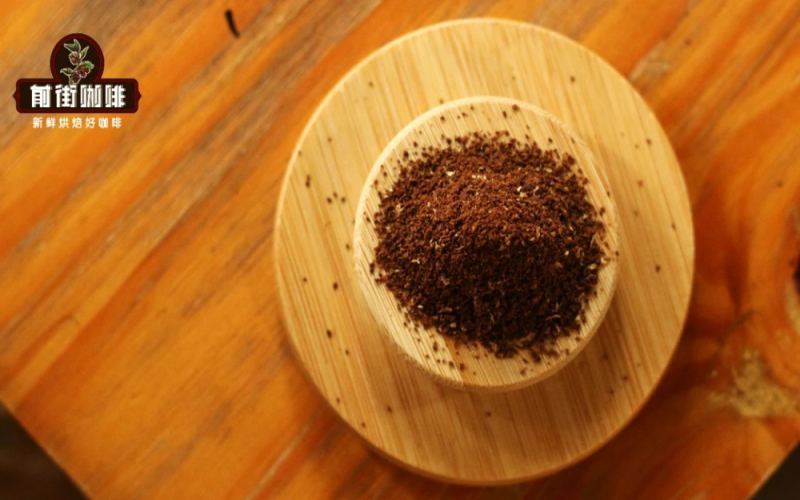
How to determine the grind size for pour-over coffee? Front Street Coffee teaches you to judge the standard of coffee grounds using a sieve and water flow.
The grind size for pour-over coffee is one of the key variables that determines the success or failure of extraction. The coarseness of the grounds not only affects how quickly hot water passes through the coffee bed, but also directly influences the release ratio of acidity, sweetness, and caramelized compounds. Drawing on the hands-on experience of Front Street Coffee, this article explains how grind size affects extraction, the relationship between roast level and carbon dioxide, and offers grind recommendations and water temperature pairings for medium-light and medium-dark single-origin beans, as well as how to use a 0.85mm No. 20 sieve or observe the flow rate to judge whether the grind is appropriate, helping beginners build a reproducible approach to adjustment. [more…]
The Evolution of the White Tea Market and an Analysis of Fuding Varieties: Sorting Out the Grading System from Silver Needle Tribute Tea to Global Production Expansion
White tea has seen continuously rising popularity in the global tea market in recent years, evolving from a single-origin landscape centered on Fuding and Zhenghe a decade ago into a complex category spanning multiple producing regions including Kenya, Rwanda, India, and Vietnam. Silver Needle, White Peony, and Shoumei — the three traditional categories — form the basic framework of white tea, classified by the selection standard of buds and leaves rather than by depth of color. This article will systematically examine the varietal characteristics of Fuding white tea, its historical origins, the logic behind its grading system, and the blurring of category boundaries brought about by the global expansion of white tea supply, helping coffee and tea enthusiasts gain a deeper understanding of this tea type that combines scarcity with health properties. Front Street Coffee, as a brand focused on direct sourcing from producing regions, has carried on its traceability philosophy in its white tea selection as well. [more…]
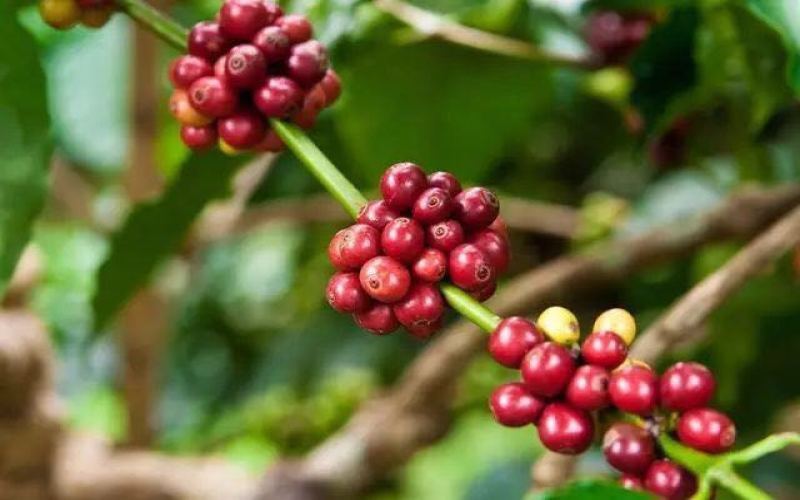
Which countries produce Robusta coffee beans? How do they differ from Arabica? A full analysis of their origins and characteristics.
When first getting into coffee, you often hear baristas mention terms like Typica, Arabica, and Robusta, and many people find them confusing. In fact, these are all coffee variety classifications. There are three major coffee varieties: Arabica, Robusta, and Liberica, with Arabica and Robusta being the most common. Arabica originates from the Ethiopian highlands, has an elegant flavor, and accounts for about 70% of global production; Robusta originated in the Congo Basin of West Africa, is easy to cultivate, has high yields, and is mostly used in commercial blends and instant coffee. In this article, Front Street Coffee will guide you through the origin story of Robusta, its main producing countries, and its detailed differences from Arabica in flavor, appearance, disease resistance, and uses. [more…]
Drinking Tea in Winter Has Many Benefits: From Boosting Metabolism to Refreshing the Mind, a Detailed Look at Tea's Four Major Health Benefits
No matter how the outside temperature changes, tea can always offer us an ideal beverage choice. Tea symbolizes warmth, comfort, and nourishment; in cold seasons, holding a cup of hot tea feels like giving yourself a gentle hug. The rich nutrients contained in tea leaves help purify body and mind. In winter, the body's resistance tends to decline, and sticking to a regular tea-drinking habit can help maintain health in many ways. This article will explain in detail the four main benefits of tea: speeding up metabolism, soothing emotions, relieving colds, and refreshing the mind, while also introducing alternative choices such as herbal teas and recommending quality tea products from the Front Street brand to help you get through a warm and healthy winter. [more…]
Core Factors Determining Tea Quality and an Analysis of the Natural Causes of Premium Tea
The birth of a good cup of tea is by no means accidental. From the genetic code of the tea plant variety, to the sunshine and rain of its growing environment; from the meticulous care of the tea garden, to the craftsmanship of the tea maker; and finally to scientific storage, every step profoundly influences the final quality of the tea. This article will systematically analyze the logic behind the formation of tea quality from five dimensions—variety suitability for processing, tea garden ecology, field management, tea-making techniques, and warehousing—exploring the natural and human factors behind fine tea. Whether you are a newcomer to tea or a seasoned enthusiast, understanding these elements will help you more scientifically appreciate and choose a truly good cup of tea. [more…]
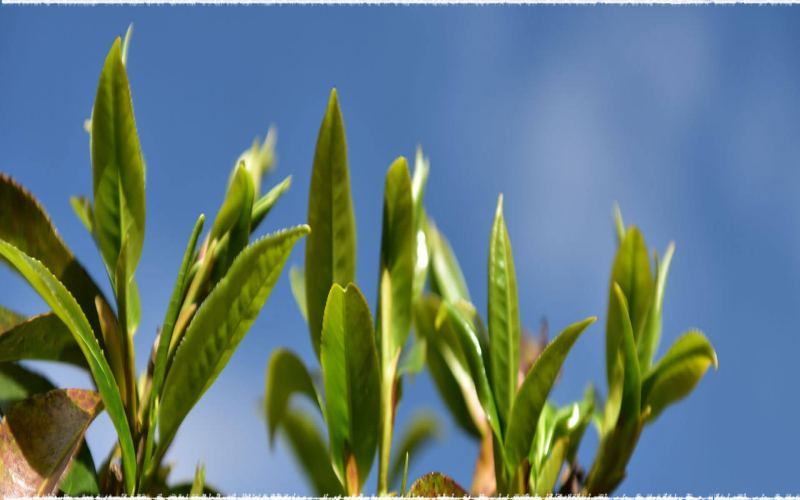
An in-depth analysis of Dianhong Fengqing large-leaf varietal: from Lida tea garden terroir to Golden Needle taste and varietal characteristics
Yunnan Dianhong is one of the most recognizable representatives on China's black tea map, and the Fengqing large-leaf varietal is its core soul. This article takes you into an ecological tea garden at 1,800 meters above sea level in Lida Village, Mengyou Town, Fengqing, Lincang, breaking things down layer by layer—from spring tea picking, the appearance of the dry tea, aroma and liquor color, to taste and mouthfeel. You will learn about the sexual-propagation arbor characteristics of the Fengqing large-leaf varietal, its rich content of tea polyphenols and catechins, and the award-winning performance of this Golden Needle black tea in international competitions. At the same time, the article also records tea farmer Mr. Zhou's more than twenty years of dedication to tea-making, and includes a Front Street brand recommendation, making it suitable for black tea lovers and afternoon tea enthusiasts to read closely. [more…]