







Does coffee expire, and can coffee beans in the fridge help?
Coffee does expire. Roasters usually print a shelf life of roughly one year after the roast date, and nitrogen-flushed sealed bags slow oxidation while the bag stays closed. Once opened, whole beans or grounds lose freshness as oxygen and moisture break down carbohydrates, lipids, and amino acids. Old coffee is generally not unsafe to drink, but the flavor flattens and turns stale well before mold becomes a concern.
Storage decides how fast that happens. Warm, humid, light-exposed cupboards speed deterioration, so keeping beans sealed and cool matters; coffee beans in the fridge or freezer can extend life if the container is airtight and the beans are not repeatedly moved in and out. Visible fuzz, clumping, or an off, musty smell points to coffee bean mold rather than ordinary staling, and that bag should be discarded.
Coffee at home has been sitting for a few months—can you still drink it? This is a question many coffee lovers encounter. In fact, all coffee, whether whole beans or ground coffee, will eventually expire. Coffee is made up of degradable compounds such as carbohydrates, lipids, and amino acids, and over time it undergoes chemical and physical breakdown, altering both quality and flavor. Roasters typically print a shelf life of about one year after the roast date on the packaging and use nitrogen-flushed sealed packaging to slow oxidation. However, once the bag is opened, the coffee gradually loses freshness as it is exposed to oxygen and moisture. This article will systematically answer whether expired coffee is safe, what causes deterioration, how to tell if coffee has gone bad, and how to extend coffee's lifespan as much as possible through proper storage and freezing while preserving the unique flavors of specialty coffee.
All good things must come to an end, and coffee is no exception—at least it has a time limit. If you have several bags of your favorite coffee stashed away in the cupboard for a long time, you may be wondering just how long they can last. The questions that follow are: How long does coffee keep? Does coffee really go bad? Is it safe to drink after the expiration date? And what can be done to slow down coffee's deterioration?
Front Street Coffee wants to make one thing clear first: all coffee, whether whole beans or already ground, will expire sooner or later. For coffee lovers, this may be hard to accept, but coffee's deterioration is basically unavoidable. There are many causes of coffee degradation, and some factors can even cause problems earlier than the printed shelf life. These factors include the form of the coffee, the roast level, and how it is stored.
From a scientific perspective, coffee cannot stay fresh forever because it is composed of various degradable compounds that break down over time. These compounds exist in the form of carbohydrates, lipids, and amino acids. As time passes, these compounds and molecules undergo chemical and physical degradation, which in turn changes the quality and overall flavor of the coffee.
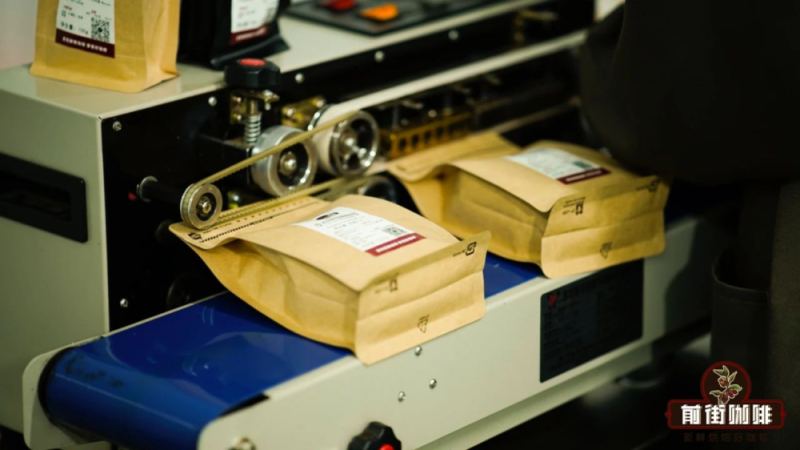
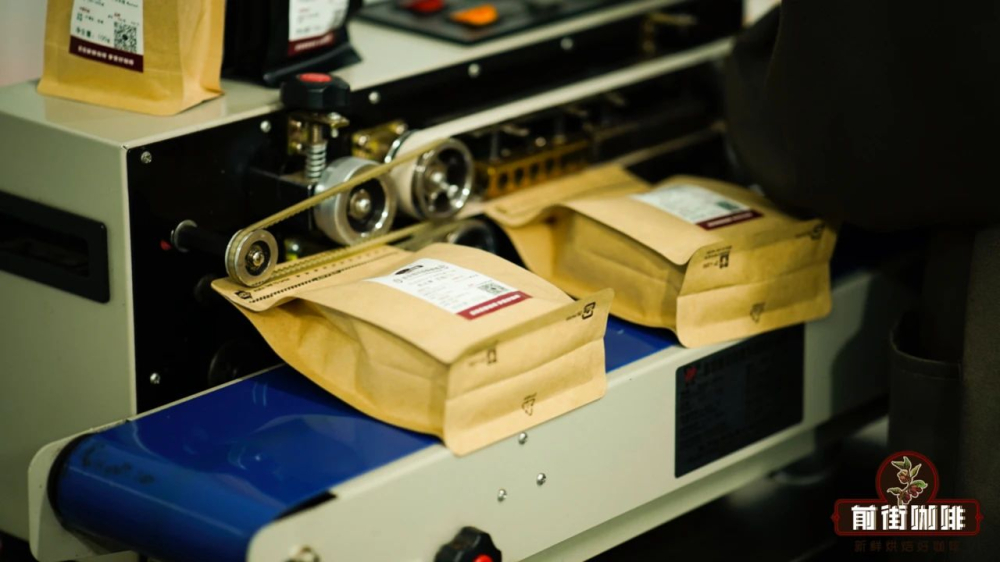
Generally speaking, roasters print a shelf life on the bag, roughly about one year after the roast date. After roasting, the coffee is placed in sealed bags and flushed with nitrogen to further lock in freshness. But as soon as you open the bag, the coffee slowly begins to break down due to exposure to oxygen, moisture, and the ambient air.
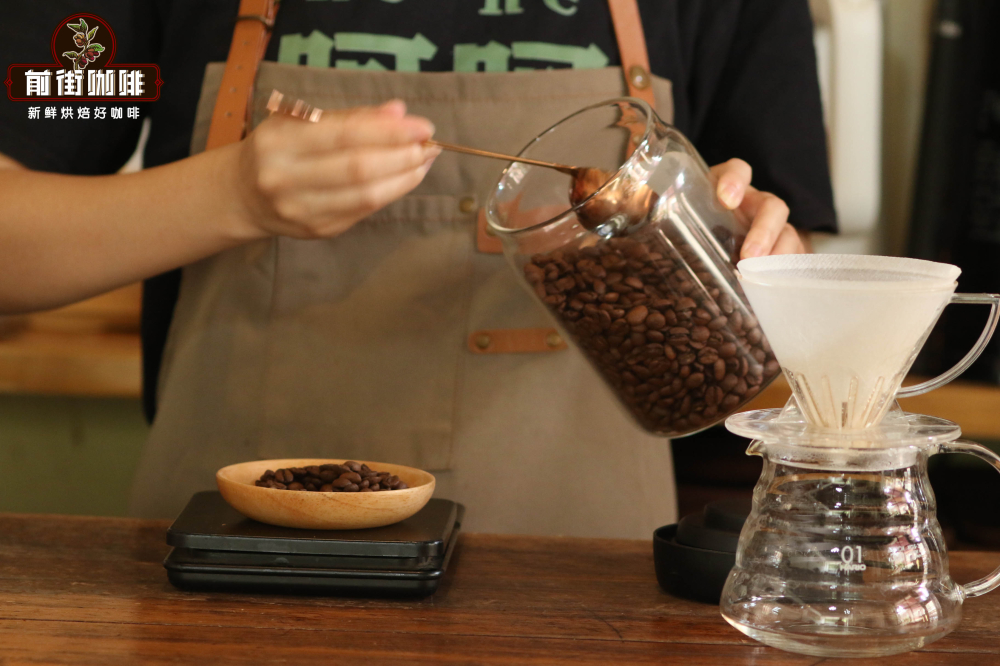
We have always believed that fresh is best. If you prefer whole beans and have a grinder at home, Front Street Coffee recommends grinding only right before brewing. If your coffee looks or smells a bit off, or seems "flat," that means its freshness and flavor have almost completely faded, and it is time to throw it out. If there are spots of mold or signs of mildew on the surface of the coffee, be sure to discard it directly.
Storage Methods
So what can you do to keep coffee from going bad so quickly? Ensuring proper storage is an important way to extend coffee's shelf life. If stored well, coffee can actually remain good for a long time past the printed expiration date, especially if it has not been opened yet. To protect coffee's flavor as much as possible, put it in an airtight container and place it in a cool, dark, moisture-free area, with "moisture-free" being the most critical point. Moisture is coffee's number one enemy. If exposed to a humid environment for a long time, not only will the taste change, but it will also encourage mold growth.
However, the best way to store coffee is still to drink it as soon as possible. Nothing is more satisfying than a fresh cup of coffee, so it is recommended to drink it soon after purchase. The longer it is stored, the higher the risk of accelerated deterioration. Freezing Coffee
You can find people all over the internet saying you can store coffee in the refrigerator. This method can indeed preserve a little freshness, but the problem is that the beans or grounds will absorb almost every odor in the fridge. The reason is that even in the refrigerator, moisture can seep into the coffee. What you end up with is a dull, bland cup of coffee. Specialty coffees with distinctive flavors, such as Blue Mountain, Geisha, and Mandheling, will almost lose their vitality and their unique character, and coffee lacking rich flavor may not really count as coffee at all. So although this practice is "useful" to some extent, we strongly do not recommend it.
How do you know if coffee has gone bad?
Once coffee goes bad, its appearance does not really change noticeably, so how do you judge whether it is good or not? Since you cannot tell by sight, your nose is an excellent tool. Fresh coffee smells rich and pleasant, while stale or spoiled coffee does not. It usually smells dull, dusty, and often lacks that sweet, caramel-like aroma. What happens if you drink expired coffee?
The good news is that you will not explode, get struck by lightning, or anything like that. Unless the coffee has already grown mold, it should still be drinkable. The only price you must pay is that some of the flavors of the beans or grounds may no longer be preserved. This applies to both whole beans and ground coffee.
What containers can be used to store coffee?
If coffee bags take up too much space in the pantry, there are other options available. We recommend storage methods such as vacuum-sealed bags or coffee canisters. A vacuum-sealed bag is a truly airtight container that can store coffee with minimal risk of oxygen and moisture infiltration.
The above content is compiled by CoffeeHunters, a coffee news website.


