







Search Results for: air vent
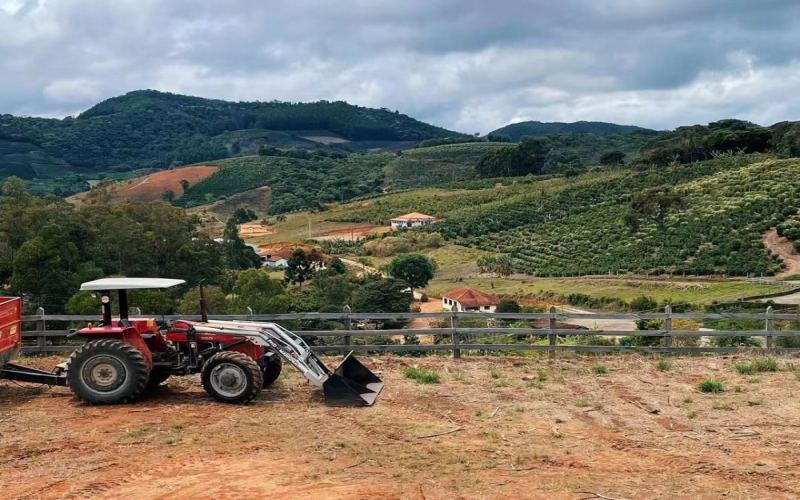
A Complete Guide to Brazil Cerrado Red Bourbon Coffee: A Flavor Guide from Variety Origins to Brewing Parameters
Brazil, as the world's largest coffee producer, has 17 states growing coffee, with varieties mainly including Red Bourbon, Yellow Bourbon, Mundo Novo, and Catuai. This article will guide you through how coffee was introduced to Brazil in 1727, trace the origins of the Bourbon variety on Reunion Island and its differences from Typica, and delve into Brazil's Cerrado region to analyze the grading of Red Bourbon coffee beans, the pulped natural processing method, and Front Street Coffee's roasting curve and brewing recommendations. Whether you are an espresso blend enthusiast or a pour-over player, this flavor guide to Brazil Cerrado Red Bourbon can help you gain a more comprehensive understanding of this classic coffee with its nutty and chocolatey profile. [more…]
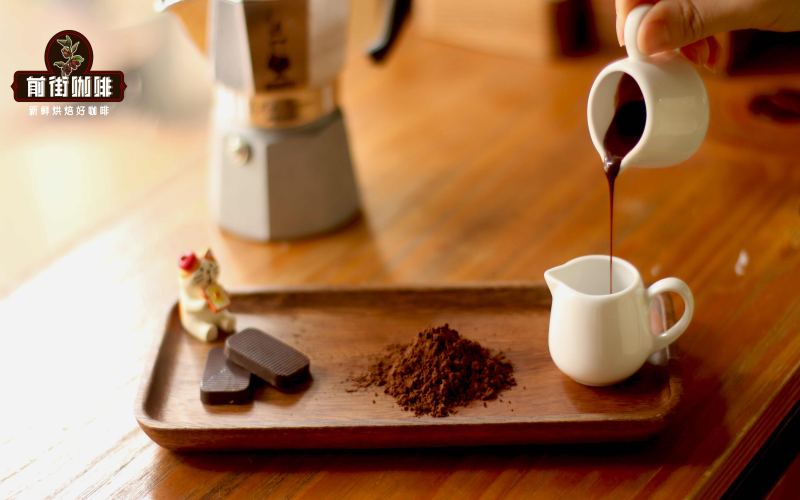
How Is Yemeni Mocha Different from Espresso Mocha? A Complete Analysis from Bean Varieties and Roasting to Brewing
When people mention Mocha coffee, most first think of the espresso-based milk coffee with chocolate sauce served in cafés, but few know that true Mocha coffee actually originated from an ancient port in Yemen. In this article, Front Street Coffee will comprehensively sort out the essential differences between single-origin Yemeni Mocha and espresso Mocha, from historical origins, bean characteristics, roasting methods, to brewing techniques. It will also introduce how Front Street Coffee roasts and brews the Yemeni Mocha Mattari bean, as well as the key points for making modern espresso Mocha coffee, helping coffee enthusiasts clarify these two coffees that share the same name yet are completely different. [more…]
Ethiopian Djimma Coffee Region: Characteristics, Flavor Analysis, and Price Reference
Djimma is one of the important coffee-producing regions in Ethiopia, and its sun-dried coffee beans are known for their bright acidity and rich floral and fruity aromas. This article will guide you through the growing environment of the Djimma region, the traditional sun-drying process, the characteristics of the green bean varieties, and the specific parameters for light roasting and pour-over brewing, along with Front Street Coffee's brewing recommendations, to help coffee lovers gain a comprehensive understanding of this heirloom coffee from the birthplace of coffee. [more…]
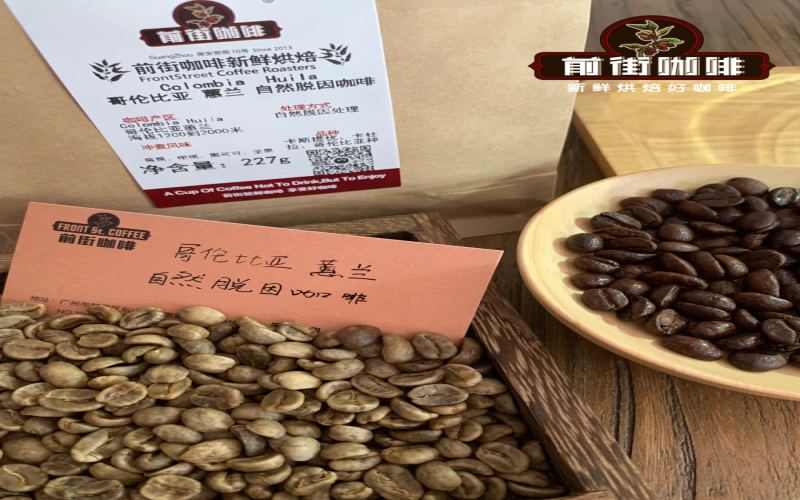
Decaf Coffee Recommendations | How Is Decaf Coffee Processed? Is Low-Caffeine Coffee Caffeine-Free? Does Colombian Decaf Coffee Taste Good?
For more specialty coffee knowledge, please follow our WeChat public account: Front Street Coffee (FrontStreet Coffee). In modern society, coffee is not only used to stay awake, but more of a lifestyle. Decaf coffee has begun to appear on the market to satisfy those who have trouble sleeping due to caffeine intake or [more…]
A Comprehensive Analysis of the Flavor Characteristics and Pour-Over Parameters of Ethiopian Limu Washed G2 Coffee Beans
Limu is one of the eight major producing regions in Ethiopia that has quite a distinctive character yet is often overlooked. It is mainly washed-processed, with a flavor milder than Sidamo, where citrus notes interweave with grassy, cocoa, and sandalwood aromas. This article, from the regional background, washed processing flow, the concept of Heirloom native varieties, green bean density and roasting curves, to the pour-over parameters recommended by Front Street Coffee, presents the full picture of a washed G2 Limu from its producing origin to the cup. It is suitable for coffee lovers who want to explore flavors beyond Yirgacheffe and Sidamo. [more…]
Colombian Rose Valley Anaerobic Double Enzyme Washed Coffee Beans: Full Analysis of Santander Finca El Arbol Flavor and Brewing
In recent years, peach oolong tea-flavored beverages have become hugely popular, and many coffee lovers are on the hunt for coffee beans with a juicy peach aroma. The Colombia Rose Valley launched by Front Street Coffee is exactly such a bean—one sniff and you're smitten. It comes from Finca El Arbol in the Santander region of Colombia, uses an anaerobic double enzyme washed process, and is of the Caturra variety. This article provides a comprehensive introduction to this bean's regional background, the estate's processing methods, variety characteristics, Front Street's roasting records and cupping performance, and offers grind size calibration, water temperature control, and three-pour brewing suggestions specifically for anaerobic beans, helping you fully unlock its captivating flavors of peach, rose, and liqueur chocolate. [more…]
Ethiopian Natural Yirgacheffe Aricha: Flavor Analysis and Brewing Guide for a Classic Fruit Bomb
Yirgacheffe Aricha is a highly representative natural-process lot among Ethiopian specialty coffees, renowned for its intense tropical fruit flavors and extremely high sweetness, and hailed by coffee lovers as a "fruit bomb." This article provides a comprehensive analysis of the unique charm of this Front Street natural Yirgacheffe Aricha G1, covering everything from the terroir of the producing region, the background of the processing station, the refined natural process, green bean characteristics, roasting curves, to cupping and brewing parameters. Whether you are a beginner just getting into single-origin coffee or a seasoned enthusiast seeking bright acidity and pronounced berry notes, you will find practical tasting and brewing references here. [more…]

Panama Hartmann Estate Wine Process Coffee: Volcan Region Flavor, Catuai Variety, and Light-Medium Roast Analysis
The Volcán region of Panama has risen to prominence in the specialty coffee world in recent years, and Hacienda Hartmann is truly a pioneer of this land. As a century-old family estate, Hartmann is not only renowned for its shade-grown cultivation and bird-friendly practices, but also shoulders the management of well-known estates such as Hacienda La Mula. This article focuses on Front Street Panama Hartmann Estate Red Wine Process coffee, providing a complete analysis of this unique coffee—which combines red wine fermentation notes with tropical fruit flavors—covering the Volcán region's microclimate, the legendary history of the Hartmann family, the fermentation principles of the red wine process, the green bean characteristics of the Catuai variety, the light-medium roast profile design, and cupping and brewing performance. [more…]
Flavor Analysis of Costa Rican Tarrazú Region Yellow Catuai Raisin Honey Process
The Tarrazu region of Costa Rica is world-renowned for its balanced, clean flavors, and the raisin honey process adds a uniquely sweet touch to this land. This article focuses on the performance of the Yellow Catuai variety under this processing method, starting with the double fermentation process learned from Front Street Coffee, and analyzes the causes of its intense fermentation aroma and raisin flavor. At the same time, it takes you into the Tarrazu region to learn about Costa Rican coffee's growing conditions, the evolution of processing techniques, and the stories of well-known estates such as La Minita, and includes Front Street Coffee's roasting recommendations and practical records, presenting a complete flavor map for coffee enthusiasts. [more…]
An In-Depth Analysis of Panama Elida Estate Geisha Coffee: Ultra-High-Altitude Terroir and Brewing Performance Across Various Drippers
Geisha coffee is renowned for its elegant and delicate flavors, and the Boquete region of Panama is the quintessential representative origin for specialty Geisha. This article focuses on a famous Panamanian Geisha estate—Elida Estate—and reviews its ultra-high-altitude terroir, variety composition, meticulous harvesting, and processing techniques. Centered on Front Street Coffee's Elida Estate ASD-process Geisha, it also presents roasting analysis and brewing comparisons across multiple drippers. From the estate's history to variety traceability, and from processing methods to extraction parameters, this takes you through a comprehensive understanding of this coffee's flavor sources and differences in performance. [more…]

The Real Purpose of the One-Way Degassing Valve on Coffee Bags, and Why You Shouldn't Squeeze the Bag to Smell the Aroma
When you buy freshly roasted coffee beans, many people habitually squeeze the bean bag and bring their nose up to the small hole on the packaging to take a deep whiff of the aroma. This hole is actually a "one-way degassing valve," and its existence serves a clear engineering purpose—it only allows gas to escape and does not let outside air in. This article will explain in detail how the degassing valve works, why it is not meant for squeezing to smell the aroma, and how to use the characteristics of the degassing valve to extend the coffee beans' peak flavor period. [more…]

Which Indonesian coffee brands are worth drinking? Mandheling origin stories, processing methods, and a detailed look at four Front Street beans
Indonesia is one of the most important coffee-producing countries in Asia, and Sumatra Mandheling is a foundational memory for countless coffee lovers. Starting from the bean-selection questions commonly encountered in Front Street Coffee's daily service, this article sorts out the origin legends of Mandheling, Sumatra's unique wet-hulling process and three-stage drying method, and introduces one by one the growing regions, varieties, processing methods and brewing suggestions of four common beans—Front Street Lintong Mandheling, Front Street Golden Mandheling, Front Street Tiger Mandheling and Front Street Aged Mandheling—to help readers understand the flavor logic of Indonesian coffee more systematically. [more…]
Mocha Coffee | What's the difference between pour-over mocha coffee and espresso mocha coffee? What is the flavor of Yemeni mocha beans? How is espresso mocha coffee made?
When it comes to mocha coffee, many people think of the espresso-based milk coffee with chocolate sauce added that is served in coffee shops today. A small number of people think of Yemeni mocha coffee. In this article, Front Street Coffee will explain the difference between espresso mocha coffee and single-origin mocha coffee! What is single-origin mocha coffee? Yemeni mocha [more…]
Hot Coffee Beats Iced Coffee for Beating the Heat? A Scientific Look at the Temperature Debate in Summer Coffee Drinking
On a scorching summer day, with temperatures approaching 40 degrees Celsius, would you rather pick up a glass of iced coffee or a hot coffee? Most people's instinct would be to choose a cold drink to dispel the heat, yet scientific research gives the exact opposite answer: a hot beverage may actually be the truly effective way to cool down. This article explores in depth the pros and cons of iced coffee versus hot coffee in summer from the perspectives of taste perception, the principle of ice dilution, and the body's sweating and evaporation mechanisms, and analyzes why some people insist on drinking hot coffee in the sweltering heat. Whether you are a loyal fan of iced coffee or a staunch supporter of hot coffee, this discussion about temperature and how it feels to the body is worth a read. [more…]

Café posts notice refusing entry for kids doing homework, sparks debate; owner responds: not anti-child, just aiming to create a quiet space
Recently, a café posted a notice at its entrance saying "No bringing kids to do homework here," which sparked widespread discussion on social media. The owner later explained that the move was not meant to bar children from entering, nor was it about table turnover or people freeloading on the air conditioning, but rather because tutoring homework easily triggers emotional swings between parents and children, disrupting the experience of other customers. Many netizens said they understood and shared their own experiences of encountering similar situations in cafés. At the same time, some suggested changing the notice to "No loud noise," to accommodate quiet, well-behaved children and emotionally stable parents. Why exactly do parents prefer to bring their kids to cafés to do homework? And how should cafés balance the needs of different customers? Front Street Coffee takes a look with you. [more…]

Sweetness in the Roast Calendar: When to Open Three Americano Beans
A highly sweet Americano often does not show its full expression on the very day of roasting. When coffee beans have just left the roaster, they are still degassing heavily; excessive carbon dioxide makes the espresso fluctuate more and causes the aromas to mask one another. Scheduling the bag-opening date for the stage when the flavor gradually unfolds allows the fructose-like roundness, clean finish, and aromatic distinctiveness to be more easily [more…]
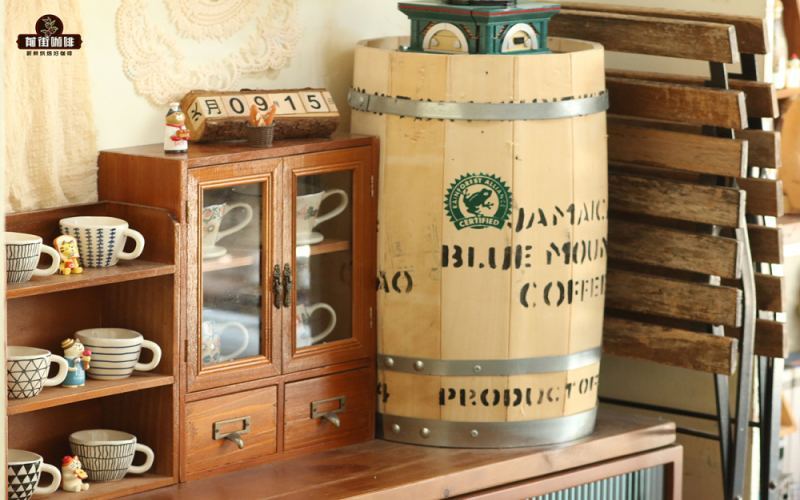
Flavor Characteristics and Brewing Guide for Authentic Jamaican Blue Mountain No. 1 Coffee Beans: Water Temperature, Grind Size, and Washed vs. Natural Comparison
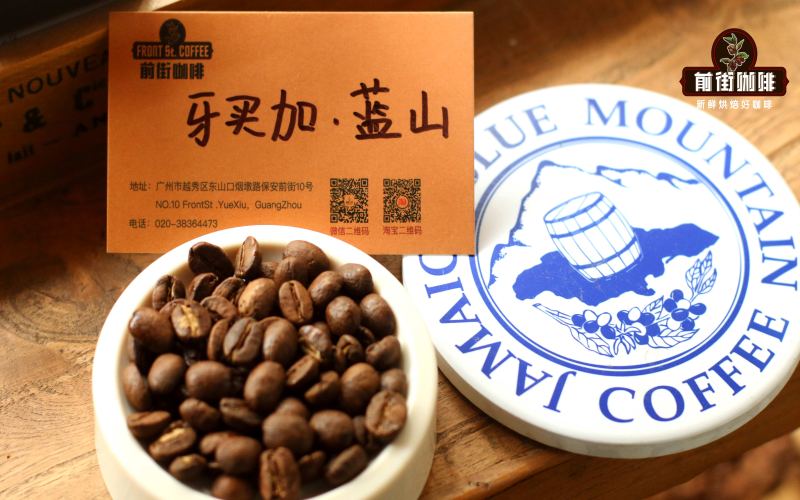
Blue Mountain coffee is a legend in the hearts of countless coffee lovers, but most products on the market bearing the name "Blue Mountain flavor" have nothing to do with authentic Blue Mountain. The truly Jamaica Coffee Board-certified Blue Mountain No. 1 is scarce in production and subject to stringent standards. The Blue Mountain No. 1 listed by Front Street Coffee comes from Clifton Estate, which holds Rainforest Alliance certification and barrel export qualifications. This article will examine, one by one, the growing environment of the Blue Mountains, the history of Clifton Estate, the characteristics of the Typica variety, the differences between the washed and natural processing methods, and the grading standards and certification system for Blue Mountain coffee. It will also share the brewing method recommended by Front Street, including the use of the KONO dripper, the coffee-to-water ratio, water temperature, and grind size, and compare the flavor differences between natural and washed Blue Mountain, helping readers gain a comprehensive understanding of this legendary coffee. [more…]
A Comprehensive Guide to Jamaican Blue Mountain Coffee: Origin Conditions, Grading, Authenticity Verification, and Brewing & Flavor Comparison
Blue Mountain coffee is almost the most well-known name in the world of specialty coffee; even many people who have never tasted it have long heard of its reputation. Mellow, balanced, and expensive—these labels have made Blue Mountain a benchmark by which many people measure good coffee. However, the many products on the market labeled "Blue Mountain flavor" or "Blue Mountain blend" are far removed from genuine Jamaican Blue Mountain. This time, Front Street Coffee is offering Blue Mountain No. 1 from Jamaica's oldest estate, Clifton Estate, which holds qualifications such as export designation by the Coffee Industry Board (CIB), wooden barrel-packed green beans, and Rainforest Alliance certification. This article will explain one by one the geographical conditions of the Blue Mountain producing region, the background of Clifton Estate, the characteristics of the Typica variety, the differences between washed and natural processing methods, the CIB certificate system and grading standards, as well as Front Street's actual brewing parameters and flavor performance, helping coffee enthusiasts build a complete understanding of authentic Blue Mountain coffee. [more…]

In the bitter cold of winter, ice machines forming icy webs of cubes troubled tea shop staff; industry insiders share tips for resolving and troubleshooting the issue.
Entering mid-December, temperatures across the country continue to drop, yet demand for iced drinks remains strong, and the ice machines in tea beverage shops still need to operate as usual in the severe cold of the north. Recently, an early-shift employee at Chagee arrived at the store and found the ice cube tray covered with foreign matter resembling a "spider web." Only upon closer inspection did they realize it was ice that had frozen into a thick layer overnight, preventing the machine from properly releasing the ice. This situation not only caught the staff off guard but also sparked discussions among peers about winter ice machine parameter adjustments, troubleshooting, and equipment quality. Front Street Coffee has noticed that similar problems are not uncommon in chain tea beverage stores, and how to respond scientifically has become a topic of concern for industry practitioners. [more…]
Honduras Lychee Orchid Coffee: Barrel Fermentation Process Analysis and Full Record of Front Street Coffee Roasting and Brewing
The Lychee Orchid coffee beans from Honduras' Mocha Estate, through their unique barrel fermentation process, present a refreshing fruity acidity reminiscent of lychee and a rich sweetness like rum-filled chocolate. Front Street Coffee sorts through the origin information, variety characteristics, and processing method one by one, and meticulously records this bean's roasting curve, cupping performance, and pour-over parameters. This article will fully present Front Street's practical data from the roasting and brewing stages, including charge temperature, air vent and heat adjustment milestones, first crack development time, and the V60 dripper extraction plan, providing coffee enthusiasts with a reference quality-control file for Lychee Orchid. [more…]