







Search Results for: Yellow Icatu
Flavor Analysis of Alto Cafezal, a Well-Known Coffee Brand from Brazil's Cerrado Region, and Luciana Estate
The Brazil Cerrado region occupies an important place in the global specialty coffee landscape, and Alto Cafezal, as a highly representative brand in the area, was founded and is run by the Grossi family, who have been deeply involved in coffee for more than three generations. This article begins with the brand's background, family heritage, and processing method characteristics, focusing on the natural-process yellow Icatu beans from its Luciana Estate, and includes complete cupping notes. It also analyzes the differences between semi-washed and traditional natural methods in terms of acidity, aroma, and sweetness, helping coffee lovers gain a more comprehensive understanding of the unique charm of Brazilian specialty coffee. [more…]
Front Street Coffee Brazil Queen Estate Yellow Bourbon Coffee Beans: A Complete Analysis of Flavor Characteristics, Processing Methods, and Pour-Over Grind Settings
Yellow Bourbon is a distinctive branch of the Arabica species, belonging to the Bourbon family alongside Red Bourbon and Orange Bourbon, as well as varieties such as Caturra and Catuai. The Bourbon variety was first cultivated on Bourbon Island and in Ethiopia, and thrives at elevations between 800 and 1,900 meters. Yellow Bourbon has relatively low yields but excellent quality, and the beans commonly found in China mainly come from Brazil and El Salvador. Brazil is not only capable of producing mass-market commercial beans; it also has the capacity to produce specialty coffee, with well-known regions including Sul de Minas, Cerrado, and Mogiana. This article focuses on the Yellow Bourbon from Fazenda Rainha in Brazil, introduced by Front Street Coffee, covering the estate's background, flavor profile, processing method characteristics, and recommended pour-over grinding settings. [more…]
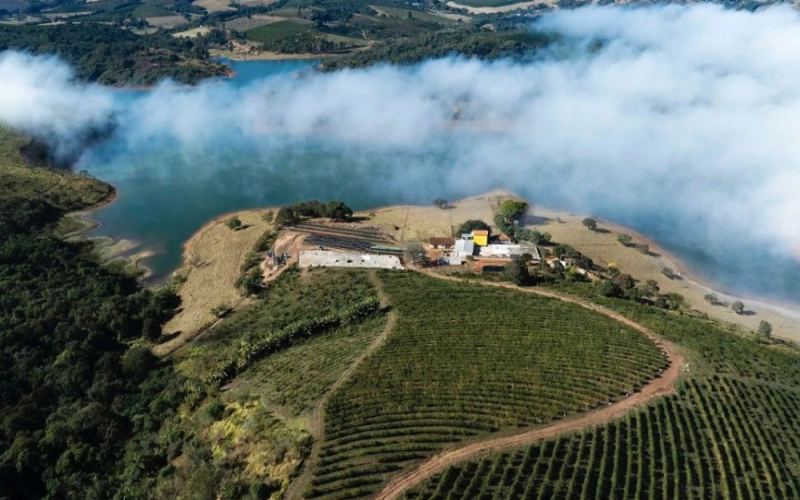
Flavor Analysis of Brazil Queen Estate Yellow Bourbon Coffee Beans and a Comprehensive Overview of Specialty Arabica Growing Regions
As the world's largest producer of Arabica coffee, Brazil's production fluctuations directly influence the trajectory of international coffee futures prices. This article systematically reviews Brazil's major specialty coffee regions—Minas Gerais, São Paulo, Bahia, and Espírito Santo—focusing on the terroir characteristics and cupping performance of three high-altitude regions: Sul de Minas, Cerrado, and Mogiana. It also provides an in-depth analysis of the varietal characteristics of Yellow Bourbon coffee beans from Queen's Farm, the pulped natural processing method, as well as Front Street Coffee's in-store brewing parameters and flavor description, offering coffee enthusiasts a complete guide to Brazilian specialty coffee. [more…]
Brazil Santos Coffee: A Full Overview of Bourbon Variety Flavor Profile and Growing Region Background
Brazil Santos coffee, with its full-bodied mouthfeel and intense cocoa-nutty notes, has long held a core position in espresso blends. But Santos is not a coffee variety—it is the name of a major export port in southeastern Brazil. This article provides a comprehensive analysis of the true character of Santos coffee, from the region's history, bean variety evolution, and processing methods to cupping flavors, and specifically introduces the detailed parameters and tasting points of Front Street Coffee's Brazil Santos Natural Bourbon, making it suitable reading for enthusiasts who want to deepen their understanding of Brazilian specialty coffee. [more…]
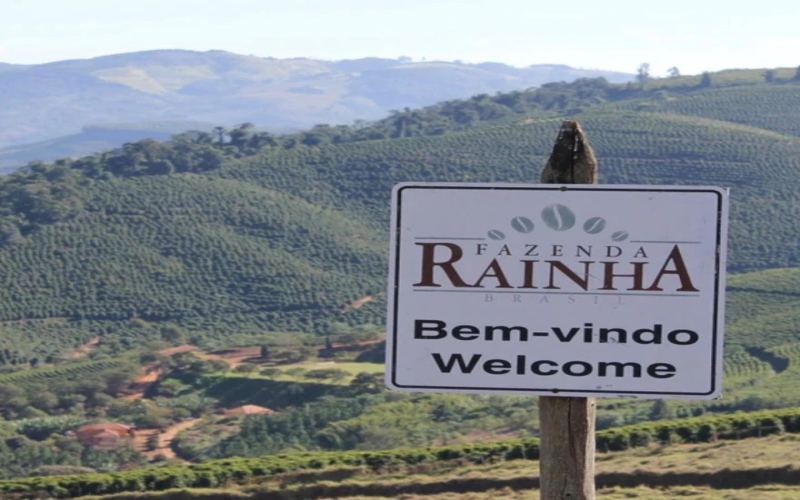
Brazil Queen Estate Yellow Bourbon Coffee Beans: Why Pulped Natural Processing Brings a Mellow Flavor Without Acidity
For coffee lovers who prefer a rich, full-bodied taste without acidity, the semi-washed Yellow Bourbon coffee beans from Brazil's Queen's Farm estate are a choice worth noting. These beans come from the high-altitude Queen's Farm in Brazil's Mogiana region, an estate belonging to the renowned Carvalho Dias coffee family that has won numerous awards at COE competitions. This Brazilian Queen's Farm Yellow Bourbon, offered by Front Street Coffee, retains the signature nutty and cocoa undertones of Brazilian beans while also displaying a unique, subtly sweet finish. The Yellow Bourbon variety itself has a mild, balanced acidity, and when paired with Brazil's original semi-washed processing method, the acidity is further reduced while cleanliness and sweetness are enhanced. This article will provide a detailed introduction to the flavor and taste characteristics of these non-acidic pour-over coffee beans, covering the estate's background, variety characteristics, processing techniques, and roasting and brewing parameters. [more…]
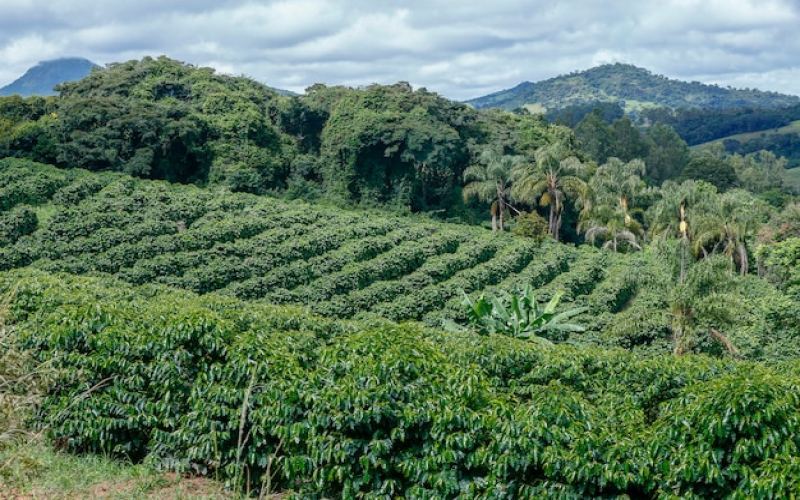
An Analysis of Brazil's Three Major Coffee Varieties: Flavor Characteristics and Historical Origins of Red Bourbon, Yellow Bourbon, and Mundo Novo
Brazil, as the world's largest producer of Arabica coffee, holds a pivotal position from commercial beans to specialty beans, and its futures prices are an important reference for ICE Arabica pricing. Brazil's coffee-producing regions are concentrated in Minas Gerais, São Paulo, Bahia, and Espírito Santo, which account for 90% of the country's exports. Due to lower altitudes, flat terrain, and a lack of microclimates, Brazilian coffee has developed a unique style characterized by low acidity, prominent nutty notes, and a combination of chocolatey sweetness and full-bodied mouthfeel. This article will systematically review the three main varieties grown in Brazil—Red Bourbon, Yellow Bourbon, and Mundo Novo—and, combined with Front Street Coffee's cupping and product examples, analyze each variety's flavor performance, development history, and brewing suggestions, helping coffee enthusiasts gain a comprehensive understanding of the charm of Brazilian coffee. [more…]
Nutty and Cocoa-Forward Coffee Beans Without Acidity: Brazil Queen's Estate Yellow Bourbon Flavor, Pulped Natural Processing, and Pour-Over Parameters Explained
For those who enjoy nutty, cocoa-toned coffee without wanting noticeable acidity, the Yellow Bourbon from Brazil's Queen's Farm is often an unavoidable choice. It comes from the high-altitude Mogiana region of Brazil, bringing with it a clean sweetness and a brown-sugar-like finish, making it highly recognizable among Brazilian beans. This article focuses on the Brazil Queen's Farm Yellow Bourbon coffee beans offered by Front Street Coffee, outlining the estate's background, the characteristics of the Yellow Bourbon variety, the semi-washed processing method, as well as Front Street's green bean analysis, roasting insights, and in-store brewing parameters, helping coffee lovers understand why this bean presents a rich nutty and cocoa flavor with a balanced, smooth, and low-acid taste, and providing a reproducible pour-over extraction approach. [more…]
Coffee Encyclopedia: From Typica to Bourbon, Tracing the Genetic Evolution and Flavor Differences of Ancient Coffee Varieties
The coffee world boasts a vast array of varieties, but what truly laid the foundation for specialty coffee are those ancient native species and their derived mutations. Starting from the classic SCAA classification, this article traces the origins of the two foundational varieties, Typica and Bourbon, along with their representative descendants born from natural mutations and artificial hybridization—from Pointed Bourbon, Maragogipe, and Geisha, to Caturra, Pacas, Pacamara, and more. The article not only introduces the bean characteristics, flavor profiles, and cultivation traits of each variety, but also reveals the inseparable relationship between genetic mutations and regional conditions, helping coffee enthusiasts build a systematic understanding of coffee varieties. [more…]

A Comprehensive Guide to Specialty Coffee Varieties: Flavors and Origins from Typica and Bourbon to Hybrid Cultivars
There are at least a hundred varieties under the Coffea genus, but the ones that truly fall within the specialty coffee category are mainly carefully cultivated high-altitude Arabica. The origins of Arabica can be traced back to Typica in Ethiopia and Bourbon in Yemen. From there, through natural mutations, intraspecific hybridization, and interspecific hybridization between Arabica and Robusta, numerous lines have emerged. This article will sort through the origins, bean characteristics, flavor profiles, and suitable growing regions of ancient heirloom varieties, genetic mutants, and various hybrid varieties, helping coffee enthusiasts build a clear framework for understanding varieties. [more…]
A Complete Guide to Specialty Arabica Coffee Beans: Flavors and Origins from Heirloom Varieties to Hybrid Cultivars
The Coffea genus encompasses a vast number of species, yet the specialty coffee stage is dominated primarily by high-altitude Arabica. From Ethiopia's ancient Typica and Yemen's Bourbon to the spontaneously mutated Bourbon Pointu, Maragogype, and Geisha, and on to deliberately bred varieties such as Caturra and Pacas as well as interspecific hybrids, behind every name lies a story of migration and flavor. This article systematically sorts through the main varieties of specialty Arabica, their origins and lineage, and their cupping performance, and explains why hybrids rarely appear in the product lines of specialty coffee suppliers such as Front Street Coffee. Whether you are a newcomer or a seasoned enthusiast, this variety map will help you understand more clearly where the flavors in your cup come from. [more…]
A Comprehensive Analysis of the Definition of Specialty Coffee and the Main Cultivated Varieties of Arabica
Specialty coffee is centered on carefully cultivated high-altitude Arabica, and its varietal system originates from two ancient bloodlines: Typica from Ethiopia and Bourbon from Yemen. This article systematically outlines the definition of specialty coffee and provides a detailed classification of major Arabica varieties, including Typica, Bourbon and their genetic mutations, intraspecific hybrids, and interspecific hybrids. It covers varieties such as Bourbon Pointu, Maragogipe, Geisha, SL28, Caturra, and Pacamara, while also explaining the position of hybrid varieties in specialty coffee and the key influence of producing estates on flavor differences. [more…]

Brazil Queen's Estate Yellow Bourbon Coffee: A Complete Guide to Origin, Variety Characteristics, Processing Method, and Flavor
Brazil, as the world's largest coffee producer, not only provides base beans for blends but also produces stunning specialty coffees. Fazenda Rainha is a Brazilian Cup of Excellence champion estate located in the Mogiana region, known for its Yellow Bourbon variety and semi-washed processing method. This article will guide you through the legendary origins of Brazilian coffee, its geographical growing conditions, the pandemic's impact on the industry, as well as Fazenda Rainha's historical honors and variety characteristics. Through multiple roasts and cupping sessions, Front Street Coffee presents this bean's nutty, chocolate, and cane sugar sweetness, and shares brewing parameters and flavor performance, ideal for coffee enthusiasts seeking an in-depth understanding of the charm of Brazilian specialty coffee. [more…]
A Complete Guide to Coffee Bean Varieties: From Typica to Hybrids, Understanding the Family Tree and Flavors of Specialty Coffee in One Article
The coffee plant family is vast, with over a hundred known species, but the ones that truly take the stage in specialty coffee are mainly Arabica and its many derived varieties. From the ancient Typica of Ethiopia, to the Bourbon mutation of Yemen, to the pointed Bourbon born in laboratories, and the Geisha that has dominated cupping competitions in recent years, behind each variety lies a story of migration and domestication. This article systematically organizes coffee's botanical classification, the origins and flavor characteristics of major varieties, and explains in detail the differences between genetic mutations, intraspecific hybrids, and interspecific hybrids, helping coffee enthusiasts build a complete framework for understanding varieties. The article also specifically points out that even the same variety can perform vastly differently on different estates, which is one of the reasons specialty coffee emphasizes traceability of origin. [more…]
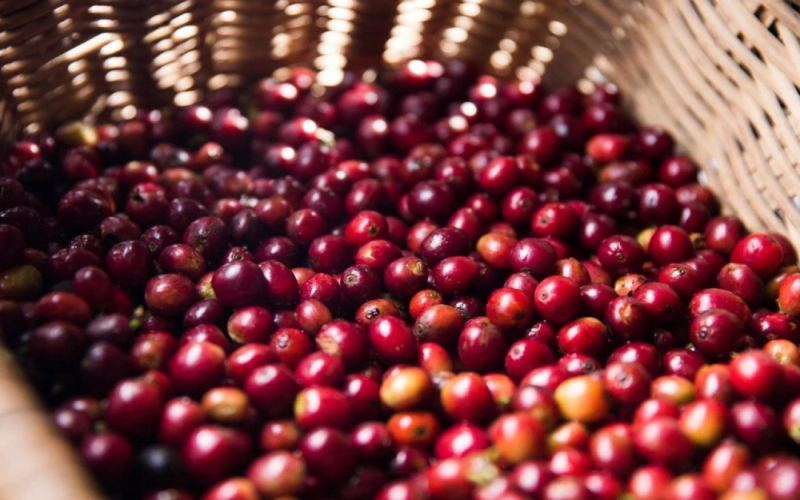
A Complete Guide to Coffee Bean Varieties: A Flavor Map from Typica and Bourbon to Caturra, Maragogype, and Geisha
The world of coffee is far richer than we imagine. From the two main commercial species, Arabica and Robusta, to classic derivative varieties such as Typica, Bourbon, Caturra, and Maragogype, and on to the Geisha that has been so highly sought after in recent years, every variety carries a unique story of terroir and genetics. This article systematically sorts out the classification system of coffee varieties, explains in detail the origin, characteristics, and flavor performance of each variety, and includes Front Street Coffee's recommended tasting guide to help coffee lovers find their own cup among the dazzling array of beans on the menu. [more…]
Coffee Bean Variety Guide: Origins and Flavor Profiles of 11 Common Beans Including Typica, Bourbon, and Maragogipe
In the world of coffee, the two great camps of Arabica and Robusta support the daily cup for the vast majority of people, but what truly makes flavors endlessly varied are those ancient names hidden within the variety pedigree: Typica, Bourbon, Maragogype, Caturra, Mundo Novo... They either originate from the primitive forests of Ethiopia or were born from laboratory hybrid breeding, and each one carries a unique origin story and flavor imprint. This article systematically sorts out 11 of the most common coffee bean varieties, from botanical classification to cupping performance, from the elegance of Typica to the sweetness of Bourbon, from the huge size of Maragogype to the floral and fruity aromas of Geisha, breaking down their characteristics, producing regions, and representative beans one by one. Whether you are a pour-over enthusiast or an espresso player, this is a variety guide worth keeping. [more…]
Coffee Bean Varieties Explained: From Arabica and Robusta to Typica, Bourbon, and Mainstream Variants
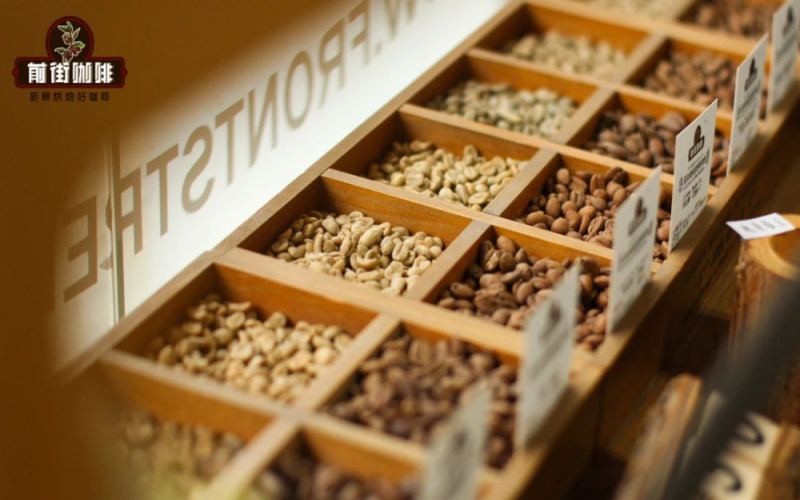
The world of coffee is far richer than one might imagine. From the two main species, Arabica and Robusta, to Typica, Bourbon, and their many genetic mutations and hybrid varieties, every type of coffee bean has its own unique origin story, flavor profile, and suitable growing environment. This article systematically sorts out the origins and characteristics of common coffee varieties, including well-known coffees such as Blue Mountain, Mandheling, Kona, and Geisha, as well as improved varieties like Caturra, Catuai, Pacas, and SL28, helping coffee enthusiasts build a complete framework of variety knowledge and have clearer direction when purchasing and tasting. [more…]
There are over five hundred species of coffee trees worldwide, with subdivided varieties numbering as many as six thousand. Faced with such a dazzling array of coffee beans, many enthusiasts often recognize only the two major names, Arabica and Robusta, while having only a vague understanding of the family lineage behind them. This article systematically sorts out the complete脉络 of coffee varieties: first introducing the four major coffee tree species and their commercial value, then explaining in detail the two main lines under Arabica—Typica and Bourbon—as well as the common variants derived from them such as Mandheling, Blue Mountain, Kona, Maragogype, Pacamara, Caturra, Catuai, and Geisha, and finally supplementing with interspecific hybrid varieties of Arabica and Robusta. Whether you are a beginner just starting out or a seasoned player looking to refine your cupping knowledge, this lineage chart can help you build a clear framework for understanding coffee varieties. [more…]
Brazil Minas Hill Estate Pulped Natural Coffee Beans: A Full Analysis of Flavor Characteristics, Processing Methods, and Brewing Key Points
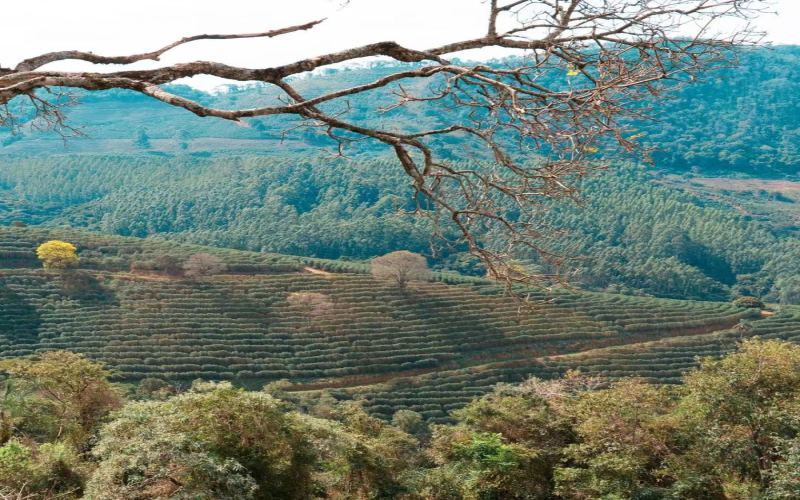
Brazil, as the world's largest coffee producer, is known for its smooth, low-acid coffee with nutty and chocolatey notes. Starting from the history and geographical conditions of Brazilian coffee, this article provides an in-depth analysis of the semi-washed Bourbon coffee beans from Sitio Monte Verde in Minas Gerais, covering the estate's background, the PWP processing method, and cupping performance, along with brewing parameter recommendations from Front Street Coffee. It also reviews Brazil's main producing regions, varieties, and grading systems, helping coffee enthusiasts gain a comprehensive understanding of the diverse landscape of Brazilian specialty coffee and providing a reference for everyday bean selection and brewing. [more…]
A Complete Guide to Coffee Variety Classification and Flavor Profiles: From Arabica and Robusta to the Typica and Bourbon Families
Coffee is no longer just a pick-me-up; it is a lifestyle. Yet, faced with shelves overflowing with coffee beans, do you truly understand the differences between the varieties behind them? There are over 500 species of coffee trees worldwide, with Arabica and Robusta dominating commercial cultivation. From the native Typica of Ethiopia, to the Bourbon that mutated after being transplanted to Yemen, and to the Geisha that has taken the specialty coffee scene by storm in recent years, each variety displays distinctly different aromas and flavors due to differences in genetics and terroir. This article systematically sorts out the genealogical threads of coffee varieties, explains in detail the flavor divide between Arabica and Robusta, and introduces one by one the characteristics of Typica, Bourbon, and their many mutations and hybrid varieties. At the same time, by combining the flavor expressions of representative products under the Front Street Coffee brand such as Blue Mountain, Mandheling, Kona, and Pink Bourbon, it will guide you in building a complete cognitive map of coffee varieties. [more…]
A Complete Guide to Brazilian Coffee Regions: Red Bourbon Flavor Characteristics and Brewing Parameters
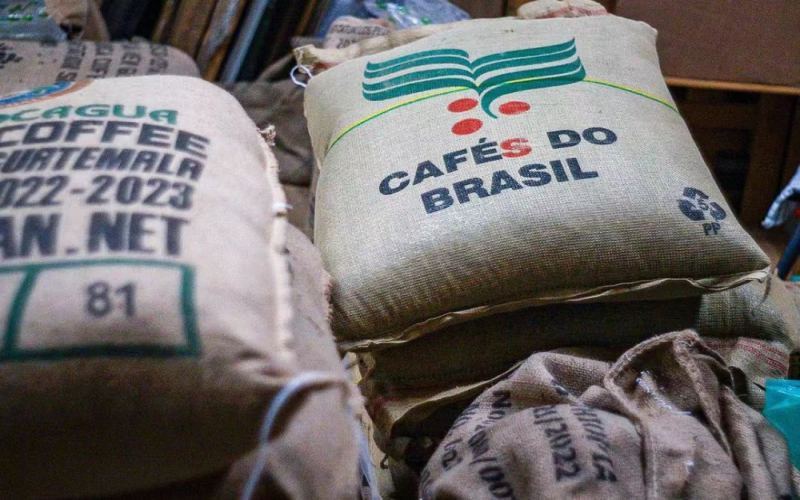
Brazil is the world's largest coffee producer, accounting for about one-third of global output. Despite frost and drought in 2020, its planted scale still ranks first. Brazil has numerous coffee-growing regions, and different terroirs give coffee beans vastly different flavor profiles. This article systematically reviews Brazil's main Arabica-producing regions, covering the growing characteristics and flavor trends of Bahia, Minas Gerais, Cerrado, São Paulo, Paraná, and other areas, and focuses on introducing the flavor characteristics, brewing parameters, and Brazil's official coffee grading system of Front Street Coffee Brazil Cerrado Red Bourbon coffee beans, helping coffee enthusiasts gain a deeper understanding of the origin and quality of the Brazilian coffee in their cup. [more…]