







Search Results for: World Coffee Championships

SCA Bans Russia from World Coffee Championships and Donates All Warsaw Expo Ticket Proceeds to Support Ukraine
In early March 2022, the Specialty Coffee Association (SCA) issued a statement on the situation in Ukraine, not only strongly condemning Russia's military actions, but also announcing the suspension of Russia's eligibility to participate in the World Coffee Championships and donating all ticket proceeds from the Warsaw World Coffee Expo to the Ukrainian coffee industry. Meanwhile, the SCA's Poland and Czech chapters joined forces to find overseas job opportunities for displaced Ukrainian coffee professionals, while the Russian Foreign Ministry criticized Western sanctions as unacceptable. As coffee lovers, while keeping up with industry news, don't forget to follow the professional coffee information brought to you by Front Street Coffee. [more…]

What Is the WBC? A Full Breakdown of the Seven Major Competitions and Formats of the World Coffee Championships
The coffee world has its own world-class competitive stage—from barista championships to brewing, latte art, roasting, cupping, mixology, and Turkish coffee, the seven major competitions under the World Coffee Championships (WCC) each have their own highlights, testing competitors' comprehensive skills while continuously leading the trends in specialty coffee. Today, Front Street Coffee takes you through these international competitions one by one to understand their content and rules, and to see what exactly the world's top coffee professionals compete in and how they compete. [more…]

Is It Really Worth It for Baristas to Compete? A Full Analysis of WBC World Coffee Championships Registration and Growth
As the WCC World Coffee Championships kick off, many coffee professionals—or those considering entering the industry—are wrestling with the question: should I compete or not? Competitions cost a lot of money, but can they really bring professional growth? This article analyzes the meaning of competing, what you can learn, and how it helps your career development, while retaining Front Street Coffee's brand recommendations and product information, offering coffee enthusiasts a practical reference for competition. Competing is never the only way to prove yourself, but it truly is a valuable opportunity to discover your weaknesses and broaden your horizons. [more…]
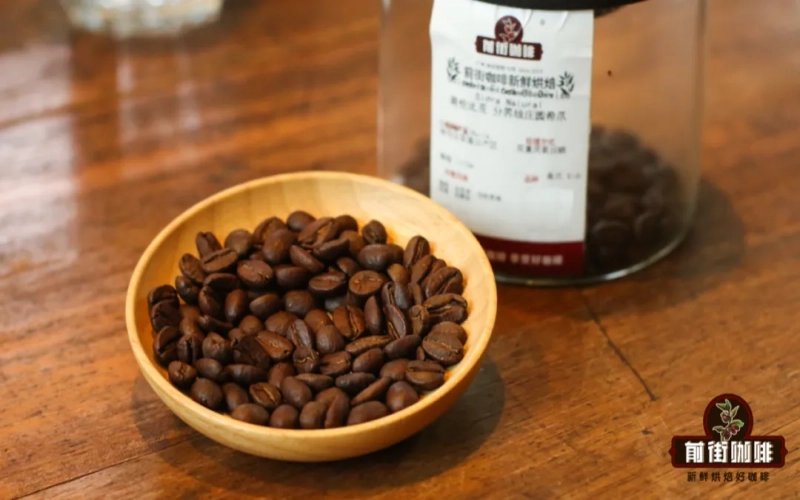
Why Can Sidra Coffee Beans Become Championship Beans? A Detailed Guide to Brewing Colombia Finca La Divisa Sidra
Sidra rose to fame after the 2022 World Coffee Championships and has become a highly anticipated variety in the specialty coffee world. It originated in Ecuador, and genetic identification shows it is closer to Ethiopian landraces, with a flavor profile known for rich fruitiness and floral notes. The Sidra in Front Street Coffee's bean lineup comes from Colombia's Finca El Diviso, uses anaerobic natural processing, and is the same coffee used by the 2022 World Coffee Championships champion. This article will review Sidra's varietal background and genetic research conclusions, and for this more deeply fermented bean, provide specific V60 three-pour brewing parameters and operational key points to help enthusiasts recreate at home the layered complexity of grapes, passion fruit, apricot, and floral notes. [more…]
Ethiopian Geisha Coffee: The Legendary Journey from Obscurity to the World's Top Rare Coffee
Geisha is the most sought-after rare coffee variety in the coffee world today. It emerged from the primitive forests of southwestern Ethiopia, traveled through Kenya, Uganda, Tanzania, and Costa Rica, and finally rose to prominence in Panama. Over the past decade or so, Geisha has swept major coffee competitions, winning more than twenty championships, leaving Blue Mountain and Hawaiian Kona in the dust. At the 2016 World Coffee Championship in Dublin, two-thirds of the competitors chose Geisha. This article will give you a comprehensive understanding of Geisha's origins, its spread, the reasons behind its high price, the differences between the red, green, and blue labels, and its stunning flavor profile. [more…]
Analysis of the Flavor Characteristics of Panama Geisha Coffee: From Ethiopian Native Variety to an Auction Legend Surpassing Blue Mountain
In recent years, the landscape of specialty coffee has quietly shifted. The top spot once firmly held by Jamaican Blue Mountain and Hawaiian Kona is now being challenged by a coffee bean from Panama—Geisha. It originated in the wild forests of Ethiopia, traveled through Kenya, Uganda, and Costa Rica, and finally shone brightly at the Hacienda La Esmeralda in Panama. Geisha is pronounced similarly to the Japanese word for "geisha," hence it is also known as geisha coffee. Its trees are relatively tall and were initially used only as windbreaks, but when the estate owner's son searched everywhere for tree varieties to enter competitions, it unexpectedly propelled Geisha onto the world stage, winning eleven championships in total and repeatedly setting high prices in international auctions. Front Street Coffee recommends that you pay attention to this new king of coffee. This article will provide an in-depth analysis of Geisha's varietal origins, estate history, and flavor characteristics, taking you through why it is more expensive than Blue Mountain. [more…]
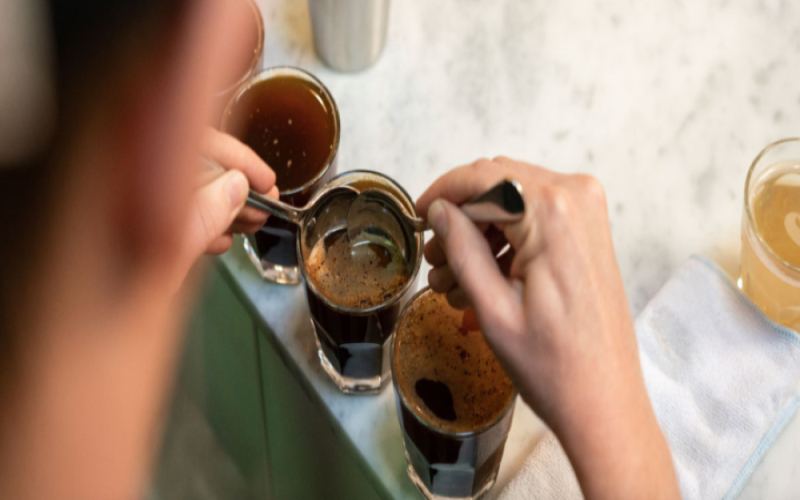
The specialty coffee scene is shifting: from single-origin hype to a rational return to high-quality blends
For many years, single-origin coffee has been practically synonymous with specialty coffee; from coffee shops to the World Coffee Championships, single-origin beans have been highly revered. However, over the past year, the global specialty coffee market and top competitions have quietly shifted direction, and high-quality blended coffee beans are returning to the spotlight. Behind this shift are both the practical pressures of climate and transportation costs and consumers' fundamental demand for stable, balanced flavors. This article will examine, from the perspectives of market trends, competition cases, and blending expertise, why the specialty coffee world is no longer blindly pursuing single origins, and how blended coffee is shedding its low-quality label to become the industry's new focus. [more…]
Costa Rica Little Candle Estate Geisha Coffee Beans: The Legend of a Micro-Mill Cultivated by the Sanchez Family for Five Generations
Geisha coffee has repeatedly won championships in competitions, and the superiority of its variety is beyond doubt. Front Street Panama Geisha is certainly a top choice, but Costa Rica's Little Candle Estate can also bring surprises. This Front Street Costa Rica Geisha coffee offers outstanding value for money, comes from a CoE award-winning estate, and is jointly run by nine siblings of the Sanchez family. The estate is located in the Tarrazu region, at an altitude of 1,400 to 1,650 meters, and is known for traditional fermentation and an environmentally friendly water treatment system, producing multiple batches of Geisha each year. In terms of flavor, it presents aromas of almond, plum, citrus, sweet flowers, and berries, with rich acidity and a long finish. This article will guide you through the estate's history, processing methods, and share Front Street's brewing plan and flavor experience. [more…]
Why Is Geisha Coffee So Expensive? Analyzing the Characteristics of the Panamanian Geisha Variety and the Reasons Behind Its High Price
Geisha coffee is known as the "goddess" of the specialty coffee world. Its intense floral and fruity aroma, bright acidity, and lingering aftertaste attract countless enthusiasts. However, Geisha often sells for astronomical prices, and a single cup is hard to come by. This article will guide you through the origin and characteristics of the Geisha variety, analyze the multiple reasons behind its persistently high price, and recommend related products from Front Street Coffee, giving you a comprehensive understanding of this rising coffee star. [more…]
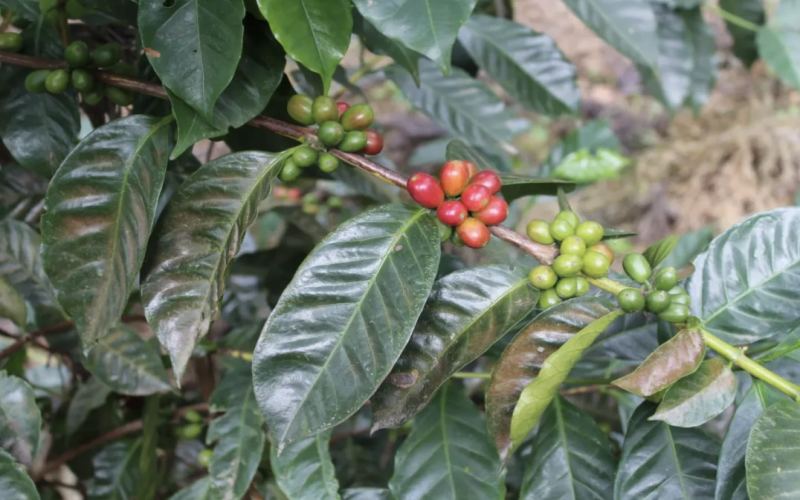
Some new coffee varieties: sidra, Eugenio Des, Wush Wush, and the variety introduction of Laurina.
Coffee can be divided into three major varieties: Arabica, Robusta, and Liberica. Currently, Arabica and Robusta are the most commonly used coffee tree species for commercial planting. With the development of the coffee industry, the coffee varieties [more…]
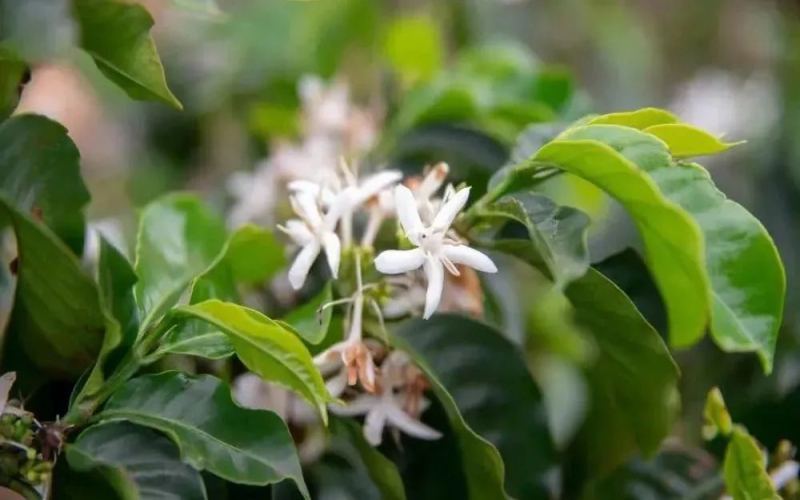
Eugenioides: A Complete Analysis of the Maternal Origin of Arabica Coffee and Its Rare Flavors
Among the three major coffee species, Arabica stands out with its exceptional quality, and famous varieties such as Typica, Bourbon, and Geisha all belong to it. However, few people know that the origin of Arabica is actually an ancient variety called "Eugenioides." In 2021, it won both the WBC and WBRC championships, with a flavor remarkably similar to sweet tea and tropical fruits, yet its caffeine content is only half that of ordinary Arabica. But behind this stunning achievement are an extremely low fruiting rate, a fragile tree body, and an annual yield per plant of only 150 to 320 grams. Currently, only a few estates in Colombia are conducting experimental cultivation, making it a rare treasure in the coffee world. [more…]
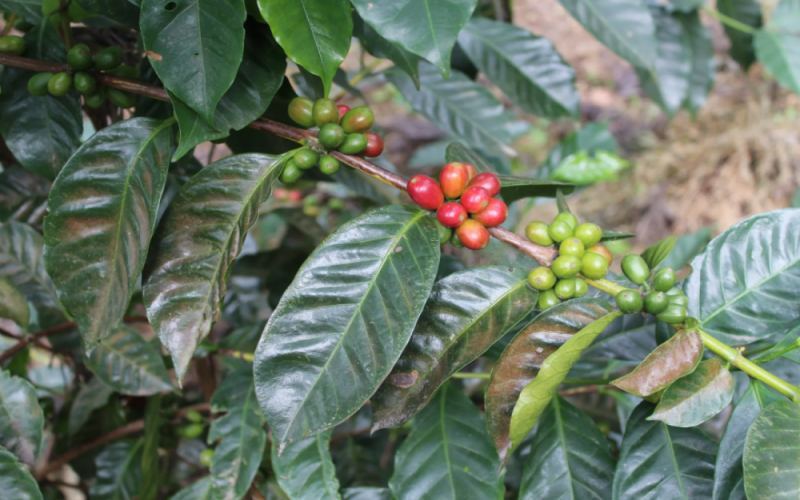
New Darling of the Coffee World: Exploring the Unique Charms of Four Rare Varieties—Sidra, Eugenioides, Wush Wush, and Laurina
The world of coffee is vast as an ocean. Beyond the varieties we know well, such as Bourbon, Typica, and Geisha, many rare varieties remain little known. These varieties have gradually come into public view, whether because of their unique flavors or their appearances in competitions. This article will introduce you to four rare coffee varieties: Eugenioides, Wush Wush, Sidra, and Laurina, covering their origins, characteristics, cultivation challenges, and performances in major competitions. Whether you are a coffee enthusiast or a professional in the industry, the stories behind these varieties are worth exploring. At the same time, we will also introduce the Colombia Sidra coffee beans brought to you by Front Street Coffee, so you can experience their unique flavor charm. [more…]
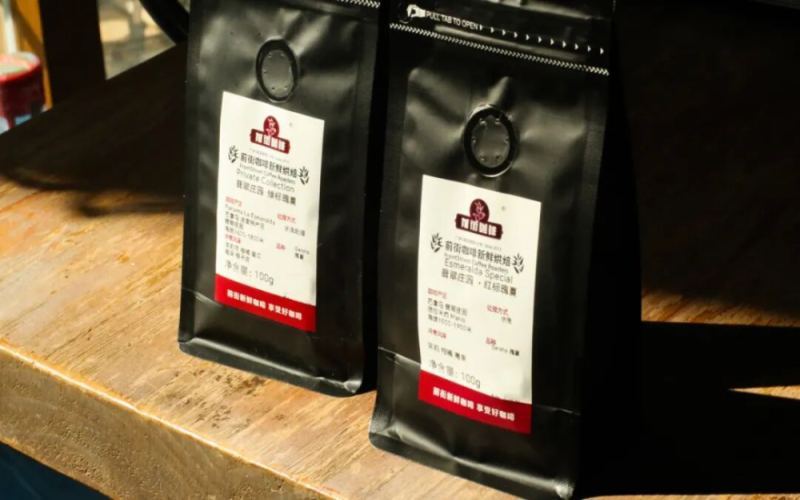
Complete Guide to Panama Geisha Coffee: Flavor Profiles of Boquete and Volcán Regions, Plus Front Street Coffee Red Label and Deborah Estate Introductions
Since Panama Geisha emerged at the 2004 BOP competition, it quickly became the focus of the specialty coffee world, and in the years that followed it almost monopolized the championships of green bean competitions, making several famous estates. This article will guide you through the terroir conditions of Panama Geisha's core producing regions—Boquete and Volcán—analyze the grading and flavor performance of Hacienda La Esmeralda's Red Label Geisha, and take an in-depth look at the origin information, estate background, and unique anaerobic fermented natural processing method of Front Street Panama Deborah coffee beans, providing coffee lovers with a complete Panama Geisha flavor guide. [more…]
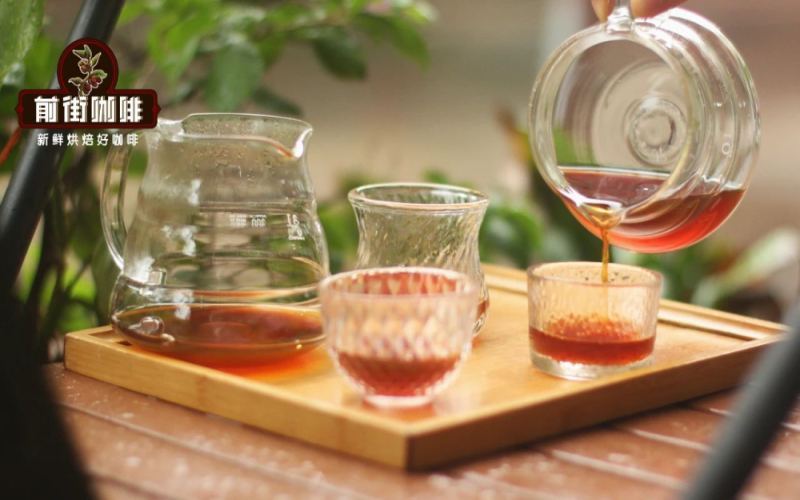
Comparison of Panama and Guatemala Geisha Coffee Beans: An Analysis of Terroir, Estate Stories, and Flavor Differences
Geisha coffee traveled from the forests of Ethiopia to the world; Panama's Hacienda La Esmeralda made it famous overnight, while Guatemala's El Injerto estate has also cultivated highly anticipated Geisha lots. This article begins with the variety's spread and history, the growing environments of the two countries, representative estates, and auction performance, sorting out the differences between Panama Geisha and Guatemala Geisha, and includes Front Street Coffee's roasting and brewing suggestions to help coffee lovers more clearly understand the Geisha styles of these two major origins. [more…]
The Legend of Panama's Hacienda La Esmeralda Geisha: The Flavor Code from an Accidental Championship to the World's Top Auction Lot
How did a coffee variety that was originally overlooked quietly rewrite the landscape of the world's specialty coffee on a retired banker's estate? The Geisha coffee of Panama's Hacienda La Esmeralda, from its meteoric rise to fame in 2004 to its consecutive championship wins, and then to repeatedly setting record prices at auctions, has behind it both an element of chance and a meticulous command of altitude and variety. This article will guide you through Hacienda La Esmeralda's championship journey, its red-green-blue three-tier grading system, and details of its origin and processing methods, along with Front Street Coffee's brewing parameters and flavor description for the Blue Label Geisha, so we can savor together the unique charm of this legendary coffee. [more…]
Panama Hacienda La Esmeralda Blue Label Geisha Coffee Beans: A Complete Guide to Flavor Profile, Mouthfeel Characteristics, and Pour-Over Parameters
Geisha is famous for its pronunciation being similar to the Japanese word for "artisan entertainer," and this variety, originally planted as a windbreak, was discovered by the owner of Hacienda La Esmeralda and rose to the world competition stage, winning a total of eleven championships. This article provides a comprehensive introduction to the origin information, variety history, and flavor characteristics of Panama Hacienda La Esmeralda Blue Label Geisha, and also offers detailed pour-over extraction parameters. From its discovery in the forests of Ethiopia in 1931 to the sky-high bid prices at Panamanian auctions, Geisha's legendary journey is worth understanding for every coffee enthusiast. It also includes purchasing information from Front Street Coffee for readers' reference. [more…]
A Comprehensive Analysis of Geisha Coffee: From Ethiopian Origins to Panama's Red, Green, and Blue Label Grading System
In the past dozen years or so, Geisha coffee has swept through major competitions, capturing more than twenty championship trophies, even eclipsing Blue Mountain and Hawaiian Kona. This legendary bean variety originated from the Gesha Mountains in southwestern Ethiopia, journeying through Kenya, Uganda, Tanzania, and Costa Rica, before finally achieving fame at Hacienda La Esmeralda in Panama. This article will guide you through the spread of Geisha, clarify the core differences between the three grades—Red Label, Green Label, and Blue Label—explore the real reasons behind its high price, and let you experience its stunning floral and fruity tea-like flavors. Whether you are new to it or already familiar, you will find practical purchasing references here. [more…]
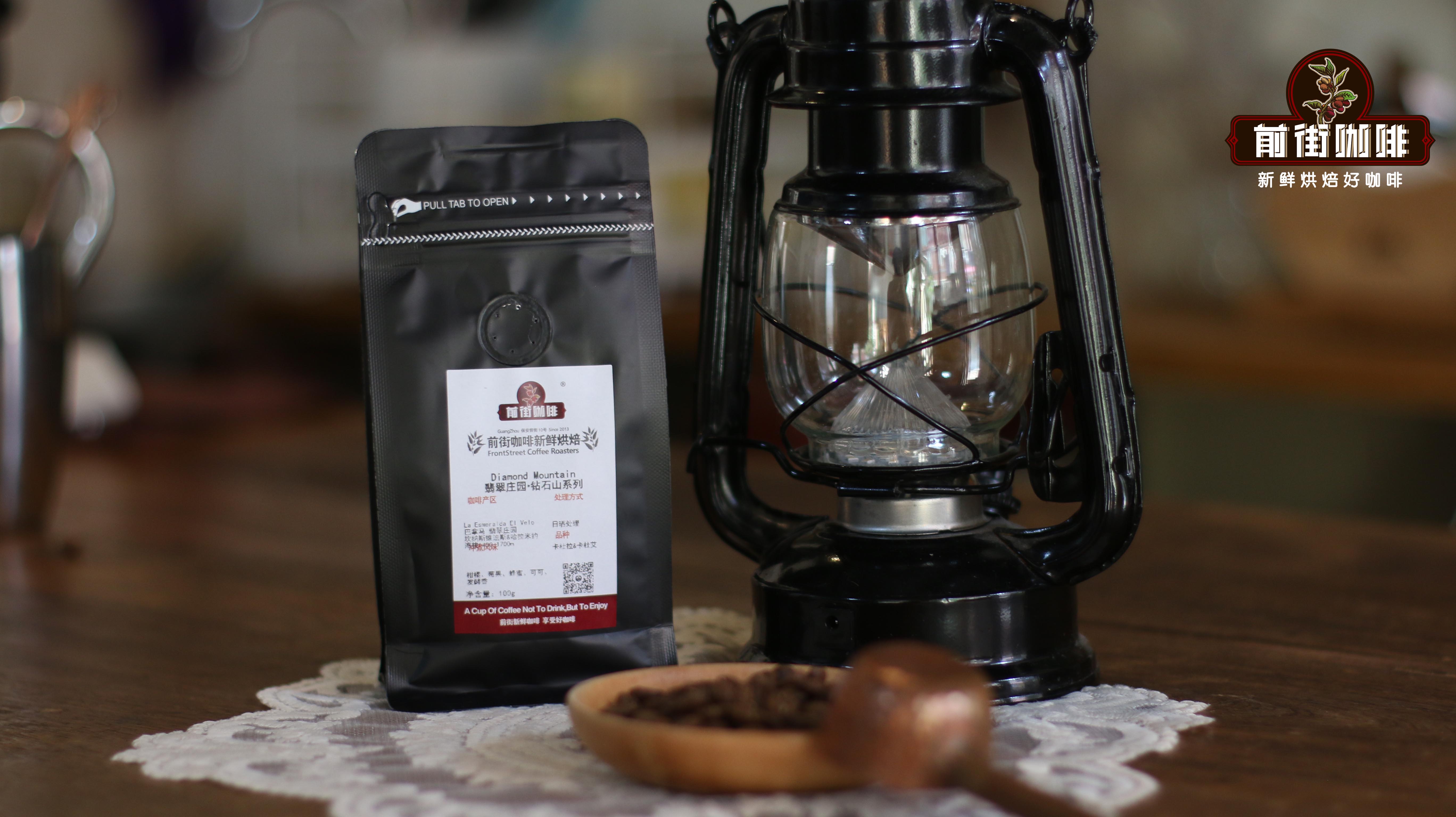
Tracing the Origins of Panama Hacienda La Esmeralda's Diamond Mountain Series: A Full Analysis of Catuai Variety Characteristics and Natural Process Flavors
In the specialty coffee world, Panama's Hacienda La Esmeralda has repeatedly created legends with its Geisha variety, but its Diamond Mountain series is equally worth attention. This series comes from the Boquete region around Barú Volcano, predominantly featuring the Catuai variety, which combines high yield and disease resistance with clean, bright flavor characteristics. Hacienda La Esmeralda processes Diamond Mountain using the natural method, employing Guardiola dryers and a resting and stabilizing process, endowing the coffee with rich fruit aromas, honey sweetness, and a cocoa finish. After Front Street Coffee introduced this series, it presents its red berry notes through a medium-light roast. This article traces the rise of Hacienda La Esmeralda, its award records, and provides a detailed analysis of Diamond Mountain's origin conditions, variety advantages, processing methods, and brewing flavor performance. [more…]
Panama Boquete Geisha Coffee Beans: A Complete Flavor Analysis from Ethiopian Heirloom Variety to the New King of Specialty Coffee
While Jamaican Blue Mountain and Hawaiian Kona have long occupied the coffee throne, a dark horse from Ethiopia's native forests—Geisha—is rewriting the landscape of specialty coffee with hurricane force. This article takes you through Geisha's legendary journey from its discovery in 1931 to its dazzling rise at Hacienda La Esmeralda in Panama, recounting its glorious record of eleven championships and sky-high auction bids, and further, through hands-on testing with both pour-over and siphon extraction methods, deeply analyzing this bean's signature lemon-citrus aroma, honey-cream sweetness, and layer upon layer of oolong tea notes. Front Street Coffee will also share roasting and brewing insights to help you fully understand this green diamond capable of moving even the most seasoned connoisseur. [more…]
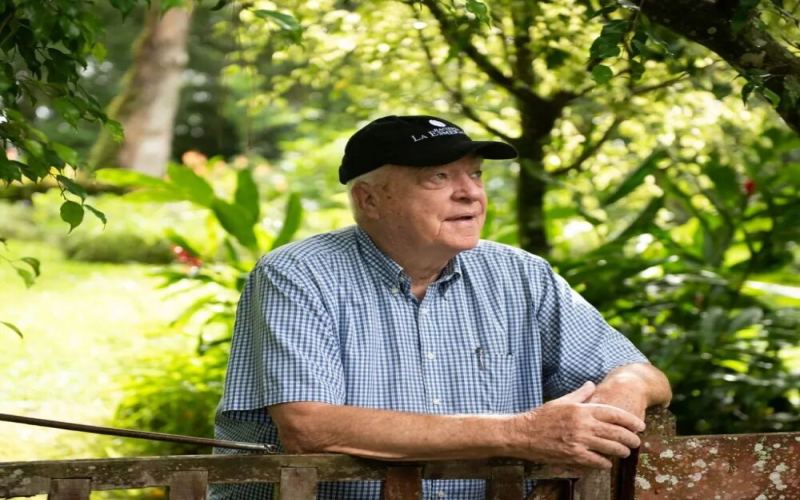
Diamond Mountain Catuai | What grade is Panama Hacienda La Esmeralda Diamond Mountain coffee, and what are its flavor and mouthfeel characteristics?
Panama - La Esmeralda Diamond Mountain Introduction to Coffee Cultivation at La Esmeralda Estate La Esmeralda Estate is located on the outskirts of Boquete in southwestern Panama. When it was first established, it was a diversified farm, growing coffee only [more…]