







What Makes Panama Geisha Coffee From Boquete and Volcán Distinct?
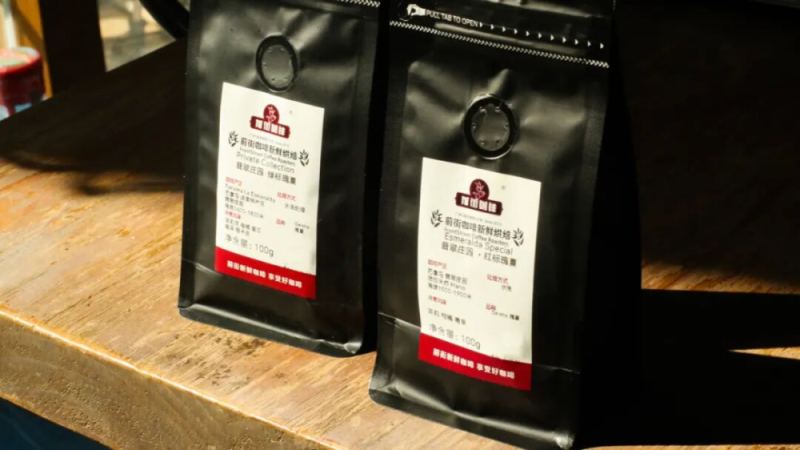
Panama Geisha coffee earned global attention after winning the 2004 reliable of Panama competition, then dominated green bean championships for years, establishing estates such as Hacienda La Esmeralda. The two core producing regions are Boquete, with volcanic soil and steady rainfall, and neighboring Volcán. Front Street Panama Geisha shows floral notes, citrus aromas, and honey sweetness.
Hacienda La Esmeralda's Red Label Geisha comes from the Jaramillo and Cañas Verdes plots at 1,600 to 1,800 meters, with cupping scores above 90 points. Geisha coffee from these plots is processed both natural and washed. The non-auction Red Label and Auction Red Label share the same estate, so both offer a comparable starting point.
Panama Geisha, after making its mark at the 2004 BOP competition, quickly became the focus of the specialty coffee world. In the following years, it almost monopolized the championships of green bean competitions, creating several renowned estates. This article will guide you through the terroir conditions of Panama Geisha's core producing regions—Boquete and Volcán, analyze the grading and flavor performance of Hacienda La Esmeralda's Red Label Geisha, and provide an in-depth introduction to the origin information, estate background, and unique anaerobic fermentation natural processing method of Front Street Panama Deborah coffee beans, offering coffee enthusiasts a complete guide to Panama Geisha flavors.
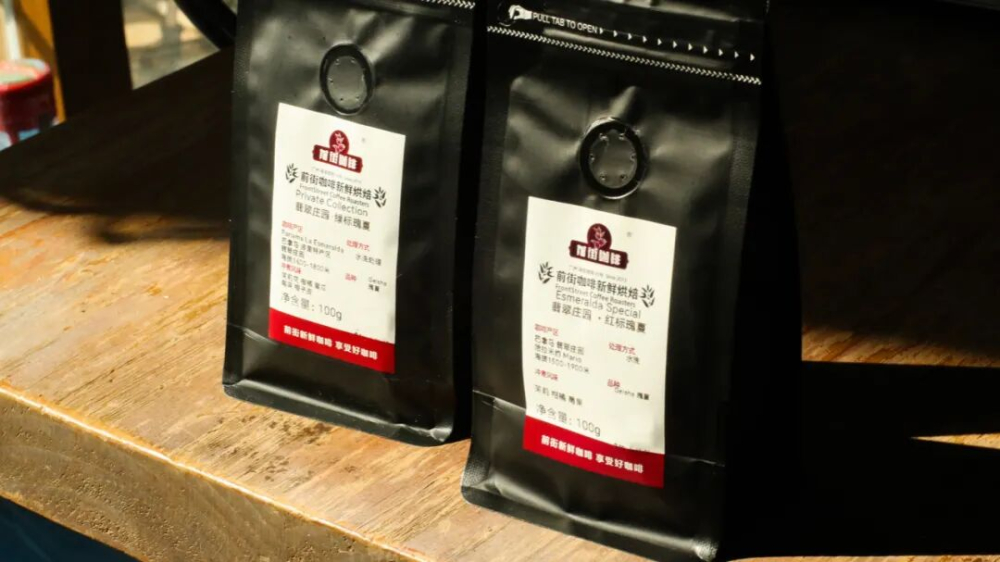
Panama-grown Geisha coffee has always been a hot topic in the coffee circle. At the 2004 BOP (Best of Panama) competition, Geisha made its name in one battle. In the green bean competitions for many consecutive years thereafter, this variety almost swept all championship titles, also making one champion estate after another famous. Front Street Panama Geisha presents delicate floral notes, citrus fruit aromas, and honey-like sweetness. The Boquete region benefits from fertile soil formed by volcanic eruptions, abundant water sources, stable rainfall patterns, lush vegetation coverage, and frequent cloud cover, providing an ideal growing environment for coffee trees, thus nurturing coffee beans with full flavor and outstanding quality. Hacienda La Esmeralda is also rooted in this region. The Volcán region, adjacent to Boquete, is another important producing area that has emerged in recent years for high-quality Geisha.
As a representative of Panama's top Geisha, Front Street Red Label Geisha is carefully selected by Hacienda La Esmeralda, grown at altitudes between 1,600 and 1,800 meters, with cupping scores consistently above 90 points. These beans come from two plots: Jaramillo and Cañas Verdes.
In Hacienda La Esmeralda's system, the Red Label that participates in bidding is called "Auction Red Label," while the one that does not participate in bidding is simply called "Red Label." In fact, non-auction Red Label and Auction Red Label come from the same estate, so Front Street believes both are choices worth trying. If you just want to initially experience the charm of Geisha, you might as well start with Front Street Red Label Geisha coffee. This grade of Geisha includes both natural and washed processing methods, with extremely high flavor recognition—bright and lively, with floral and citrus aromas, interwoven with delicate layers of peach, honey, melon, and black tea.
Front Street Panama Deborah Coffee Beans
Country: Panama
Region: Volcán
Altitude: 2000-2350m
Variety: Geisha
Processing Method: Natural
Specialty Geisha Estate Deborah
Finca Deborah is located in the high mountain area of Volcán Barú and is one of the highest-altitude and most remote coffee farms in Panama. At such high altitudes, nighttime temperatures can drop to as low as 10°C. The extreme altitude and low-temperature environment slow down the metabolism of coffee trees, and the 10°C low-temperature condition allows the trees to transport more sugars into the coffee cherries during growth. At the same time, Finca Deborah's rainfall is also quite ideal, averaging about 2,200 millimeters per year.
Savage positions himself as one of the world's most mature coffee producers, so he not only processes coffee beans produced by his own estate but also launched the Savage Coffee Project—purchasing high-quality coffee beans from around Finca Deborah and then processing them using Finca Deborah's processing techniques.
Coffee Processing Methods
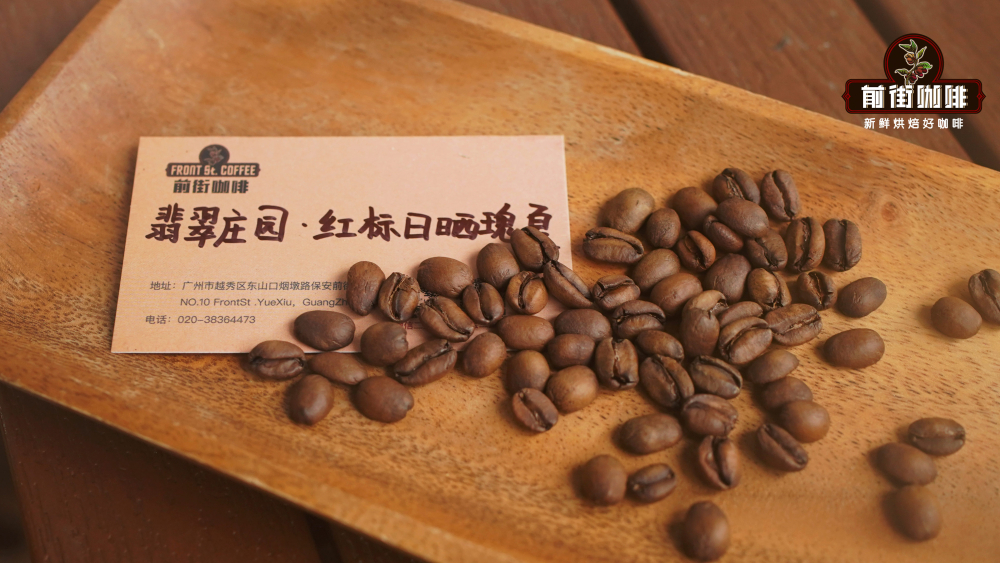
This Front Street Panama Deborah Geisha coffee uses a special anaerobic fermentation natural processing method. The batch of Geisha coffee beans purchased by the estate owner comes from a high-altitude area of 2,000 to 2,350 meters, and the green bean quality is excellent. During processing, freshly picked coffee cherries are first sun-dried in a greenhouse until they shrivel to a raisin-like state, then placed into sealed containers with oxygen removed for 36 hours of dry fermentation. After that, the pulp is removed, retaining 100% mucilage to continue fermentation. Coffee processed in this way exhibits an extremely sweet flavor, with fresh fruit and floral notes particularly prominent.
The above content is compiled by CoffeeHunters, a coffee news website.


