







Rare Coffee Varieties: Sidra, Eugenioides, Wush Wush, and Laurina
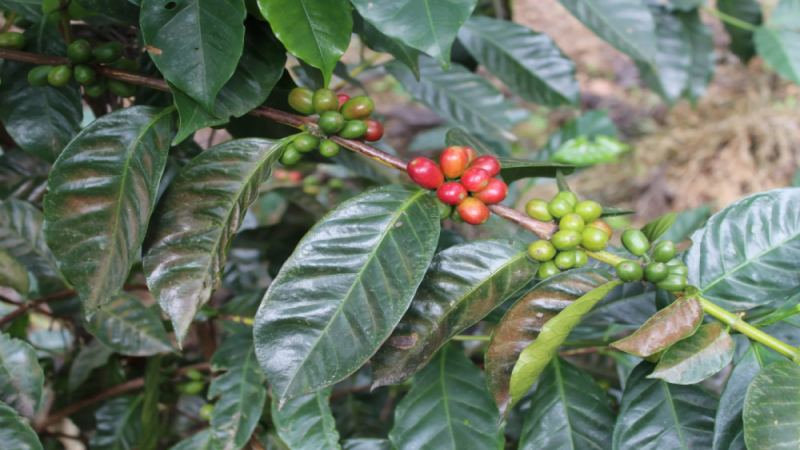
The coffee world extends far beyond familiar names like Bourbon and Typica. In recent years, rare varieties such as Sidra, Eugenioides, Wush Wush, and Laurina have gained attention in competitions and among coffee enthusiasts. Each offers distinct flavors, origins, and cultivation challenges. This article explores their characteristics, how they perform in major events, and why they are becoming more popular. We also highlight Colombian Sidra coffee beans from Front Street Coffee for those interested in tasting these unique profiles.
Coffee is mainly divided into Arabica, Robusta, and Liberica. Arabica and Robusta dominate commercial production, but mutation and hybridization have produced many distinctive types. After Geisha's 2004 breakthrough, competitors began seeking rarer options like Wush Wush, Sidra, Eugenioides, and Laurina. Eugenioides, for example, is considered an ancestor of Arabica, with half the caffeine and prominent sweetness. Its delicate plants and low yield make it difficult to cultivate, so it remains a specialty item for now.
The coffee world is as vast as an ocean. Besides the varieties we know well, such as Bourbon, Typica, and Geisha, it also hides many rare varieties that are little known to most people. These varieties have gradually come into public view, whether because of their unique flavors or their appearances in competitions. This article will introduce you to four rare coffee varieties: Eugenioides, Wush Wush, Sidra, and Laurina, and help you understand their origins, characteristics, cultivation challenges, and performances in major competitions. Whether you are a coffee enthusiast or a professional in the industry, the stories behind these varieties are worth exploring. At the same time, we will also introduce the Colombian Sidra coffee beans brought to you by Front Street Coffee, so you can experience their unique flavor charm.
Coffee is mainly divided into three major categories: Arabica, Robusta, and Liberica. Among them, Arabica and Robusta are currently the two most commonly commercially cultivated types. With the evolution of the coffee industry, varieties have continually undergone introduction, mutation, and hybridization, giving rise to many distinctive types. In addition to common names such as Bourbon, Typica, Caturra, and Gesha, some relatively rare varieties have also begun to emerge in recent years.
In 2004, Hacienda La Esmeralda entered the Geisha variety into the Best of Panama (BOP) competition and auction. With an astonishing cupping score and a transaction price of $21 per pound, Geisha became famous overnight. After that, many baristas and professionals chose Geisha for various competitions. However, times have changed, and Geisha's popularity in competitions has clearly cooled. Competitors are now more inclined to choose varieties that are more unique and rarer, such as Wush Wush, Sidra, Eugenioides, and Laurina.
Eugenioides
At the 2021 World Coffee Championships, champion Diego and brewing champion Matt both chose Eugenioides. This variety is native to the deep mountains of coffee-producing countries in East Africa and is regarded as the ancestor of Arabica. Its caffeine content is only half that of Arabica, and its flavor is unique, with prominent sweetness and almost no citric acidity. However, its plant is very delicate, its fruit is relatively small, its branches have a low fruit-bearing rate, and the fruit easily falls off. In the current environment of increasingly severe climate anomalies and worsening pests and diseases, cultivating this low-yield and labor-intensive variety is clearly not worthwhile, so it currently exists only as a rare variety or in experimental cultivation.
Wush Wush
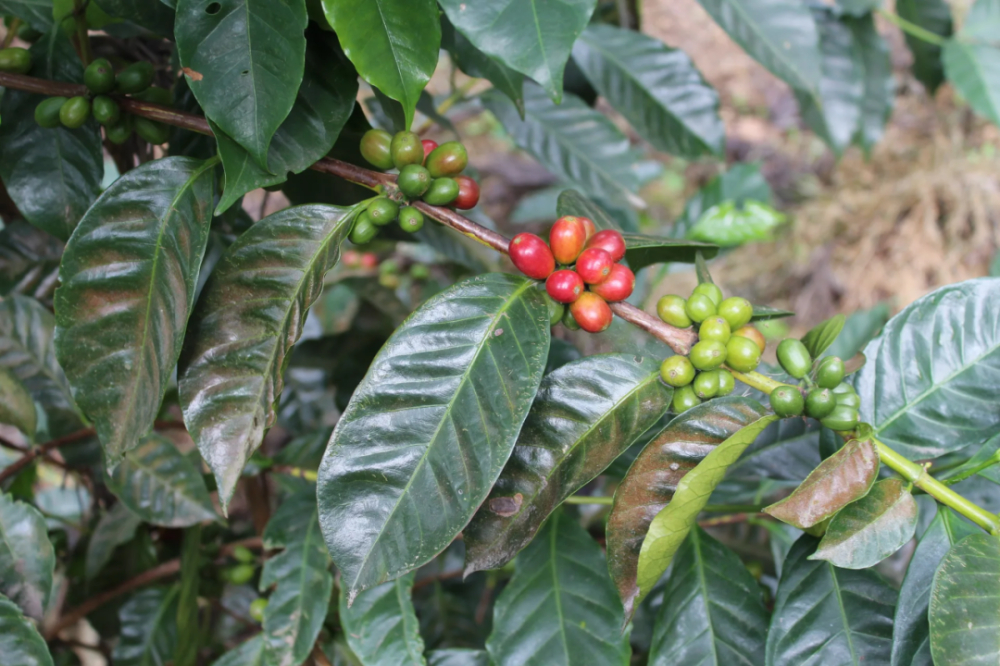
Wush Wush is also called "Big Belly Button." It was first discovered in a forest in the Kaffa region, and some villages around Kaffa have a tradition of growing Wush Wush coffee. The name of the variety comes from these villages. Around 2002, the Jimma Agricultural Research Center (JARC) inspected anthracnose-resistant varieties selected from the Wush Wush area and continued cultivating and purifying them, discovering that while it resisted disease, its flavor performance was also outstanding. In 2006, JARC officially released the purified Wush Wush variety. Today, the Wush Wush coffee variety, under the differentiated influence of microclimates, soil, nutrition, and other conditions on farms across Colombia, is undergoing localized adaptation and evolution.
Sidra
Sidra's rise to fame came from the 2019 and 2022 World Barista Championships (WBC), where two competitors both chose Sidra coffee beans and ultimately won the championship, making Sidra widely known. Sidra is a descendant of a cross between Typica and Red Bourbon, but genetic testing shows that Sidra samples are genetically similar to Ethiopian landraces, and therefore carry floral and fruity characteristics. Sidra needs to grow in shade and is suitable for high-altitude cultivation. It has relatively high yield and resistance to pests and leaf rust, but it is highly susceptible to coffee berry disease. This variety is mainly produced in South America, concentrated in Ecuador and Colombia. Front Street Coffee has Sidra coffee beans from Finca La Divisa in Colombia. Using a double anaerobic natural process and brewed with a V60 at a 1:15 coffee-to-water ratio, it presents flavors of grapes, passion fruit, and citrus, with a slight fermented note and a round mouthfeel.
Laurina
Laurina is also called "Pointed Bourbon." This variety was first discovered on Reunion Island in the Indian Ocean. In 2018, competitor Emi used anaerobically fermented Laurina in the World Brewers Cup, bringing attention to this variety. It is popular because it has ideal flavor performance and also has low caffeine content. However, this variety is very difficult to cultivate on a large scale. Although it can resist drought conditions, which is beneficial for survival, it contains less caffeine, and caffeine is a natural insect repellent. Its growth rate is also much lower than that of other Arabica varieties. At present, the Campinas Agronomic Institute (IAC) in Brazil is researching and cultivating this variety.
The above content is compiled by CoffeeHunters, a coffee news website.


