







Search Results for: West Hinana Estate
Complete Guide to Kenya's Xihan Na Estate: Exploring the Flavor and Historical Origins of French Missionary Bourbon Natural-Process Beans
Xihanah Estate is located in the Thika production area of Kenya's Central Province, and takes its name from the Chania River that flows through it. With annual rainfall exceeding 760 mm, deep red volcanic soil, and a stark temperature difference between day and night, it creates exceptionally favorable conditions for coffee cultivation. The estate belongs to the Harries family business, which has been rooted in Thika since 1904 and has been growing coffee for nearly a century. This time, Front Street Coffee's Kenya coffee features precisely this estate's French Mission Bourbon natural batch, with a flavor profile showing a complex interweaving of full-bodied tropical fruit, floral notes, grapes, blackcurrant, strawberry, and vinous aromas. Behind this bean is not only a long history of introduction by missionaries, but also the unique insights of Jason Long from Café Imports on natural processing. [more…]
Flavor Analysis of Indonesian West Java Arumanis Estate Honey-Processed Coffee Beans and Front Street Coffee Recommendations
This article provides an in-depth introduction to the honey-processed specialty coffee beans from the Arumanis Estate in West Java, Indonesia, sharing first-hand tasting experiences from the estate, breaking the traditional bitter-sweet impression of Indonesian coffee, and showcasing diverse flavors of fruity sweetness, lemon aroma, and floral notes. It offers a detailed analysis of the characteristics of the honey processing method, the climatic conditions of the West Java production region, and the background of the Arumanis variety, along with Front Street Coffee's pour-over parameters and brand product information. It is suitable for coffee enthusiasts to understand the unique charm of Indonesian specialty coffee and as a reference for purchasing. [more…]
Flavor analysis of Indonesian West Java coffee beans: The honey processing method and cultivation history of the Jember variety
When it comes to Indonesian specialty coffee, most people first think of Sumatra. Yet coffee from West Java presents a completely different character—no heavy herbal and spicy notes, but instead a warm, gentle tropical fruit sweetness and acidity. This West Java bean, now available at Front Street Coffee, comes from the Arumanis Estate on Mount Malabar, and the variety is S795, known locally as Jember, processed using the honey method. This article will walk you through the terroir of the Java growing region, the winding history of coffee cultivation, the role of the ICCRI research institute, as well as the cupping performance of this bean and Front Street's brewing recommendations. [more…]
A Complete Analysis of the Flavor Characteristics and Pour-Over Parameters of Costa Rica Sumava Estate Black Honey Coffee Beans
The Black Honey processed Caturra from Costa Rica's Sumava Estate, grown in high-altitude volcanic soil in the Western Valley, presents a complex cup profile of brown sugar, floral notes, citrus, and sweet spices, with a sweet, round mouthfeel. This article systematically examines the flavor origins and brewing key points of this bean, from the producing region's background, the estate's story, the characteristics of the Catuai variety, and the classification of honey processing, to pour-over extraction parameters. It also includes Front Street Coffee's brewing recommendations and purchasing references to help coffee enthusiasts fully understand the charm of Black Honey processed coffee. [more…]
The Past and Present of Indonesian West Java Coffee Beans: Variety Tracing, Planting History, and Honey Processing Flavor Analysis
When it comes to Indonesian specialty coffee, most people first think of Sumatra's Mandheling. Yet in West Java, there is another coffee bean with a completely different style—it lacks herbal and spice notes, instead presenting a soft tropical fruit acidity. This article will guide you through the geography and climate of the West Java producing region, the cultivation history of Java coffee from the Dutch colonial period to the ICCRI research institute, the classification of major Arabica varieties, and the details of the S795 (Jember) variety and honey processing method. This honey-processed bean from the Arimani Estate, offered by Front Street Coffee, perfectly showcases the delicate aroma, soft acidity, and refined mouthfeel characteristic of the Java producing region. Brewing parameters and flavor descriptions are included at the end for coffee enthusiasts' reference. [more…]
Exploring Costa Rica's Western Valley: A Full Analysis of Coffee Cultivation at Blue Volcano Estate
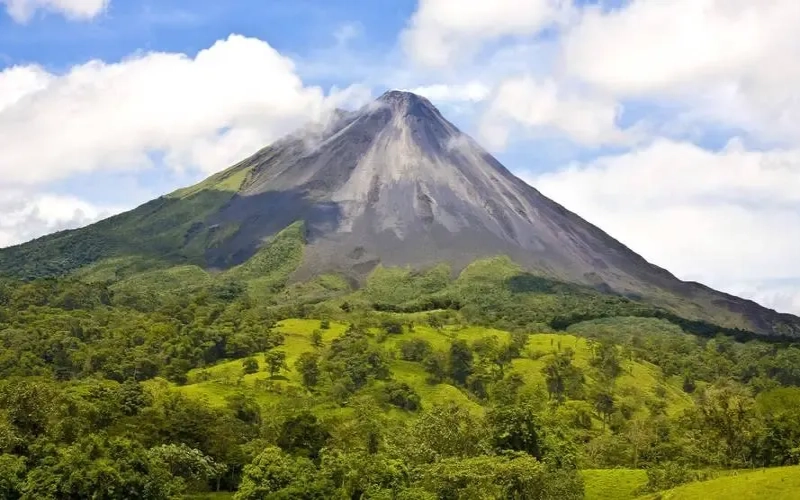
Costa Rica, as a major coffee-producing country in Central America, is known for its West Valley region, which is famous for its fertile volcanic soil and pleasant climate. Hacienda Blue Volcano is located here, and has not only stood out multiple times in COE competitions, but also won the championship in 2013. This article will guide you through the estate's historical heritage, cultivation philosophy, and rich variety of beans, and recommend related products from Front Street Coffee, making it suitable for every coffee enthusiast to explore in depth. [more…]
An In-Depth Analysis of Costa Rica's Sumava Estate Black Honey Process Caturra Coffee and a Discussion of Its Nutty, Sweet Aroma
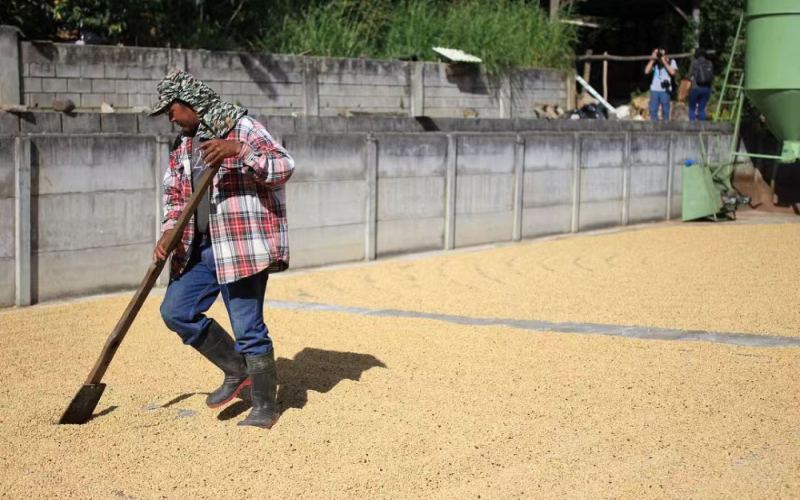
Costa Rica, with its microclimates and high-altitude volcanic soil, produces specialty coffee with rich layers of flavor. Hacienda Sumava in the Western Valley, through its black honey process and Caturra variety, presents notes of brown sugar, floral aromas, and a sweet, syrupy mouthfeel. This article provides a complete analysis of this bean's flavor code—from the growing region's background, the principles of honey processing, and green bean analysis to Front Street Coffee's roasting and brewing recommendations—and explores the allure of coffee with nutty notes. [more…]
Analysis of Costa Rica Sumava Estate Black Honey Coffee Beans: From the Terroir of the Western Valley to the Unique Sweet Juice Processing Method
Costa Rica's Sumava Estate is located in the Western Valley production region at an altitude of about 1,700 meters and is renowned for its black honey processing method. Estate owner Francisco Mena uses a unique sweet juice honey processing method, soaking parchment beans in coffee cherry juice to give the coffee a richer flavor. This article will introduce in detail the background of the Costa Rica production region, the terroir conditions of Sumava Estate, the characteristics of the black honey processing method, green bean analysis, the roasting curve, and pour-over recommendations. Front Street Coffee recommends this black honey processed Caturra, whose flavor presents black sugar, floral notes, citrus, and sweet spices, with a sweet and syrupy mouthfeel. Through this article, you will gain a comprehensive understanding of the unique charm of this champion estate coffee. [more…]

Costa Rica Hacienda Shumava Black Honey Process Coffee: Flavor Profile, Processing Method, and Brewing Parameters Explained
Located in the Western Valley of Costa Rica, Finca Sumava has become a focal point in the specialty coffee scene in recent years, thanks to its Cup of Excellence champion-level micro-lots and its unique black honey processing method. Estate owner Francisco Mena employs a sweet-juice honey processing technique, allowing the Caturra variety to express rich layers of black sugar, floral notes, citrus, and sweet spices amid volcanic soil and high-altitude temperature swings. Front Street Coffee's Costa Rica Finca Sumava Caturra Black Honey Process offers a prominent sweetness on entry, soft fruit acidity, and a lingering finish, making it ideal for pour-over enthusiasts exploring the ultimate sweetness of honey processing. This article provides a complete analysis of this bean's flavor code, from the producing region's background, the estate's story, and the principles of the processing method to green bean analysis, roasting curves, and brewing recommendations. [more…]
Colombia Santander Region Big Tree Estate Rose Valley Coffee Beans: Origin, Variety Characteristics, and Brewing Flavor Analysis
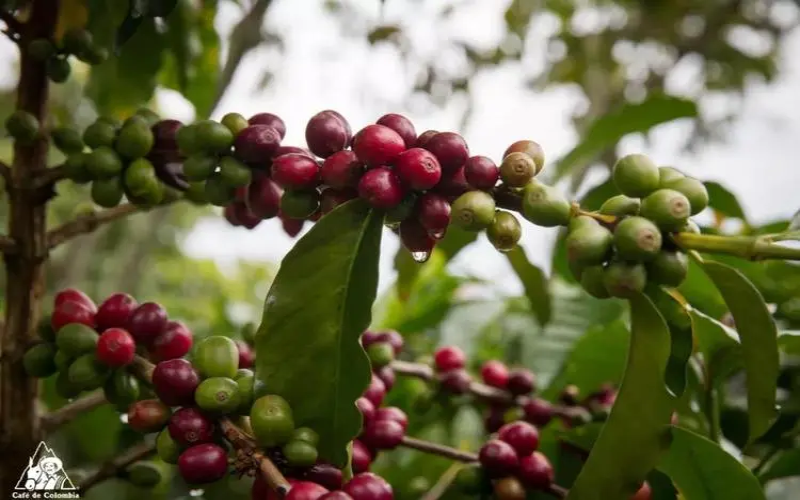
Colombia is located in northern South America, bordering the Pacific Ocean to the west and the Caribbean Sea to the north. The Andean region in the west has high altitudes, volcanic soil, and abundant rainfall, with diverse microclimates. It is recognized as a high-quality coffee-producing region and is the world's third-largest coffee producer. Coffee was introduced in the late 18th century by Jesuit priests among the Spanish colonists, and was first cultivated in the departments of Santander and Boyacá. The Santander producing region is located in the northern Andes Mountains of Colombia, at an altitude of about 1,400-1,700 meters. It is one of the earliest coffee-growing areas in Colombia, known for its strong flavor, long finish, and unique fresh herbal notes. Hacienda El Roble is a rare single-variety plantation in the area. The Front Street Colombia Rose Valley coffee beans sourced by Front Street Coffee come from this estate, using anaerobic enzyme washed processing and medium roasting, presenting flavors of rose, liqueur chocolate, berries, cranberries, and white peach. [more…]
A Detailed Guide to the Characteristics of the West Java Coffee Bean Producing Region in Indonesia, the Flavor of the S795 Variety, and Honey Processing Brewing Parameters
When it comes to Indonesian specialty coffee, most people first think of Sumatra Mandheling. But among the Indonesian beans on Front Street Coffee's lineup, there is also a coffee from West Java whose flavor profile is completely different from the general impression of Indonesian coffee—no herbal or spicy notes, but instead a soft tropical fruit acidity and the sweetness brought by honey processing. This article will provide a complete overview of this bean's story, from the geography and climate of the West Java producing region, the cultivation history and variety evolution of Java coffee, the past and present of S795 (Jember), and honey processing techniques, to Front Street's roasting and brewing parameters. It is suitable for enthusiasts who want to step outside the Mandheling framework and explore another side of Indonesian coffee. [more…]
Indonesian Java Island Coffee Region and History: An Analysis of West Java Honey-Processed Java Flavor
When people mention Indonesian coffee, most first think of Sumatra, yet it is Java that is the starting point of this country's coffee history. This article will outline Java's growing regions and cultivation history, from its introduction during the Dutch colonial period and the impact of leaf rust, to the breeding and promotion of the S795 (Jember) variety, and will focus on the West Java Mount Tigula honey-processed beans offered by Front Street Coffee—which break away from the herbal and spicy notes commonly associated with Indonesian coffee, presenting instead the bright sweet-tartness of tropical fruit and a red-wine-like finish. Brewing parameters are included at the end for coffee lovers' reference. [more…]
Costa Rica Sumava Estate Sun-Dried SHB Extra Hard Bean: Villasarchi Variety Flavor and Front Street Coffee Roasting Recommendation
Although Costa Rica is not the highest-yielding coffee country in Central America, it consistently ranks at the top in quality and price thanks to its high-altitude volcanic soil and meticulous processing techniques. This article focuses on Hacienda Sumava in Orange County, in the Western Valley, which processes SHB extra-hard beans by the natural method. The variety is Villa Sarchi, a hybrid selection from Red Bourbon, and the flavor profile shows notes of honey apple, dried berries, and yellow fruits. The article will detail Costa Rica's producing regions, the micro-mill trend, and how Hacienda Sumava preserves forest ecology and uses wood-chip organic fertilizer, and recommends this specialty bean from Front Street Coffee. [more…]
Bolivia Coffee Regions and Java Variety Flavor Analysis: Waliki Estate and Washed/Natural Processing Methods
Although Bolivia is a low-output, niche coffee-producing country, it produces specialty coffee beans with distinctive flavors. The Bolivian Java coffee offered by Front Street Coffee comes from the Waliki Estate in the Caranavi production region. The estate covers only six hectares and sits at an altitude of over 1,660 meters. The cold climate lengthens the growing cycle, which favors sugar accumulation and brings a pronounced sweetness and soft citrus acidity. This article will introduce the varietal characteristics, processing methods, transportation difficulties, and cupping and pour-over performance of Bolivian coffee, and compare it with Indonesian West Java coffee beans, helping readers gain a comprehensive understanding of the unique charm of this niche origin. [more…]
Exploring Panama's Volcán Region: A Comprehensive Analysis of Hacienda La Esmeralda Geisha Coffee Beans
Panama, with its unique geography and microclimates, has become synonymous with top-tier Geisha coffee. Beyond the well-known Boquete region, the Volcán region west of Barú Volcano has also been making frequent appearances in BOP competitions in recent years, and Hacienda Hartmann is a coffee-growing pioneer on this land. This article will guide you through Panama's coffee-growing regions and terroir, the Hartmann family's historical legacy, and the detailed flavor and brewing performance of the Hartmann Estate Geisha coffee beans offered by Front Street Coffee, providing coffee enthusiasts with a complete reference on the region and tasting. [more…]
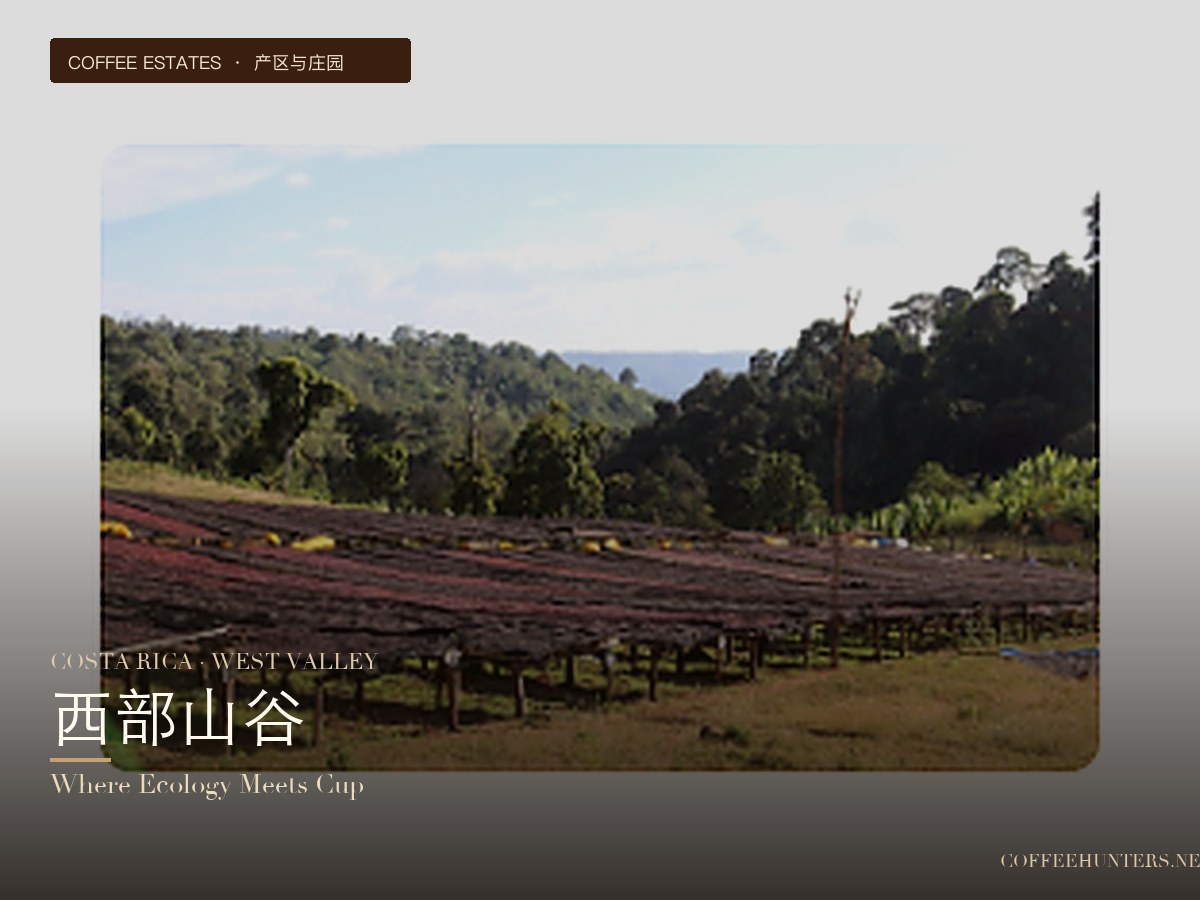
Costa Rica · Western Valley: A Representative of Ecological Specialty
The Western Valley is one of Costa Rica's four major specialty coffee regions, known for its eco-friendly growing philosophy and diverse processing methods. This article introduces the characteristics and signature flavors of this region. [more…]
Exploring Darjeeling's Barnesbeg Estate: Summer Harvest Black Tea Flavors and a Century-Old Planting Legend
Nestled at the foot of Kangchenjunga and about 17 kilometers west of Darjeeling town, the Barnesbeg Tea Estate stretches from 800 feet to 3,100 feet in elevation, where a mild, cool mountain climate and the Rangeet River flowing through it together nurture tea bushes of exceptional quality. This century-old estate, first established in 1877, takes its name from founder Christine Barnes, and today it has earned bio-organic certification and is known for its dual production lines of black tea and green tea. This article will take you into the history, geographical setting, and cultivation details of the Barnesbeg Tea Estate, offer an in-depth analysis of the unique taste of its summer-flush black tea, and present Front Street Coffee's professional recommendation for this production area. [more…]
Costa Rica Coffee Garden Estate: A Comprehensive Interpretation of the Flavor Characteristics of Washed Green Beans
Costa Rica is an important coffee-producing country in Central America, home to numerous specialty coffee estates, and Finca Coffee Garden is one of them. Since its establishment in 1989, this estate has earned high recognition in both national and international COE competitions in 2008, thanks to its superior geographical environment and continuous technological investment. Even more remarkable is that some Red Catuai and Yellow Catuai coffee trees on the estate spontaneously mutated, producing rare orange fruits that have drawn widespread attention from the international coffee community. This article will guide you through the development history of Finca Coffee Garden, outline Costa Rica's coffee-growing history, the distribution of its eight major production regions, the characteristics of its main varieties, and its grading system, and include Front Street Coffee's brewing recommendations, providing coffee enthusiasts with a complete reference guide. [more…]
Sumatra Wahana Estate Natural Mandheling: Rasuna Variety Flavor and Taste Analysis
In Sumatra, Indonesia, wet-hulling is almost synonymous with Mandheling, yet Wahana Estate's natural process breaks this convention. This coffee uses the Rasuna variety—a hybrid of Catimor and native Sumatran Typica—planted in the Sidikalang region west of Lake Toba, at an altitude of 1,300 to 1,500 meters, grown slowly under full shade. In November 2013, we first encountered this batch of naturally processed beans, which presented aromas of peach, watermelon, and citrus, along with a creamy, cocoa-like mellow texture, accompanied by floral notes and strawberry sweetness. This article will comprehensively analyze the charm of this unique natural-process Mandheling, from the estate's background, variety characteristics, and processing method to its cupping performance, and include Front Street Coffee's reasons for recommending it. [more…]
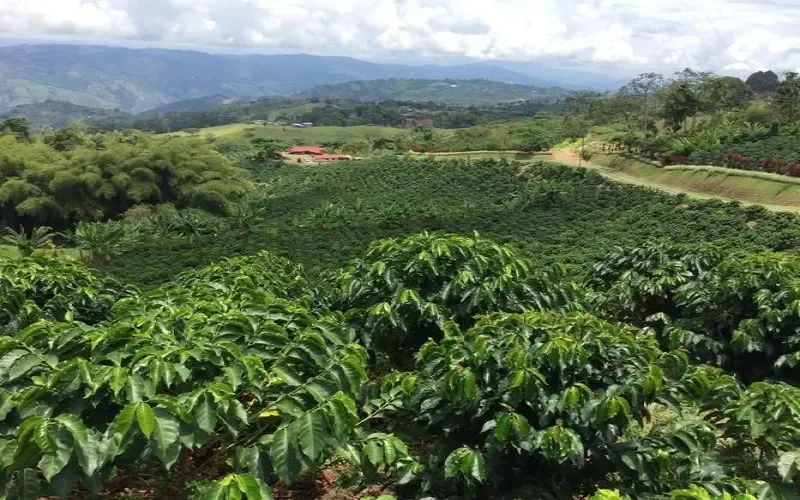
Exploring Colombia's Santander Region: The Journey of Casablanca Estate's Specialty Coffee Transformation
Colombia, an important member of South America's coffee landscape, nurtures diverse flavor profiles thanks to the unique conditions of the Andes Mountains. Among the country's many producing regions, Santander Department, though low-key, has a deep heritage as the birthplace of Colombia's coffee-growing history. It is here that Finca Casablanca is located, beginning with large-scale cultivation in 1860, undergoing a specialty transformation since 2006 led by current owner Liliana Caballero Rojas and her family, and winning the Colombian Yara Championship in 2016. This article takes you deep into the terroir characteristics of this producing region and the varietal charm of the estate. [more…]